Boston Ranked “Least Terrible City” in the Nation, Experts Confirm It’s Mostly Just Cold and Loud
BOSTON, MA — In a landmark victory for municipal mediocrity, Boston has been officially crowned the “Least Terrible City in the United States,” according to a new nationwide report that evaluated American urban centers on a complex range of metrics including “How much does this place make you sigh?”, “Likelihood of being shouted at by a stranger who is technically correct,” and “Average number of months per year your face hurts from wind.”
The study, compiled by the nonpartisan think tank The Center for Urban Resignation, concluded that while Boston remains objectively exhausting, it is exhausting in a competent, historically significant way, which pushed it just ahead of other finalists such as Minneapolis, Seattle, and “that one mid-sized city everyone claims is underrated but nobody can name.”
“Boston doesn’t try to be fun,” said lead researcher Dr. Elaine Harrow, speaking from beneath three layers of scarves. “It’s not here to entertain you. It’s here to function aggressively. And compared to other cities that are actively collapsing while charging you $22 for guacamole, Boston is, statistically speaking, the least terrible.”
A Comprehensive Survey of Misery, But Like… Manageable Misery
The report’s methodology included interviews with residents, visitors, and one man in a Red Sox hat who responded to every question by saying, “Yeah, kid, that’s just how it is.”
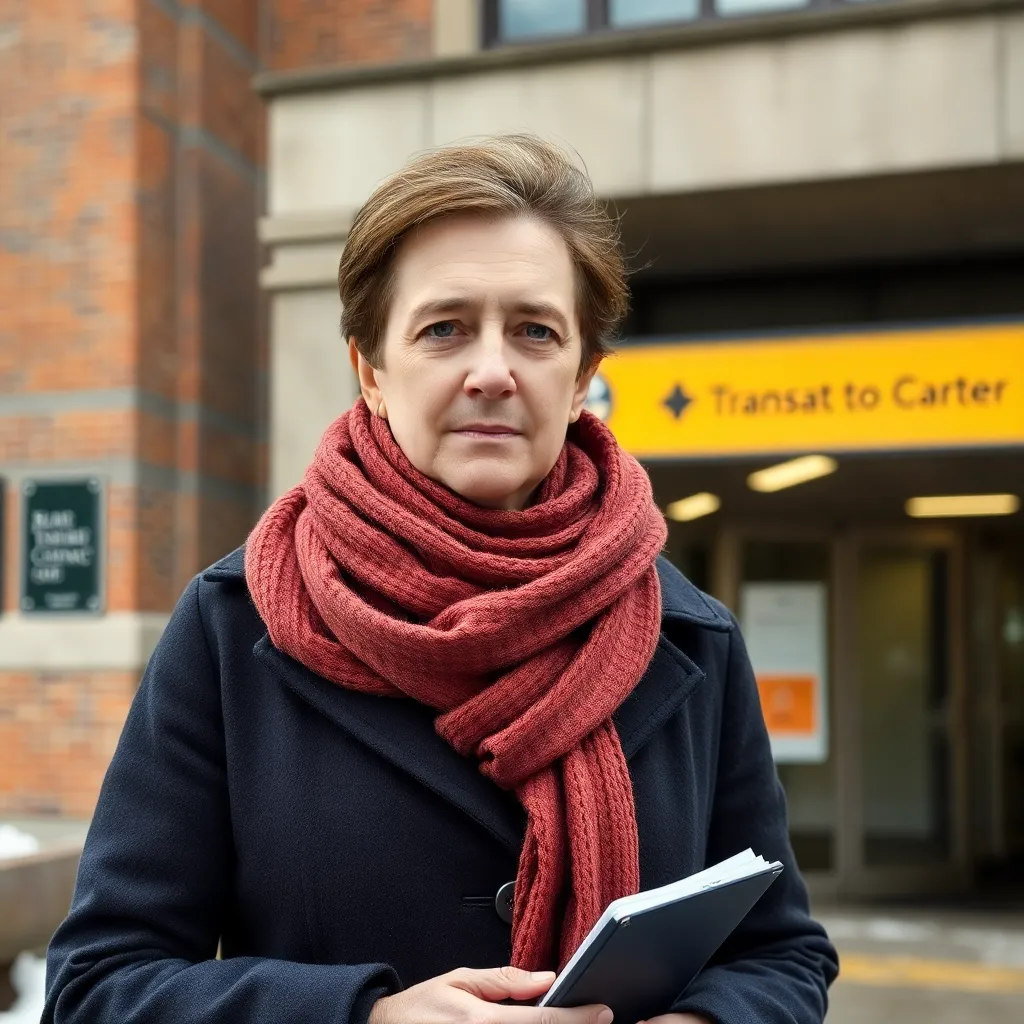
Researchers measured “terribleness” using the following key indicators:
Rent-to-joy ratio
Public transportation reliability vs. emotional damage
Weather hostility
Average daily exposure to someone yelling “BRO”
Likelihood of being trapped in a conversation about college admissions
Percentage of streets that appear to have been designed by a drunk colonial goat
Boston scored particularly well in the category of “Civic Competence Despite A Vibe That Suggests Otherwise.” While many cities boast modern amenities, Boston was praised for offering a functional blend of hospitals, universities, and seafood, all packaged in a citywide mood of mild irritation.
City Officials Proudly Accept Award They Insist They Didn’t Want
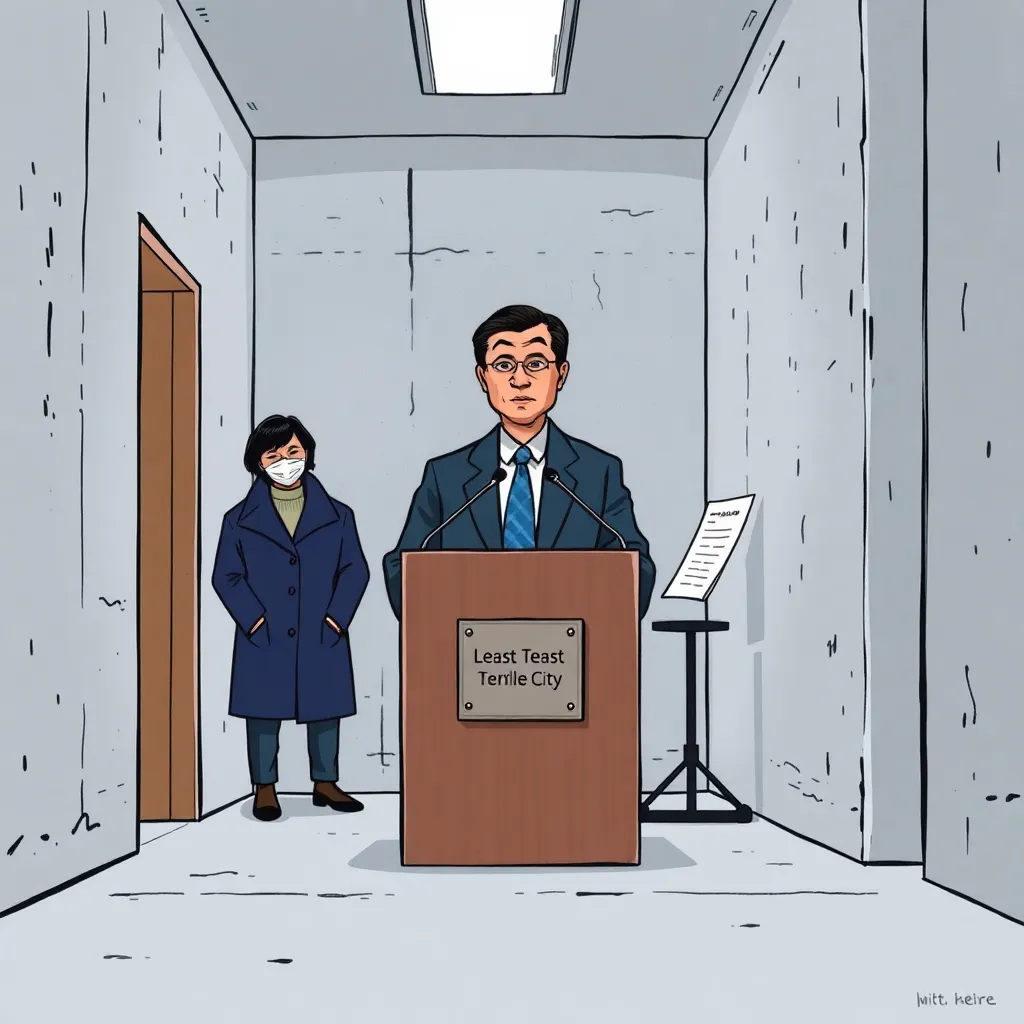
Mayor Michelle Wu accepted the designation at a brief ceremony held in a drafty hallway near Government Center, because, as one spokesperson put it, “It seemed appropriate and slightly uncomfortable.”
“We are honored, I guess,” Wu said, looking both proud and suspicious. “Boston has worked hard for centuries to provide residents with a safe, walkable city where you can eat a world-class meal, attend a world-class institution, and then immediately get yelled at for standing slightly too far left on the sidewalk.”
The mayor added that Boston’s administration would continue its mission of “keeping the city livable while maintaining the traditional local culture of pretending everything is fine while audibly complaining about everything.”
Residents React With Familiar Emotion: Annoyed Satisfaction
Local Bostonians greeted the news with the city’s signature combination of pride, skepticism, and the reflexive urge to argue with strangers.
“Least terrible? Yeah, that sounds about right,” said South Boston resident Kevin “KJ” Donahue, who was visibly angry that anyone was talking to him. “Like, we’re not perfect. The T is like—how do I put this—bad. But it’s our bad. And at least our bad has a schedule, even if the schedule is a lie.”
Cambridge resident Alyssa Hernandez agreed, but wanted it clarified that the award should be shared with neighboring communities.
“Boston is only least terrible because of its surrounding orbit of people who are constantly writing grants and apologizing,” she said. “If anything, this is a regional accomplishment in tolerable suffering.”
Meanwhile, a Beacon Hill homeowner responded by blinking slowly and whispering, “We’ve always known,” before vanishing behind a curtain.
The Top Reasons Boston Beat Out Other Cities
1. It Has The Infrastructure of a Real Place
Where many American cities are built around the sacred principle of “drive until you’re dead,” Boston offers walkable neighborhoods and public transit, which, while unreliable, still exists in a form more substantial than “a bus that comes whenever it feels safe.”
The report praised Boston’s ability to make it possible to live without a car, assuming you are willing to develop a close personal relationship with delays, shuttle buses, and the concept of “signal problems” as a permanent lifestyle.
2. Its People Are Mean, But Efficient
Unlike cities where passive aggression flourishes like artisanal moss, Boston’s social dynamic is refreshingly direct.
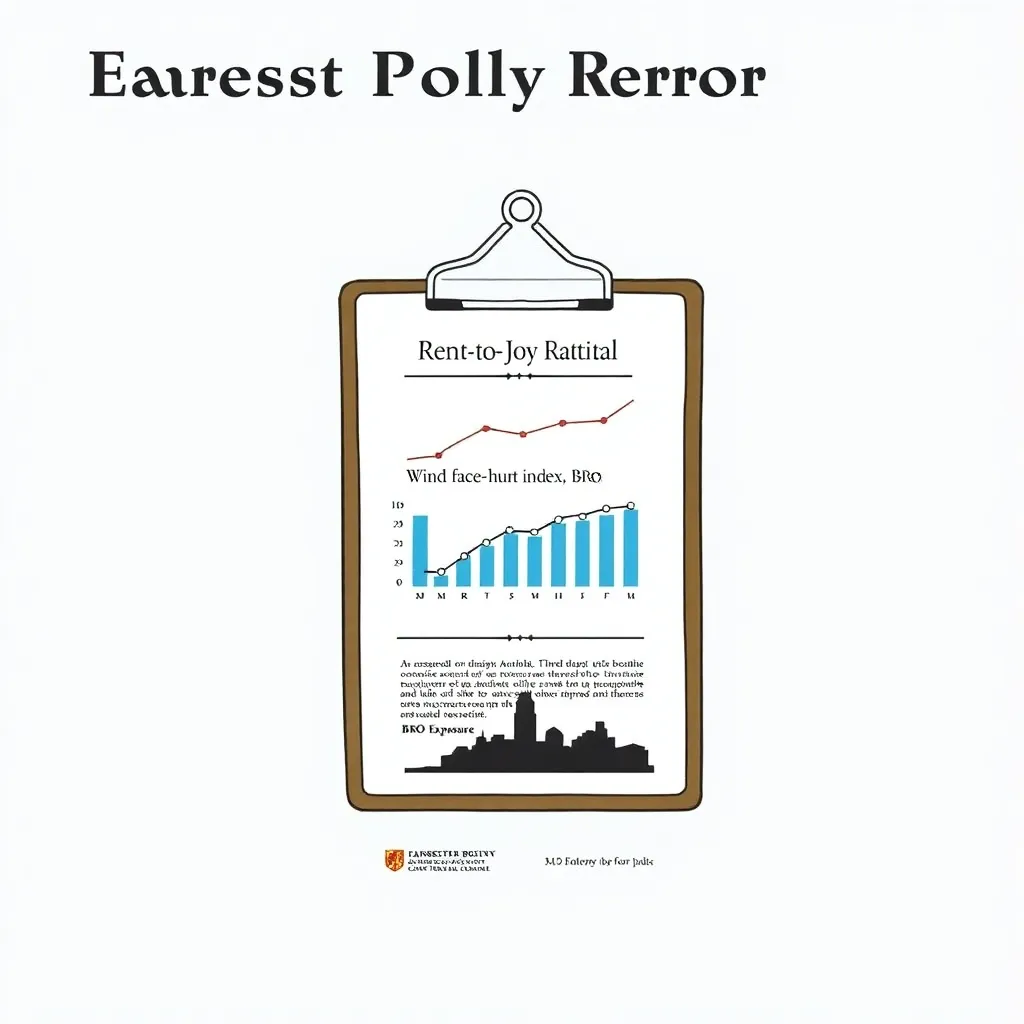
“In Boston, if someone dislikes you, they’ll let you know,” Dr. Harrow said. “But they’ll also tell you exactly which subway line to take, where to get the best sandwich, and which part of the Common has the most rats.”
3. It’s Historically Important, So It Gets Away With Things
Boston’s historic charm was cited as a major factor, though researchers noted that “historic” frequently means “the roads were never updated after 1792.”
“There’s something comforting about living in a city that helped invent the country,” said one resident. “It’s like, even if everything’s expensive and cramped, at least we can blame it on the Revolution.”
Other Cities Furious They Were Not Declared Least Terrible
Reaction across the nation was swift.
New York City released a statement reading, “We reject the premise of ‘least terrible.’ We are the best terrible and we will not apologize.”
San Francisco residents responded by attempting to comment but were interrupted by a new app promising to monetize their feelings.
Chicago simply said, “Fair,” before offering Boston a hot dog in a gesture of mutual respect and wind-related trauma.
Austin officials reportedly demanded a recount, insisting that “live music counts as civic stability,” before being drowned out by a 45-minute conversation about brisket.
Boston Celebrates the Only Way It Knows How: By Not Celebrating
To mark the honor, the city has announced a lineup of commemorative events including:
A ceremonial complaining contest at Faneuil Hall
A “Least Terrible Parade” consisting mostly of people trying to get somewhere else
A limited-edition MBTA CharlieCard printed with the slogan: “At Least It’s Not Worse”
A “Boston Appreciation Week” where residents will be encouraged to say one nice thing per day, provided it is immediately followed by a complaint to keep balance in the universe
Local bars also reportedly plan to offer celebratory drinks including the Iced Dunkin Resignation, the Green Line Martini (served 18 minutes late), and the Fenway Scream, which is just a shot you take while someone behind you yells at the TV.
Experts Warn Boston Must Work Hard to Maintain This Title
Despite the win, analysts cautioned that Boston’s margin was slim and could be jeopardized by several factors, including:
If rent increases another 4% and “roommate” becomes a synonym for “stranger you share a closet with”
If the MBTA attempts one more “improvement project” that accidentally invents new forms of time
If another luxury condo appears in a location previously occupied by sunlight
“Being the least terrible is a competitive space,” said Harrow. “Cities across America are actively striving for a kind of baseline decency. Boston can’t rest on its laurels. Mainly because the laurels are $3,200 a month and located in a basement.”
A Bright Future of Mild Discomfort
Still, residents appear cautiously pleased to be recognized for what they’ve long suspected: that Boston may not be a paradise, but it’s a functional, walkable, historically charming grind where your misery is at least well-organized.
“It’s like living with a grumpy older relative who actually gets stuff done,” said one longtime resident. “Sure, they’ll insult your coat and criticize the way you cross the street, but if you get sick, they’ll carry you to Mass General and argue with the receptionist on your behalf.”
As the city settles into its new identity, Boston’s motto may need a slight update. Not “City on a Hill,” not “The Athens of America,” but something closer to the spirit of the award:
Boston: Not Great, But You Could Do Way Worse.