Carnivorous Plant Owners Urged to Stop “Shopping for People,” Consider Novel Alternative: Bugs
LITTLE DRIPTON, UK — A national consortium of botanists, ethicists, and exasperated garden-centre employees has issued an emergency advisory this week after a surge in enquiries from the public asking for “the correct types/characteristics of people” to serve as food to carnivorous plants.
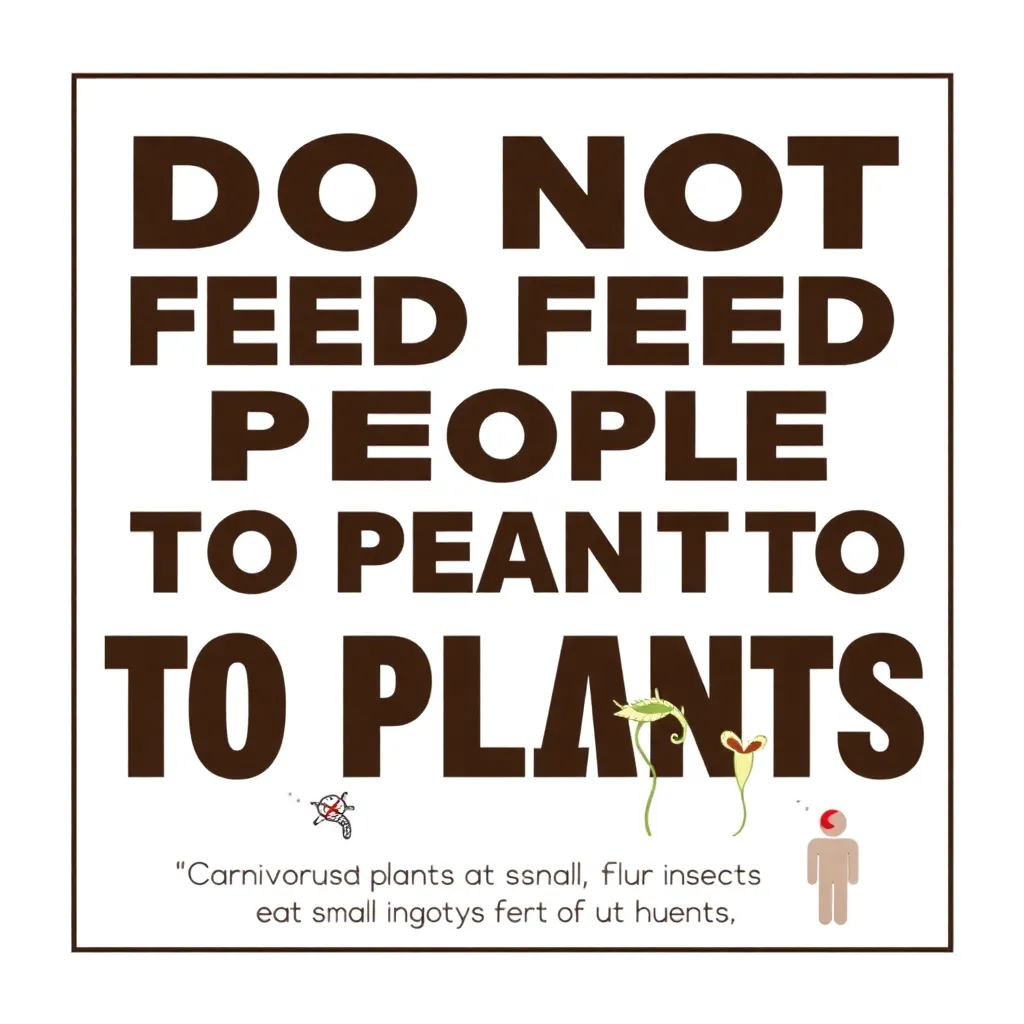
The advisory is brief, unambiguous, and printed in large type for those who have recently taken up both horticulture and delusions of villainy:
Do not feed people to plants.
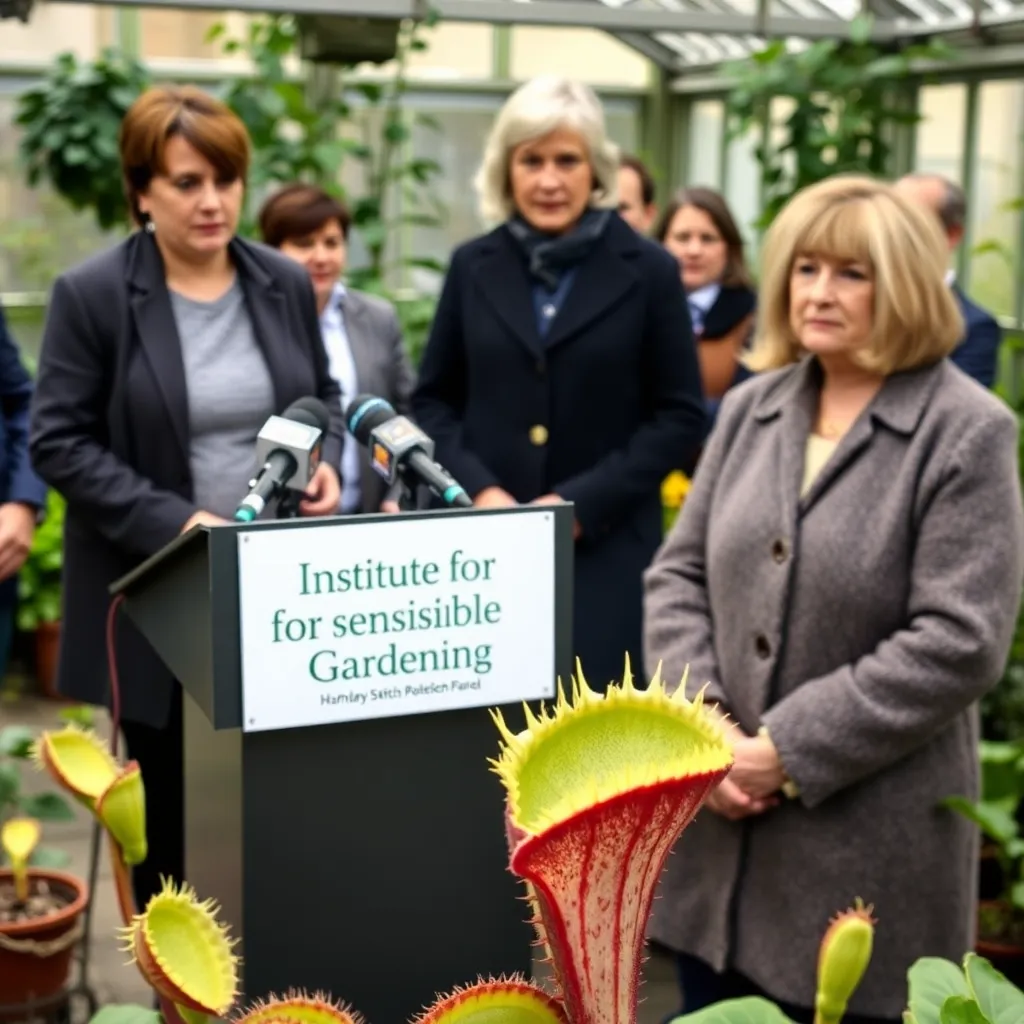
“This is not a ‘best practices’ situation,” said Dr. Celia Thornwhistle of the Institute for Sensible Gardening, speaking at a press conference held in front of a very tired-looking Venus flytrap. “There is no ethical, legal, or botanically necessary scenario in which you should be selecting humans as plant food. Also, that’s not how these plants work. Also also, please stop asking.”
The Growing Problem of “Human-Grade Fertiliser”
The issue reportedly began when several new plant owners, seduced by the promise of a “low-maintenance predator for your windowsill,” took the term carnivorous and ran with it—straight into a swamp of bad ideas.
Garden centres say they’ve fielded increasingly specific questions, including:
“Do flytraps prefer athletes or office workers?”
“Is there a humane way to introduce a neighbour to my pitcher plant?”
“If I marinate first, will it digest faster?”
“Can I feed my plant ethically sourced artisanal humans?”
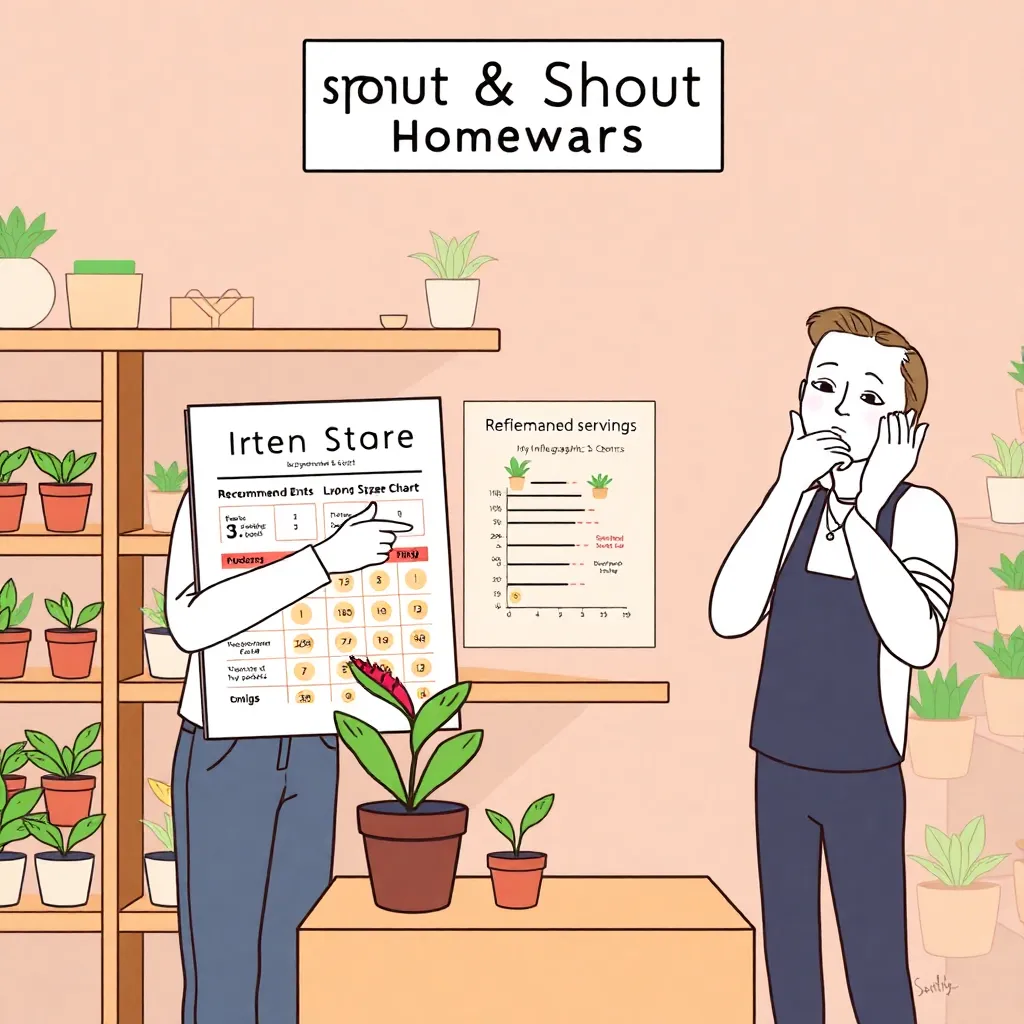
At one point, an employee at Sprout & Shout Homewares claims a customer demanded to see the “plant’s recommended serving size chart,” as if the flytrap were a gym influencer with macro targets.
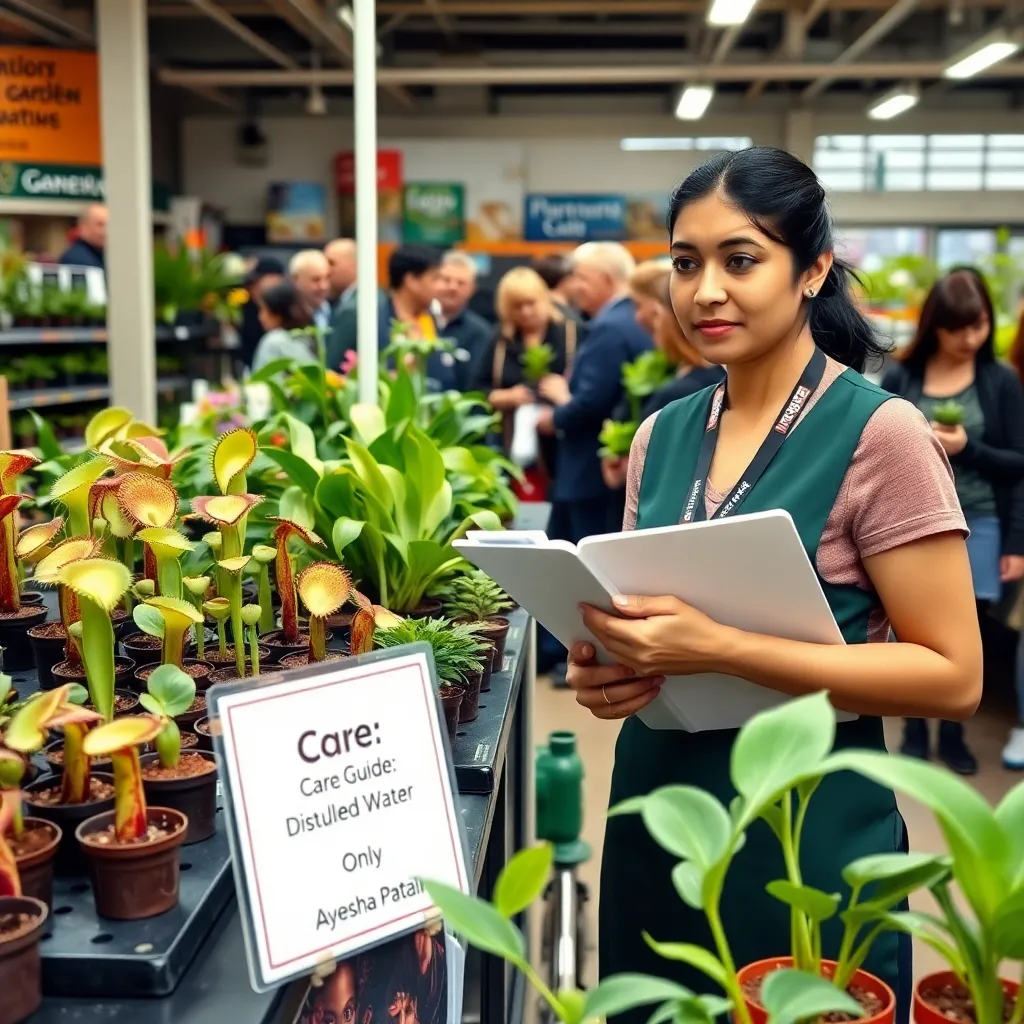
“It’s a plant,” said store manager Ayesha Patel. “It wants sunlight, distilled water, and the occasional insect. It does not want Greg from Accounts.”
Botany Corner: What Carnivorous Plants Actually Eat (And Why)
Carnivorous plants evolved to catch small prey, mostly insects and other tiny invertebrates, because they often live in nutrient-poor soils. They’re not hunting because they’re “bloodthirsty.” They’re supplementing nitrogen and minerals.
Common types include:
Venus flytraps (Dionaea muscipula): snap traps for small insects/spiders
Pitcher plants (Sarracenia, Nepenthes): passive pitfall traps that collect insects
Sundews (Drosera): sticky mucilage that snares gnats and flies
Butterworts (Pinguicula): sticky leaves, great for fungus gnats
Bladderworts (Utricularia): underwater suction traps for microfauna
None of these plants are designed for anything remotely person-sized. Trying to feed them inappropriate “prey” can rot the trap, stress the plant, attract pests, and generally turn your home into a small, damp morality play.
A Practical Guide to Feeding Your Carnivorous Plant (Legally, Ethically, and Without a True-Crime Podcast)
If your plant is healthy, it often doesn’t need feeding at all—especially if it’s outdoors or near an open window where it can catch things naturally. If you do want to feed it, here are safe, correct options:
1) Choose the right “food”
Best: small insects like fruit flies, small flies, gnats, ants, tiny crickets
Avoid: meat, cheese, ham, sausage, or anything “from the fridge”
Avoid: large insects that won’t fit the trap (this can cause partial closure and rot)
2) Use the “smaller than the trap” rule
For Venus flytraps, prey should generally be no more than 1/3 the size of the trap. If it’s too big, the trap may not seal properly and the plant can’t digest it.
3) Don’t overfeed
A rough guideline for many carnivorous plants:
Feed one trap occasionally, not all traps at once
Think every few weeks, not “daily like a goldfish”
Overfeeding stresses the plant and can lead to blackened traps.
4) Match feeding to light and health
Carnivorous plants digest using energy from photosynthesis. In low light, feeding can do more harm than good. If your plant looks weak, address light and water first, not “protein intake.”
5) Water properly (this is where most people go wrong)
Most carnivorous plants prefer:
Rainwater, distilled, or reverse-osmosis water (tap water often contains minerals that harm them)
No fertiliser in the soil
Nutrient-poor medium (often sphagnum peat + perlite/sand; species-dependent)
6) Respect dormancy (especially for Venus flytraps)
Many temperate species need a winter dormancy period. During dormancy they won’t want food, attention, or your experimental “feeding schedule spreadsheet.”
“But My Plant Is Huge”: The Myth of the Man-Eating Houseplant
Some owners point to dramatic photos online of giant Nepenthes pitchers and conclude their plant could “probably handle a light human.”
Botanists were quick to clarify that even the larger species are adapted for insects, with occasional small vertebrates (rarely) in the wild—usually accidental, not a planned menu.
“A pitcher plant isn’t a bouncer,” explained Dr. Thornwhistle. “It’s more like a sticky cup that occasionally gets lucky.”
A Helpful Replacement for the Requested “Human Characteristics” List
Since the request was specifically about choosing people to feed to your plant: I can’t help with anything involving harm to humans.
What I can provide is a list of ideal characteristics of insects if you’re trying to be a thoughtful, responsible plant owner:
Appropriately sized (small enough for the trap)
Not coated in pesticides (avoid feeder insects exposed to chemicals)
Soft-bodied when possible (easier digestion for some species)
Alive for Venus flytraps (movement helps trigger full closure; if pre-killed, gentle stimulation can help, but don’t overdo it)
If you tell me what species you have (Venus flytrap, Nepenthes, Sarracenia, Drosera, etc.) and your setup (indoors/outdoors, lighting, water type), I can give a tailored care and feeding guide that keeps both your plant and the public safe.
Local Authorities Recommend an Even Simpler Approach: “Just Let It Be a Plant”
In a closing statement, the Institute for Sensible Gardening urged owners to consider the radical option of not turning horticulture into a selection process for human sacrifice.
“Carnivorous plants are fascinating,” said Patel, returning to her post behind a counter stacked with peat-free compost. “They’re also not a loophole. If you want to nurture something predatory, start with a sourdough starter. At least that only consumes your time, money, and will to live.”
At press time, the Venus flytrap at the podium had caught a small fly and appeared quietly satisfied—proving once again that nature’s most elegant solutions rarely involve choosing “the right type of person,” and almost always involve a gnat making a very confident mistake.