Chrome’s Sneaky New “Punishment” for Ad‑Blocker Users: Now With Added Sighing, Mystery Lag, and a Pop‑Up That Knows Your Name
MOUNTAIN VIEW, CA — In what experts are calling “the most passive‑aggressive product decision since the invention of the ‘Are you still watching?’ prompt,” Google Chrome has reportedly begun rolling out a subtle new “punishment” system for users who dare to install ad blockers—an innovative suite of micro‑inconveniences designed to make the open web feel like a haunted house built entirely out of loading spinners.
The initiative, internally codenamed Project: We’re Not Mad, Just Disappointed, allegedly introduces a variety of “non‑punitive behavioral nudges” that only seem to occur on machines where a user has taken the extremist step of expressing a preference about what enters their eyeballs.
Chrome spokespeople insist there is no punishment at all—just “a series of user experience recalibrations” that coincidentally start the moment you block the 14 autoplay videos that now accompany a recipe for boiled eggs.
A Bold New Era of Consequences, But Like… Soft Ones
According to early reports, Chrome’s approach is not to openly say “Stop blocking ads,” because that would be obvious and gauche. Instead, the browser reportedly opts for something more modern: ambient retaliation.
Users have described a strange bouquet of symptoms, including:
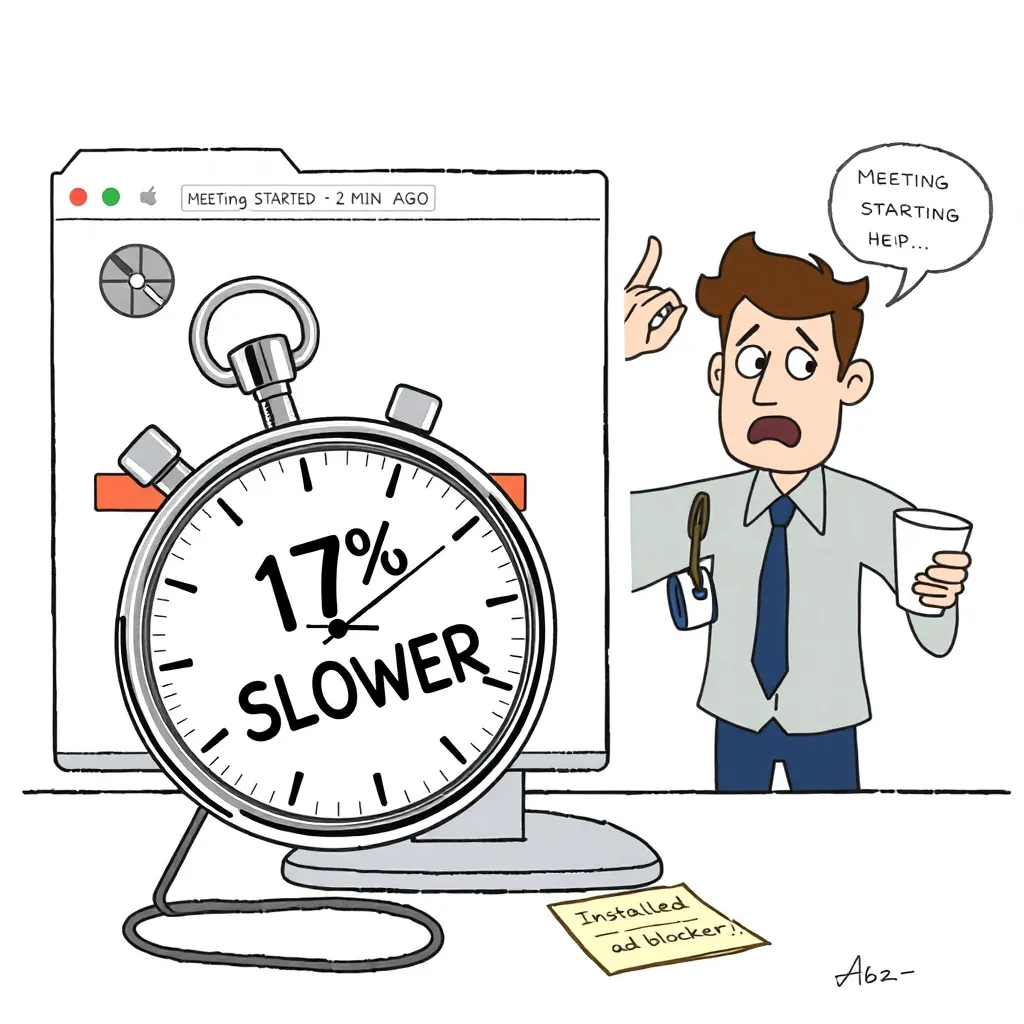
Web pages loading exactly 17% slower, but only when you’re in a hurry
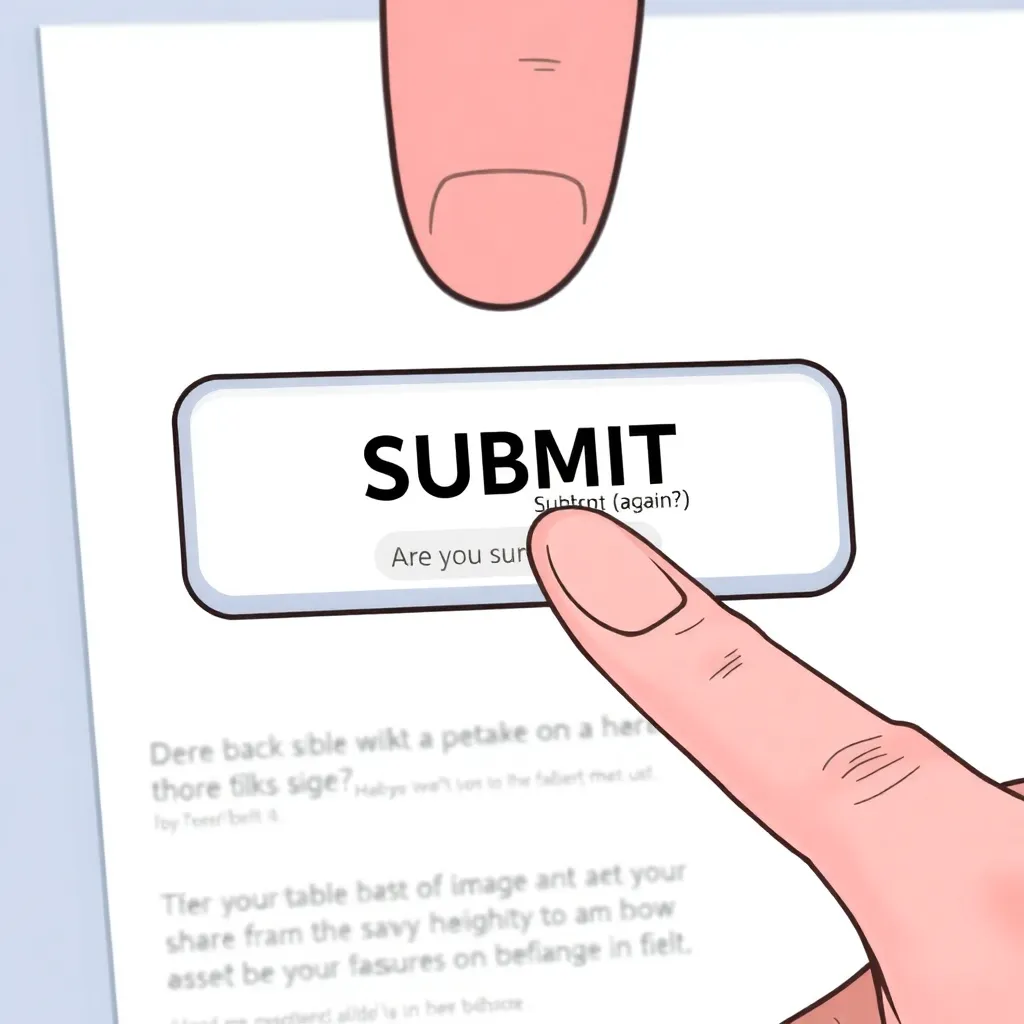
Buttons that require a second click “just to be sure”
A sudden preference for refreshing tabs at the precise moment you’re typing a long form
Search results that feel slightly more like suggestions from a tired relative than answers
A new “feature” where the browser whispers, inaudibly, “Interesting choice,” every time you open Developer Tools
One Chrome user, speaking on condition of anonymity due to fear of being “re‑personalized,” said:
“It’s subtle. Like… I’ll open a news site and everything’s fine, but then the page shifts half an inch just as I’m clicking. It’s like the browser is doing that thing where it moves the mug you’re reaching for, but in software.”
Introducing: “Ad Integrity”—A Term That Definitely Exists Now
Industry insiders say Chrome is also experimenting with something called Ad Integrity, described in leaked documents as “the spiritual opposite of ad blocking,” and in other leaked documents as “a vibe.”
Ad Integrity purportedly ensures that ads arrive on time, render at full volume, and feel emotionally supported in their journey from “tracking pixel” to “your toddler’s iPad.”
Critics argue that the term “Ad Integrity” is misleading, since ads already have integrity in the way a raccoon has integrity: they are relentless, opportunistic, and will absolutely climb through a window if left unattended.
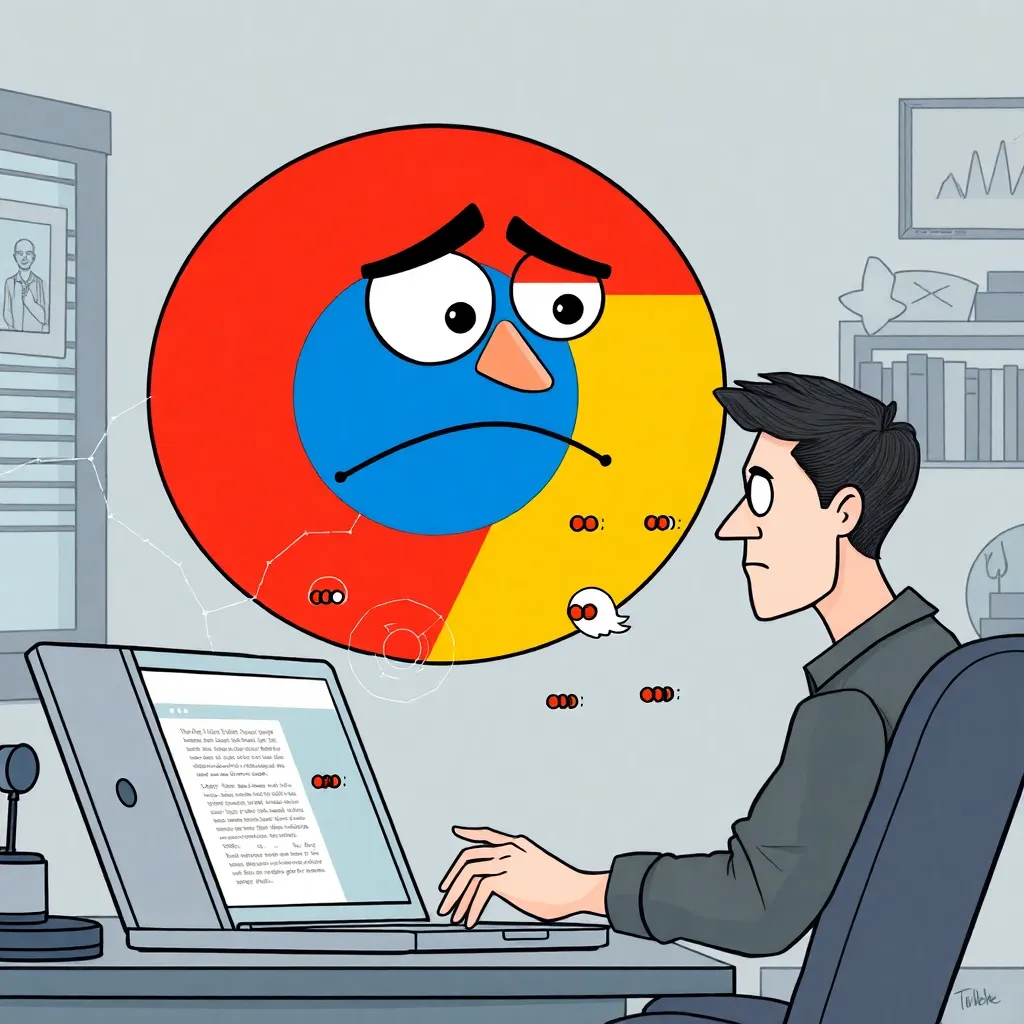
Google, however, maintains that Ad Integrity is simply about keeping the web “healthy.”
“Ads are the backbone of the free internet,” a Chrome representative explained, standing in front of a slide titled The Internet Is Free (Terms Apply). “Without them, how would anyone know they urgently need a new mattress, an app that turns photos into cartoons, or to refinance their home approximately nine minutes after purchasing it?”
Punishment Features Reportedly Include “Concerned Parental” Mode
Several users have claimed that Chrome’s new behavior feels less like punishment and more like being gently shamed by a polite but unyielding authority figure.
Examples include:
1) The “Are You Sure You Want to Browse Like This?” Loading Screen
When visiting a site known to serve ads, Chrome may display a brief pause—just long enough for self‑reflection—during which the tab appears to consider its life choices.
2) The “Accidental” Sign‑Out
Users report being mysteriously signed out of services at random, particularly right after thinking, “Wow, ad blocking is so much nicer.”
The sign‑in screen, they say, now feels smug.
3) The “Helpful” Suggestions
Chrome may offer search autocompletes such as:
“why is my browser slow”
“how to whitelist websites”
“is it illegal to dislike ads”
“how to apologize to a corporation”
4) The New Pop‑Up That’s Not Technically a Pop‑Up
Instead of a pop‑up, Chrome displays a “non‑interruptive modal overlay” (which is what pop‑ups are called when they win).
It politely states:
“We notice you’re blocking ads. Would you like to stop being like this?”
The “No” button is present, but slightly lighter in color and positioned in an area of the screen commonly associated with regret.
Chrome Denies Everything While Also Explaining Why It’s Good
Google has denied the claims in the traditional manner: by stating that nothing is happening, while also describing the benefits of the thing that isn’t happening.
“Chrome is focused on privacy, performance, and supporting content creators,” the company said, in a statement delivered via a banner ad that followed reporters across the internet for three days.
When asked why performance issues appeared correlated with ad blocker use, Google clarified:
“Some extensions may interfere with page functionality. Ads are page functionality.”
This explanation has been praised by linguists for its elegant use of circular reasoning, a rhetorical technique often seen in nature documentaries about snakes consuming their own tails.
Content Creators React: “We Need Ads,” Says Man Holding 19 Trackers
Website owners and publishers, many of whom have recently diversified their income streams by adding pop‑ups that demand your email, your location, and the name of your first pet, expressed mixed feelings.
“We understand users don’t love ads,” said one media executive, speaking from inside a pop‑up that blocked the article itself. “But quality journalism is expensive. Without ads, how could we afford the twelve scripts that load before the headline appears?”
He added that users are “free to choose,” noting that the “Reject All” cookie button has been relocated to a maze.
Ad Blocker Users Respond with a Familiar Strategy: Becoming Even More Stubborn
In response, ad blocker users have begun taking increasingly elaborate countermeasures, including:
Installing “anti‑anti‑adblock” blockers
Switching to alternative browsers out of spite and moral clarity
Reading fewer websites and more text files, like it’s 1997 and everyone is happier
Developing new hobbies, such as staring into the middle distance and remembering what it felt like to click an article without being asked to “Accept Our Partners”
One user said they didn’t mind ads in principle, just the modern species of ad that behaves like an octopus.
“I can handle a banner,” they explained. “I cannot handle a full‑screen video ad that begins with a siren and ends with me accidentally subscribing to a newsletter called ‘Crypto Confidence Weekly.’”
Chrome’s Long‑Term Vision: The Ad Blocker Re‑Education Funnel
Sources claim Chrome’s ultimate goal is not to eliminate ad blockers entirely, but to guide users toward a healthier relationship with advertising—one in which ads are not seen as “intrusions,” but as “the little stories your computer tells you about capitalism.”
A rumored upcoming update may include:
Adblocker Compatibility Mode: Where the browser still shows ads, but puts a tiny hat on them so they feel like content
Mandatory Ad Appreciation Moment: A two‑second silence after every fifth webpage to honor the sponsors
The “Creator Support” Button: Clicking it directly transfers money from your account to a corporation, saving you time
Chrome Premium: A paid tier where you can browse without ads, but only ads for Chrome Premium
When asked if Chrome might simply offer an ad‑free subscription model for the web, Google representatives reportedly stared into the distance, as if gazing upon an ancient prophecy they are not allowed to speak aloud.
What Users Can Do (Besides Scream Quietly)
Experts recommend the following steps for users who suspect Chrome is “punishing” them:
Check extension performance (and your sanity)
Use a browser that doesn’t take your preferences personally
Support creators directly when possible, ideally without needing to accept 400 marketing partners in exchange
Remember: if a website demands you disable your ad blocker to read a sentence that begins “You won’t believe—” you absolutely can believe it
Meanwhile, Google encourages users to “keep the web open,” which it defines as a vibrant ecosystem where information is free, privacy is optional, and your screen real estate is a community resource.
At press time, Chrome’s newest version was reportedly being tested with an experimental feature that detects ad blockers and responds by slightly rotating every webpage by 0.7 degrees—just enough to make users feel like something is wrong, but not enough to be sure it’s the browser.
Google denies this, of course.
But your eyes feel tired, don’t they?