GrapheneOS Announces Partnership With Motorola, Immediately Forcing Banking Apps To Learn What “Security” Means
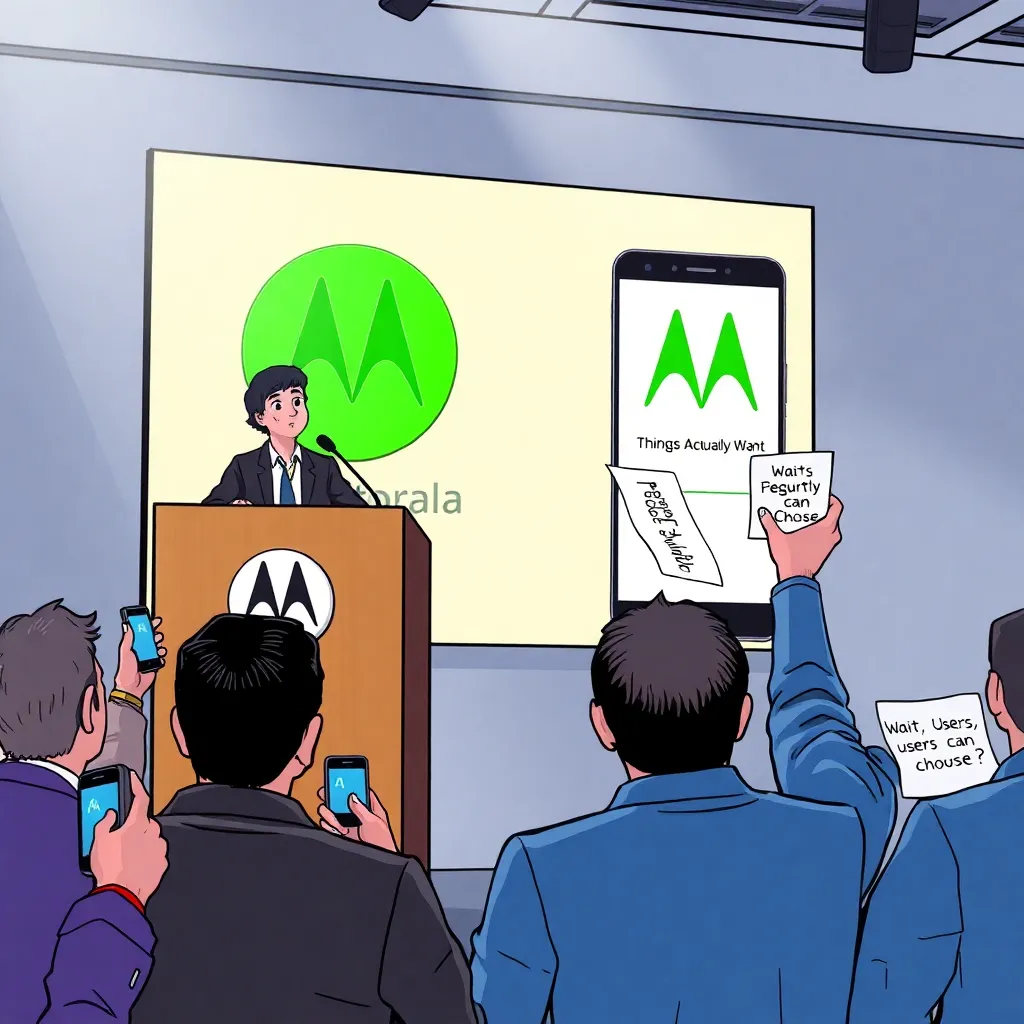
In a move that experts are calling “either the end of the smartphone industry as we know it or a clerical error that accidentally shipped privacy,” GrapheneOS developers have announced an official partnership with Motorola—meaning future Motorola devices will arrive with first-class, manufacturer-blessed GrapheneOS support.
Within minutes of the news breaking, a shockwave rippled through the global app ecosystem, causing several banking executives to temporarily lose the ability to say the sentence: “We don’t support unofficial operating systems,” a phrase previously used to end conversations, lawsuits, and occasionally friendships.
For years, privacy enthusiasts have described GrapheneOS as a “degoogled” operating system—an Android-based platform designed to reduce dependence on Google services and to provide hardened security features. For years, app developers have described it as “that thing we can pretend doesn’t exist,” often while their own apps crashed because a push notification arrived on a Tuesday.
That era may now be over.
Motorola Confirms: “Yes, You May Now Own Your Phone”
Motorola, historically famous for both iconic devices and the enduring corporate ability to vanish for a few years and return with a “New! Now with 12 cameras!” model, confirmed that new devices will include official support for GrapheneOS.
The announcement has been framed as a win for consumer choice, a win for privacy, and an enormous loss for the cottage industry of forum replies that begin with: “Well, technically, you shouldn’t expect—”
A Motorola spokesperson, reading carefully from a sheet of paper clearly written by someone who has ever opened a settings menu, said the company was “excited to support a security-focused OS that empowers users.”
The spokesperson then paused, as if waiting for lightning to strike, before adding: “Without requiring them to sign their souls to an advertising identifier.”
Banking Apps Reportedly “Forced” To Stop Pretending They Can’t
The biggest immediate consequence may be the sudden, panicked awakening of banking app developers worldwide.
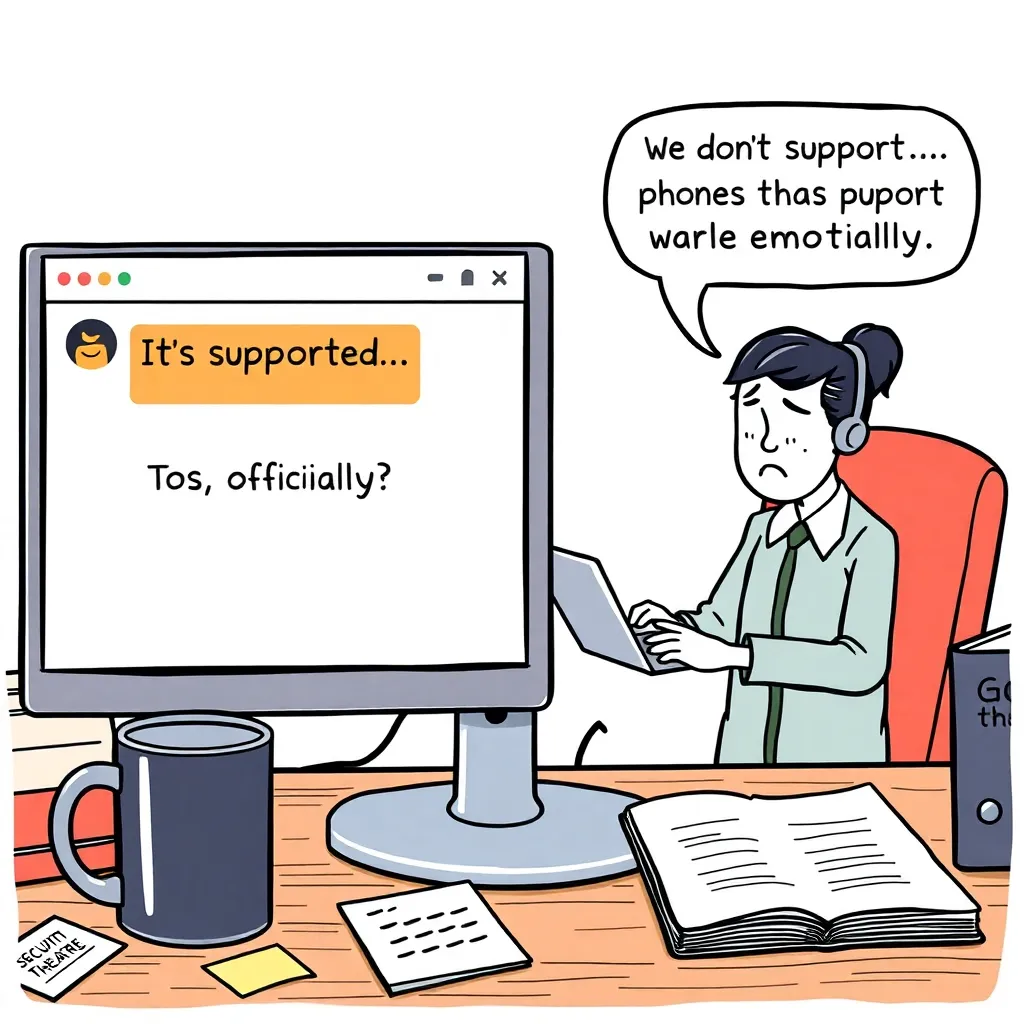
Until now, many financial apps have relied on an elegant strategy: if an app didn’t work on a hardened, privacy-respecting OS, the institution could simply say the user was “running an unofficial operating system,” thereby transforming a software compatibility issue into a personal moral failing.
But with an official, manufacturer-supported GrapheneOS on mainstream devices, that defense is expected to weaken.
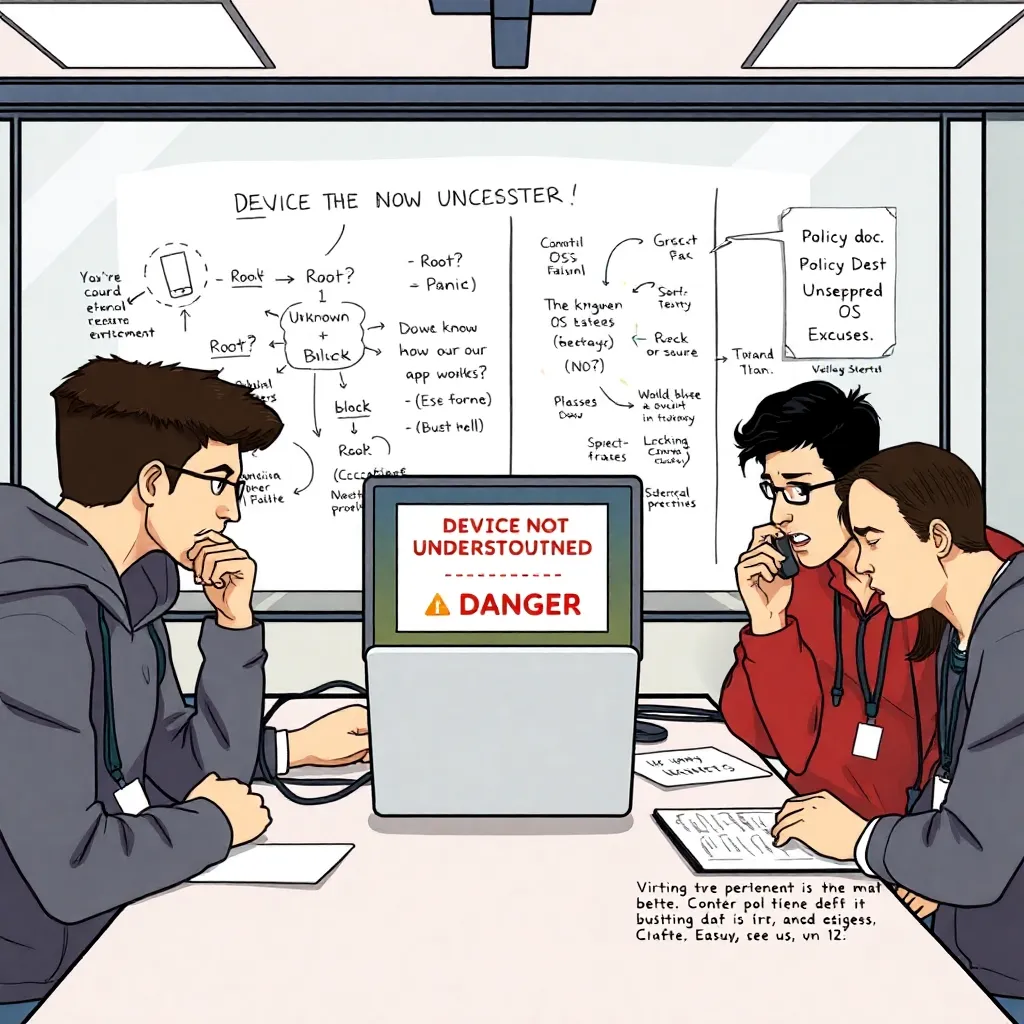
One senior engineer at a major bank—speaking anonymously from inside what sounded like a locked conference room—summed up the industry’s mood:
“We built the app to detect anything we don’t understand and label it ‘danger.’ Unfortunately, we don’t understand our own app.”
Sources say several banks are already drafting new policy language to replace the classic line. Proposed alternatives include:
“We don’t support phones that don’t support us emotionally.”
“This app requires the presence of at least three trackers to feel safe.”
“For your protection, we only run on platforms with a proven history of data monetisation.”
Regulators, meanwhile, are reportedly thrilled to learn there is a difference between “security” and “security theatre,” though some admitted they had previously assumed the two were “just different spellings.”
Tech Commentators Scramble To Update Their Hot Takes
Online commentators—many of whom earn a living by explaining why nothing will ever change—have been seen hastily editing previously scheduled posts titled:
“GrapheneOS Is Niche And Always Will Be”
“Users Don’t Want Privacy, They Want Stickers”
“Security Means Using Whatever Your Bank Likes Best”
Within hours, those drafts were replaced with new thought-leadership pieces such as:
“Why I Always Supported De-Googling (Thread)”
“Actually, I’ve Been Concerned About Tracking Since 2009”
“The Real Privacy Risk Is People Feeling Confident”
One prominent analyst described the partnership as “a watershed moment,” before clarifying that he meant “a moment where many people will now discover how many apps are held together with string, hope, and a third-party analytics SDK.”
Backdoor Anxiety Reaches Its Traditional, Comforting Peak
No major tech news is complete without a healthy dose of geopolitical dread, and this announcement delivered on schedule.
Some users expressed concern that Motorola, an American company, is owned by Lenovo, a Chinese company, which is, in the logic of the internet, the same thing as saying “your phone is now a listening device that reports your thoughts directly to several capitals and possibly a beverage company.”
Forums immediately filled with earnest threads titled:
“Can Lenovo backdoor my baseband if I look at a PDF?”
“Is my flashlight app sending Morse code to satellites?”
“Is it safer to go back to carrier bloatware and pray?”
However, supporters of the partnership argue the backdoor panic doesn’t add up—at least not in the simplistic “Hollywood USB stick” way it’s often imagined.
Firstly, they say, GrapheneOS developers are famously allergic to security compromises, and would be unlikely to partner with hardware that allowed straightforward firmware skulduggery without detection. Secondly, if a hardware or firmware backdoor were discovered after an official partnership, it would represent a public relations catastrophe so large that it would achieve escape velocity and become visible from space.
A privacy advocate put it succinctly:
“If you think a global company would risk the most humiliating PR disaster imaginable just to siphon off your calendar reminders, you may be overestimating how interesting your life is.”
The advocate then admitted they still cover their laptop camera, “but that’s more of a lifestyle choice now.”
Google Responds By Quietly Offering “Privacy” For $12.99 A Month
Google, reached for comment, reportedly responded by releasing a new feature called Enhanced Private Privacy Shield Pro Max, which allows users to reduce tracking “up to 2%” provided they agree to share “anonymous, personal, identifiable aggregate non-identifying data.”
The feature is expected to roll out gradually, starting with users who least want it.
Sources inside Google say the company is “not worried,” because Android remains open, and because it still controls a vast ecosystem of services. They also noted that users who degoogle often return “the moment they need to open a restaurant menu that’s a PDF hosted on a cloud platform inside another cloud platform.”
Still, the Motorola partnership represents something Google has historically found irritating: proof that people can want Android without wanting Google-shaped Android.
Consumers Celebrate The Arrival Of “Real Phones,” Immediately Argue About What That Means
Privacy-focused users have welcomed the news as a chance to “buy real phones” again—devices that, in their view, serve primarily as communication tools rather than as pocket-sized behavioural analysis engines.
Naturally, this has sparked a secondary debate over what constitutes a “real phone,” with proposed definitions including:
A device that makes calls without asking to access your contacts, location, and “nearby devices” for “reasons”
A phone that doesn’t pre-install seven apps named after weather phenomena that all serve ads
A handset that treats the user as the customer, not the product, not the dataset, and not the “engagement opportunity”
Meanwhile, regular consumers—who have historically accepted tracking because it’s bundled with conveniences like “maps” and “apps that work”—have shown cautious interest, primarily because “official support” makes the whole idea feel less like an experimental hobby and more like a legitimate choice.
In other words: if it comes with a warranty and doesn’t require a 40-minute tutorial narrated by someone breathing heavily into a headset mic, people may actually try it.
The Future: More Secure Devices, Fewer Excuses, Same Old Password Habits
Whether this partnership triggers a broader shift remains to be seen. But by pairing a privacy-hardened OS with official manufacturer support, the announcement places pressure on the weakest link in the chain: the industry habit of blaming users for problems created by developer laziness.
If banking apps truly are “forced” to support GrapheneOS in earnest, it may mark the beginning of a new era where security is not merely a pop-up warning that says “This device may be compromised” whenever the user dares to deviate from the one blessed configuration.

Of course, some realities will remain unchanged. People will still reuse passwords. They will still click links that begin with “URGENT.” And someone, somewhere, will still insist that the most secure phone is a flip phone—right before asking their grandchild how to print a screenshot.
But for now, privacy enthusiasts are enjoying a rare moment of optimism: the idea that a mainstream device might ship with official support for an operating system designed to protect users rather than monetise them.
And if that doesn’t qualify as satire, nothing does.