Filed Report
Home Office Issues Guidance as ‘Pillow People’ Integration Reaches Record Levels
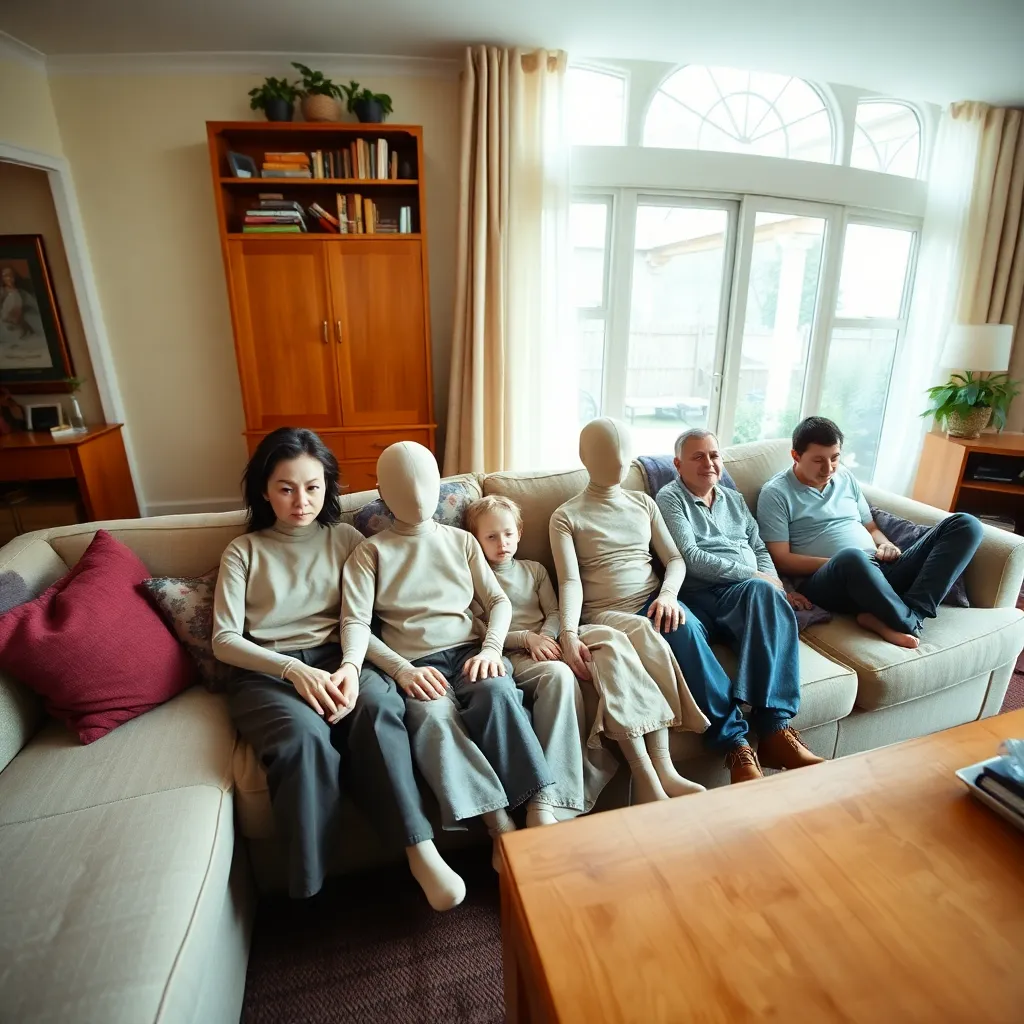
The Department for Housing and Communities has released a 40-page advisory document following a sharp increase in the number of households adopting "Pillow People"—life-sized, anatomically soft furnishings that occupy domestic spaces—as permanent fixtures of the home. What began as a niche trend in ergonomic interior design has evolved into a complex regulatory challenge, as the soft-bodied entities are increasingly treated by homeowners as silent, non-respiring members of the family unit.
A Shift in Domestic Composition
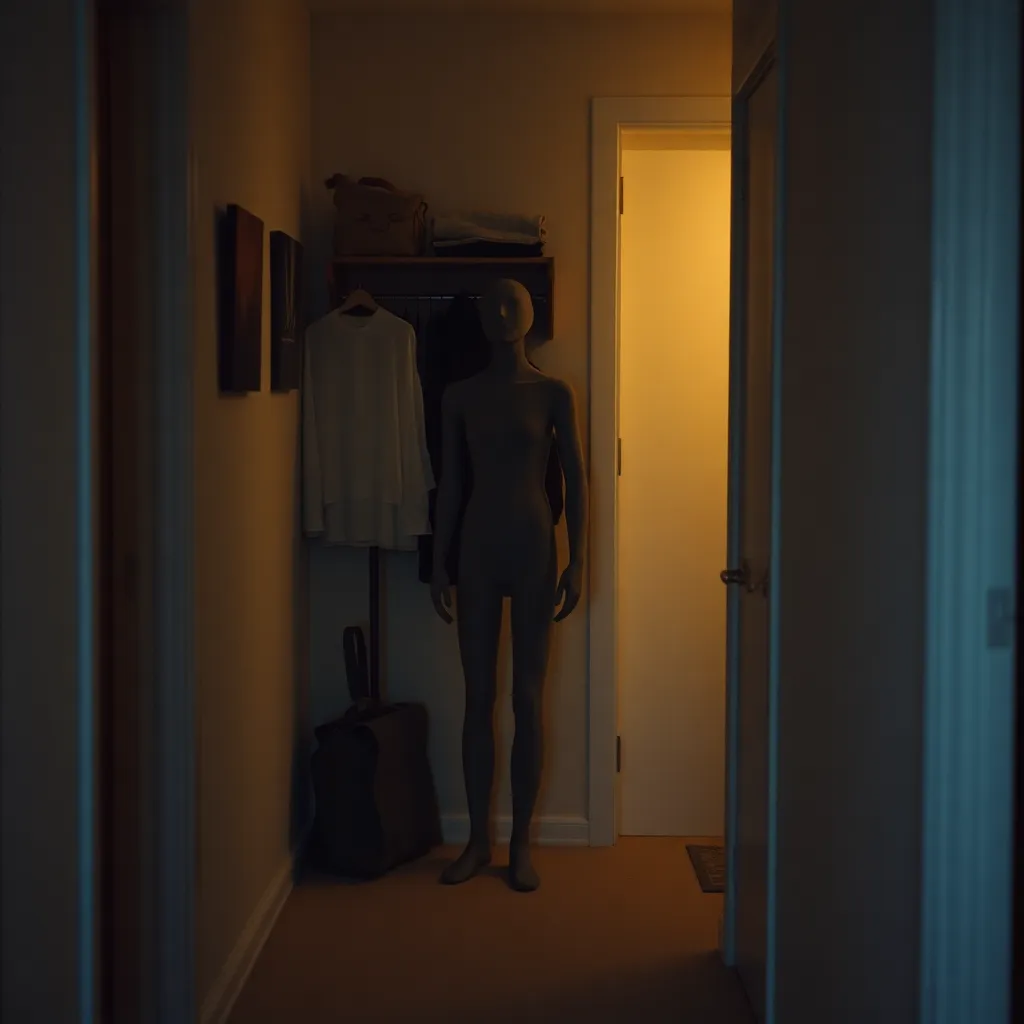
The rise of the Pillow Person (PP) has been attributed to a breakthrough in high-density memory foam and the textile industry’s move toward "empathetic upholstery." Unlike traditional decorative cushions, these figures possess a skeletal structure of flexible PVC, allowing them to be posed in a variety of human-like positions, such as sitting at a dining table, leaning against a hallway radiator, or standing in a darkened corner of a guest bedroom.
According to the National Association of Interior Designers (NAID), the trend has moved beyond mere aesthetics. "We are seeing a transition from furniture as a utility to furniture as a presence," said Marcus Thorne, a senior consultant in domestic spatial theory. "The Pillow Person does not offer lumbar support so much as it offers a static, unblinking companionship that many find stabilizing in an era of rapid social change."
Regulatory and Safety Concerns
The rapid proliferation of these figures has not been without incident. Local councils have reported a 14% increase in "wellness checks" initiated by neighbors who, peering through windows, have mistaken a slumped Pillow Person for a resident in medical distress.
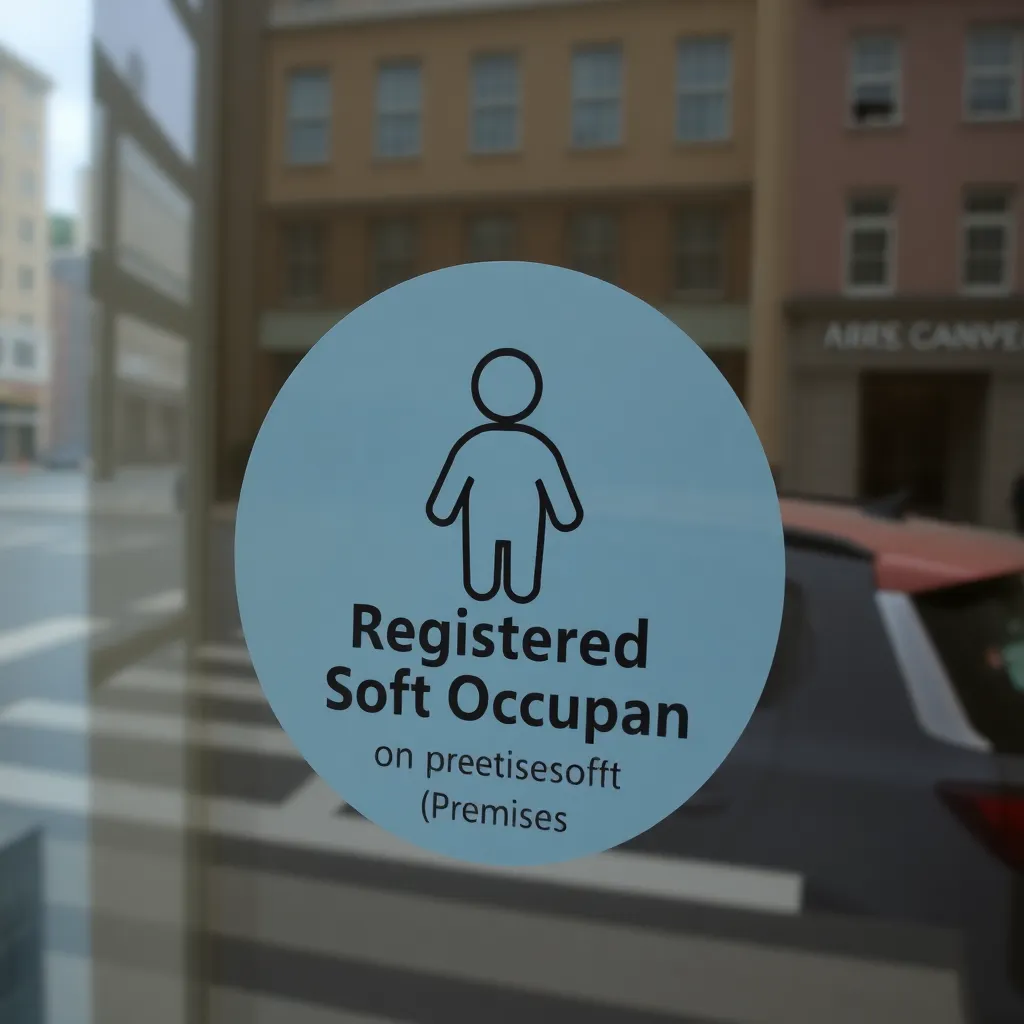
In response, the Home Office has suggested that owners of more than three Pillow People display a small, standardized decal in their front window to alert emergency services. This measure aims to prevent paramedics from attempting to administer CPR to high-grade polyester batting.
"The tactile realism is the primary issue," noted Inspector Sarah Jenkins of the Metropolitan Police. "When you have a six-foot-tall, soft-bodied entity wearing a cardigan and sitting in a darkened study, it creates a specific type of visual ambiguity that our officers are now being trained to identify using thermal imaging."
Economic Impact and the 'Soft Labor' Market
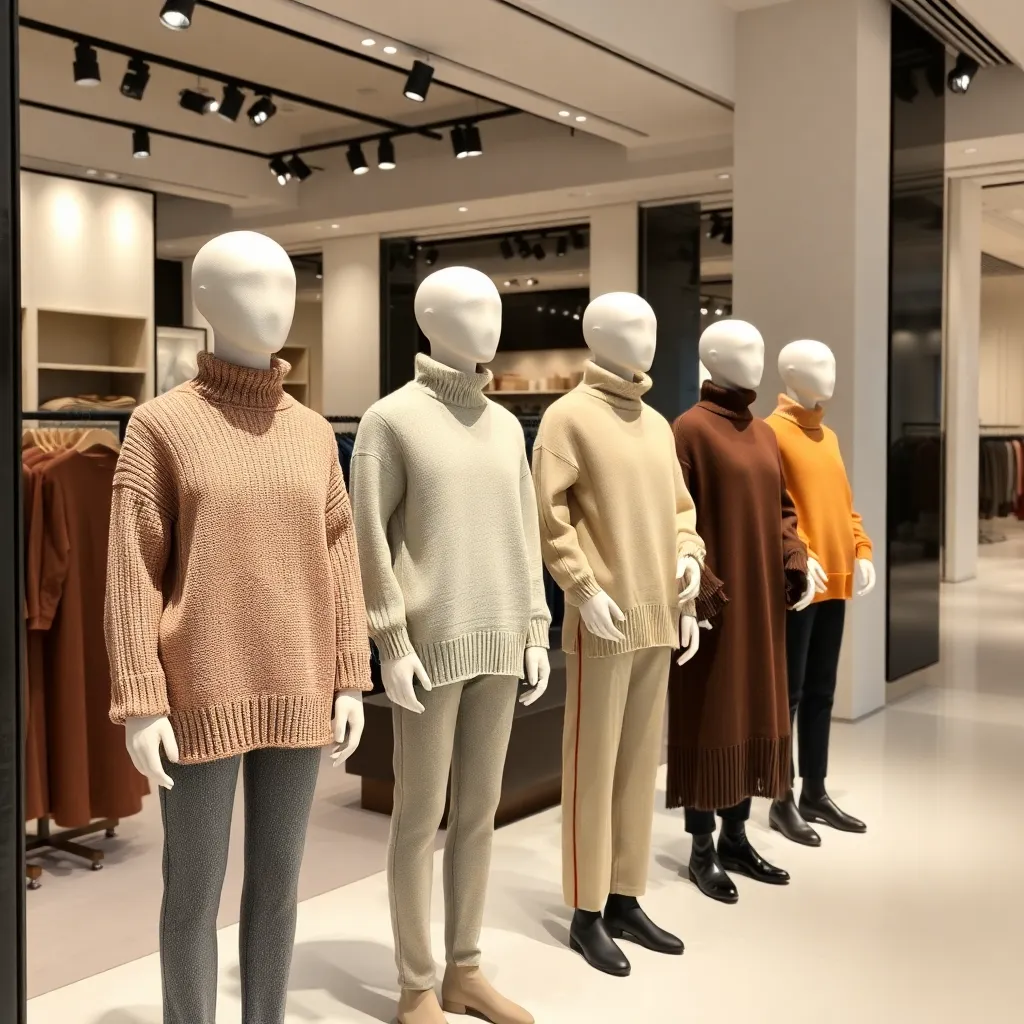
The economic footprint of the Pillow People trend is substantial. Specialized boutiques have emerged offering "wardrobe consultations" for the figures, while some high-end manufacturers have begun incorporating internal heating elements to simulate a resting body temperature of 37 degrees Celsius.
Insurance companies have struggled to categorize the entities. Currently, they occupy a legal gray area between "contents" and "dependents." A spokesperson for the British Insurance Brokers' Association confirmed that several firms are considering a new "Static Occupant" premium for households where Pillow People are moved between rooms on a daily basis, citing the increased risk of trip hazards.
Psychological Integration
Psychologists are monitoring the long-term effects of living with non-reactive, human-shaped objects. Dr. Aris Thorne of the Institute for Domestic Psychology suggests that the "unsettling" nature of the trend is a matter of perspective.
"To the outsider, a house filled with soft, silent figures is a tableau of the uncanny," Dr. Thorne stated. "But for the occupant, the Pillow Person represents a predictable social interaction. They do not argue, they do not age, and they require nothing but an occasional steam clean."
As the trend continues to grow, the British Standards Institution (BSI) is expected to announce new weight requirements for the figures to ensure they do not accidentally trigger smart-home motion sensors or automated floor-cleaning devices. For now, the Pillow People remain a quiet, pervasive presence in the British home, standing by windows and sitting at desks, waiting for the next shift in interior fashion.
Public Response
Comments
No comments yet.