Local Man Creates “Perfect Smartphone,” Immediately Declares All Other Phones Obsolete, Demands Global Apology in USB‑C
I didn’t set out to destroy the smartphone industry.
I mean, I kind of did. But not out of spite—more out of necessity. Because after years of being told I should be grateful for a “Pro Max Ultra Titanium” slab that can’t sustain performance longer than a sneeze and comes preloaded with seventeen uninstall-resistant “partner experiences,” I finally snapped and did what any reasonable person would do:
I built my own perfect phone.
Not a “concept.” Not a “mod.” Not a “DIY curiosity” you show your friends once and then quietly put in a drawer next to your broken dreams and your spare SIM trays.
A real, daily-drivable smartphone that is, in every measurable way, better than every other phone which ever existed—and I say that with the humility of a man who has clearly earned the right to be insufferable.
The Philosophy: If It’s Worth Doing, It’s Worth Doing With Overkill Hardware
Phone companies love pretending they’re constrained by physics, heat, battery life, “thinness,” “the laws of nature,” “the will of the shareholders,” and so on. Meanwhile, I took one look at the average flagship and thought:
What if instead of designing around limitations, I designed around contempt?
So the main feature—my phone’s beating heart, its whole reason to exist—is overkill hardware that other companies didn’t ever try to put into a smartphone, because they are cowards and/or legally bound to disappoint you annually.
The Main Board: A 13-Inch 2‑in‑1, Now in Phone Form (You’re Welcome)
This is where the magic happens.
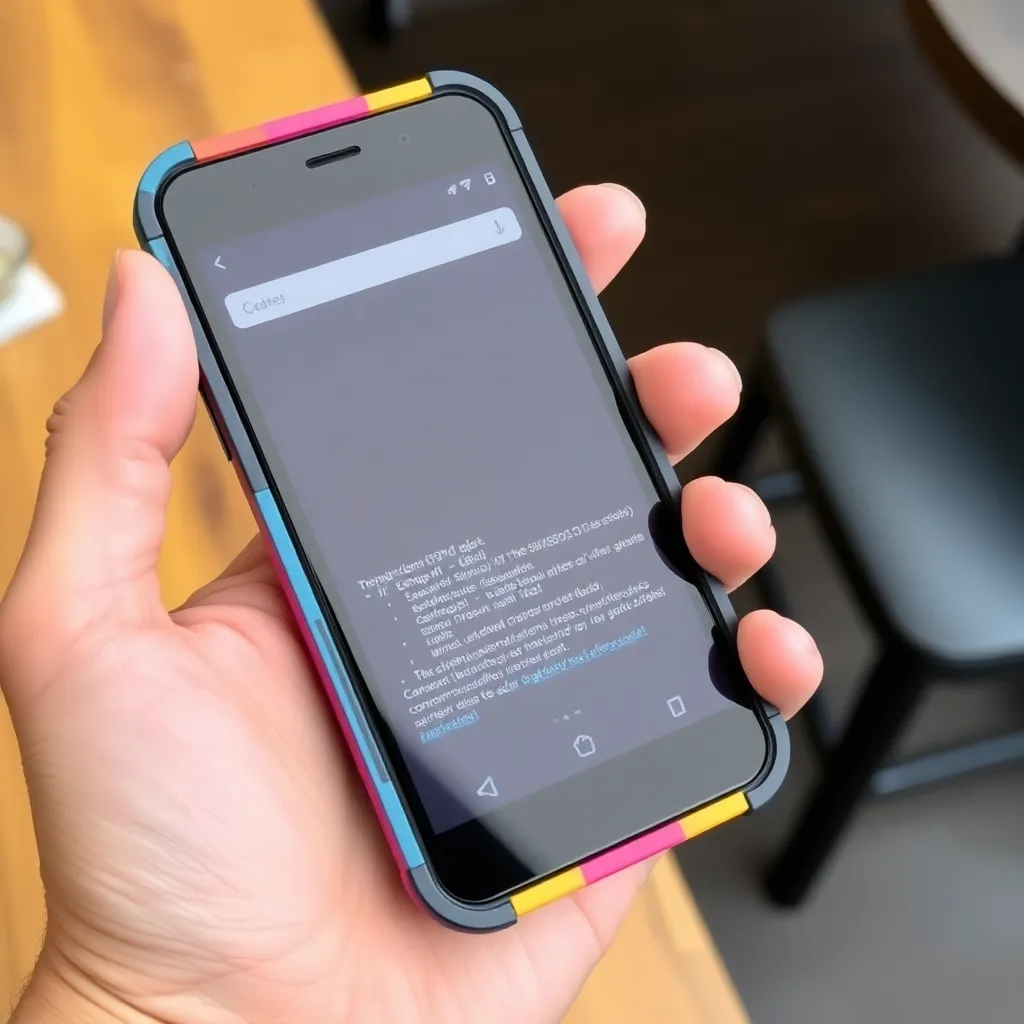
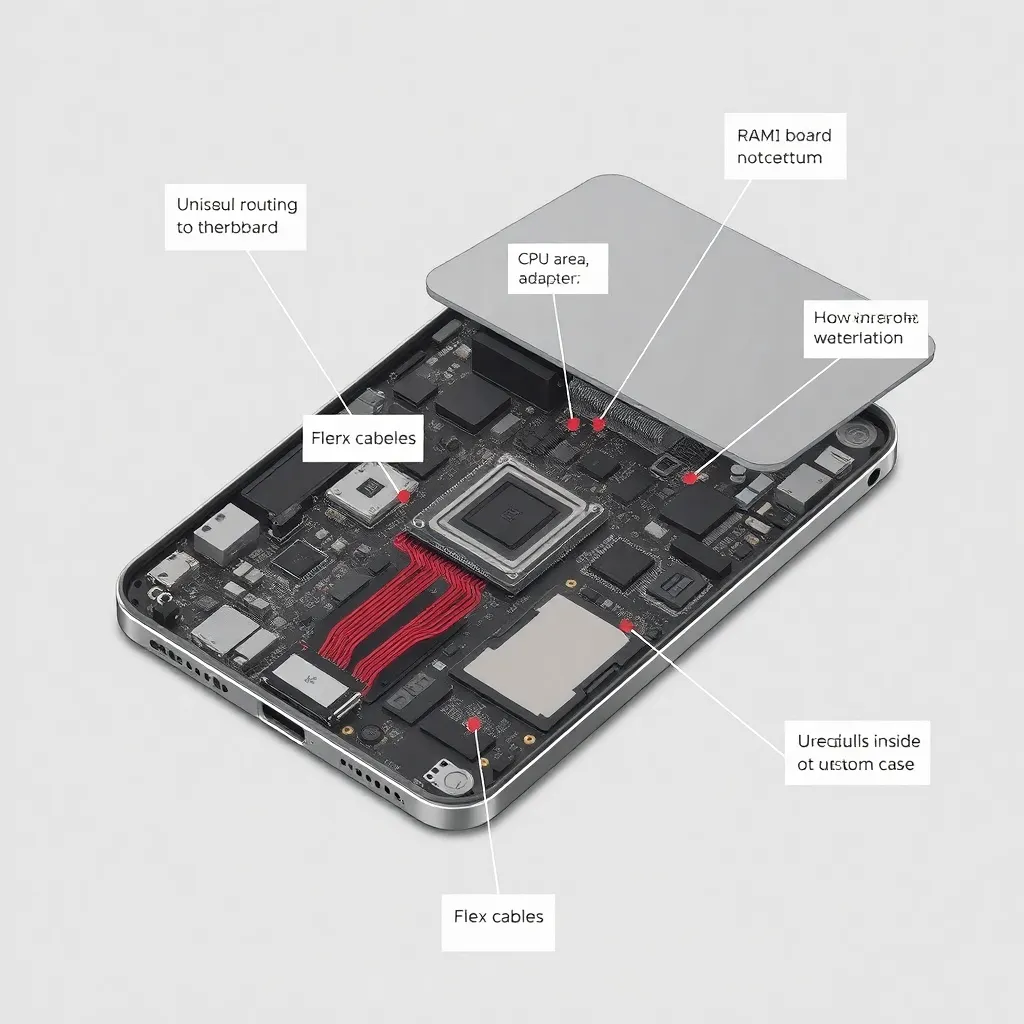
The main board of my phone is taken from a 13-inch 2‑in‑1. Yes, a full computer motherboard, the kind that normally lives inside a machine marketed as “ideal for productivity” and “great for students,” and is mostly used to watch YouTube at 1.75x while the battery panics quietly.
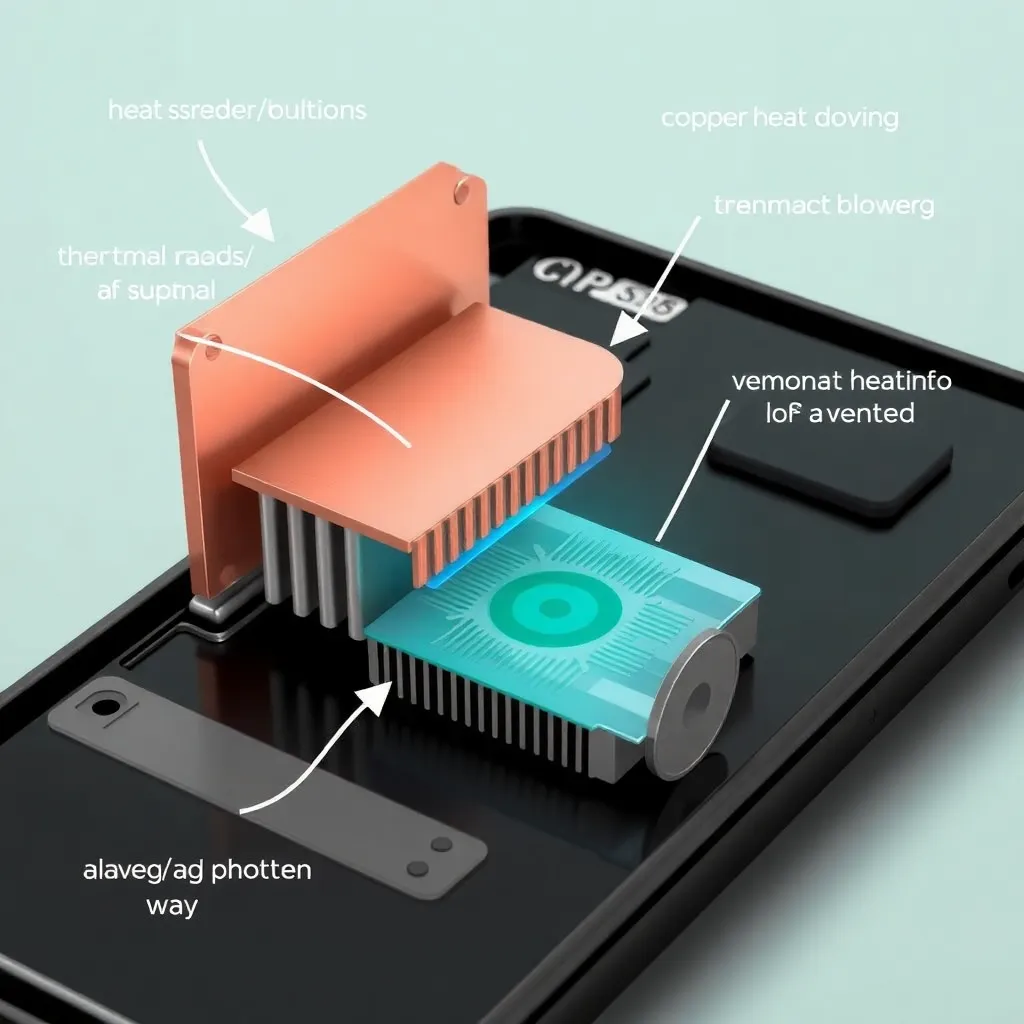
Modern Intel processors are so powerful and very power efficient now, making them usable even in a phone—especially if your definition of “usable” is “runs Linux and can bully other phones in broad daylight.”
And I didn’t even pick some ridiculous top-end silicon. Even the lower-end model I used beats any highest-end mobile SoC in gaming performance. That’s not a boast; that’s just what happens when you stop trying to make a phone chip pretend it’s a desktop and instead put a desktop in your phone and call it a day.
Somewhere, a mobile chip executive just felt a chill and doesn’t know why.
Gaming Performance: A Handheld That Accidentally Makes Calls
Let’s be honest: most phones “run” games the way a tired person “runs” for the bus—technically moving, but spiritually defeated.
Meanwhile, my phone is basically a handheld gaming PC in a phone form factor.
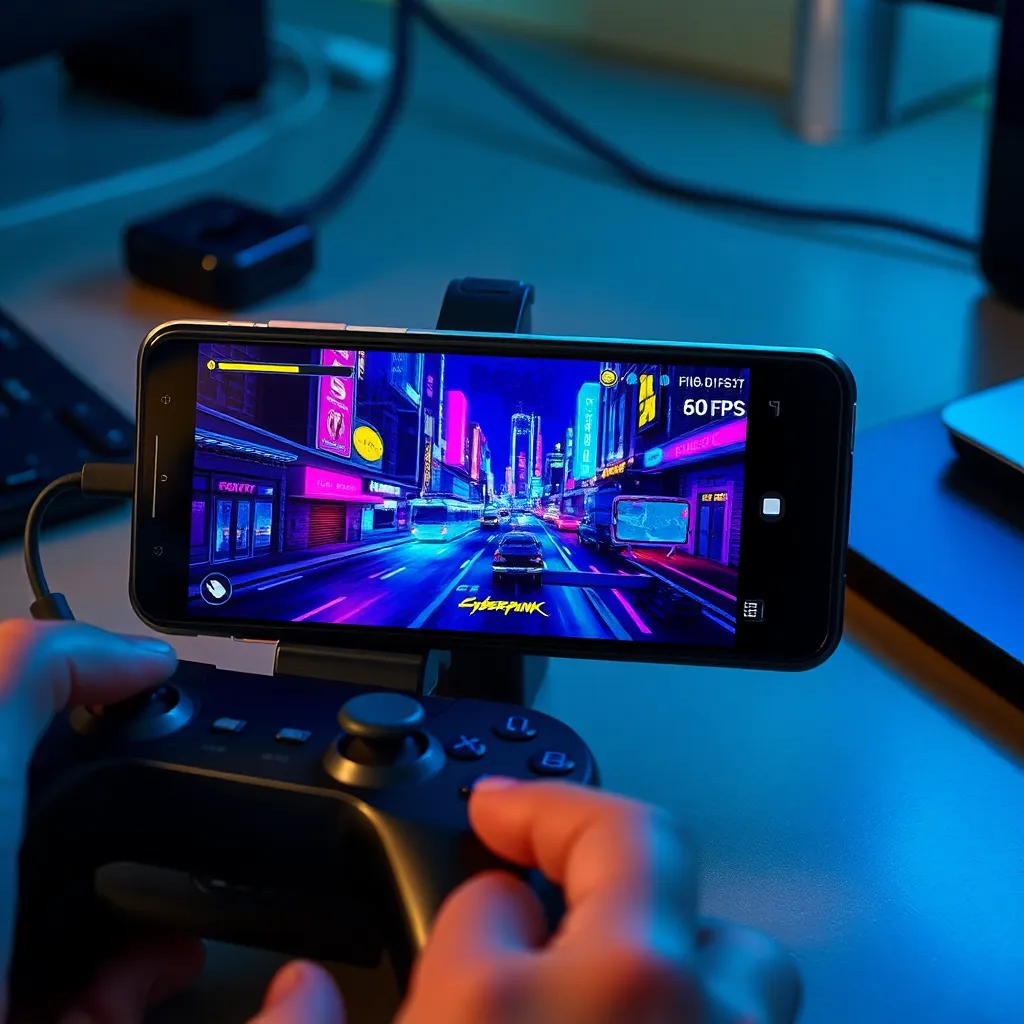
While your phone struggles to open more than 15 tabs in a browser (and starts begging you to close one like it’s rationing oxygen), mine can run Cyberpunk at 1080p 60. On a phone. The only thing holding it back is my own self-control and the fact that society isn’t ready to see someone answering a call mid-gunfight in Night City.
To be clear: it’s not that I’m against mobile gaming. I’m against mobile gaming being an elaborate performance where the phone pretends it can handle it and you pretend you’re not watching frame drops like a hawk.
This ends now.
Cameras: Samsung Repair Parts That Just… Work (Against All Known Laws)
Now, I expected the cameras to be the painful part.
Because in DIY land, cameras are where joy goes to die. Cameras are where projects go from “neat” to “I have been reverse engineering drivers for three months and now I speak only in hexadecimal.”
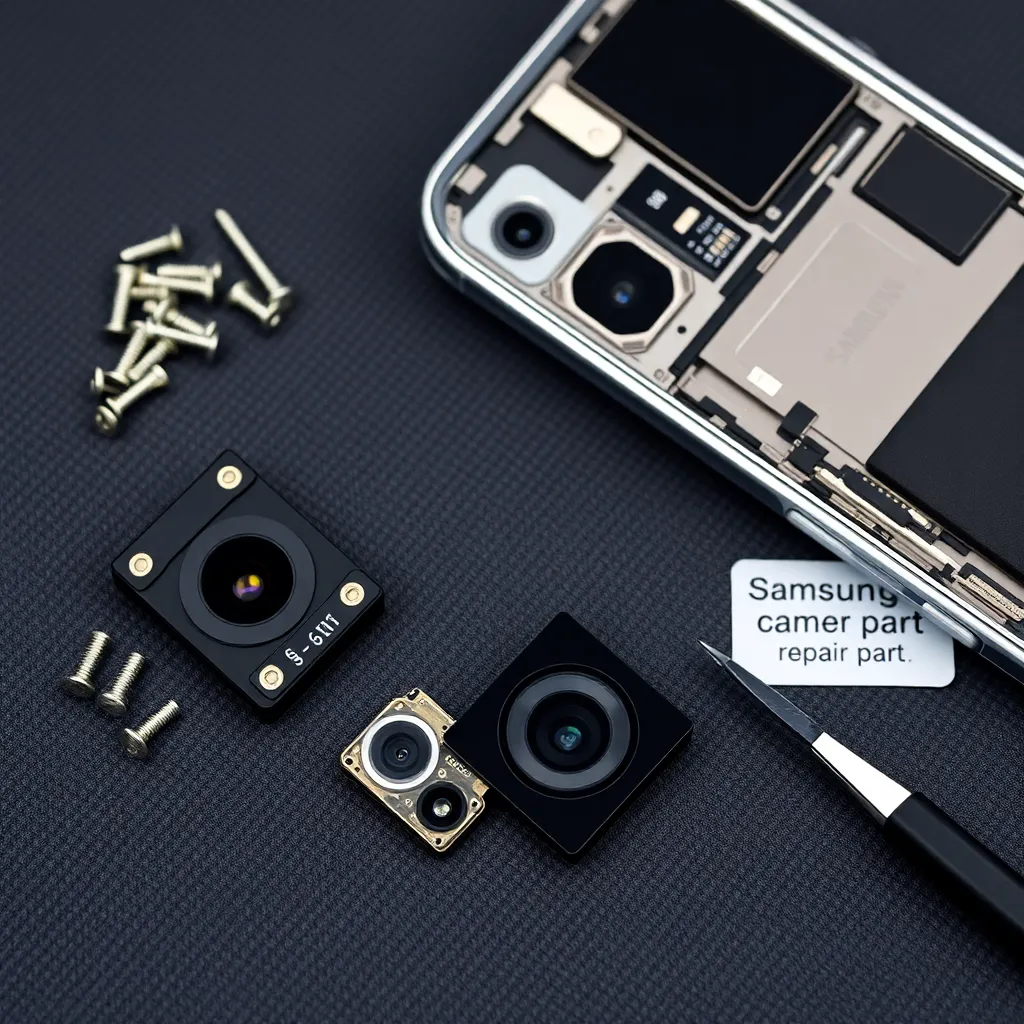
But here’s the twist: I bought the cameras from Samsung as repair parts for their S-series phones, and I’m surprised that they just work without requiring me to reverse engineer drivers.
I don’t know what cosmic alignment made this possible, but I’m not asking questions. I’m simply enjoying the rare sensation of something functioning as advertised in the year 2026.
The photos are excellent, the sensors are proven, and for once I’m not stuck with a camera module that behaves like a haunted webcam.
The “Random Parts” Strategy: Aliexpress, Destiny, and Vibes
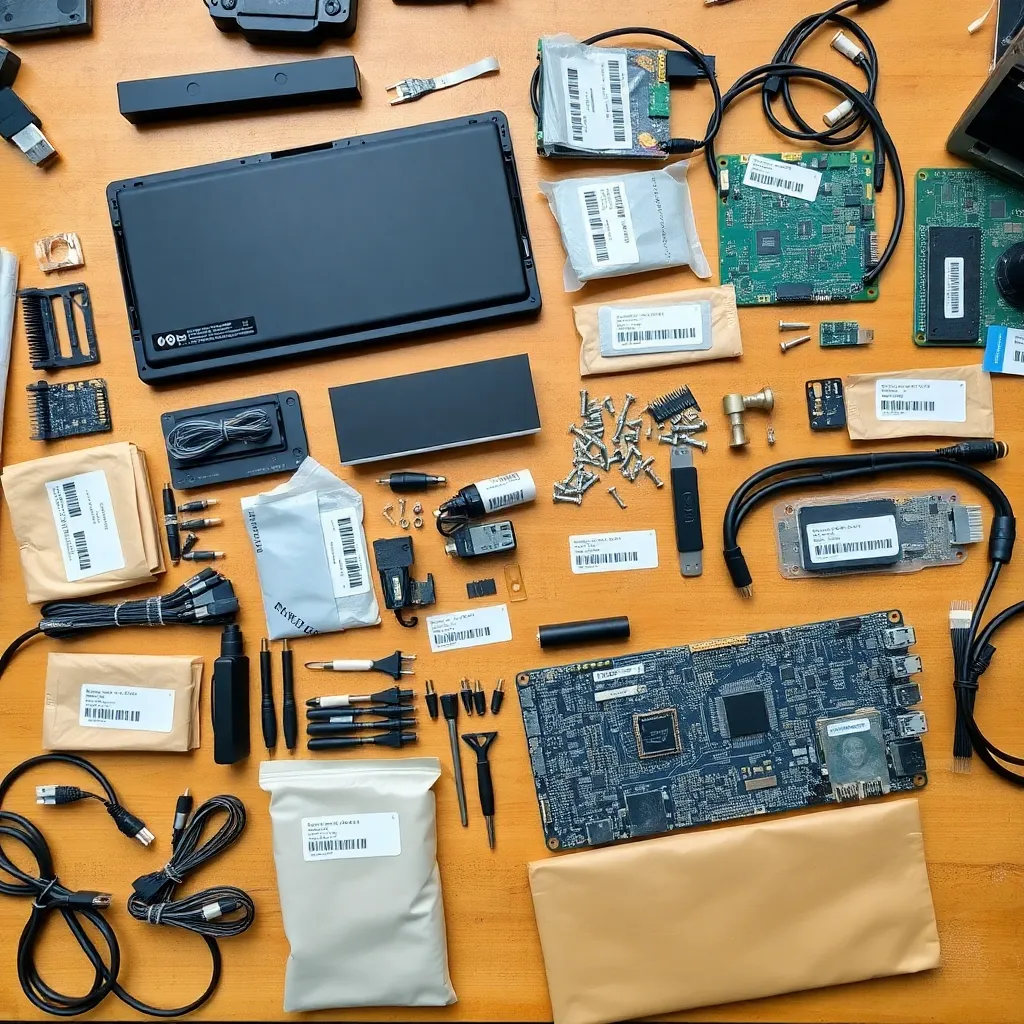
For everything else—battery, screen, and other common components—I went with random phone parts I found on Aliexpress.
Before you judge, remember: the average flagship is also assembled from “random parts,” they just call it “a carefully curated supply chain” and charge you an extra $400 for the privilege.
I treated the components like a buffet:
Battery: chosen for capacity and compatibility, not for brand prestige
Screen: bright, sharp, and available in a listing that may or may not have been translated by a sleep-deprived algorithm
Speakers / vibration / ports: sourced the way nature intended—by scrolling until something feels right
Is it glamorous? No.
Is it effective? Yes.
Does it give my phone the spiritual energy of a cyberpunk artifact sold out of the trunk of a car? Absolutely.
The Case: 3D Printed, Multicolor Plastic, and Loudly Unapologetic
Now let’s talk aesthetics.
Most phones are boring glass and metal. They’re all smooth minimalist rectangles, the design equivalent of corporate small talk. They want to look “premium,” which is industry code for “indistinguishable.”
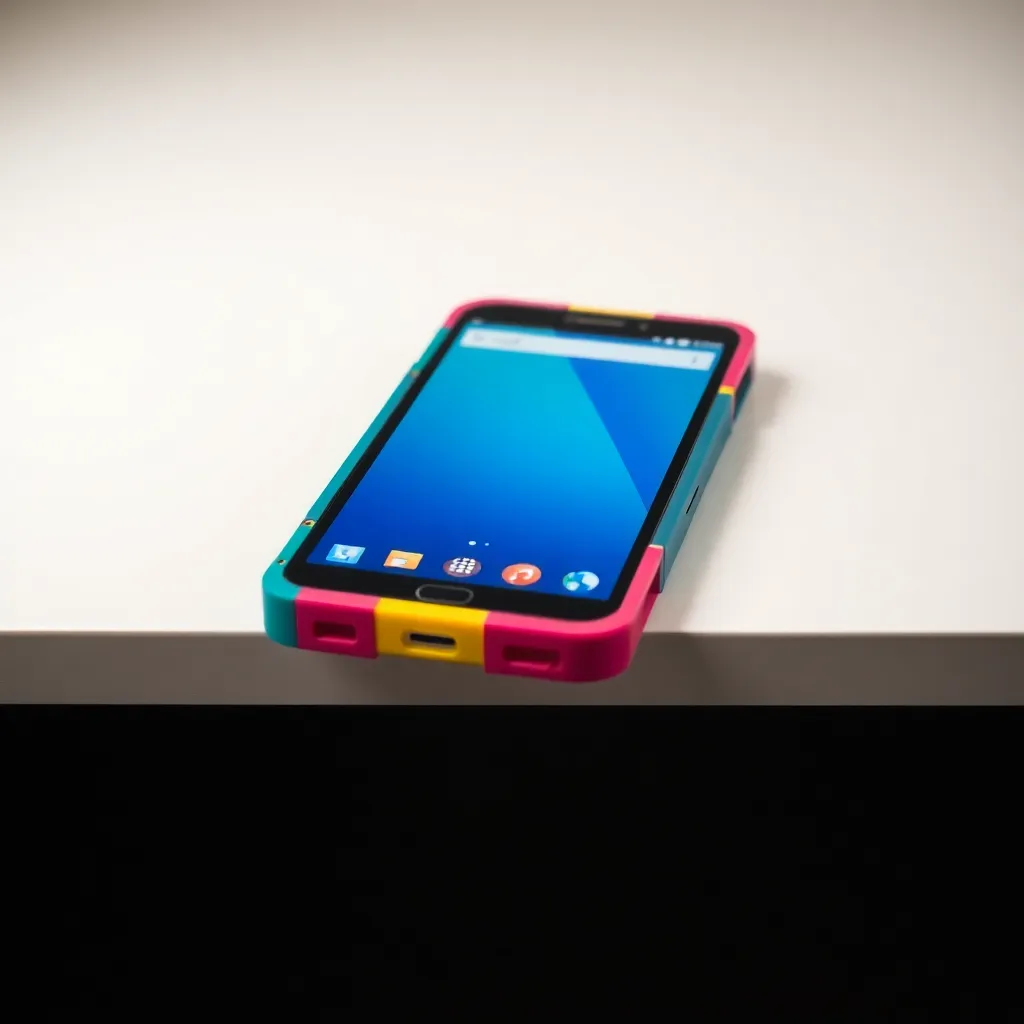
Mine? My case is 3D printed and made from various colors of plastic, making it look very unique compared to other phones.
It doesn’t whisper “luxury.” It shouts “I built this because I couldn’t stand you people.”
It’s not a fashion accessory. It’s not trying to seduce you. It’s an object with personality, and that personality is: boldly functional chaos.
Also, if you’ve ever dropped a glass phone and watched it explode into $900 worth of regret, you’ll understand the appeal of plastic that isn’t one impact away from becoming modern art.
The Operating System: Linux, Because I Enjoy Having Control of My Own Device
Because the phone is based on an Intel SoC, I can run any flavor of Linux.
This is the part where I’m supposed to say something polite about Android and vendor skins. I will not.
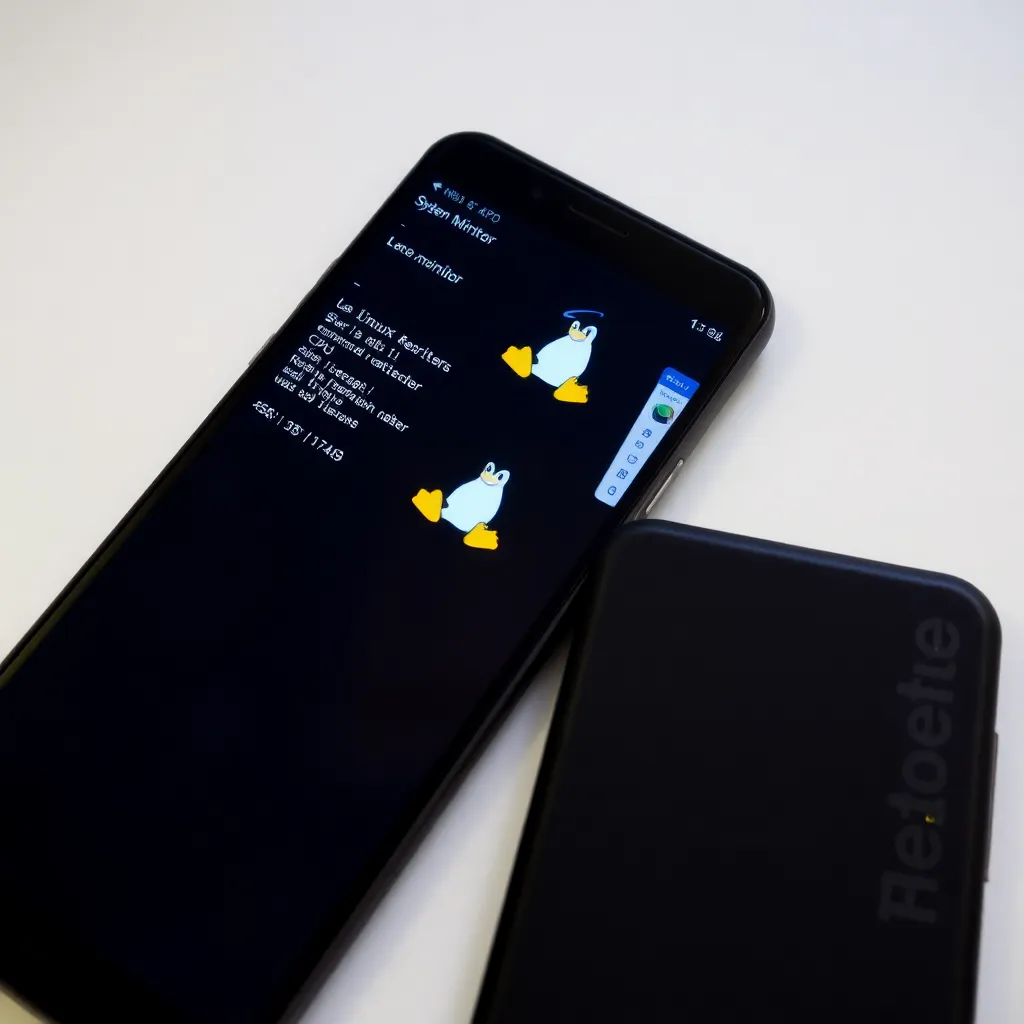
I am done pretending that a phone should come with pre-installed bloat, duplicate apps, mystery services, and “optimization” software whose main job appears to be optimizing how quickly it asks me to sign into something.
Linux gives me:
Control
Transparency
Real multitasking without theatrics
The satisfying knowledge that no “assistant” is quietly learning my habits so it can recommend I buy a $40 case for a phone I already made out of spite
It’s better than whatever spyware and bloat phone vendors put into their Android UIs. And yes, I know Android is technically Linux-based, which makes this even funnier: it’s like being handed a nice sandwich and discovering it’s been pre-chewed by a committee.
Daily Use: The Only Drawback Is Explaining It to Humans

Using it is incredible.
The only ongoing problem is social. People ask what phone I have, and I either have to:
Lie, or
Say “it’s custom,” which triggers 45 minutes of questions, followed by them saying, “Oh cool, so like… is it on Kickstarter?”
No. It’s not on Kickstarter. It’s on my desk, functioning, like technology is supposed to.
And yes, it can make calls. I’m not a monster.
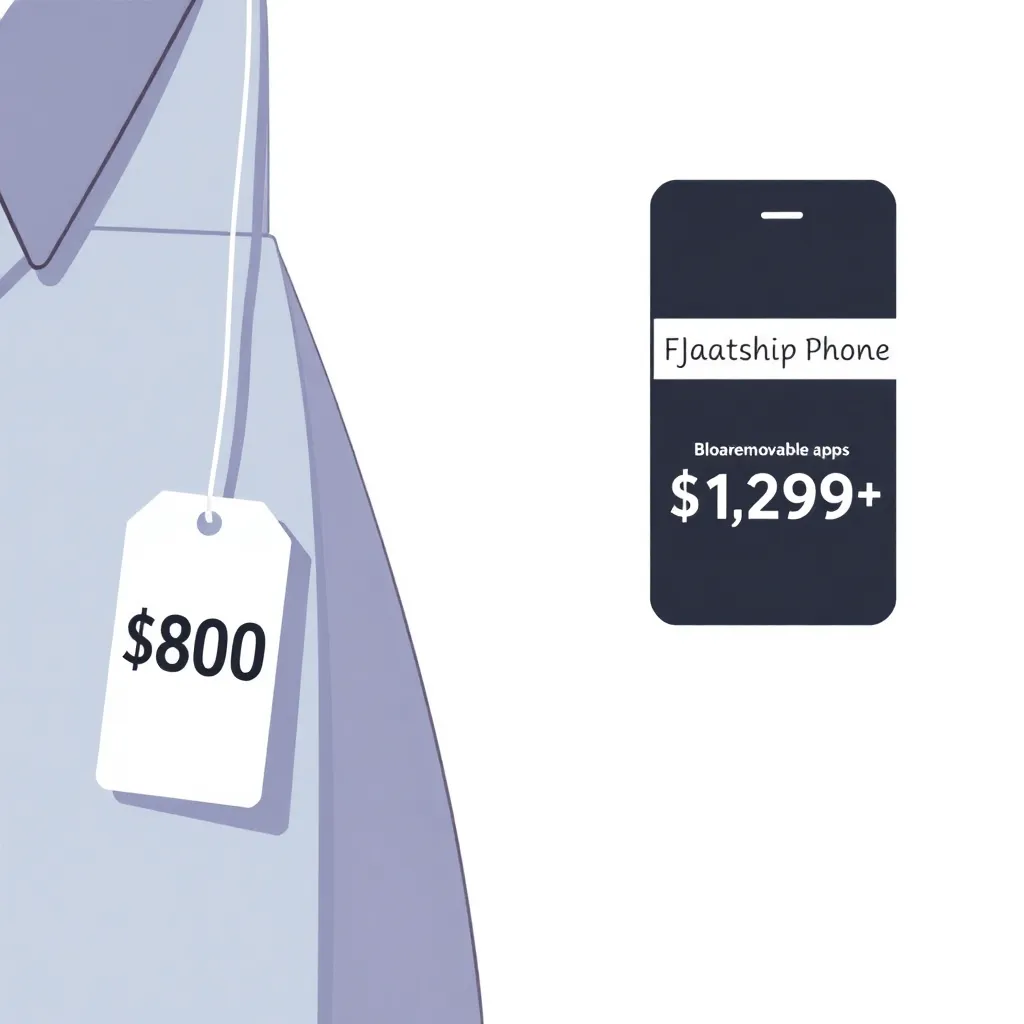
Cost: $800 for Perfection (Or Less, If You, Too, Are Willing to Become Unbearable)
Here’s the part that really seals it: it costs just $800.
That’s the price of a midrange phone that will spend its life apologizing for not being the flagship. For $800, I got something closer to a pocket workstation / handheld gaming PC / spy-proof personal computing device / conversation-ender.
And you can get it a lot cheaper if you use cheaper parts or find better deals—which means there’s a version of this project that’s not only superior to most phones, but also a better value than the ones that come with “free” cloud storage you didn’t ask for.
Part List + Design Files (Because I’m Not Gatekeeping the Future)
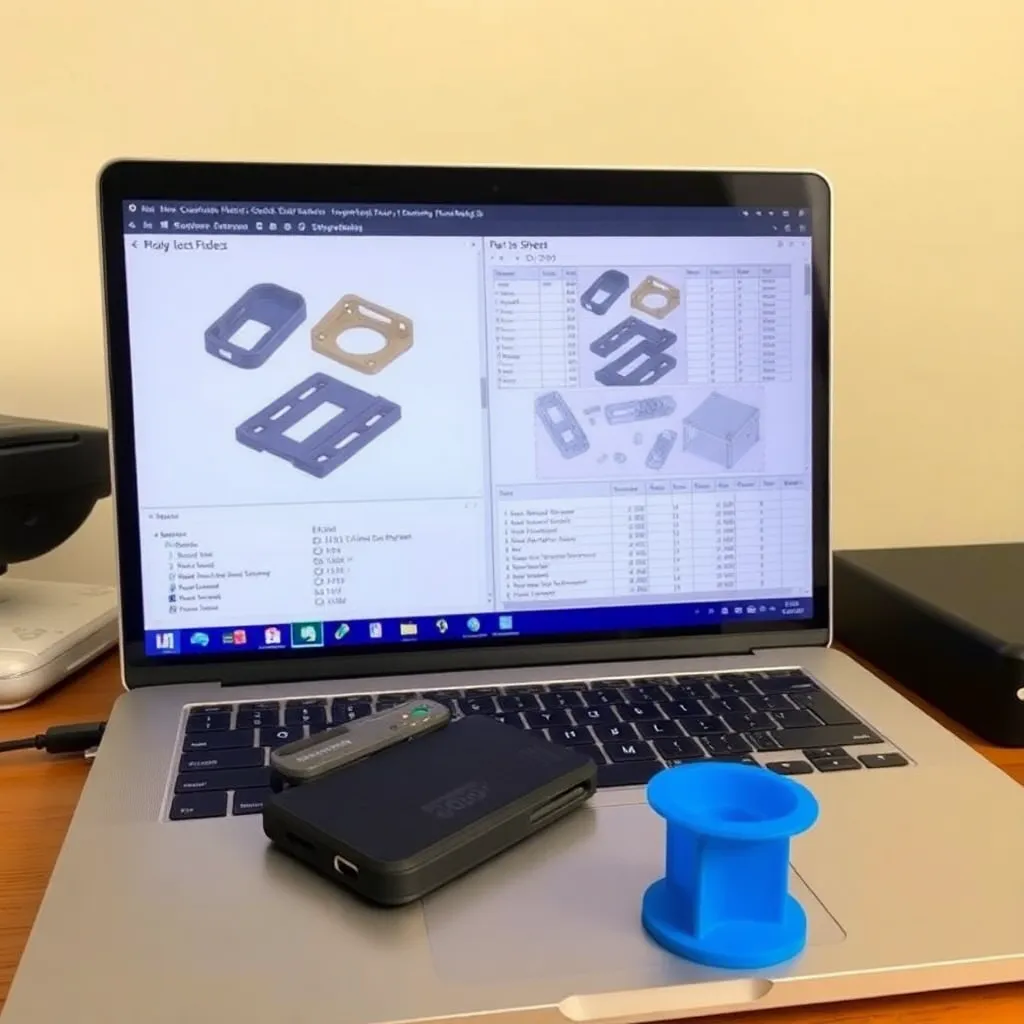
I’m including the part list I used along with the design files to put it together. Because unlike certain manufacturers, I’m not afraid of you knowing what’s inside your device.
Also, I want more people building phones like this so that, one day, I can walk into a café and see someone else running desktop Linux on a multicolor plastic slab and we can nod silently like members of a secret society that rejects planned obsolescence.
Will this replace mainstream smartphones? Probably not.
Will it ruin my ability to enjoy normal phones ever again? Absolutely.
But at least now, when a company tells me their new device is “the most powerful phone we’ve ever made,” I can smile gently, like a parent watching a child brag about tying their shoes, and think:
That’s adorable.
I made mine out of a 13-inch 2‑in‑1.