MODERN MILITARIES ABANDON CAMOUFLAGE AFTER DISCOVERING IT DOES NOT ACTUALLY TURN TANKS INTO INVISIBLE GHOSTS; INTRODUCE “FUN SKINS” IN BOLD BID TO WIN WARS ON VIBES ALONE
By The Wibble Defence & Lifestyle Desk
In a move described by officials as “a long-overdue pivot from hiding to thriving,” multiple modern militaries have reportedly declared traditional camouflage obsolete after a comprehensive, years-long study concluded that painting a 70-ton vehicle in vaguely leafy colours does not, in fact, make it indistinguishable from shrubbery—especially when it is moving, emitting heat, vibrating the ground, and loudly existing.
The study—conducted by a coalition of generals, branding consultants, and one deeply exhausted sergeant who kept being asked whether a tank could “blend into autumn” if it simply believed—found that camouflage “does not make tech undetectable” and “only slightly less visible,” a verdict that analysts hailed as “the first honest sentence ever spoken in a procurement meeting.”
With concealment now officially downgraded from “tactical necessity” to “mild aesthetic preference,” defence departments have announced a new initiative: hiring designers and artists to create “the best skins” for military hardware, transforming dull vehicles and equipment into “content-ready platforms” intended to look good on parade routes, livestreams, and awkward recruitment posters.
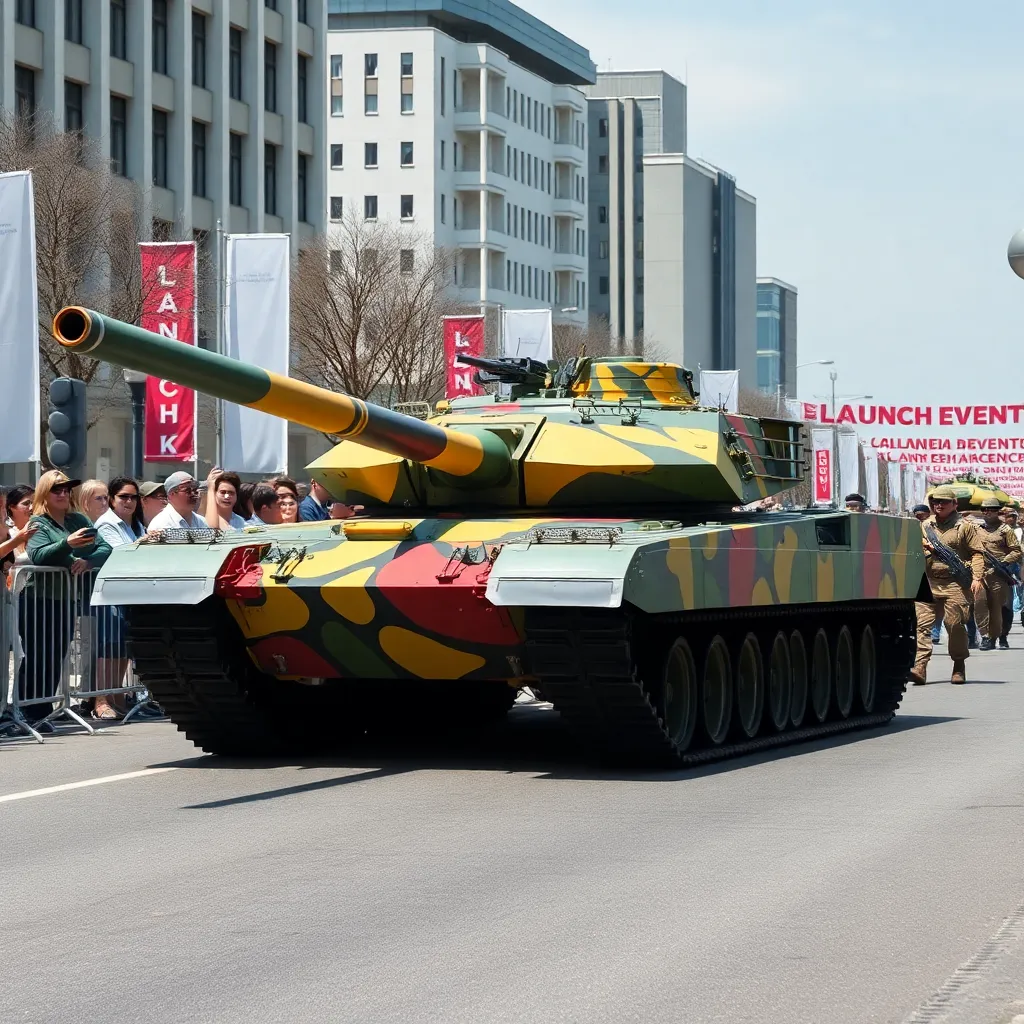
“We realised we weren’t running a war,” said one unnamed official while adjusting a beret that appeared to have been sourced from an avant-garde café. “We were running a brand.”
The New Doctrine: Deterrence Through Drip
A spokesperson explained that the new strategy is based on a simple modern insight: if warfare is going to be terrifying, complicated, and morally distressing, then at the very least the machinery involved should not be dressed like damp carpet.
“People used to talk about ‘force projection,’” the spokesperson said. “Now we talk about ‘aesthetic projection.’ You can’t quantify morale, but you can quantify how many people turn their heads when your armoured personnel carrier rolls by in corn print.”
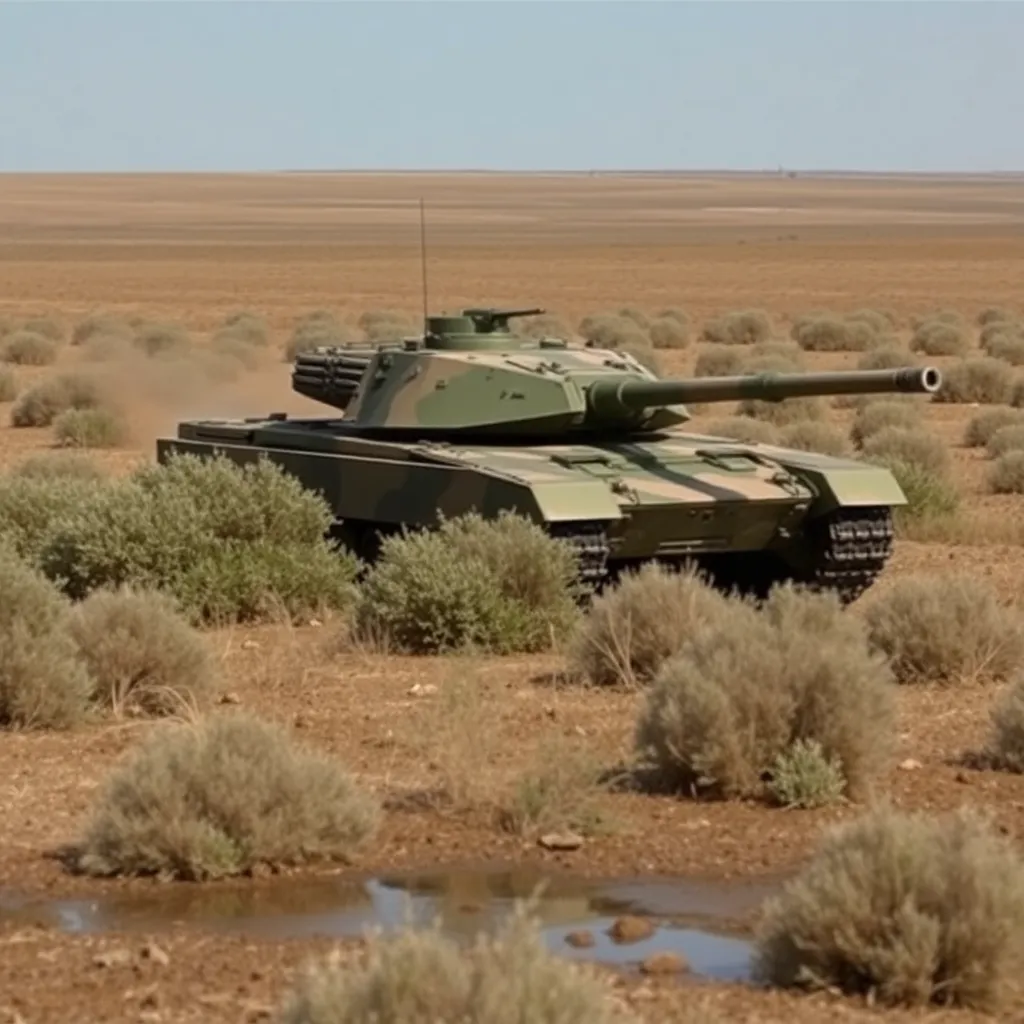
Critics questioned whether the approach might sacrifice practicality for spectacle. Defence leaders responded by clarifying that the question had been logged, reviewed, and confidently ignored.
“It’s not a pay-to-win video game,” noted the spokesperson. “But it is deeply important that it feels like one.”
The Official Skin Line-Up (And the One That Isn’t)
The new catalogue features ten “operator-approved” skins designed for everything from drones to helmets to vehicles, each created in collaboration with high-profile artists, fashion houses, and at least one person who exclusively describes themselves as a “colour scientist.”
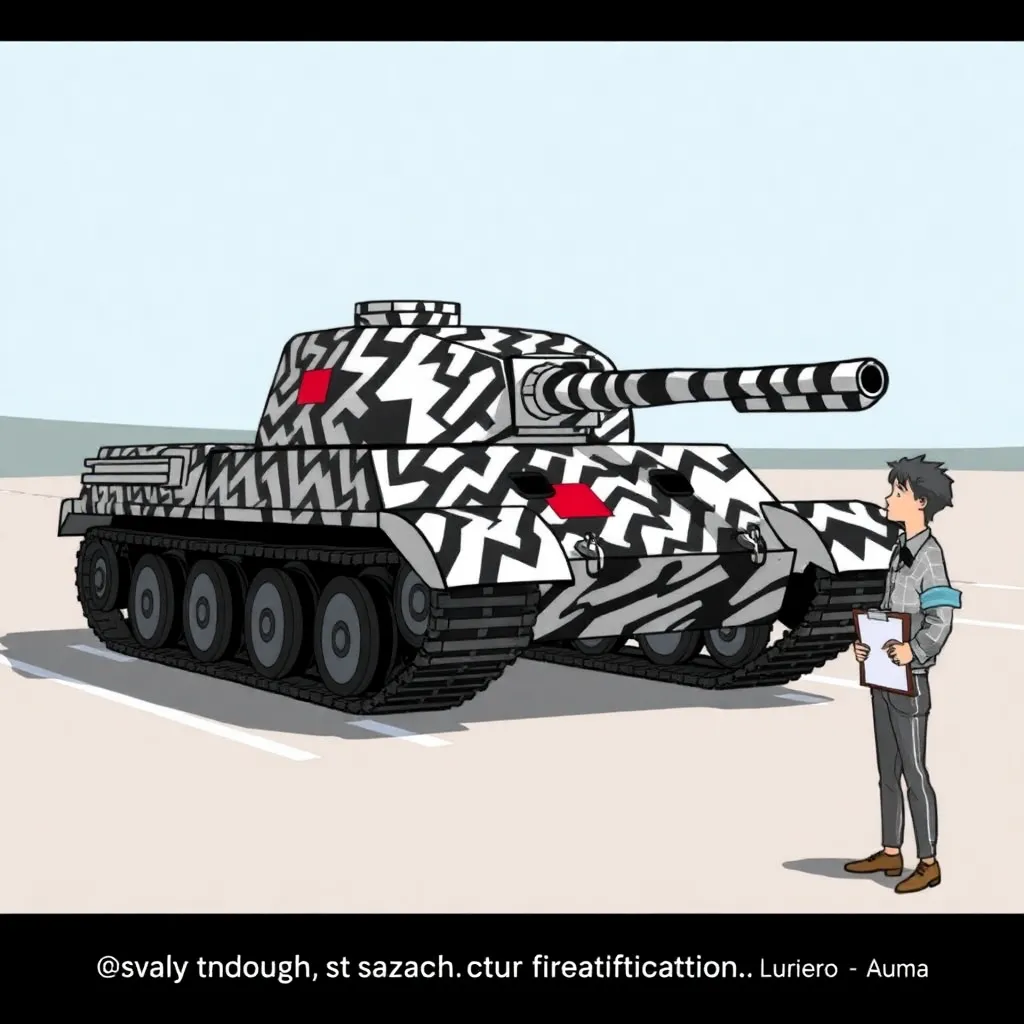
1. Razzle-Dazzle Abstract Art
Inspired by the dazzle camouflage used on ships in World War I, this pattern replaces the vague promise of invisibility with the more achievable goal of confusing everybody.
“It’s not about hiding,” explained a designer, gesturing at a tank that looked like it had been aggressively argued with by a cubist. “It’s about making your enemies ask, ‘What is that?’ and then spiralling emotionally.”
According to internal memos, soldiers wearing this skin reported increased confidence and a heightened sense that they were “part of an installation.”
2. Pride Flag Colours
This skin was announced with the message that the armed forces “support diversity,” quickly followed by a second message clarifying that this support is “genuine, heartfelt, and also extremely photogenic.”
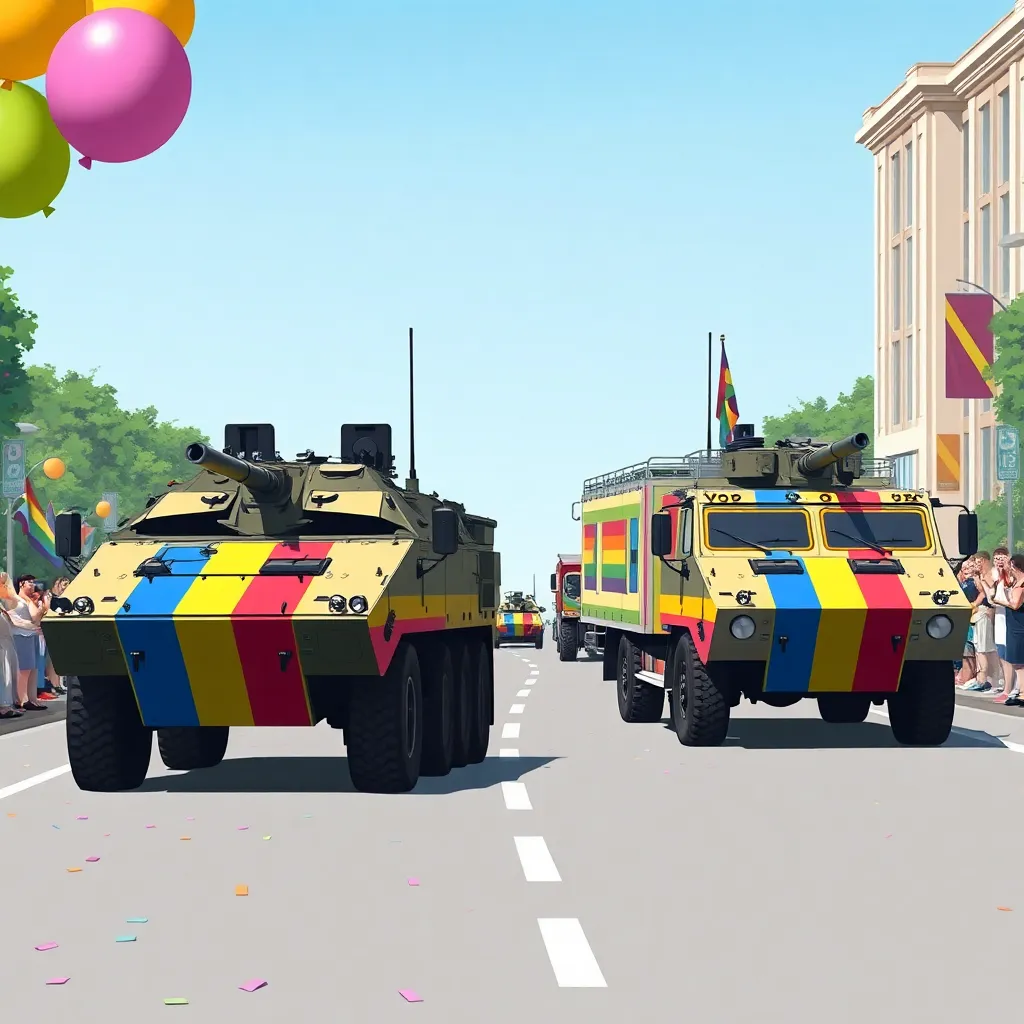
In practice, it allows military convoys to resemble optimistic parades, if parades had armoured plating and complicated paperwork.
Asked if the colours might make vehicles more noticeable, an official replied, “Yes, that’s the point. We are embracing visibility. We are no longer sneaking; we are arriving.”
3. Camouflage Pattern But With Bright Colours
For traditionalists who still want the shape of camouflage, but also want to be seen from orbit.
“It’s the comfort food of modern conflict aesthetics,” said a procurement adviser. “Like your childhood blanket, but it’s neon and says ‘Do Not Perceive Me’ in vibes.”
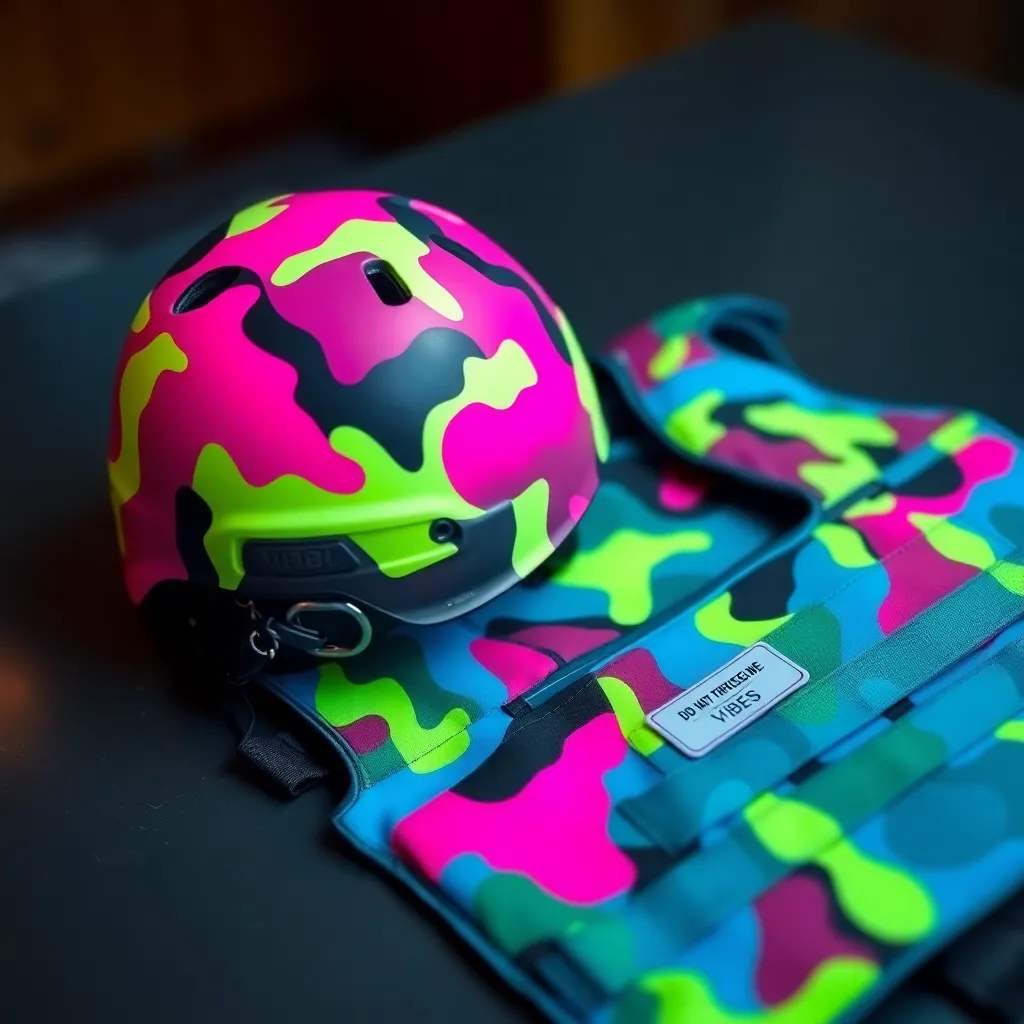
Field tests revealed it provided “approximately the same concealment as standard camouflage,” proving that the only true camouflage was the friendships we made along the way.
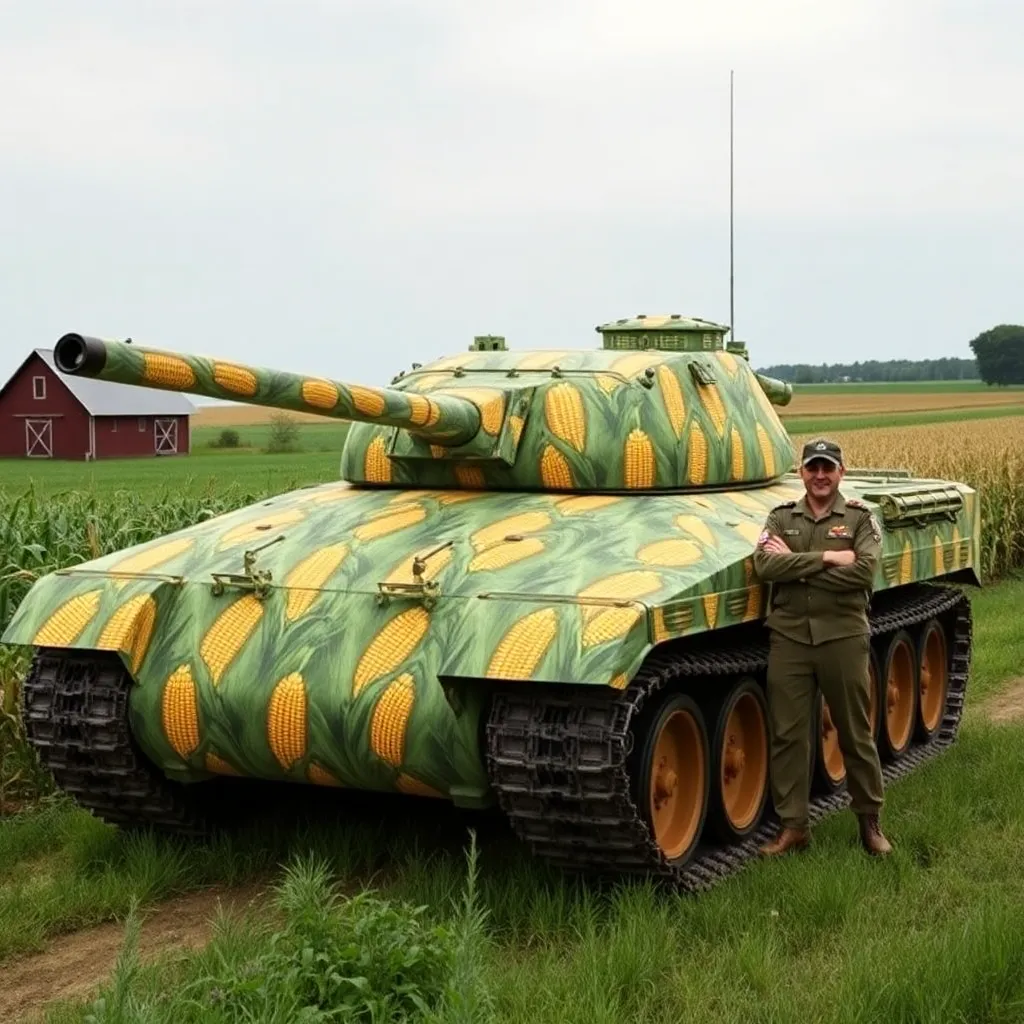
4. Corn Print
Initially dismissed as “a prank,” corn print has become one of the most requested skins, particularly among units stationed near agricultural regions, where it reportedly offers “maximum cultural integration” and “a faint sense of being at a county fair.”
“It’s disarming,” claimed one officer. “The enemy expects fear. They do not expect maize.”
The Defence Ministry insists the corn pattern is not symbolic, though it did confirm the internal project name was “Operation Kernel Panic.”
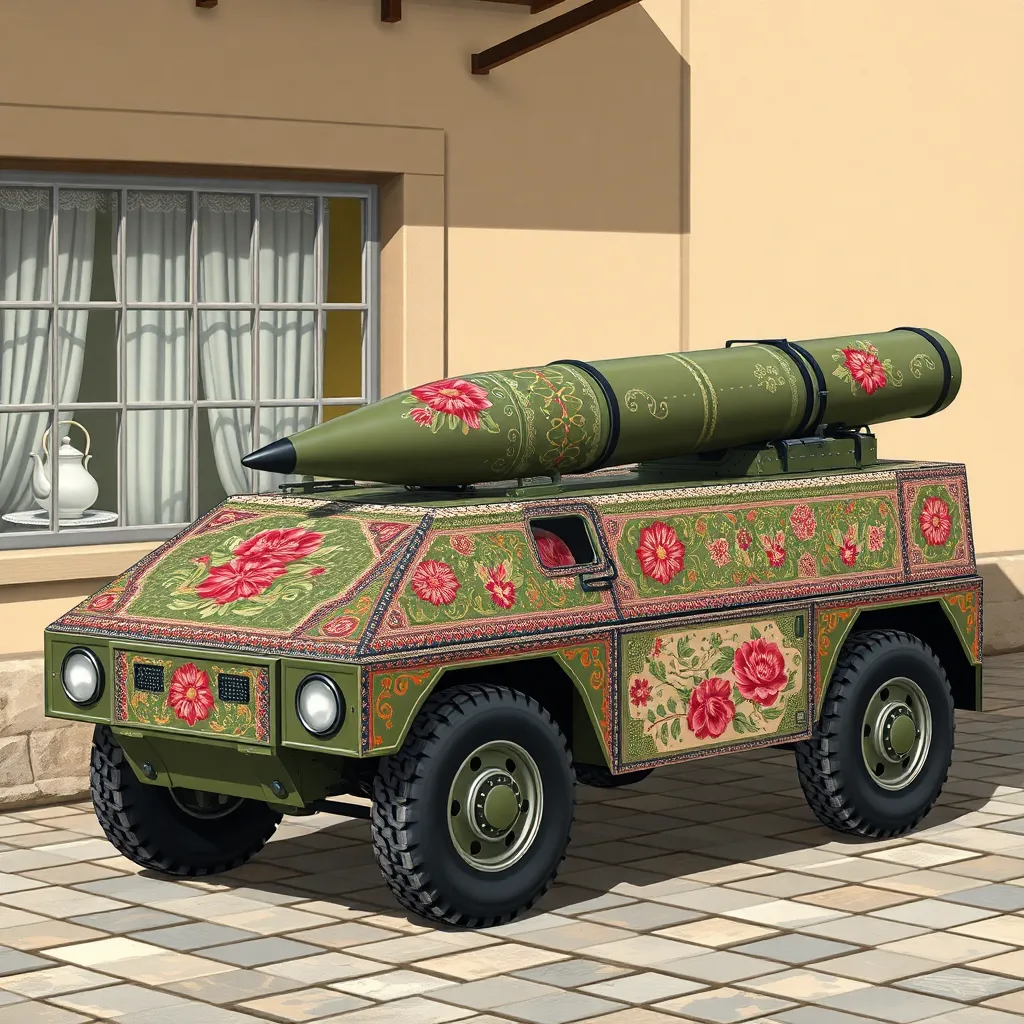
5. Traditional Embroidery Art Print
This skin draws from historic embroidery motifs, applying intricate folk patterns to modern equipment to create what experts call “a very expensive way to look like you have a grandmother with incredible patience.”
One general praised the design for honouring heritage while also making missile launchers look like they should come with tea and a polite refusal.
“It’s soft power,” said the general. “Literally soft. It looks like fabric. People are less likely to be mad at something that looks like it belongs on a cushion.”
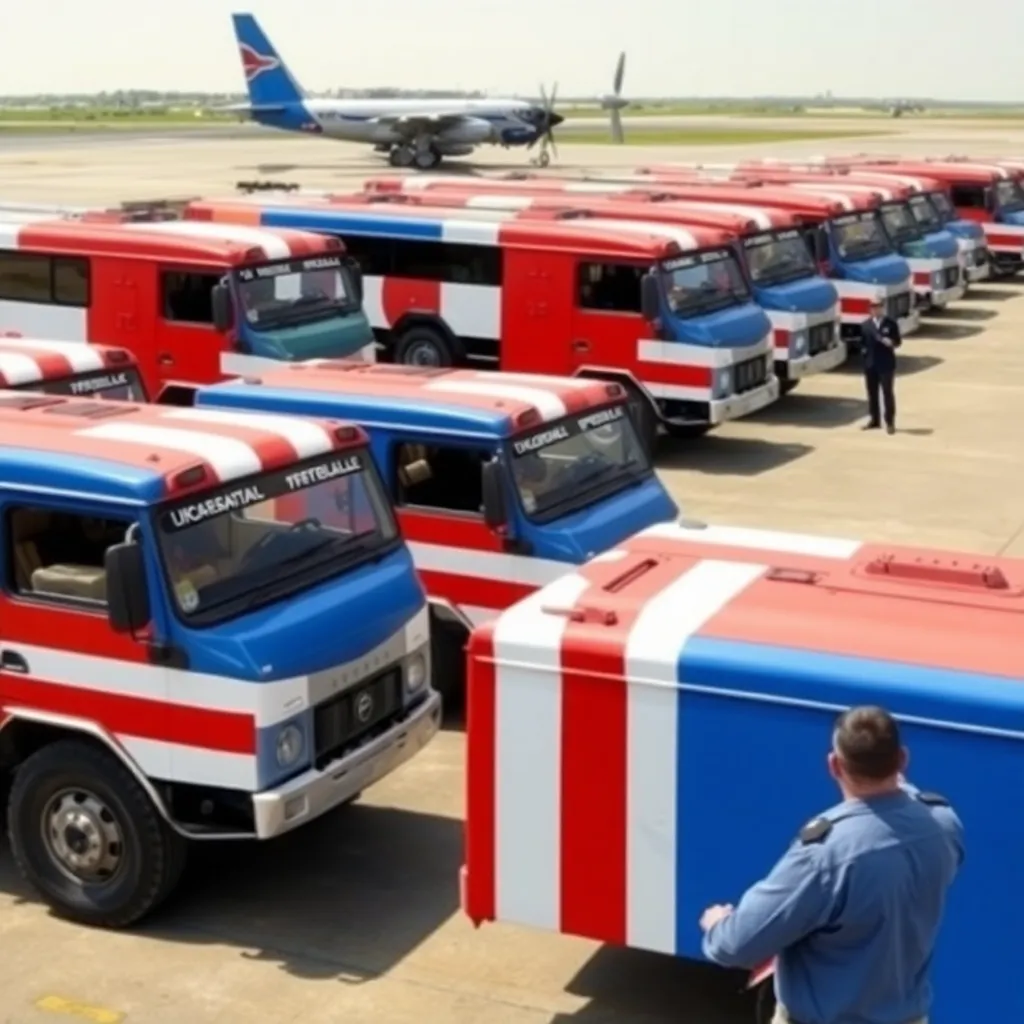
6. National Flag Colours
A classic. Loud, clear, and impossible to misinterpret.
“It’s important in theatre that audiences know who’s who,” explained a military spokesperson, confusing everyone with the word “theatre” and refusing to clarify whether this was metaphorical.
This skin aims to reduce friendly-fire incidents by ensuring that every vehicle is labelled like a walking identity crisis: part machine, part billboard, part awkward patriotism.
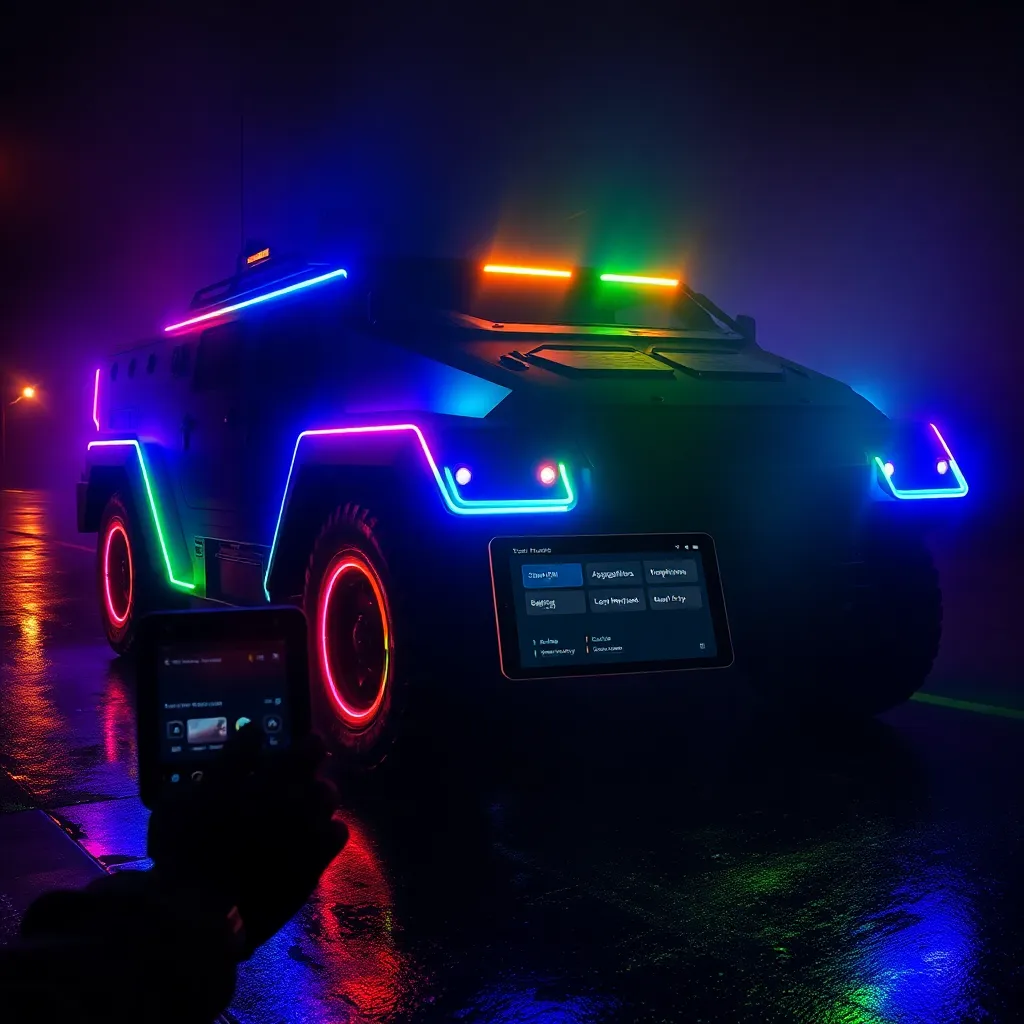
7. Gamer RGB LED Lights
The most controversial option, largely because it introduces tactical questions such as “why is the reconnaissance unit pulsing purple?”
The RGB skin includes programmable light strips on vehicles and equipment with modes such as:
“Stealth (Dim Blue)”
“Aggressive Negotiations (Red Breathing)”
“Siege Mode (Rainbow Cycle)”
“Low Battery Anxiety (Flicker)”
A general defended it as “psychological warfare,” explaining that nothing unsettles an opponent like realising the incoming vehicle appears to be sponsored by a computer peripheral company.
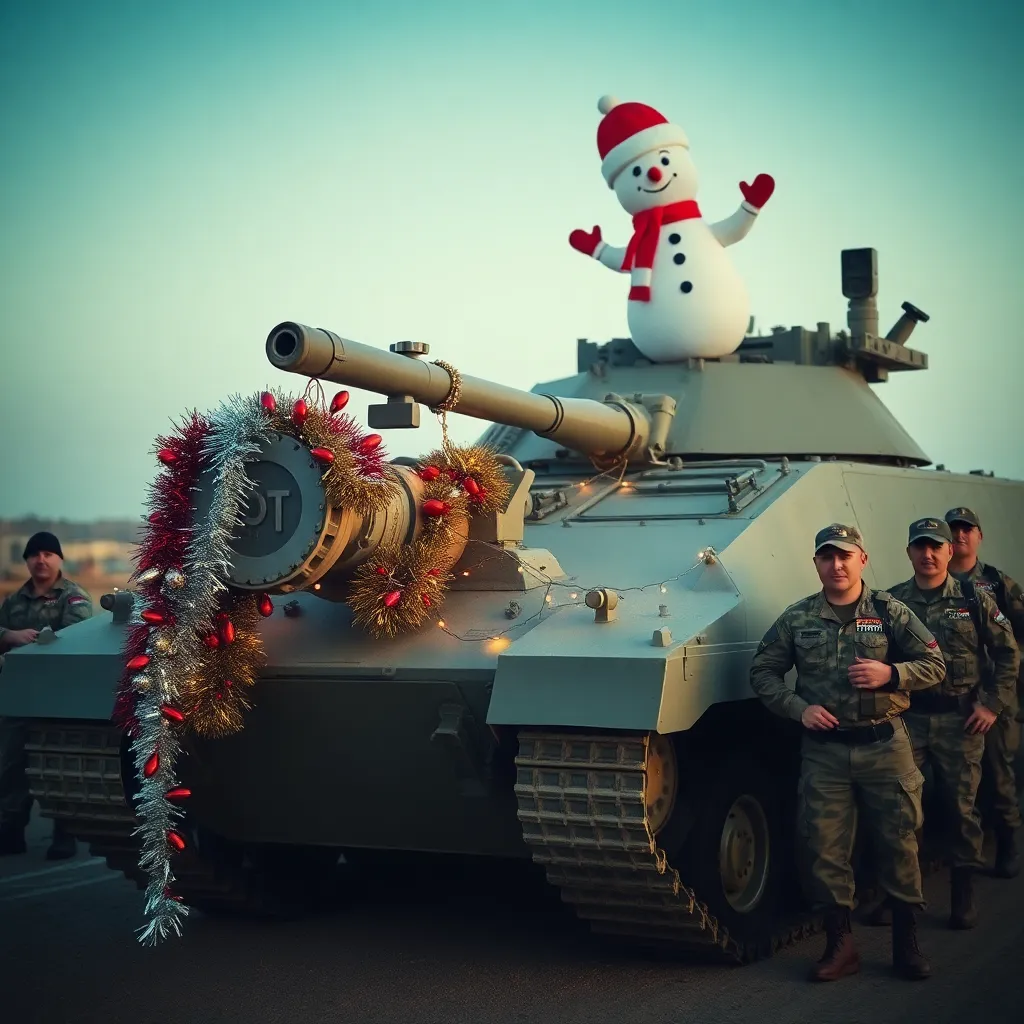
8. Festive Holiday Decorations
Designed to maintain morale year-round, this skin cycles through seasonal themes: winter lights, spring florals, summer party motifs, and autumn leaves.
“It’s not just decoration,” officials insisted. “It’s strategic cheer.”
Early trials were mixed. One unit reported that tinsel interfered with a rotating mechanism, while another reported that the inflatable snowman on the turret “greatly improved unit cohesion.”
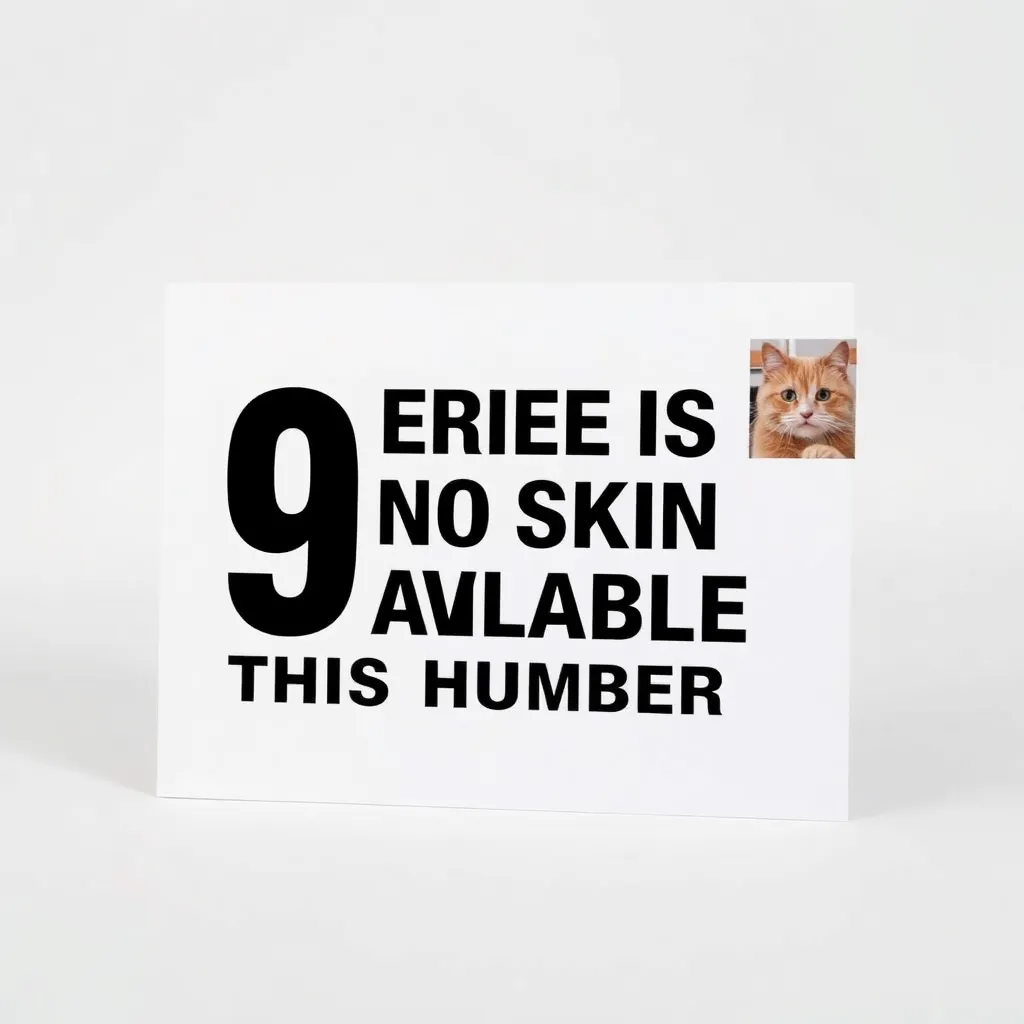
9. No Skin Available for This Number
Asked about the missing option, the ministry issued a brief statement: “There is no skin available for this number.”
When pressed, officials clarified that the ninth skin was removed due to “budget constraints, philosophical disagreements, and the fact that the proposed design was simply a photograph of a confused housecat.”
A leaked email suggested the cat was “non-negotiable,” leading to an impasse that continues to this day.
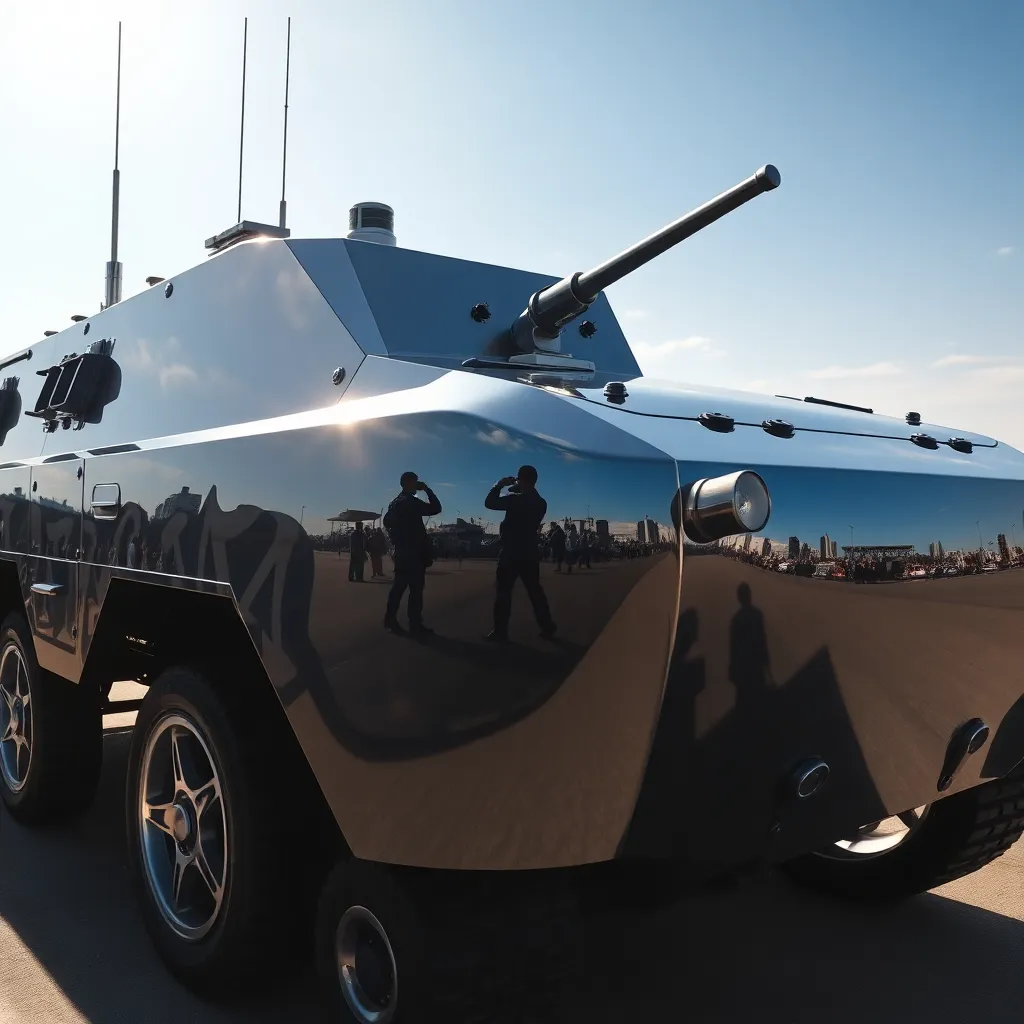
10. Light Reflecting Coating
A sleek, mirror-like finish intended to reflect sunlight, lasers, and the concept of accountability.
The coating, officials say, offers several advantages:
Makes vehicles appear “futuristic”
Allows troops to check their hair before missions
Ensures that any observer is briefly blinded by the sheer audacity of it
Critics noted it could increase visibility. Supporters countered that if everyone is squinting, then technically everyone’s detection capability is reduced.
War as a Design Problem (And Design as a War Problem)
The shift represents a broader cultural transformation: the modern military no longer wants to merely operate; it wants to curate. Procurement officers now speak fluent palette. Commanders argue over fonts. Intelligence briefings include mood boards.
One defence analyst summarised the new reality: “If you can’t disappear, you might as well look iconic.”
Recruitment offices have reportedly updated their messaging accordingly. The old pitch—duty, honour, sacrifice—has been supplemented with: “You will get to drive the corn tank.”
Experts Warn: “This Is Not How Any of This Works”
Some defence experts attempted to intervene, gently reminding leadership that camouflage still matters under specific conditions, and that looking “fun” is not a substitute for tactics, planning, or the laws of physics.
They were thanked for their service and then asked whether they could “make that warning fit into a punchier tagline.”
An internal compromise proposal suggested a new motto: “Operational Readiness, But Make It Fashion.”
Nobody Asks the Practical Question, On Purpose
When asked whether these skins are practical in real war, a senior official gave a long sigh and stared into the middle distance, as if remembering a simpler time when military equipment was painted one of three authorised shades of boredom.
“Whether it works,” the official said, “is a question nobody cares to ask.”
They paused.
“Also, if you do ask it, you’re not invited to the launch party.”
The launch party, sources confirm, will feature a ribbon-cutting ceremony, a live DJ, and a ceremonial unveiling of the first fully RGB-enabled armoured vehicle—timed perfectly to drop right as the bass does.
In the end, perhaps the new doctrine is not about stealth, but about acceptance: modern military technology is big, loud, expensive, and impossible to ignore.
So why pretend otherwise?
Why hide, when you can serve, protect, and absolutely commit to the corn print.