Nation Accidentally Becomes World’s Biggest Economy After Recklessly Spending Money on “Things People Use”
CIVIC SENSE, The Wibble — In an alarming break from international norms, the small-to-medium-sized country of Actuallystan has reportedly become the largest economy on Earth and simultaneously recorded the happiest population, after pursuing the radical fiscal strategy known to economists as: “making life not terrible.”
The controversial approach—widely condemned in elite circles as “unsophisticated,” “unscalable,” and “not exciting enough to keynote”—involved investing public funds into infrastructure that functions, services that work, and communities that people don’t have to escape from.
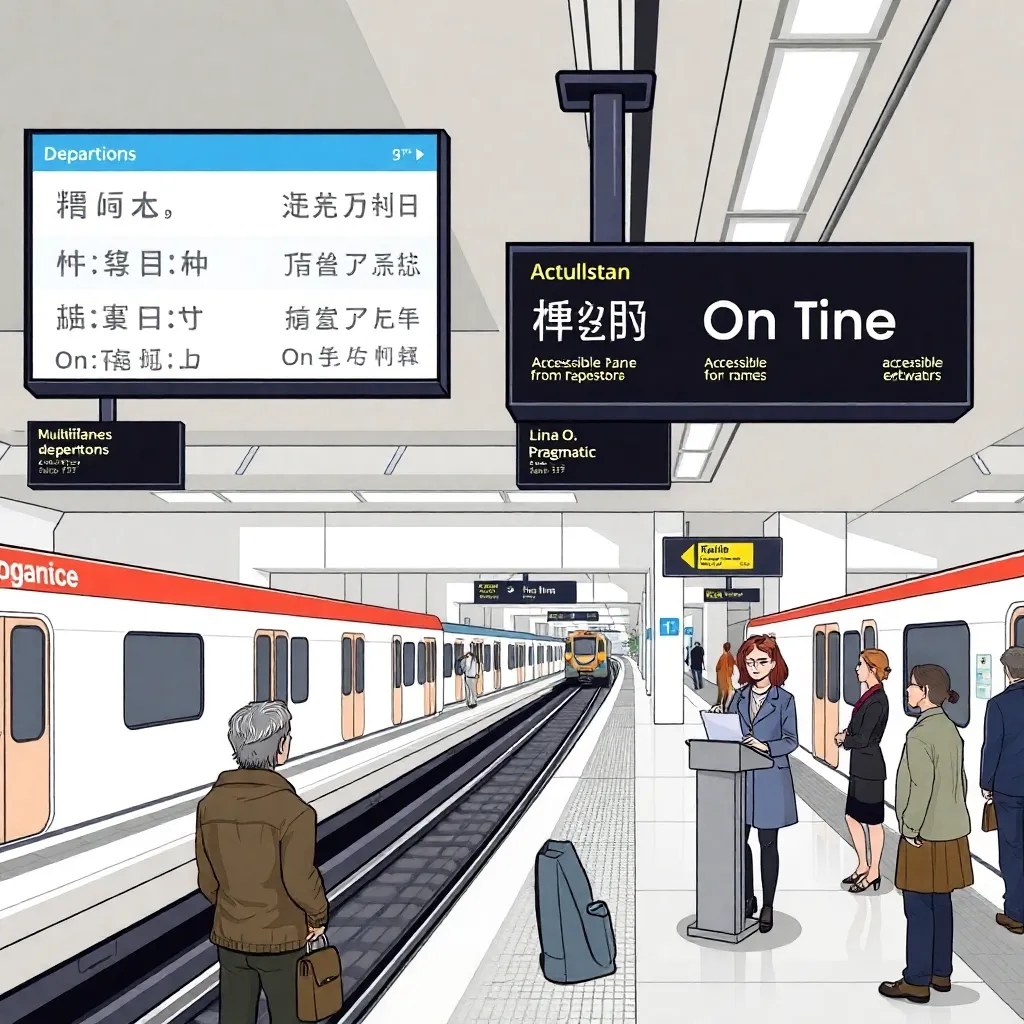
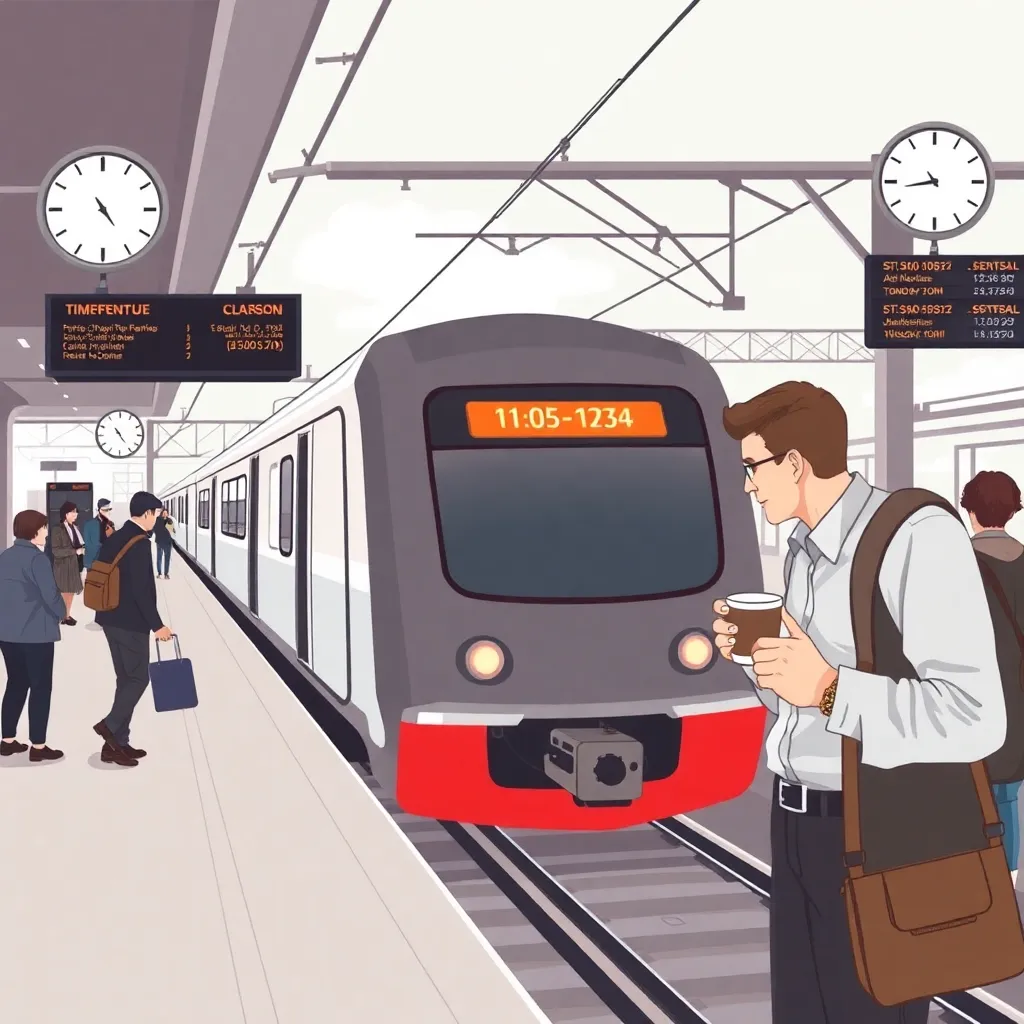
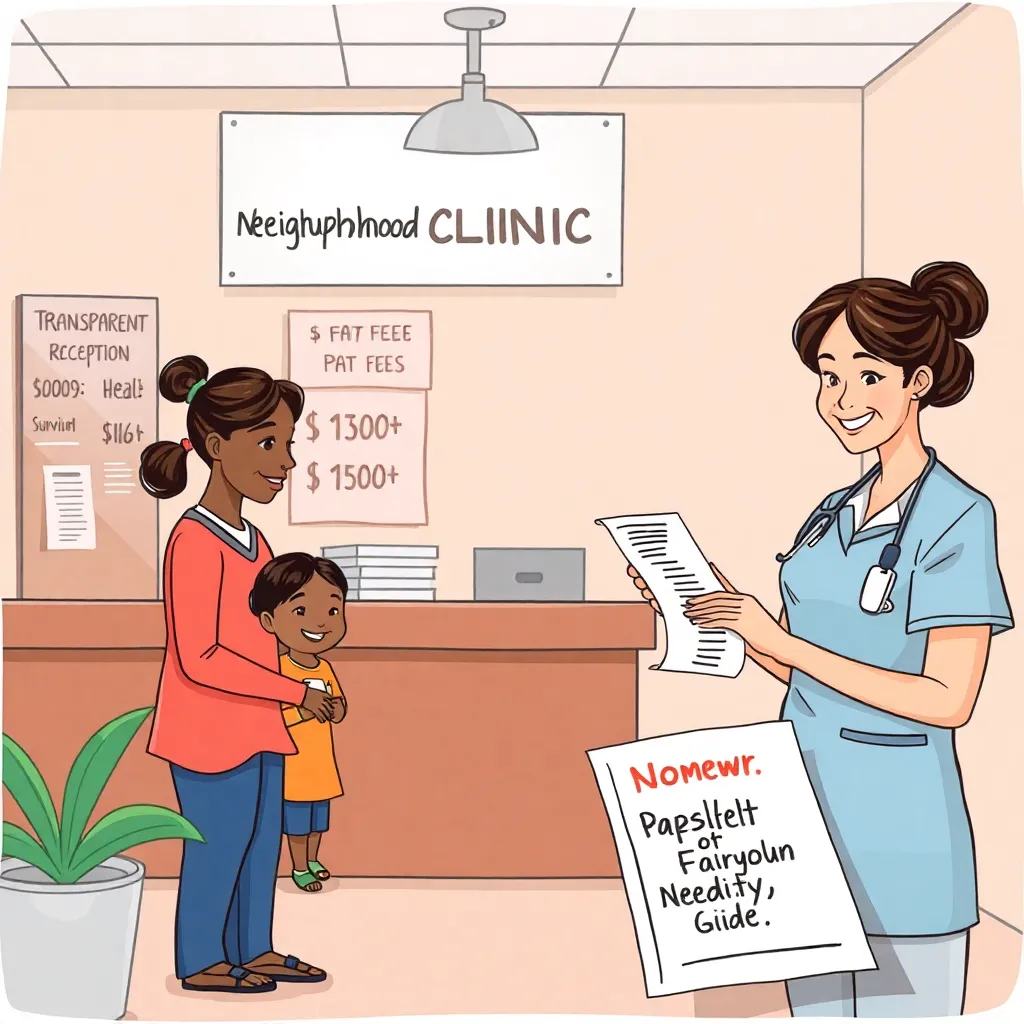
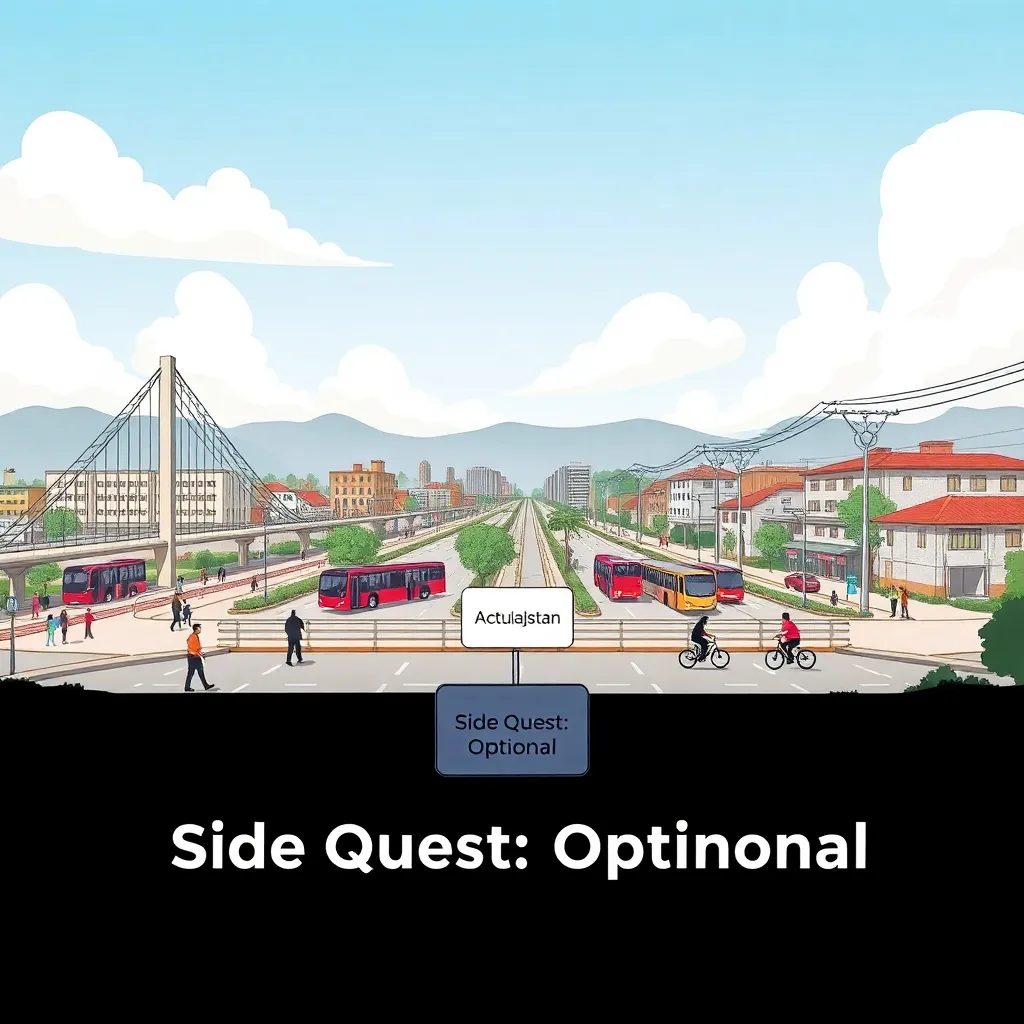
Authorities confirmed the country reached the top of global rankings after implementing a series of “recklessly normal” policies, including repairing bridges before they became a national metaphor, building trains that arrive in the same week they’re scheduled, and ensuring citizens could see a doctor without taking out a loan against their future grandchildren.
“We didn’t set out to become the greatest economy,” said Finance Minister Lina O. Pragmatic, speaking from a newly renovated public transit hub where nobody looked haunted. “We just replaced the phrase ‘innovation ecosystem’ with ‘the sewage system,’ and things kind of snowballed.”
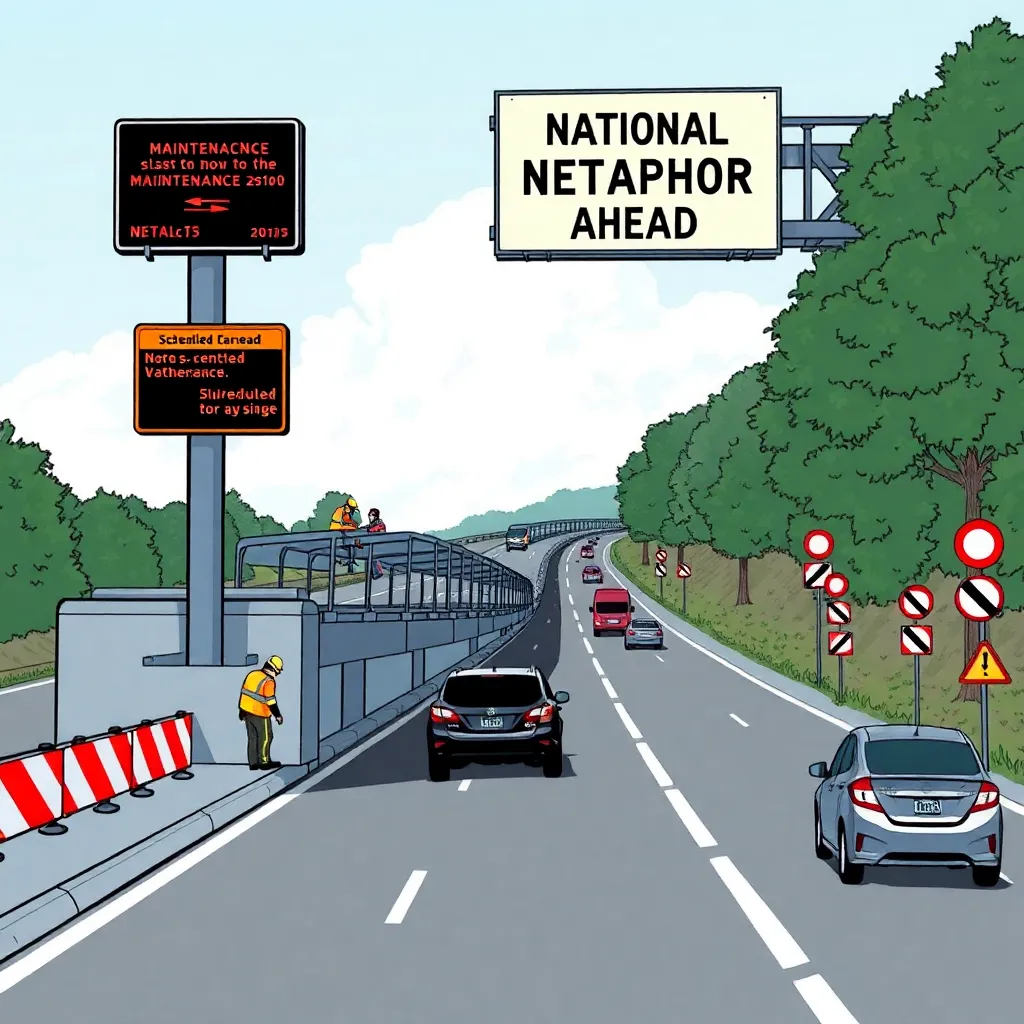
Economists Furious as Country Ignores Billionaires in Favor of Plumbing
The country’s ascent has sparked outrage among global economic commentators, many of whom are now demanding an investigation into whether happiness and functioning infrastructure constitute a form of market manipulation.
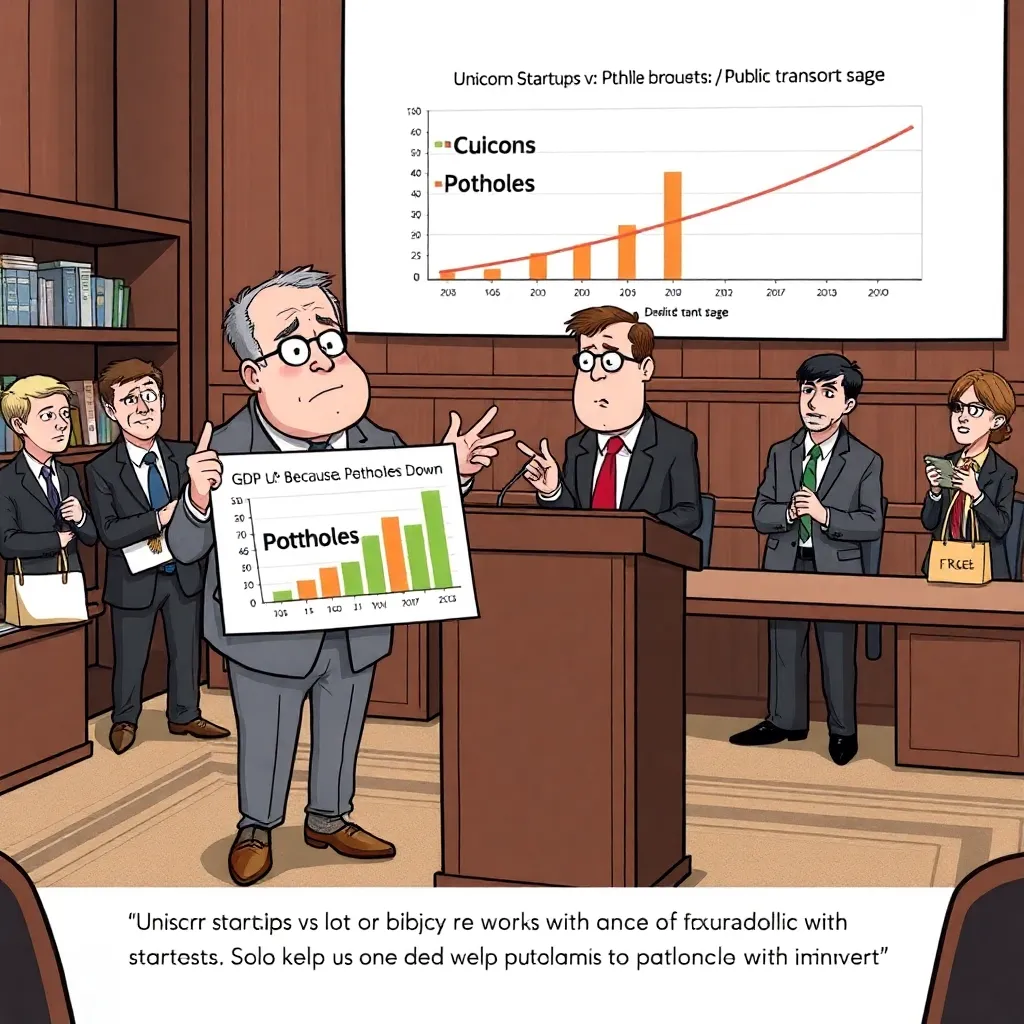
“This is deeply concerning,” said Dr. Bryce Halberd, Senior Fellow at the Institute for Advanced Assumptions. “We typically measure national progress by the number of unicorn startups founded by people who have never used public transport. Actuallystan is claiming you can grow GDP by preventing potholes. This undermines everything we’ve taught for decades and also my personal brand.”
According to government figures—later verified by several stunned international agencies—Actuallystan’s productivity surged after the state invested heavily in:
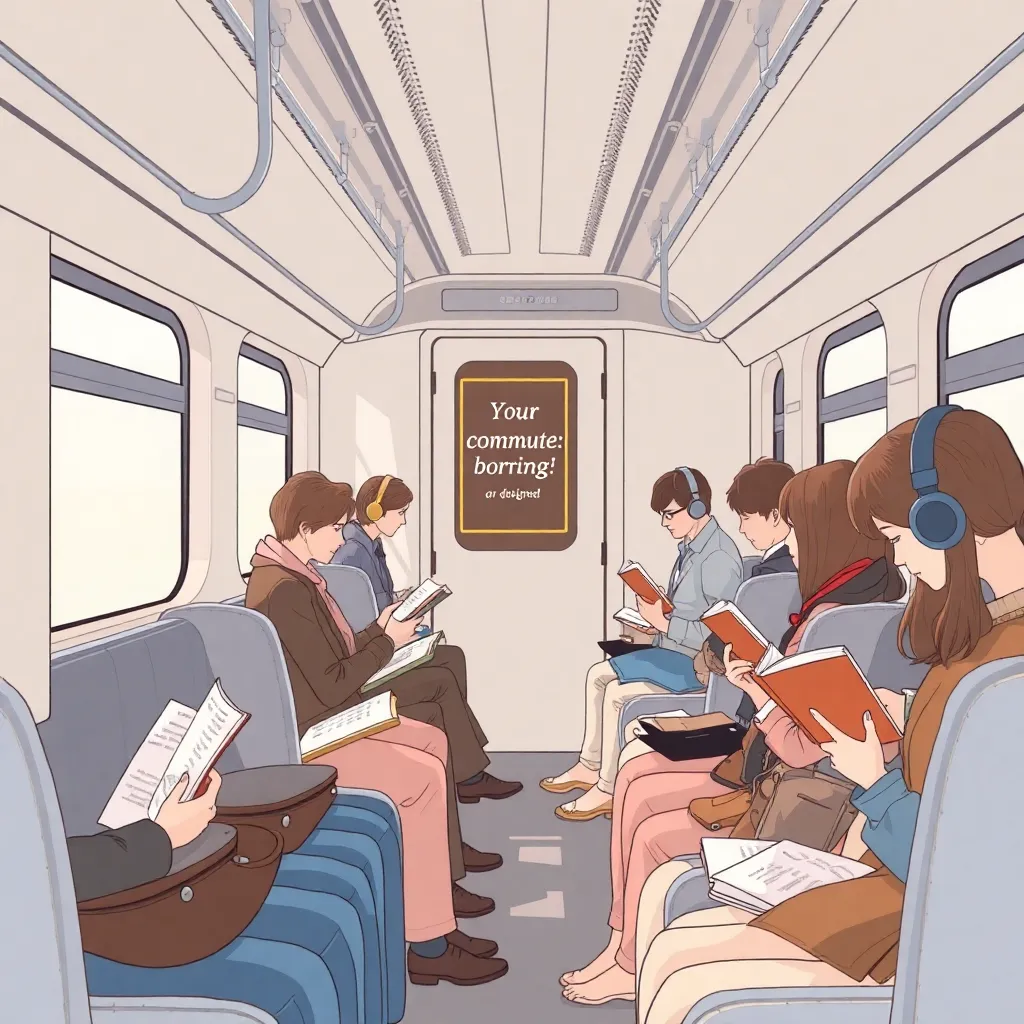
Reliable public transport that reduced commute times from “soul-crushing” to “mildly boring”
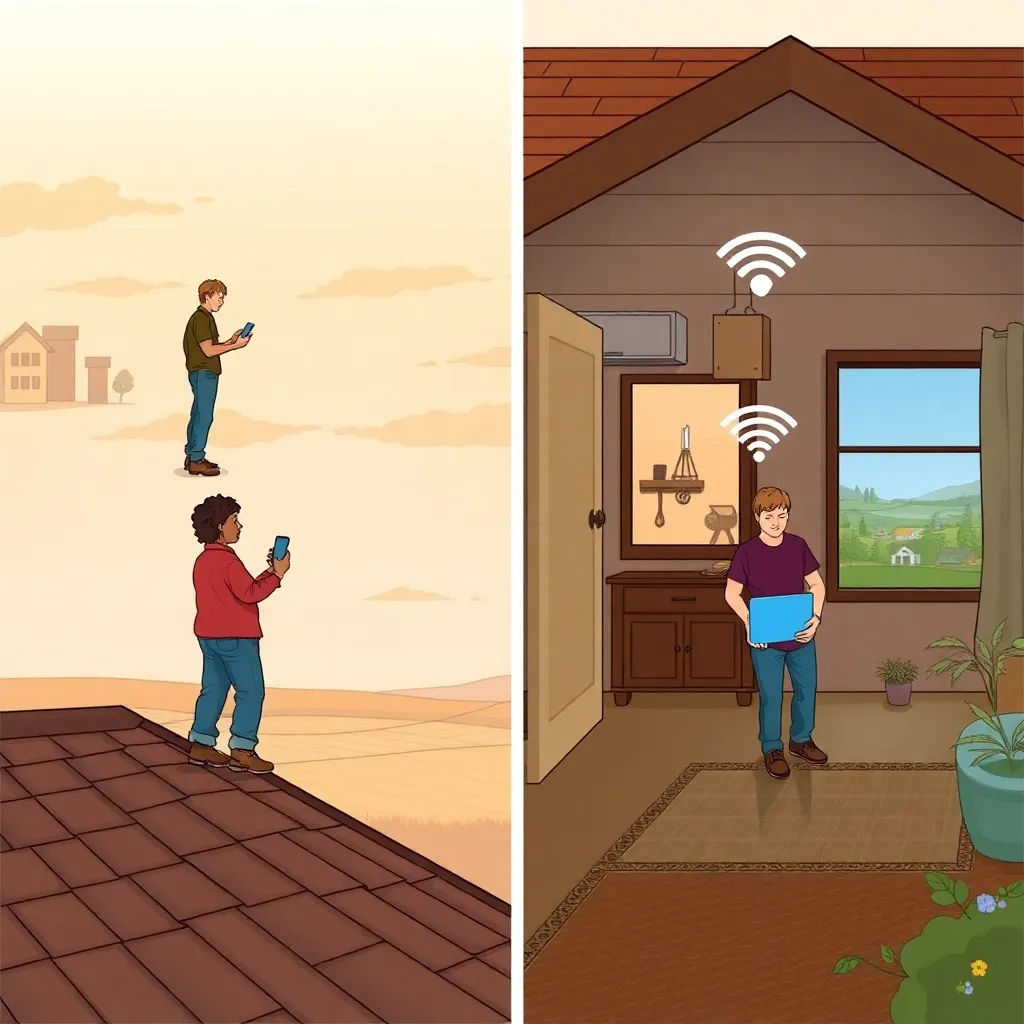
High-speed broadband in all regions, including places previously connected only by “one bar if you stand on the roof”
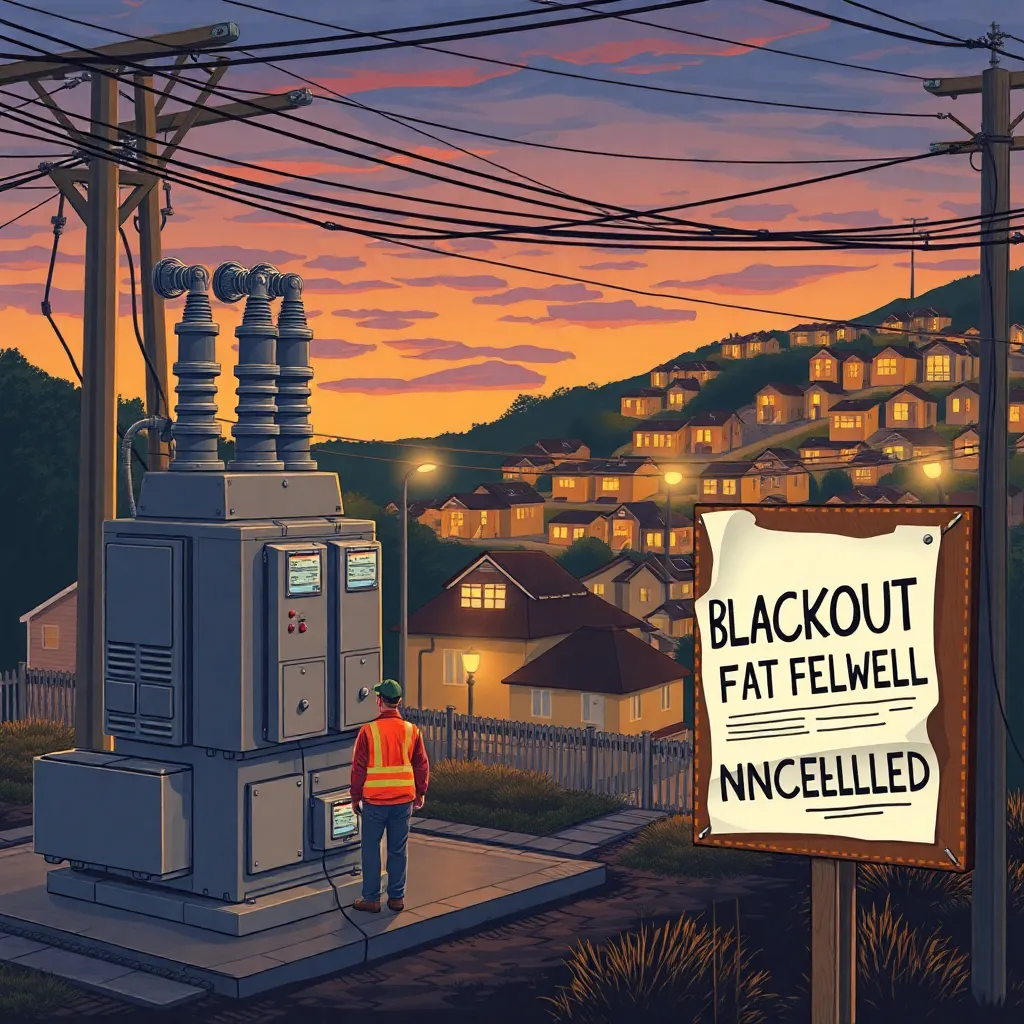
Energy grid modernization that stopped blackouts from being a seasonal tradition
Housing construction aimed at “people who work” rather than “people who park money”
Healthcare and childcare, freeing citizens to participate in the labor force without performing elaborate survival math
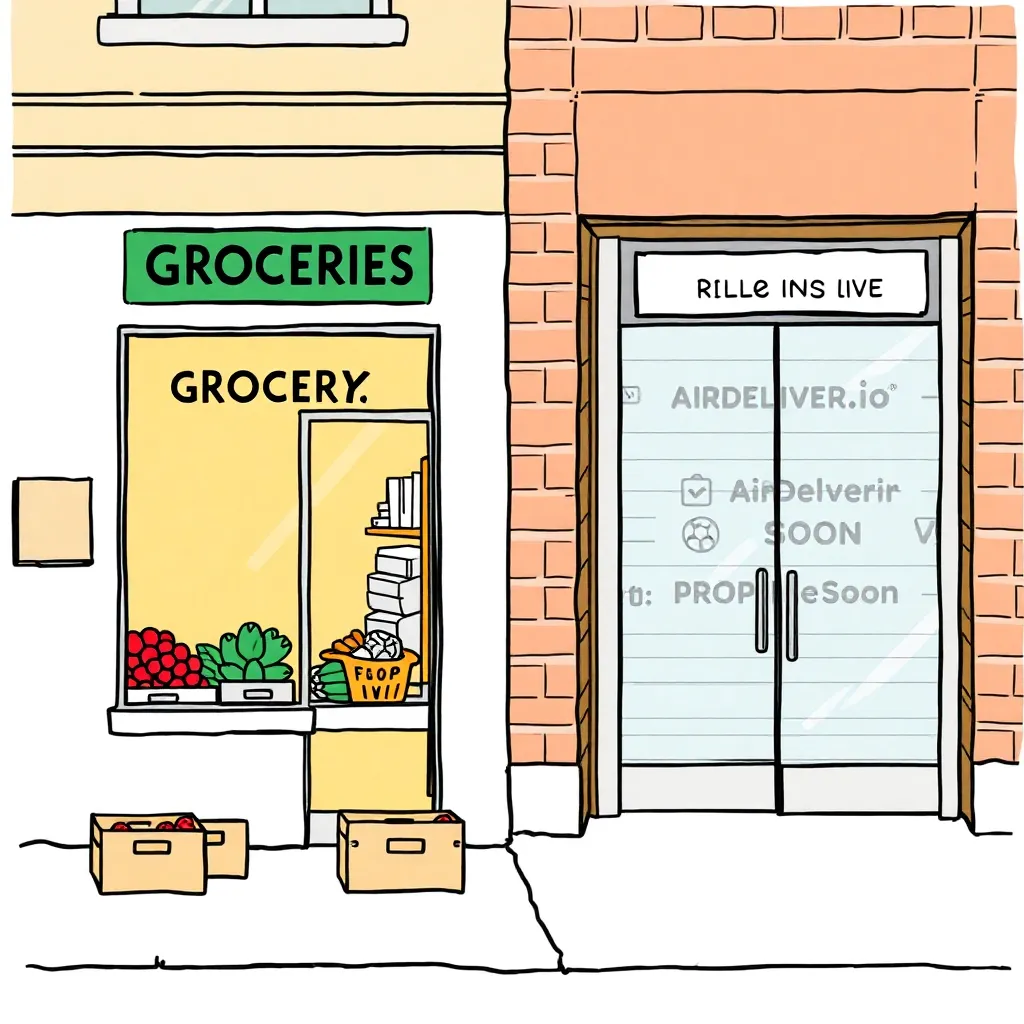
As a result, workers began showing up to jobs less exhausted, companies experienced fewer supply chain delays caused by bridges collapsing “for symbolic reasons,” and entrepreneurship shifted from “disrupting groceries” to “opening a shop that sells groceries.”
Venture Capital Industry Threatens to Move Somewhere Else, Again
Venture capital leaders, long accustomed to the global tradition of governments pouring money into speculative “innovation corridors” that mostly produce branded tote bags, expressed alarm that a country could prosper without subsidizing apps that deliver air.
“This sets a dangerous precedent,” said one investor, speaking on condition of anonymity because his firm recently pivoted from AI to “AI for AI.” “If citizens start expecting their taxes to come back to them as hospitals and trains, it’s only a matter of time before they begin asking why we needed a blockchain-enabled dog-walking platform valued at $9 billion.”
Reports indicate that prior to the reforms, Actuallystan had flirted with trendier economic strategies, including:
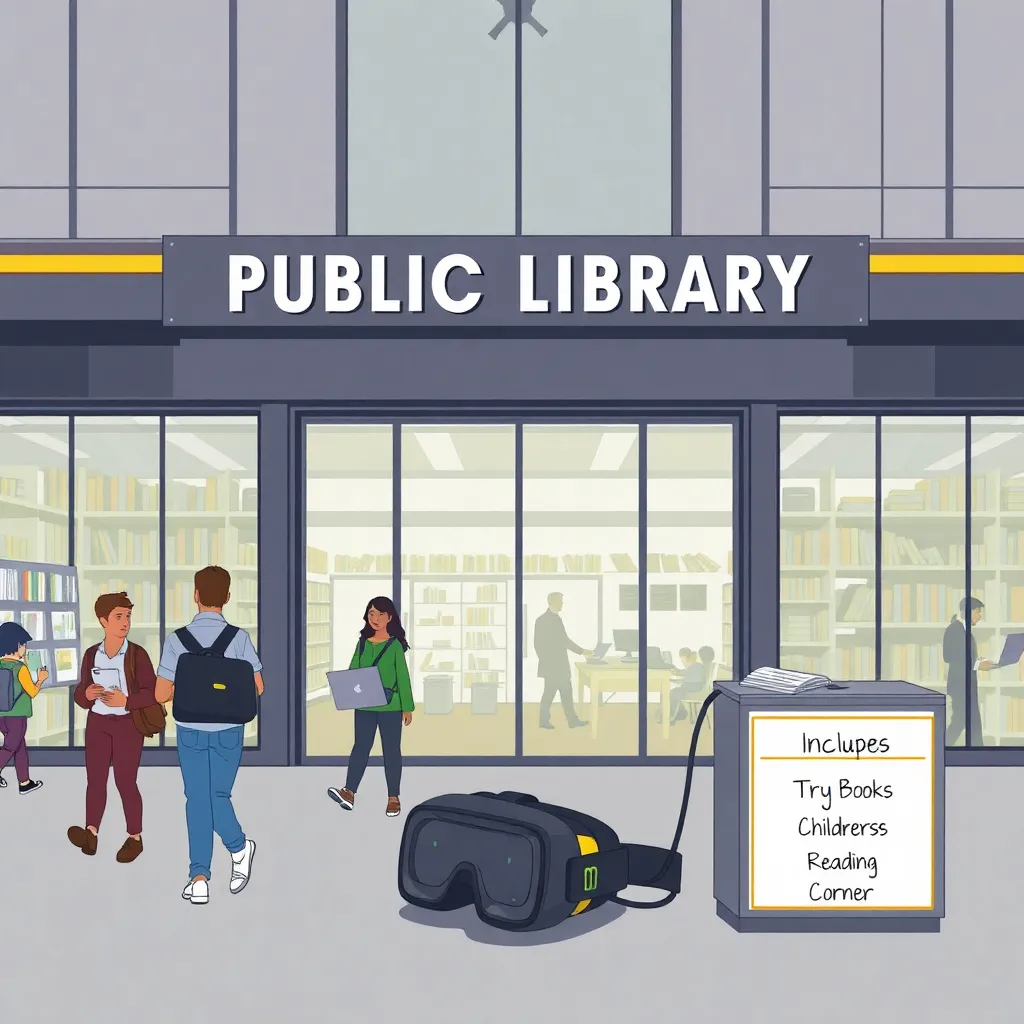
“A National Metaverse District,” later converted into a library after someone pointed out that libraries already exist and people like them
“Innovation Bonds,” replaced with “Regular Bonds But Used to Fix Roads”
“The Founder’s Visa,” now retitled “The Worker’s Bus Pass”
A spokesperson for the government clarified that the country is not “anti-innovation,” but is instead committed to “innovation that produces results rather than press releases.”
Citizens Report Disturbing Side Effects: Time, Health, and Hope
Residents describe daily life as “convenient” and “strangely stable,” raising concerns that the population may become accustomed to not living in a constant state of low-grade panic.
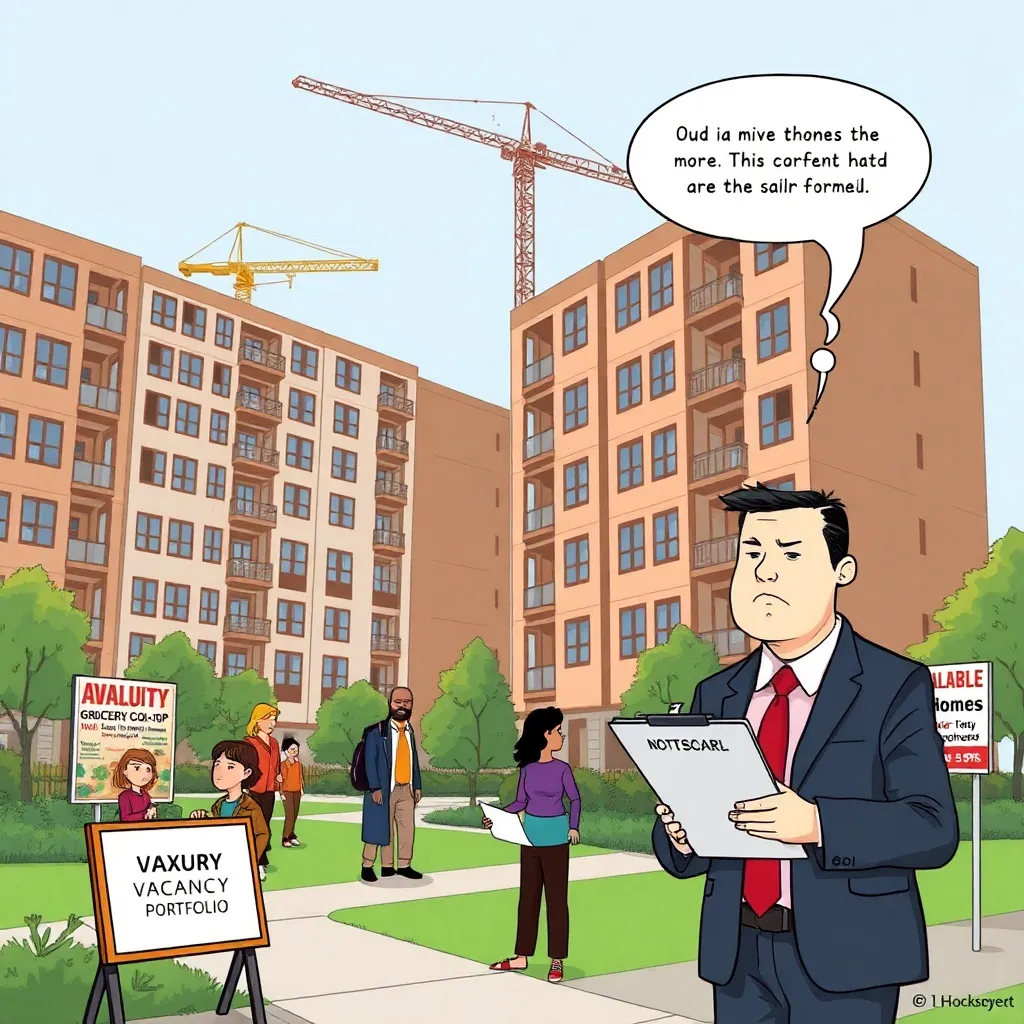
“It’s weird,” said local teacher Amira Voss. “My train came on time, my rent didn’t triple, and when my kid got sick we went to the clinic and it cost less than my streaming subscription. I don’t know what to be mad about anymore, so I started gardening.”
Mental health researchers are monitoring the situation closely, noting a dangerous rise in citizens reporting that they “feel fine,” and an unprecedented decline in the national consumption of stress-related pastries.
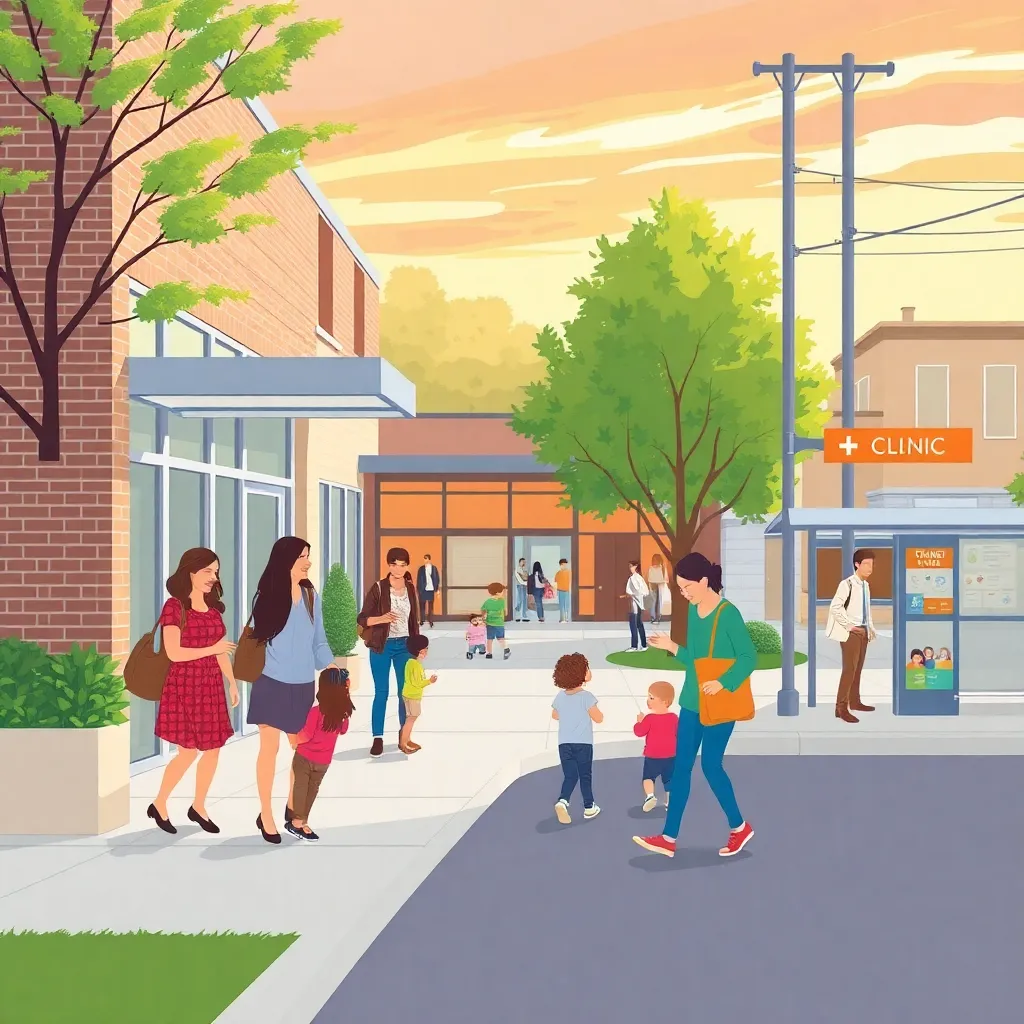
One man, who asked not to be named because it would “sound smug,” admitted he now has disposable income and spends it on “restaurants and books,” an alarming development for an economy traditionally based on “emergency expenses.”
GDP Skyrockets After Country Stops Paying the “Stupidity Tax”
Government analysts say the economic boom stems from a simple phenomenon: reducing friction.
“When infrastructure works, everything becomes cheaper and faster,” said a civil engineer who was briefly detained for using common sense in a public setting. “Goods move reliably. Workers arrive on time. Companies don’t need backup plans for the backup plans. You stop paying the national stupidity tax.”
The Ministry of Transport released a report showing that upgrading rail lines and ports cut logistics costs by 18%, while eliminating routine outages increased industrial output. Housing construction lowered household debt burdens, boosting consumer demand. Healthcare access reduced sick days and increased participation in the workforce.
In a shocking twist, the economy grew not because of a single genius billionaire “changing the world,” but because millions of ordinary people were enabled to do their jobs without spending three hours a day in traffic contemplating their mortality.
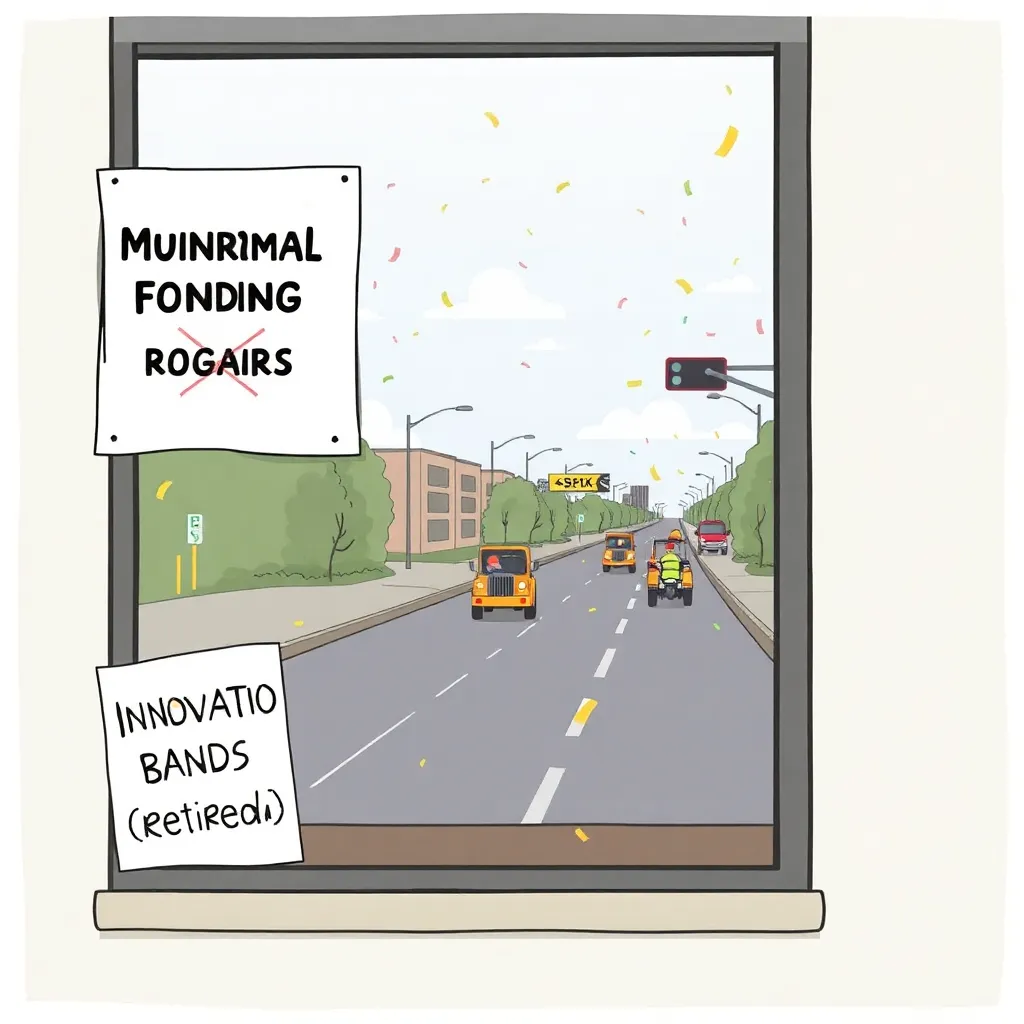
Billionaires Forced to Cope With a Society That Doesn’t Need Them as Much
Local billionaires have struggled to adjust to the new economic model, which deprioritizes “wealth extraction” and “rent-seeking” in favor of “functional civilization.”
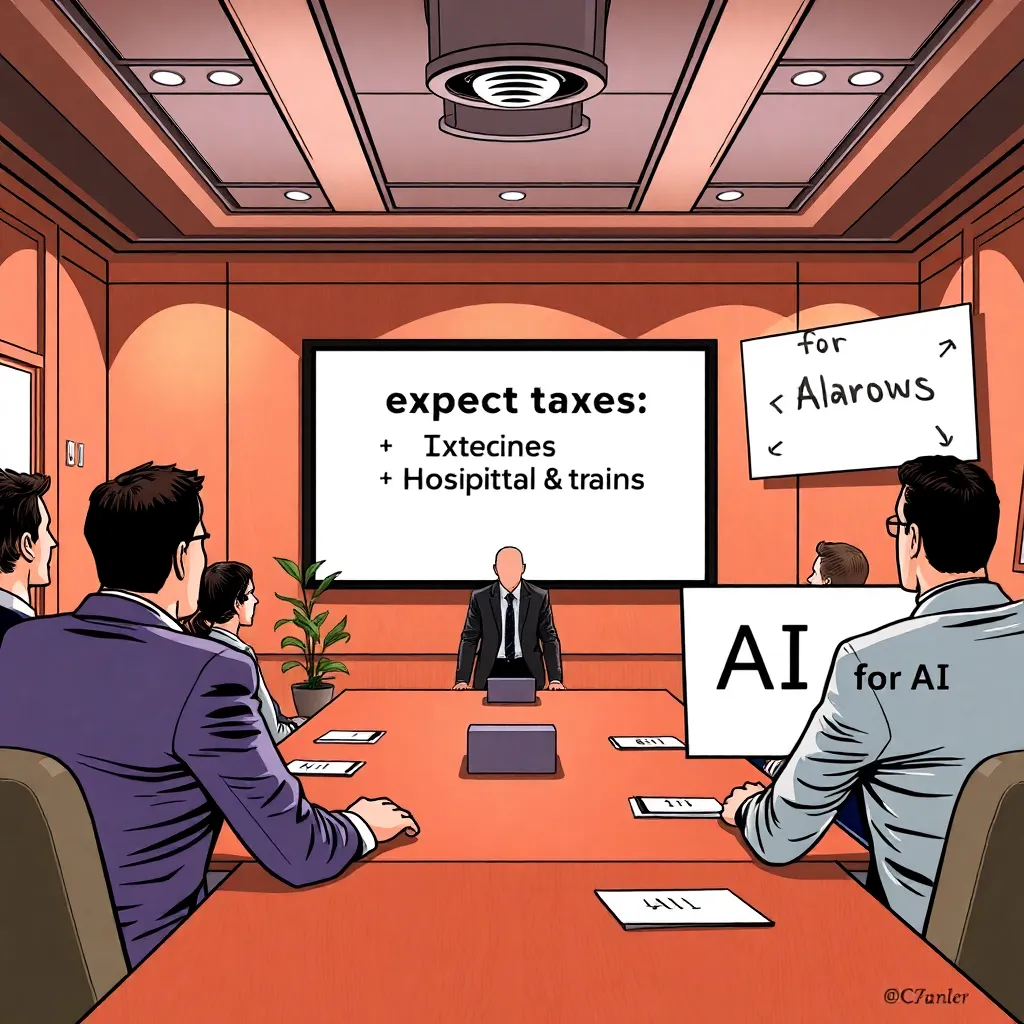
“It used to be easy,” said one distressed tycoon, sitting in a tastefully minimalist panic room. “You’d buy up housing, wait, and then people would pay you more because they had no choice. Now they’ve built more homes. Homes! Like some kind of… home-based solution.”
Some wealthy individuals have attempted to regain relevance by announcing philanthropic initiatives such as:
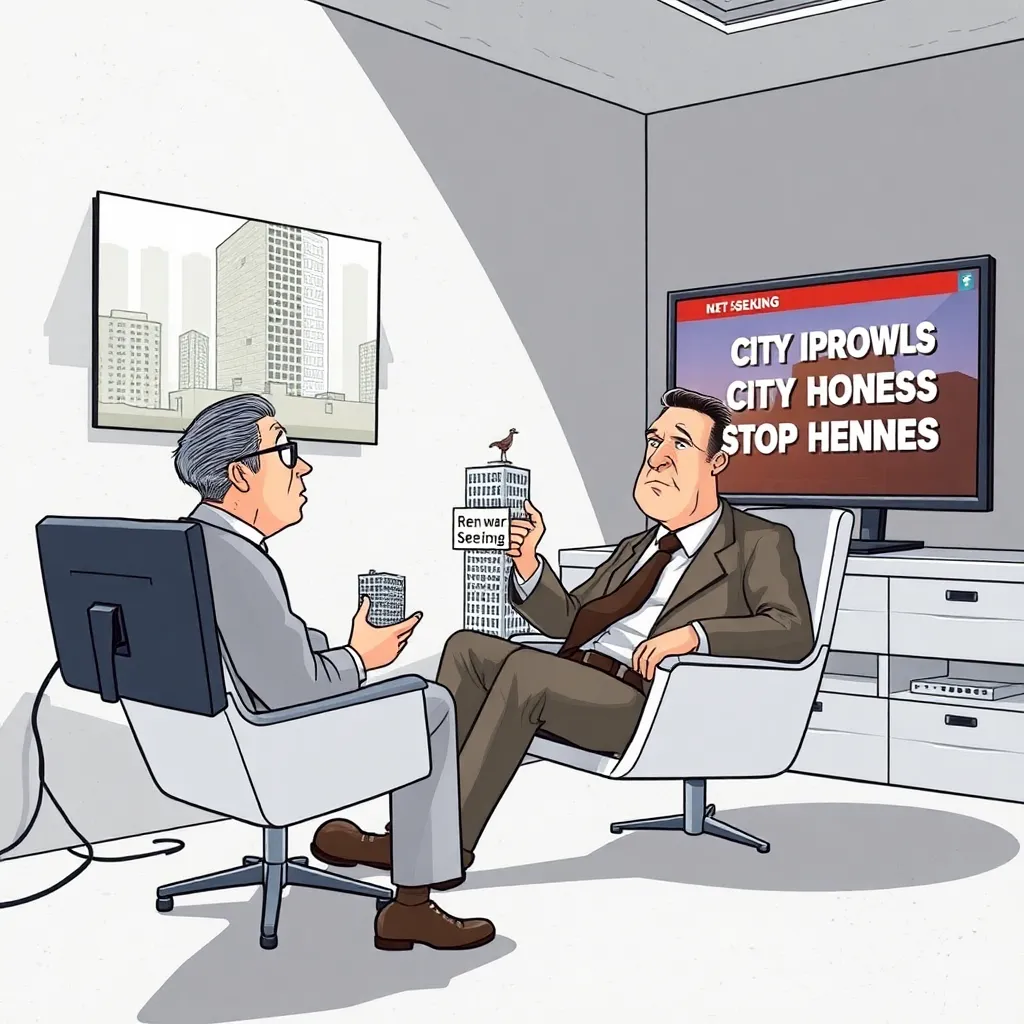
“A $400 million pledge to support awareness of bridges”
“A public-private partnership to reimagine the concept of drinking water”
“A bold new incubator to disrupt the obsolete practice of ‘having money’”
These efforts have so far failed to impress a public that has grown dangerously accustomed to measurable outcomes.
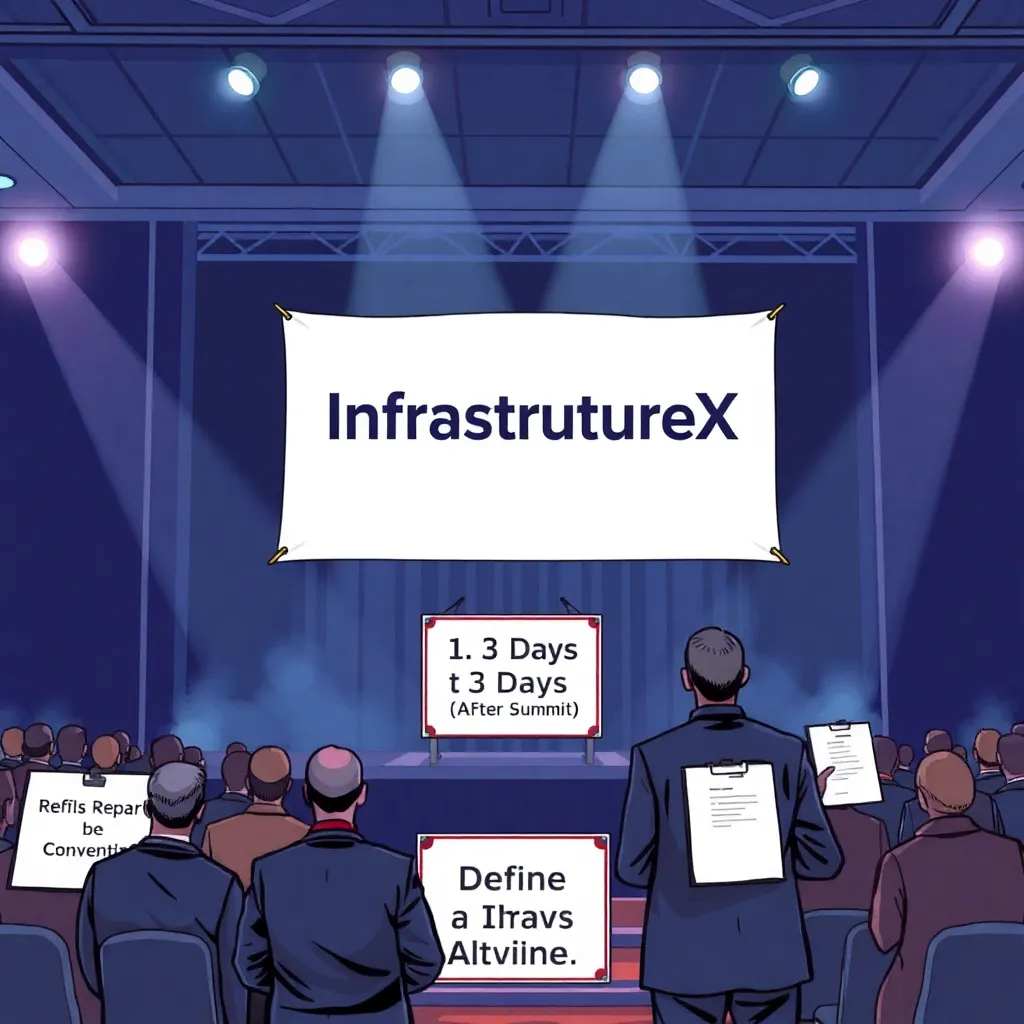
International Leaders Seek to Replicate Success Without Doing Any of the Work
Foreign governments have expressed interest in Actuallystan’s “miracle model,” immediately commissioning studies to determine whether it can be implemented through branding alone.
“We love what they’ve done,” said one visiting delegation leader. “We’re planning to launch a national initiative called InfrastructureX, featuring a new logo and a three-day summit. After that we’ll see if anyone else builds the bridges.”
At press time, several countries had already begun adopting the strategy in a modified format involving:
Announcing a trillion-dollar infrastructure plan
Spending 7% of it on infrastructure
Spending the rest on consultants tasked with defining the word “infrastructure”
The Radical Secret: Spending Public Money Like It’s Public
Asked how the government managed to resist the temptation to funnel the budget into vanity projects and prestige subsidies, Minister Pragmatic offered a simple explanation.
“We had a meeting,” she said, “and someone asked, ‘What if we just spent it on what the country needs?’ At first we laughed, obviously. But then we tried it, and now everything is annoying because it works.”
She added that the government’s most controversial reform was “measuring success by whether people’s lives improve,” rather than by the number of excited headlines generated during quarterly earnings calls.
Closing the Happiness Gap by Closing Actual Gaps
As the country continues its rise, critics insist the model must be unsustainable, citing the fundamental economic law that prosperity is only real if it is difficult, exclusive, and accompanied by at least one app.
But residents remain stubbornly upbeat.
“Look,” said Voss, the teacher, “I’m not saying it’s perfect. Sometimes the bus is three minutes late. But then I remember we have functioning schools, affordable healthcare, and bridges that remain in the same place year to year. So I guess I’ll survive.”
Analysts warn that if this reckless experiment continues, other nations may be forced to confront a terrifying possibility: that the path to the biggest economy and the happiest population might not require futuristic jargon, speculative bubbles, or billionaire worship—just roads, homes, hospitals, power, schools, and a government that treats those as priorities rather than optional side quests.
In related news, several global think tanks have begun issuing emergency papers titled: “Is It Even Capitalism If People Are Okay?”