Nation Builds 11km-Tall Concrete Pyramid “Just To Flex,” Announces It Will Serve No Purpose Beyond Being Extremely There
In what officials are calling “a necessary investment in vibes,” the Republic of Absolutely-Not-Compensating-For-Anything has unveiled a colossal 11-kilometer-tall pyramid made entirely of reinforced concrete, a structure so large it is reportedly visible from space, visible from the ground, and—according to early reports—visible from inside the human psyche if you stare at it long enough.
The monument, officially named The National Pyramid of Unspecified Dominance and unofficially nicknamed “The Big Point”, boasts a base area exceeding 100 square kilometers, making it the largest man-made project in the world and, by most estimates, the largest object ever constructed for the sole purpose of reminding neighboring countries that they could have done this too, but didn’t.
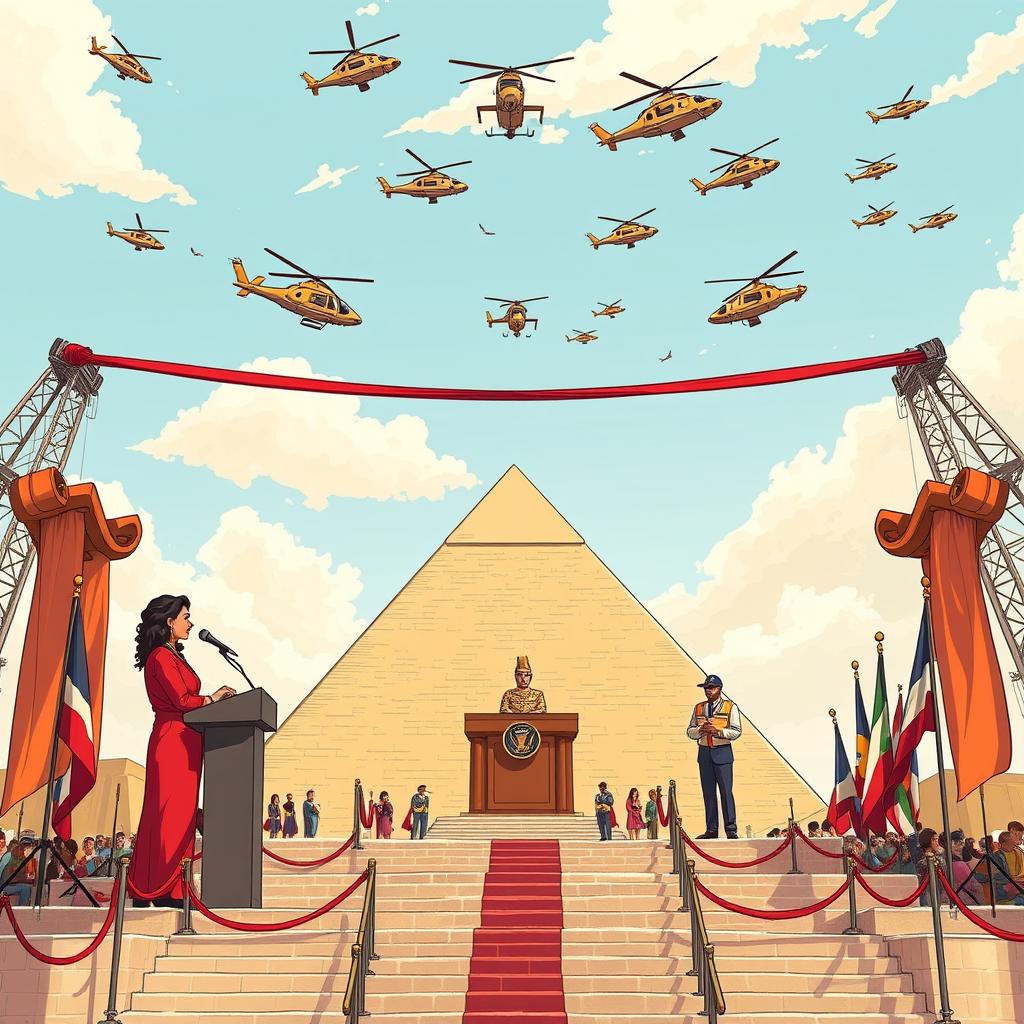
“This is not infrastructure,” clarified Minister of Grand Gestures Laila Q. Dramatic at the ribbon-cutting ceremony (a ribbon reportedly requiring three separate logistics companies and a small air force). “This is not housing. This is not transportation. This is a national statement. And the statement is: look at it.”
Taller Than Everest, Shorter Than the Government’s Explanation
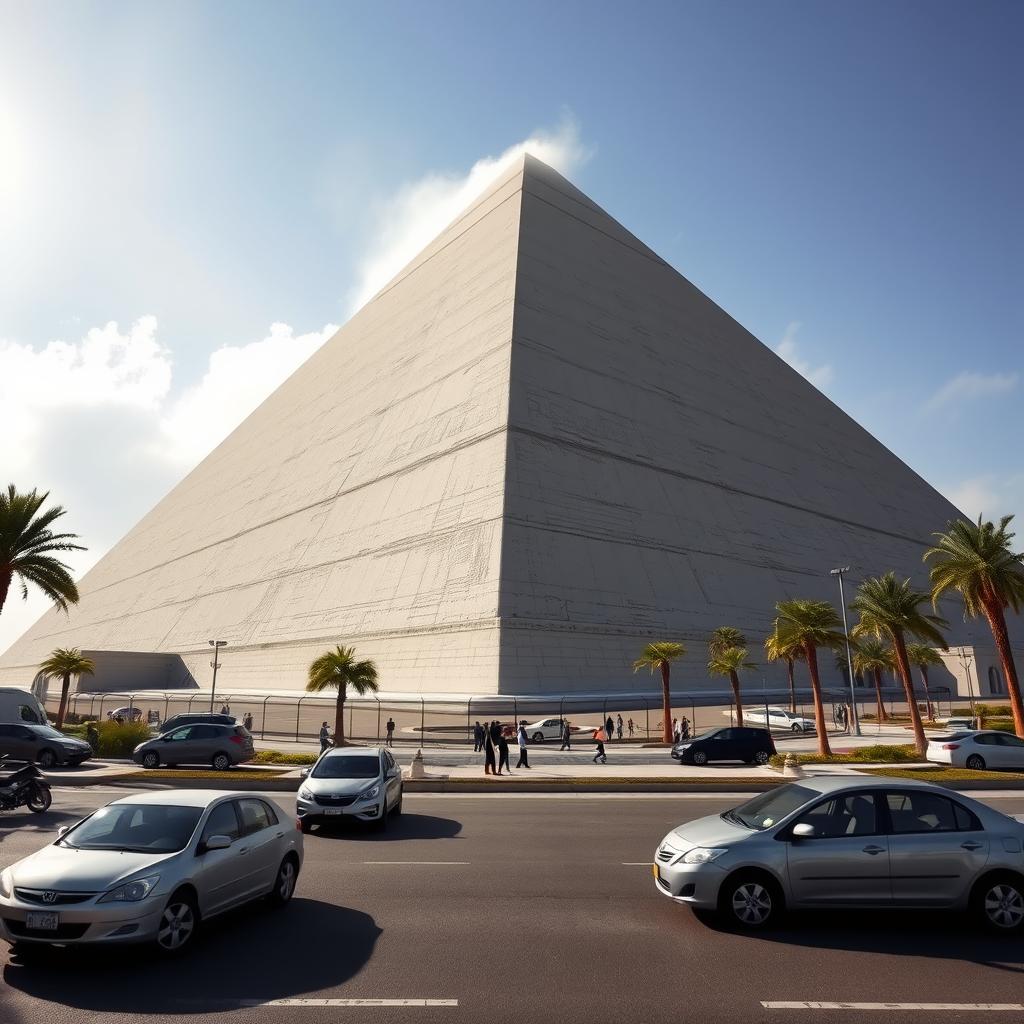
At 11 kilometers tall, the pyramid surpasses Mount Everest by a comfortable margin, raising urgent questions among geologists about whether we have simply decided that the natural world’s achievements are now benchmarks for petty competition.
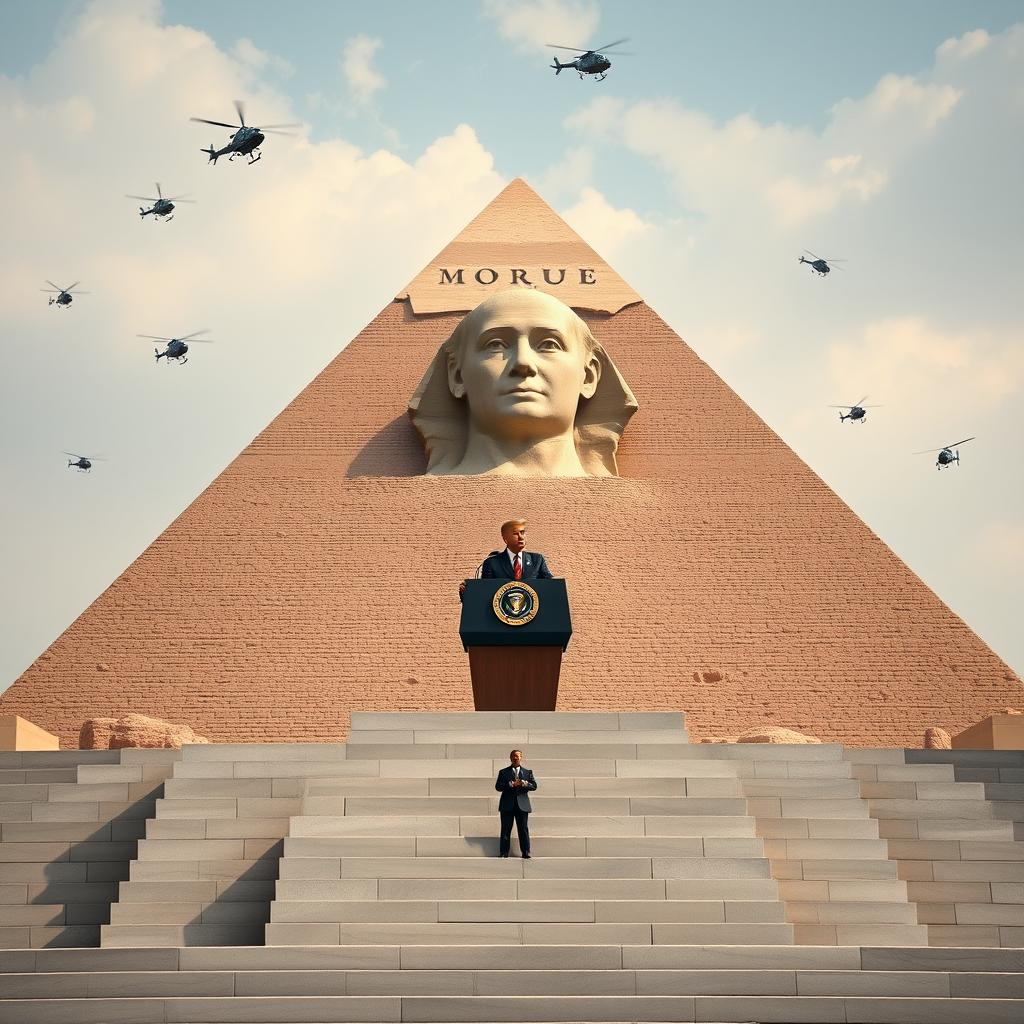
Asked why the nation did not instead build, for example, hospitals, schools, or a functioning rail network, President Magnifico Flexington delivered an address from a podium that had been constructed on the pyramid’s lower terrace.
“Everest is a mountain,” the President said, pausing for dramatic effect while helicopters circled as if guarding a sacred relic. “This is a choice.”
When pressed for further clarification, the President added: “Also, it is a triangle. Triangles are stable. This is science.”
Price Tag: $13 Trillion, Which Officials Describe as “Basically Change”
The project’s final cost came in at $13 trillion, which the Finance Ministry described as “only around 0.2% of the total government budget,” a statement that immediately caused international economists to fall silent in the way people do when they smell something burning but can’t locate the source.
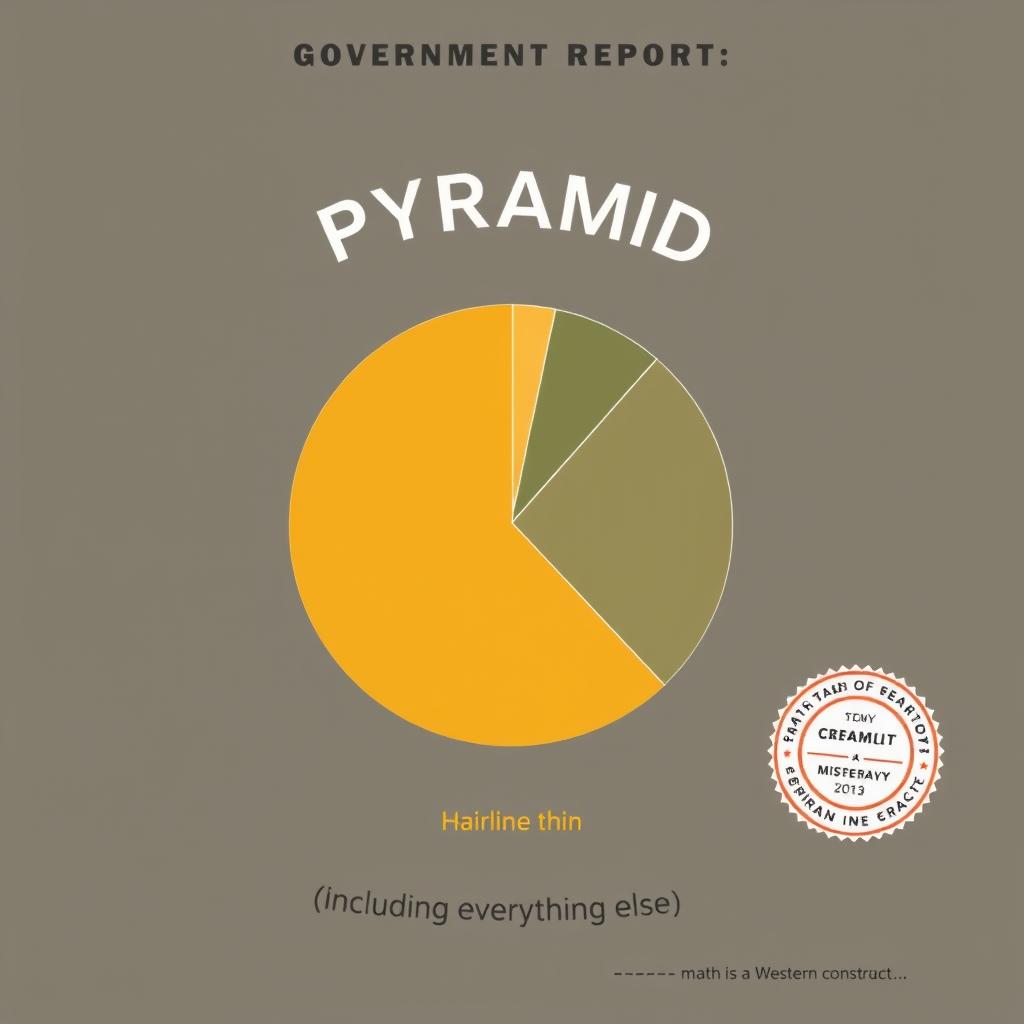
Opposition lawmakers argued the number makes no mathematical sense. The government responded by releasing a statement insisting that “math is a Western construct designed to limit emerging economies.”
A follow-up budget report contained a helpful pie chart labeled “National Spending,” featuring a single slice titled Pyramid, with the remaining budget categorized under Miscellaneous (Including Everything Else).
The Central Bank has attempted to calm markets by assuring citizens that the pyramid will “pay for itself in pride.”
Engineers Confirm It’s “Definitely Concrete” And “Very Tall”
Construction took seven years and required the mobilization of cement plants, steel supply chains, and a national rebranding campaign for the phrase “reinforced.”
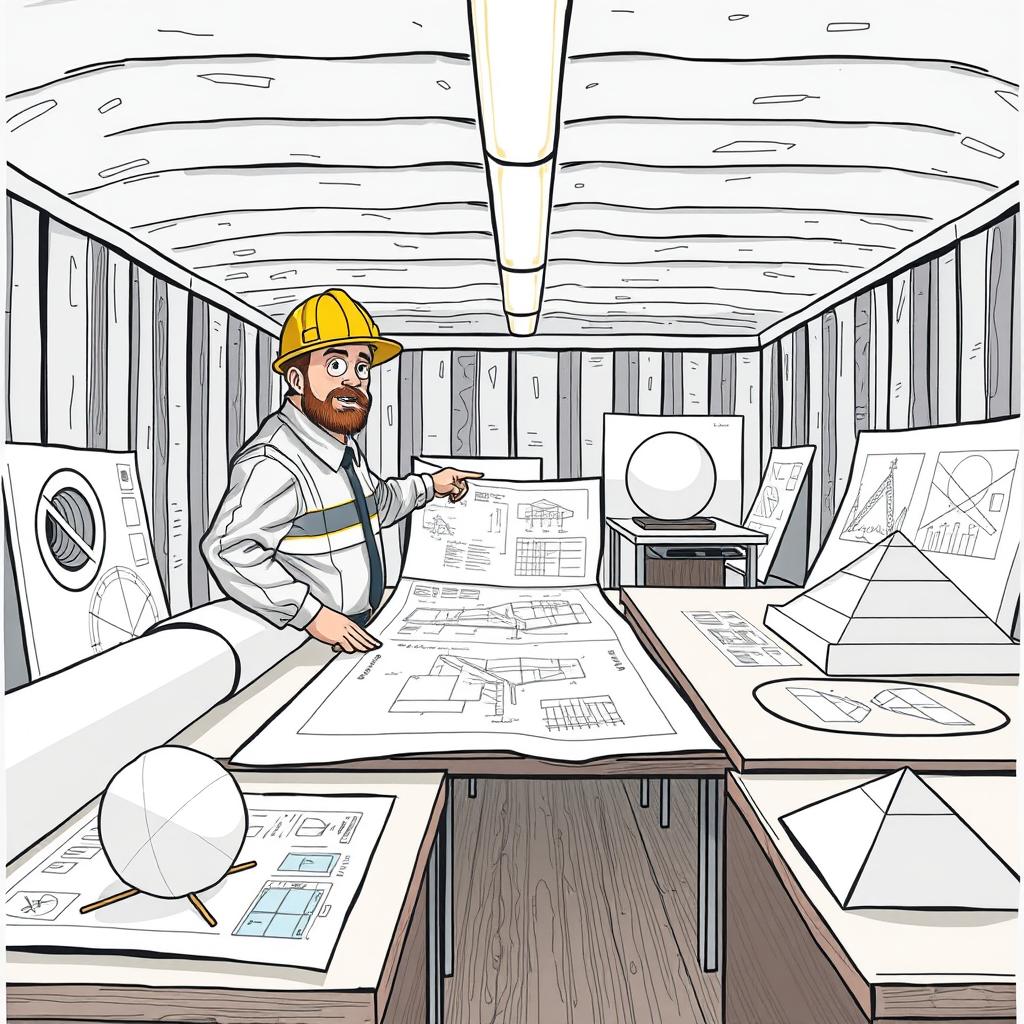
Chief Engineer Tomas R. Bricksworth explained the design philosophy in technical terms.
“We considered many shapes,” he said. “A sphere would roll away. A cube is arrogant. A pyramid says: I am here, and I will not be moving.”
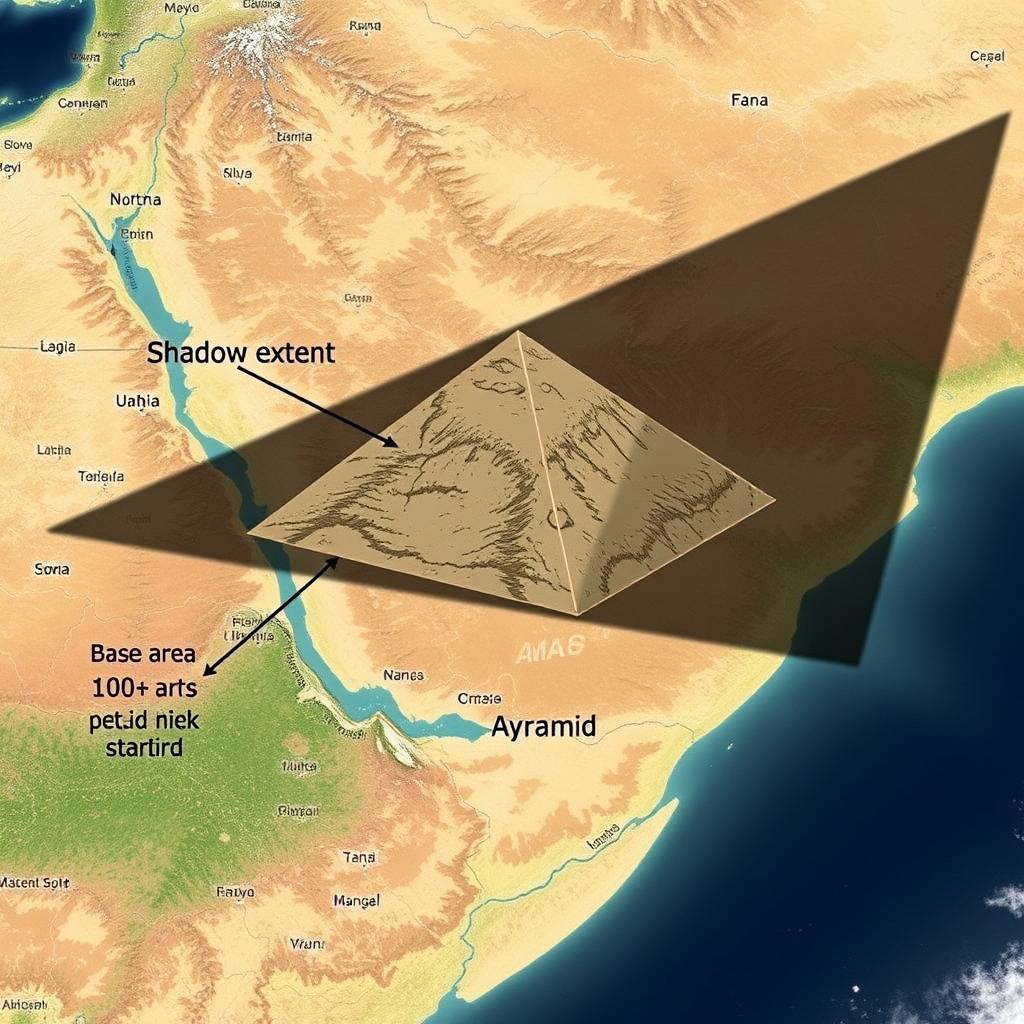
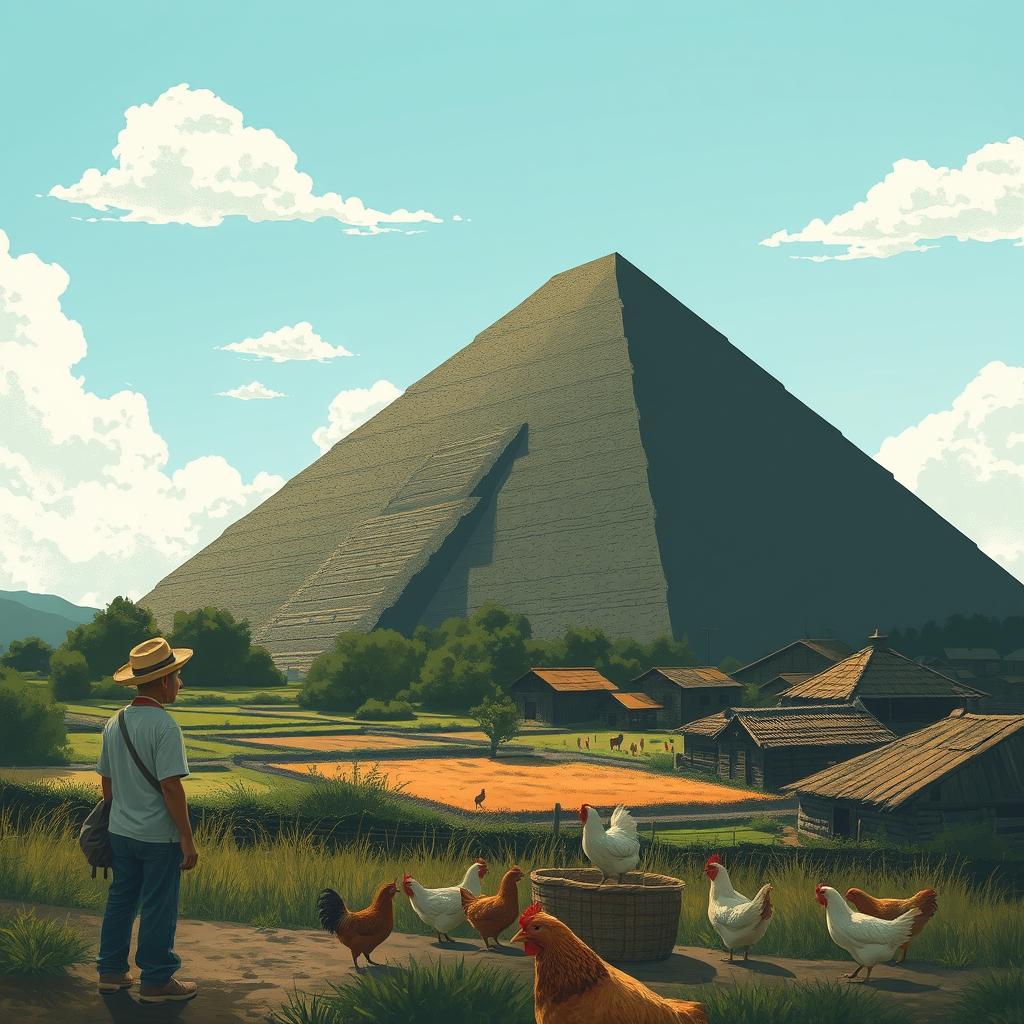
Satellite imagery shows the structure casting a shadow that reportedly crosses three time zones and, on certain mornings, causes nearby residents to experience what meteorologists are calling “brief existential dusk.”
One local farmer described the phenomenon: “At 10 a.m., my chickens think it is night again. They have started forming a religion.”
Open Invitation To Artists: “Please Paint It So It Looks Less Like A Mistake”
In an unexpected pivot toward cultural diplomacy, the government announced the pyramid will be open to artists from around the world, who are invited to cover the “boring gray concrete” with murals, installations, and “anything that distracts from how much of this is just concrete.”
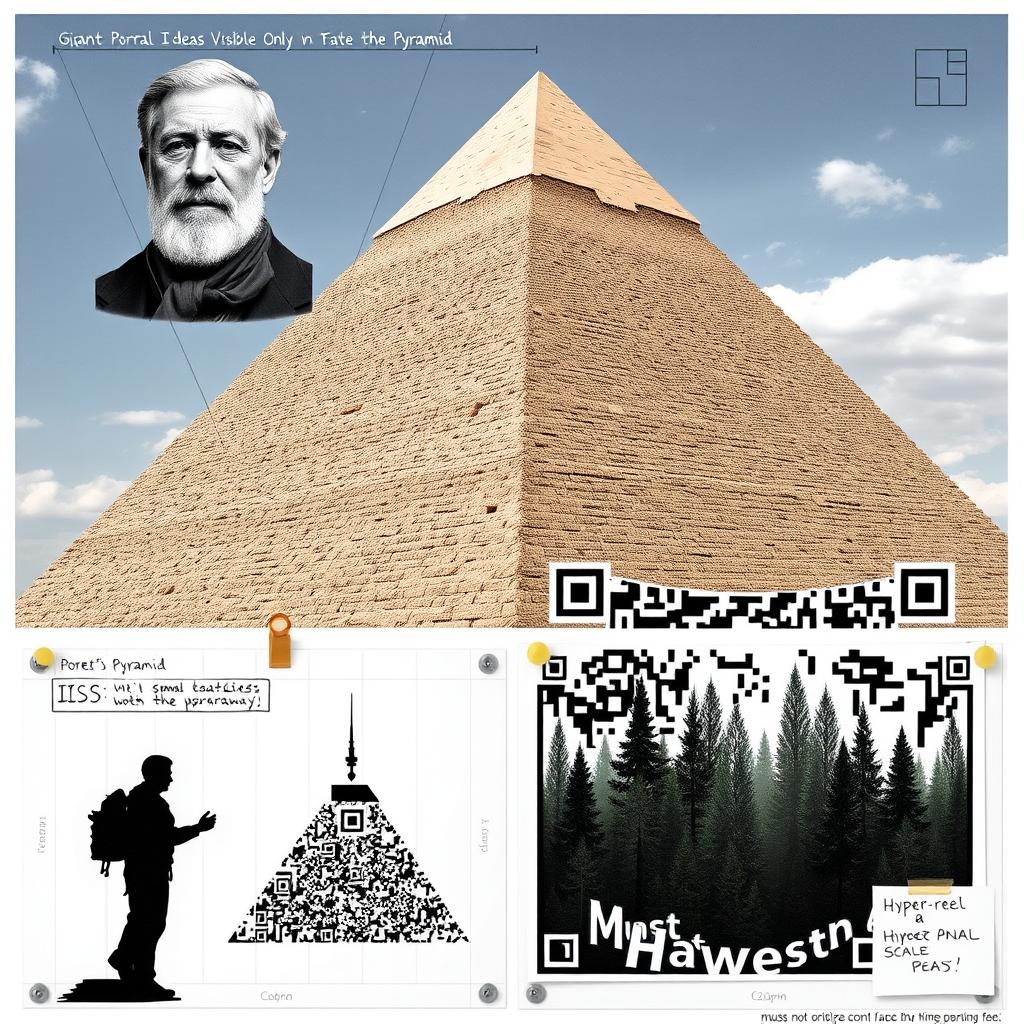
The Ministry of Culture confirmed it has already received proposals including:
A 9-kilometer portrait of a national poet that can only be fully appreciated from a low-orbit satellite.
A trompe-l'œil mural of a smaller, tasteful pyramid, as a form of “architectural irony.”
An interactive QR code so large it can be scanned by the International Space Station.
A hyper-realistic painting of a forest “for those who miss having one.”
Officials emphasized that all artwork must meet strict guidelines: it should be “beautiful,” “uplifting,” and “not a criticism of the pyramid,” though they added that “abstract art is welcome because no one can prove it’s an insult.”
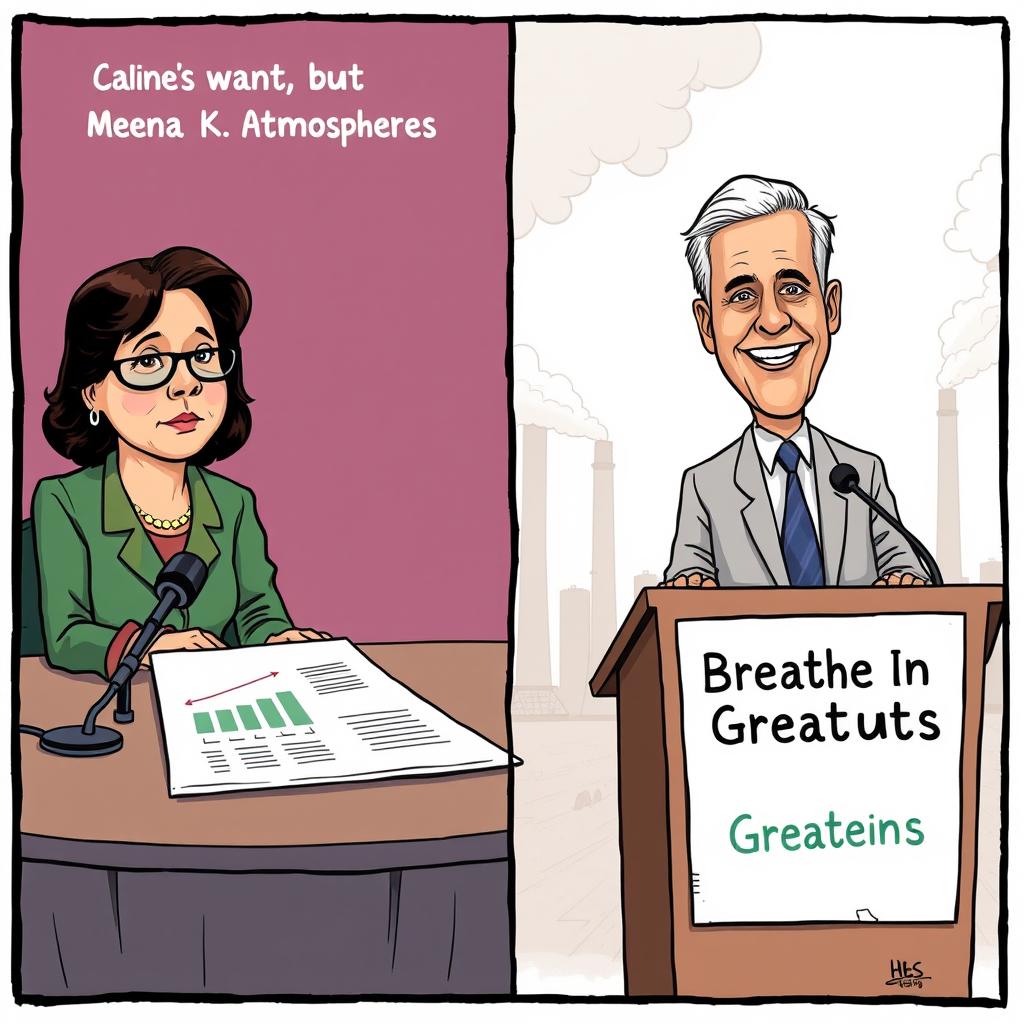
Environmental Scientists Warn Of CO₂ Emissions, Officials Respond With New Slogan: “Breathe In Greatness”
Environmental scientists have raised concerns that the construction released an enormous amount of carbon dioxide into the atmosphere, citing cement production as a significant contributor to global emissions.
“The carbon footprint of this project is not a footprint,” said Dr. Meena K. Atmosphere of the Institute for Things We Probably Shouldn’t Do. “It is a carbon continent.”
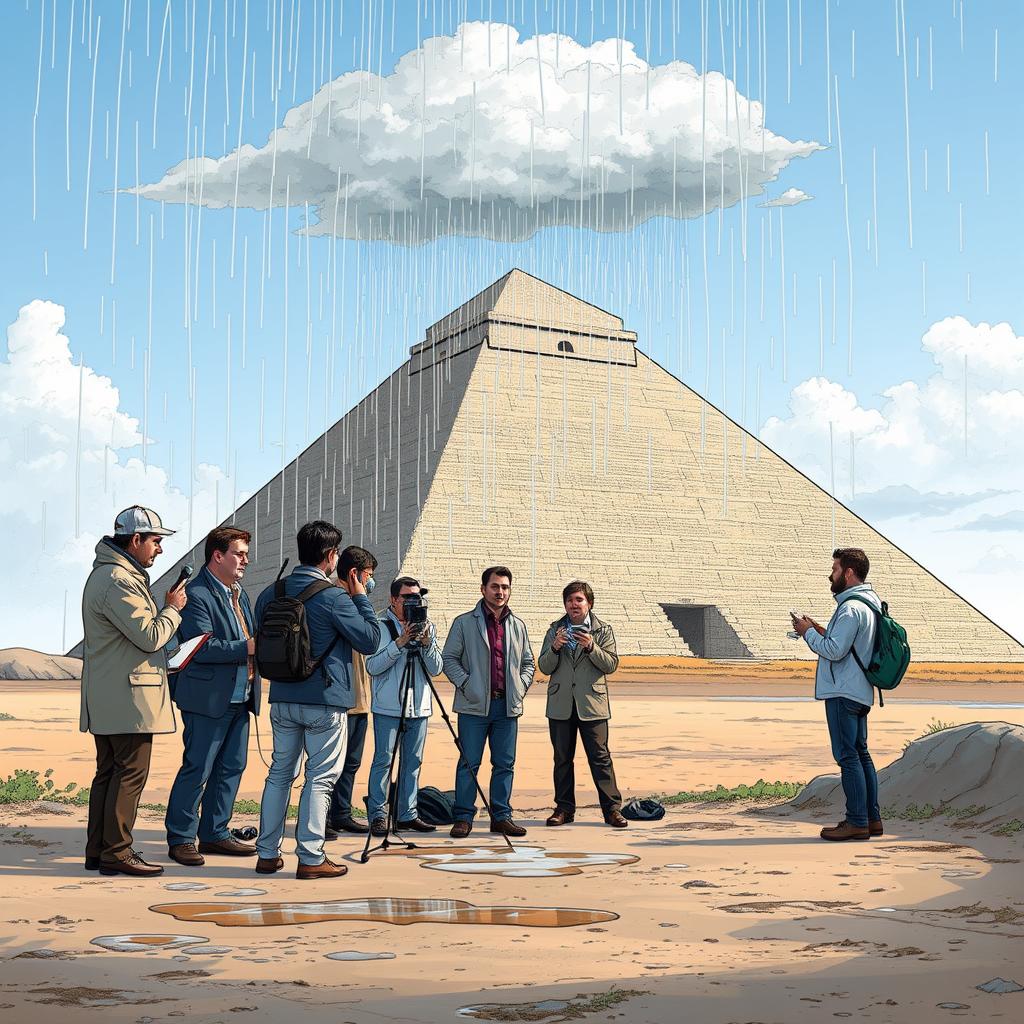
Scientists also warned that the pyramid’s colossal mass and surface area could cause unexpected regional weather effects—including altered wind patterns, strange cloud formation, and localized microclimates where rain may fall exclusively on people who have expressed doubt about the project.
Government spokespeople dismissed these warnings as “anti-concrete bias.”
“We believe the pyramid will actually improve the climate,” said Deputy Minister of Strategic Optimism Jaro Lune. “For one thing, it provides shade. For another, it inspires citizens to stand taller. Standing taller increases airflow around the body. That’s basically wind energy.”
When asked about emissions, the Energy Ministry noted that the pyramid’s art program might include a mural “raising awareness about climate change,” thereby “offsetting the carbon through symbolism.”
The Pyramid’s Only Function: Being A Pyramid

In a rare moment of honesty, officials confirmed the structure serves no practical purpose.
It does not generate power, store data, house offices, or function as a transit hub. It is not a museum, a monument to historic tragedy, or a defensive structure against alien invasion. It is simply a gigantic, immovable, extremely expensive geometric object.
“It’s a flex,” said one official, who requested anonymity because even saying “flex” in an official capacity requires approval from the Committee on National Tone.
Citizens have responded with a mixture of awe, confusion, and the quiet, simmering realization that their commute is still 90 minutes because the nation has “not had time” to fix the roads.
“I love it,” said local resident Noura Al-Massive. “It’s beautiful in a way that makes me question everything. I just wish the government would also flex on potholes.”
Tourism Booms As Visitors Arrive To Take Photos And Feel Small
Tourism officials report a surge in visitors eager to see the pyramid, touch the concrete, and experience the unique sensation of being in the presence of something so large it makes your personal ambitions feel like a hobby.
Souvenir stands already sell:
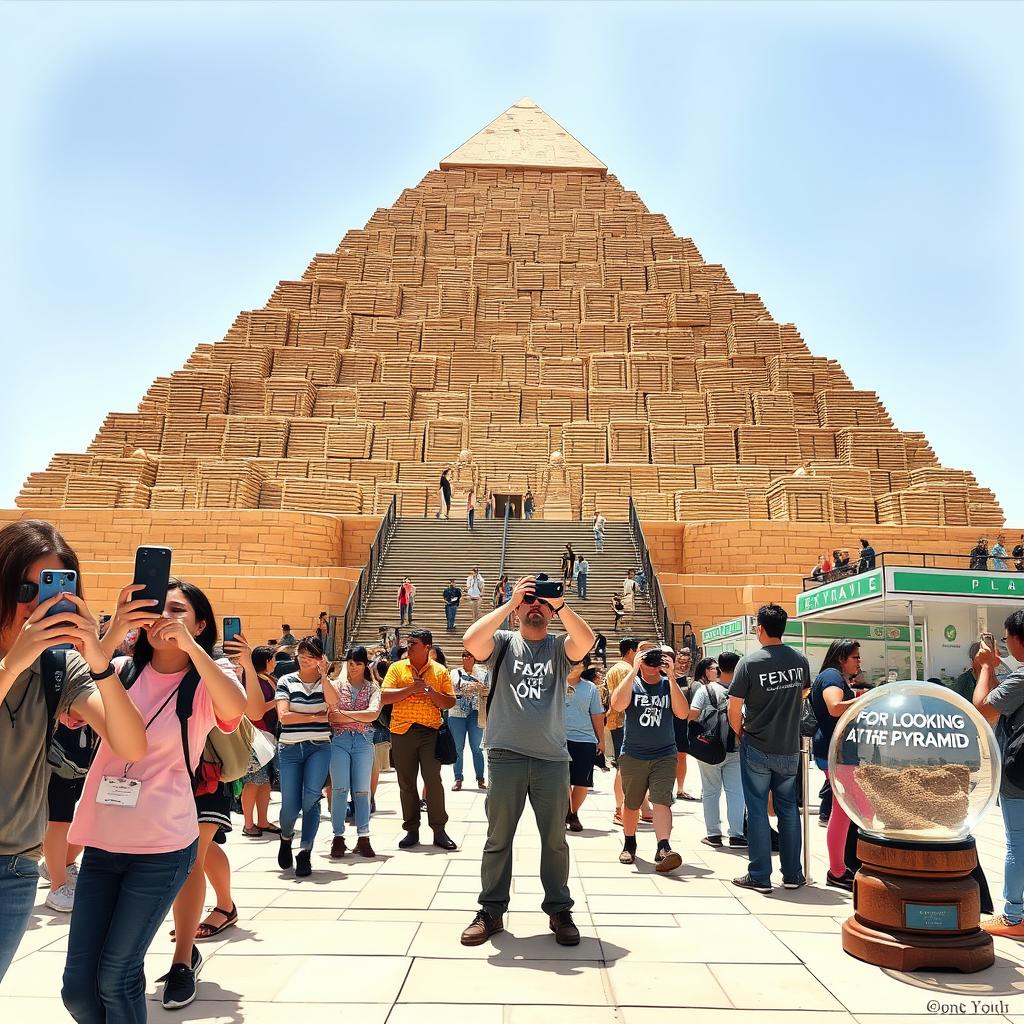
Miniature concrete pyramids (surprisingly heavy).
“I Got Flexed On” T-shirts.
Sunglasses labeled “For Looking At The Pyramid Without Crying.”
Snow globes containing dust, “for realism.”
The national tourism board has released a promotional video featuring dramatic drone shots, orchestral music, and a narrator whispering, “You could have been normal. You chose this instead.”
International Reaction: “Concerned,” “Impressed,” “Annoyed,” “Taking Notes”
Foreign leaders have offered cautious statements.
The United Nations issued a diplomatic note calling the pyramid “a significant development,” a phrase generally used when diplomats do not know what else to say but want to sound like they have processed the event.
One neighboring country’s Prime Minister reportedly stared at the satellite images for five minutes before saying, “Fine. We’ll build a cube.”
A consortium of global architects described the project as “technically remarkable” and “philosophically unhinged,” while several billionaires expressed interest in purchasing naming rights to individual pyramid faces.
What Happens Next: More Concrete, Probably
When asked whether there are plans to build additional megastructures, officials smiled in the manner of people who have already purchased too much cement and are looking for an excuse.
“We are exploring options,” said Minister Dramatic. “Maybe a second pyramid. Maybe an inverted pyramid. Maybe a pyramid with a smaller pyramid on top, like a hat. We want to keep innovation alive.”
As the sun set behind the vast concrete slopes—creating what witnesses described as “a shadow with political opinions”—the President concluded the ceremony with a final statement meant to reassure the world.
“We have proven we can build anything,” he said. “And now we will rest, because we are tired. Very, very tired. But proud.”
Environmental scientists, meanwhile, confirmed the region’s first unusual weather pattern: a light drizzle that fell exclusively on a press conference held by climate researchers, while the pyramid itself remained perfectly dry, as if even the sky didn’t want to pick a fight with it.