President Unveils Sweeping Tariffs on Penguin Territories, Citing "Unfair Waddling Advantage"
In a Rose Garden announcement delivered beside a chart labeled BIRDS WE OWE MONEY TO, President Donald Trump unveiled a new tariff regime aimed at remote island territories inhabited almost entirely by penguins, accusing the flightless populations of "taking tremendous advantage of America through very aggressive formalwear."
The measures, according to administration officials, will apply to imports from several sub-Antarctic islands, icy outposts, and "wherever else these birds are doing business in large tuxedo-like numbers." The White House insists the move is about restoring balance to global trade. "For years," the president said, tapping a map of the Southern Hemisphere with the confidence of a man introducing it for the first time, "penguins have been sending us a message: cheap fish, no neckties, no respect. That ends today."
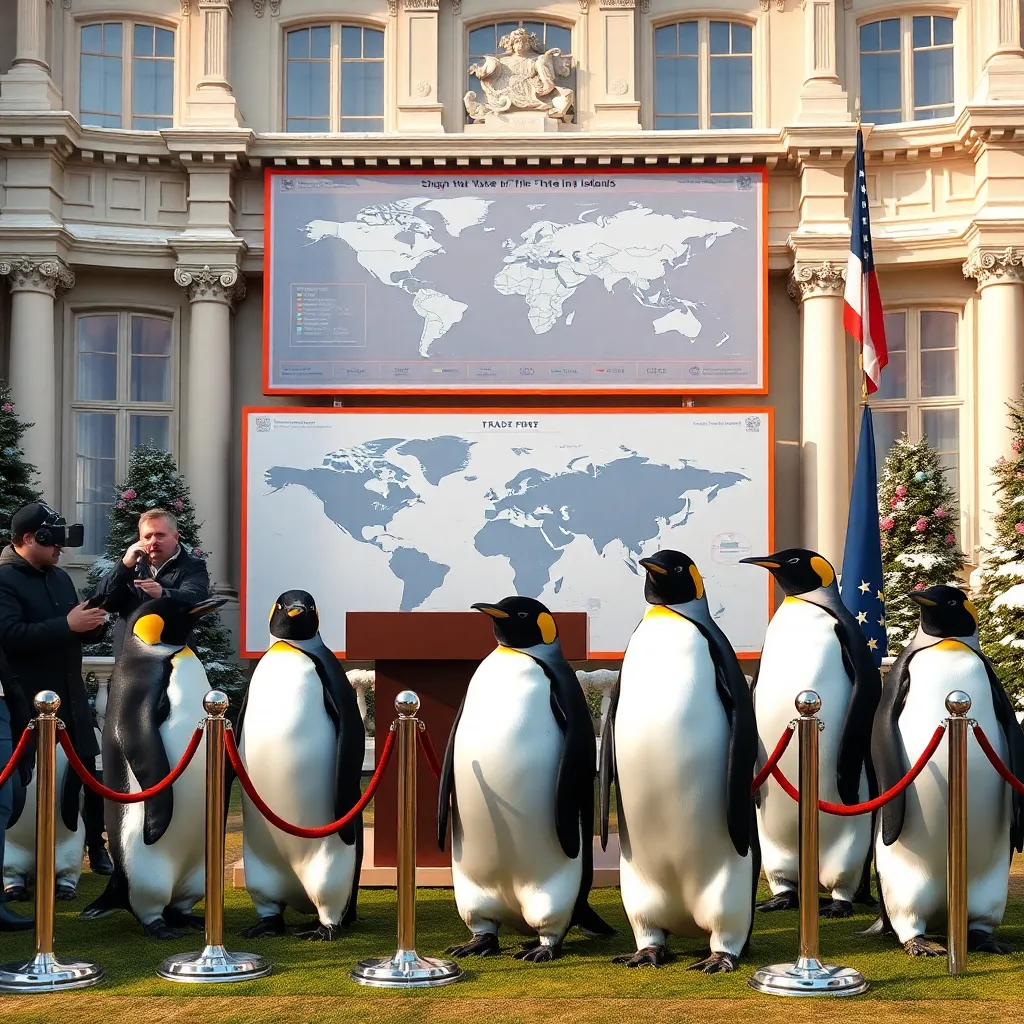
Markets reacted with immediate confusion, followed by a rally in companies producing very small ladders, after investors incorrectly assumed penguins would now be required to enter the United States through conventional stair-based customs facilities. Commodity traders scrambled to assess exposure to krill-linked supply chains, while cable news networks filled entire afternoon blocks with former admirals, branding consultants, and one extremely confident aquarium manager.
Administration sources say the tariffs were developed after a late-night policy review in which aides presented the president with a photo of a colony of emperor penguins. The image, intended to support a climate briefing, instead appears to have raised concerns about "massive coordinated standing" and "very suspicious beachhead behavior." One official, speaking on condition of anonymity because he hopes to keep his job until Thursday, said the room changed tone after someone remarked that the birds "all dress for state dinners, yet never pick up the check."
The new framework includes a baseline levy on fish, ice, pebbles, guano, and what the Commerce Department described as "certain strategic cold-weather assets." While experts have noted that penguin-administered territories export almost nothing to the United States beyond occasional scientific bewilderment, the White House argues that this is precisely what makes them dangerous. "When you can't measure the trade imbalance," said one senior adviser, "it could be infinite."
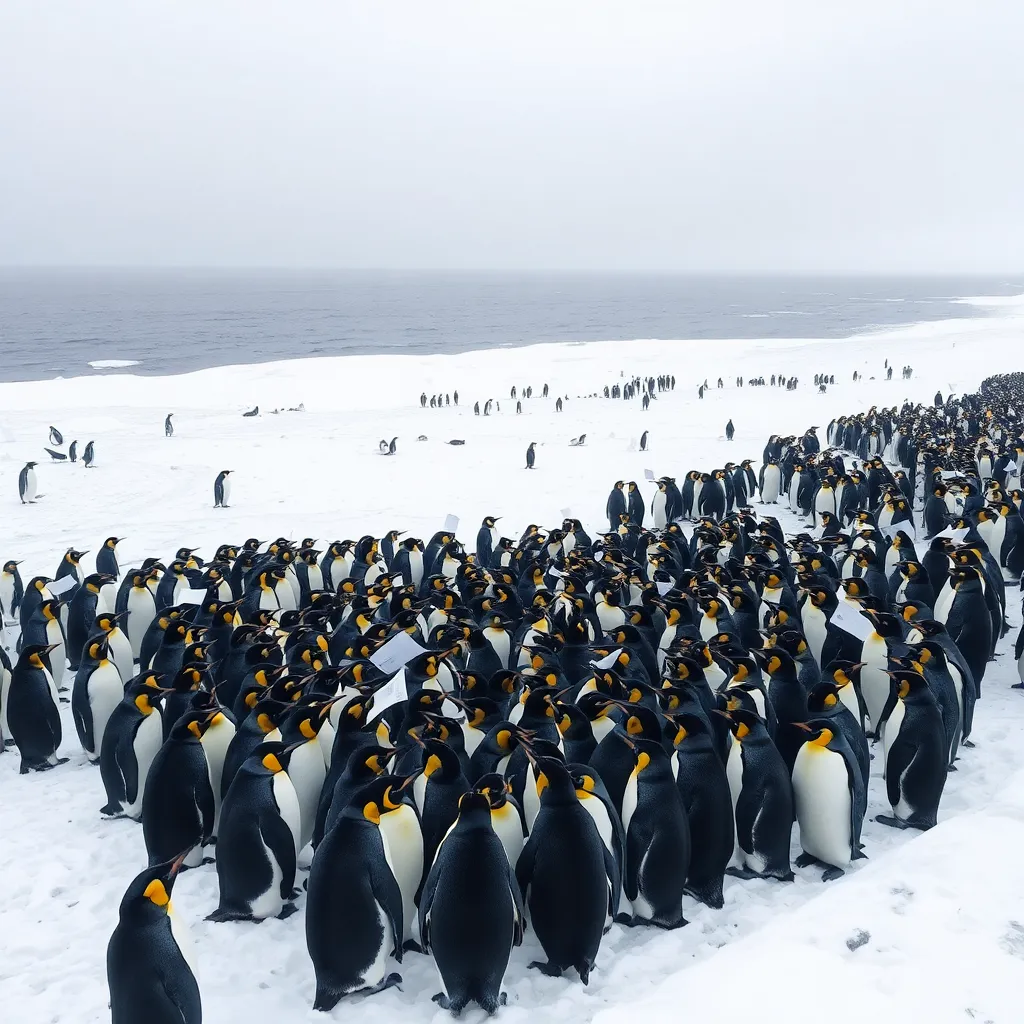
On one island now facing penalties, local penguins reportedly gathered in a dense, murmuring cluster to review the development. Witnesses described the atmosphere as calm, disciplined, and significantly more coherent than most cabinet meetings. Several birds stared into the middle distance with the expression of middle managers informed that headquarters has launched a visionary initiative involving spreadsheets and pain.
International response has been swift. Australia called for restraint. New Zealand called for perspective. Chile called for a map. Britain, which maintains sovereignty over some of the affected territories, issued a statement that managed to be both stern and apologetic, a diplomatic style perfected over centuries of owning distant rocks with weather. A palace insider said the King had been briefed "in broad terms" and was keen to avoid escalation with "the aquatic lads."
Trade lawyers, many of whom had expected a quiet spring spent billing by the hour over normal human disputes, are now confronting the legal complexity of sanctioning communities that communicate primarily through honking, collective leaning, and absolute indifference. One Geneva-based attorney admitted that no one is fully sure how to serve notice to a rookery, though several options are being studied, including waterproof envelopes and simply shouting at the horizon.
At the National Aquarium Policy Forum, an event that did not exist until yesterday morning, panelists debated whether the tariffs could trigger retaliation. Some warned of a coordinated slowdown in cuteness exports, while others raised the prospect of penguins rerouting strategic fish reserves through third-party seals. A retired logistics expert described the birds as "patient operators with excellent traction and a long memory for nonsense."
Not everyone opposes the move. Domestic supporters say the tariffs will boost American confidence, revitalize ceremonial map-pointing, and send a message to all species considering participation in the global economy without first asking permission from a man in a red tie. One think tank released a 48-page report arguing that penguins have enjoyed "elite media protection" for decades, benefiting from a powerful image-management apparatus centered on snow, babies, and highly effective waddling.
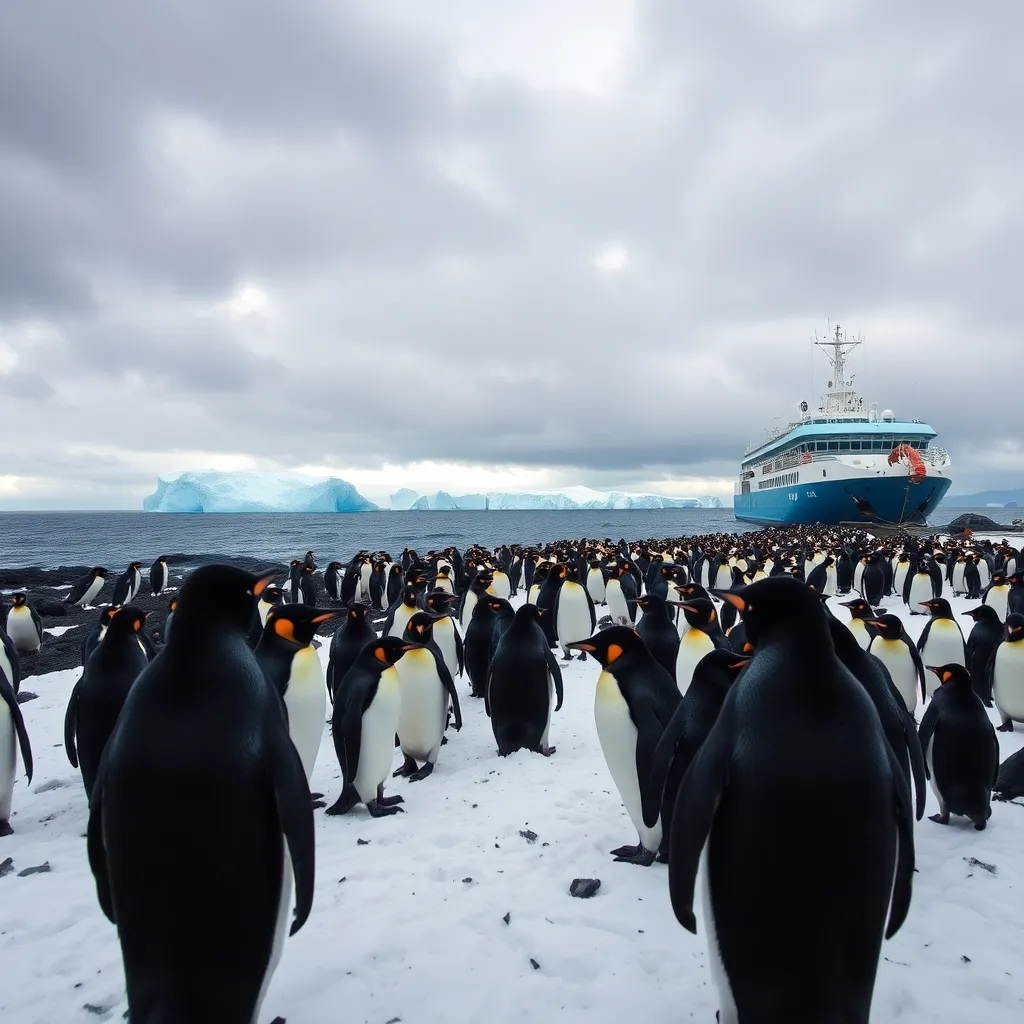
The penguins themselves have yet to issue a formal written response, largely because they are penguins. However, observers in the affected regions report a noticeable increase in upright silence, which in diplomatic terms can mean anything from mild confusion to preparations for a generational cold stare. A research vessel in nearby waters captured what scientists first believed was normal colony noise, but one intelligence analyst described as "possibly the opening stages of a chant."
Inside Washington, staff are already discussing phase two. Early drafts reportedly include port inspections for suspiciously underdeclared sardines, anti-dumping rules on decorative stones, and a requirement that all incoming penguins explain the commercial purpose of their visit, despite no evidence that any have requested entry. Homeland Security is said to be training personnel in advanced avian interviewing techniques, including the difficult distinction between noncompliance and simply being a bird.
Economists remain divided on the broader implications, though several have privately confessed that their models did not account for a trade war with Antarctica-adjacent wildlife. "Classical theory assumes rational actors," said one professor, pausing before clarifying, "I mean the penguins."
For now, the administration appears determined to press ahead, insisting that strength must be shown before the southern colonies gain further leverage. As dusk fell over the capital, aides rolled away the trade charts, correspondents filed urgent updates, and somewhere beyond the roar of politics and cable graphics, millions of penguins continued standing on ice, mysteriously undefeated, dressed for the funeral of every empire that ever tried to invoice the wind.