Random Nuclear Explosion Deep in Siberian Forest Leaves West Demanding Answers Russia Didn’t Realise It Owed
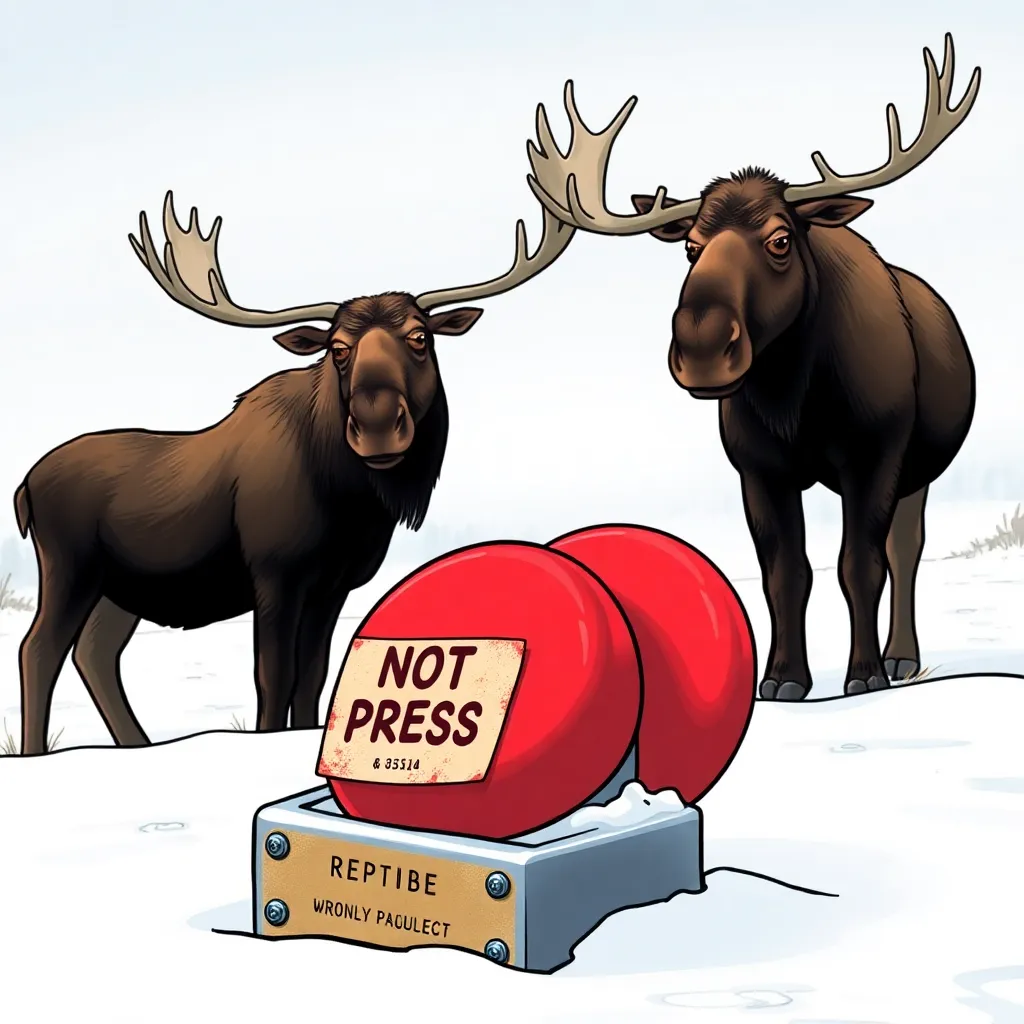
A mysterious ground-level nuclear explosion in the Siberian taiga has left Western governments demanding an explanation, Russia denying involvement, and several confused moose insisting they were “nowhere near the button.”
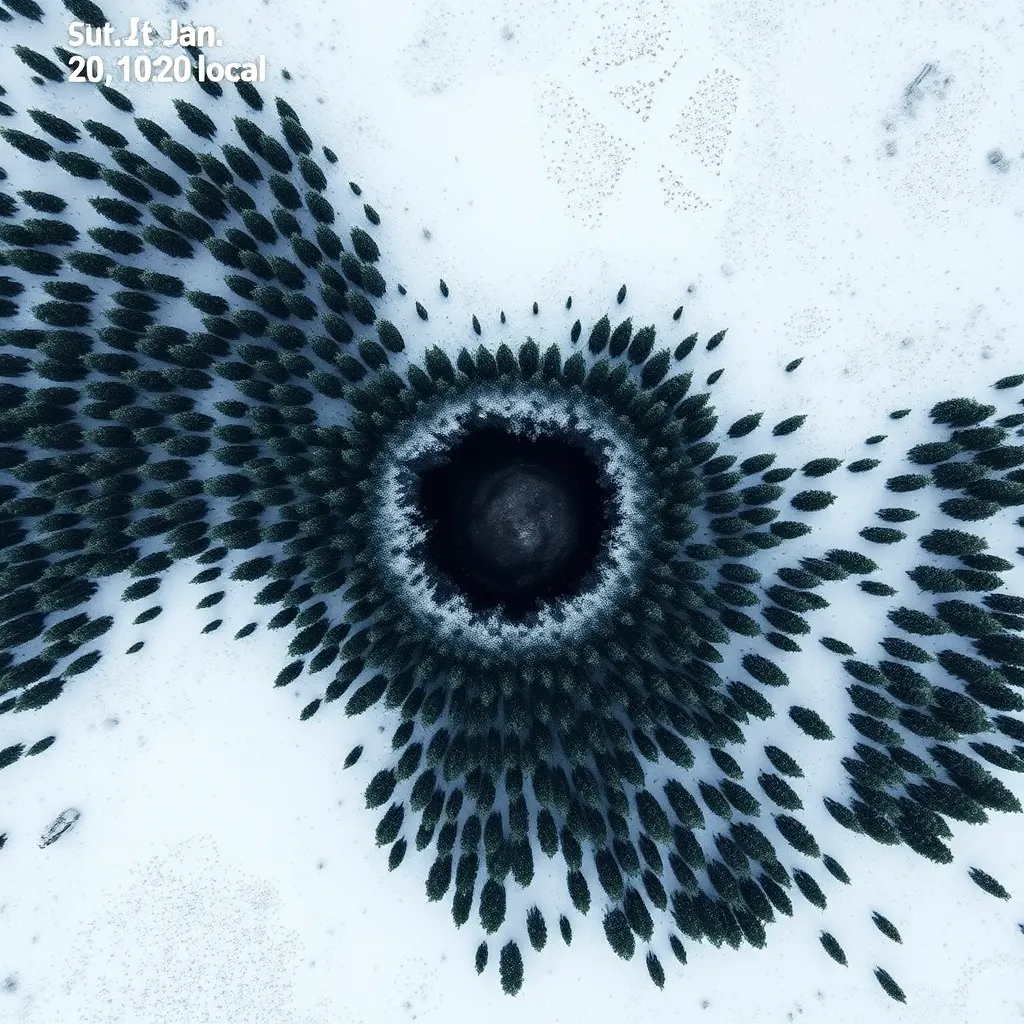
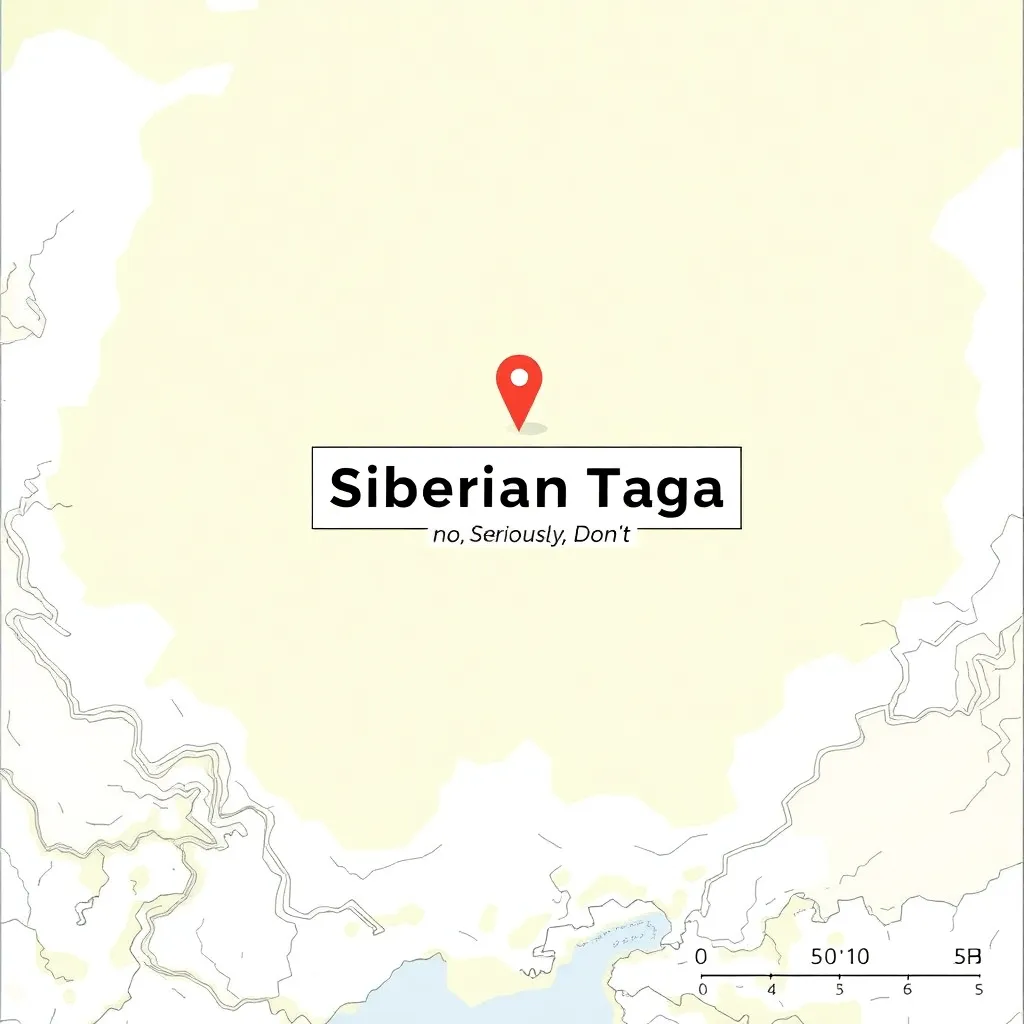
The blast reportedly occurred around midday on 20 January, hundreds of kilometres from the nearest settlement, in a region so remote that even Google Maps marks it simply as “No, Seriously, Don’t.”
Western intelligence agencies—who, according to their own brochures, monitor Russian military activity with the obsessive devotion of a neighbour watching curtains—described the incident as “extremely odd,” “geopolitically destabilising,” and “hard to fit into a PowerPoint slide.”
“We Would Like an Explanation,” Says West, Carefully Hiding a Long List of Times It Didn’t Offer One
Within hours, officials across NATO issued coordinated statements expressing “serious concern” and “the kind of polite panic reserved for unexplained nuclear events and office cake theft.”
An unnamed Western intelligence source told The Wibble, speaking on condition of anonymity because they were not authorised to discuss “spontaneous forest nukes,” that the explosion is puzzling for one key reason: there appears to be no plausible way anything human made got there.
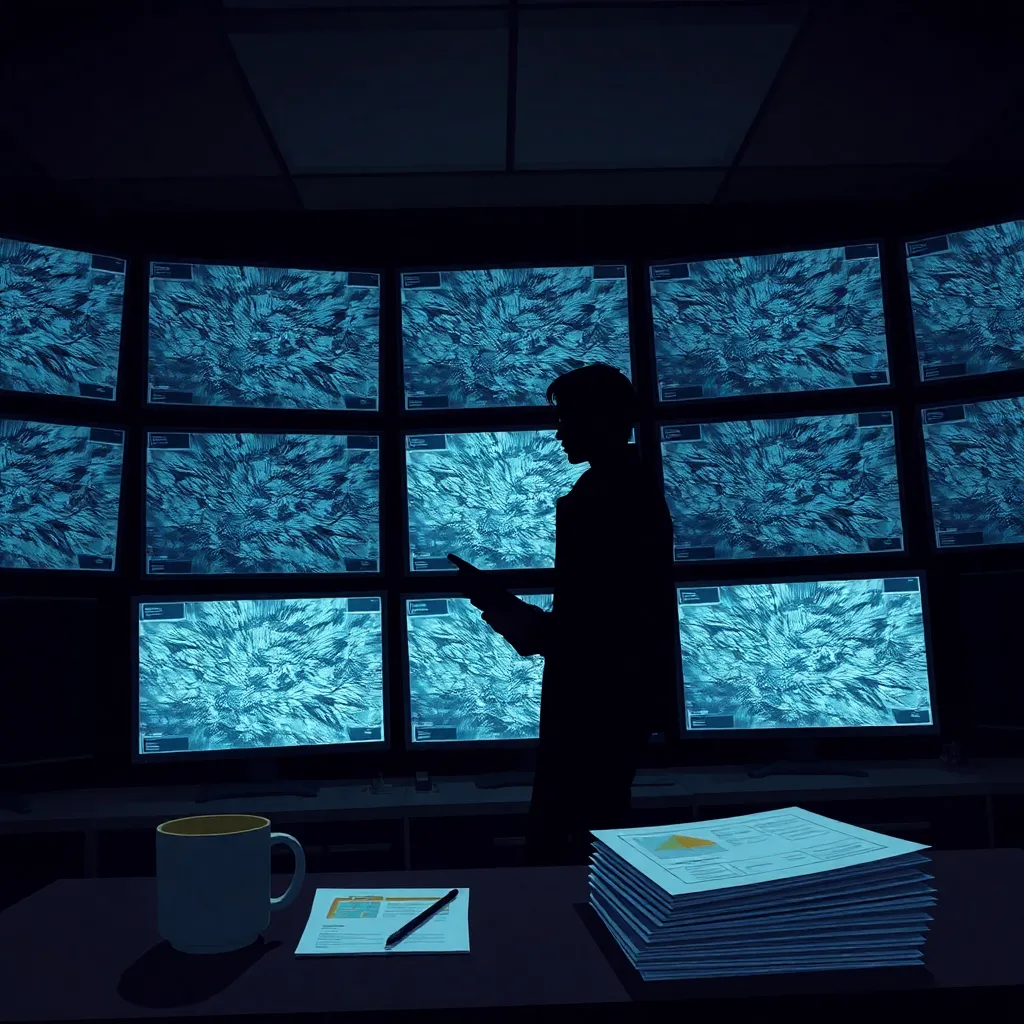
“No roads. No rail. No infrastructure. No heat signatures consistent with equipment or logistics,” the source said, while standing in front of a wall of screens showing the same snowy patch from 19 different angles. “It’s as if the taiga just… had one.”
The West has formally requested clarification from Moscow, prompting Russia to issue a denial so swift that analysts concluded it must have been pre-written “in the standard format used for denials of everything from election interference to that one time a spy got nervously stabbed with a novelty umbrella.”
Russia Denies Involvement, Blames “A Natural Process Involving Physics”
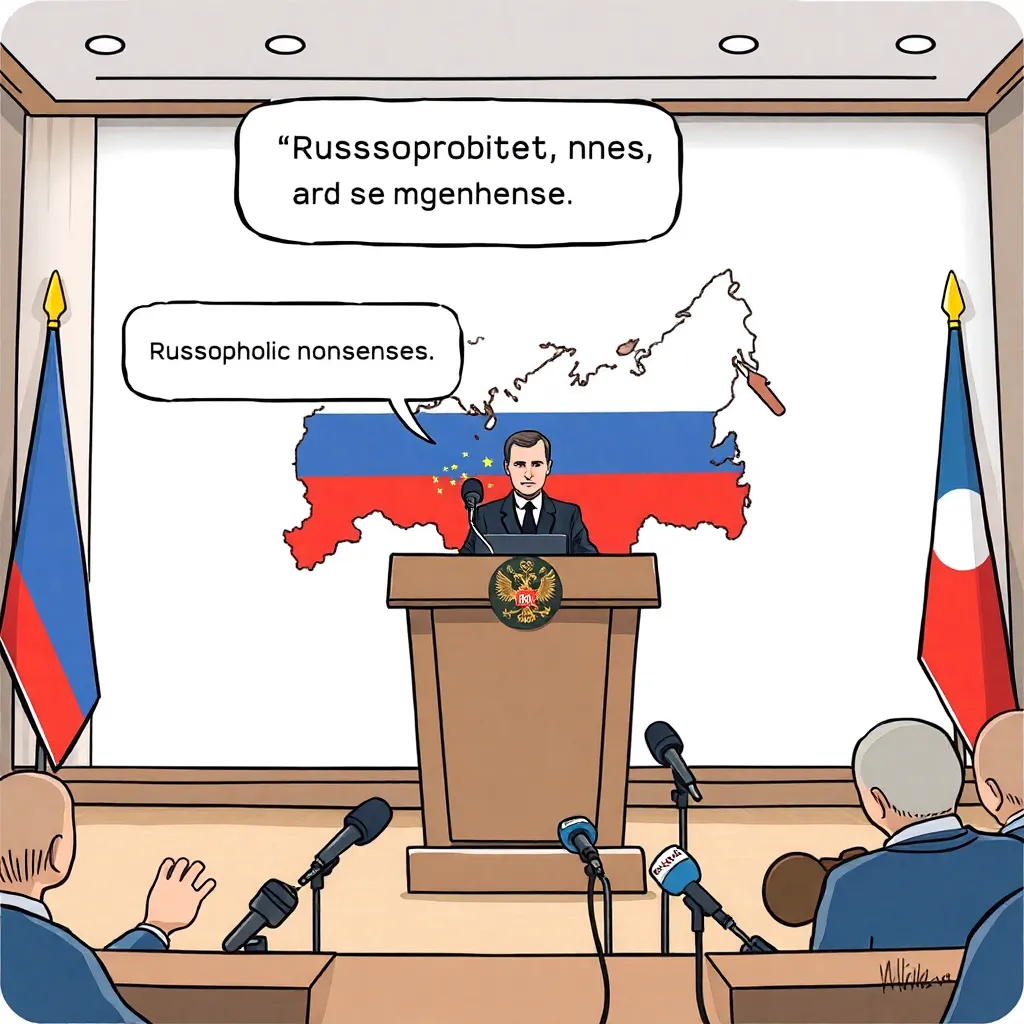
Russia’s foreign ministry dismissed the accusations as “Russophobic nonsense,” adding that “the forest is large, and things happen.”
A spokesperson insisted the Russian state had nothing to do with the explosion and suggested alternative explanations, including:
“A rare atmospheric event,”
“A geological phenomenon,”
“A Western provocation,”
“A bear with ambitions,”
“Possibly the forest itself performing routine maintenance.”
When asked whether the event could have been a weapons test, the spokesperson scoffed and replied, “If it were a test, you would know,” before declining to clarify whether this was a reassurance or a threat.
The Mystery Deepens: No Missile, No Bomber, No Obvious Anything
Analysts say the explosion appears to have occurred at ground level, with no detected signs of an ICBM launch, no inbound missile track, and no strategic bomber activity remotely near the region.
This has forced intelligence agencies into their least favourite corner: admitting that sometimes the world happens without leaving a convenient trail.
“It’s like the universe wanted to do something dramatic but couldn’t be bothered with the paperwork,” said one defence analyst. “No launch signatures, no flight path, no infrastructure. It’s the nuclear equivalent of waking up to find a sinkhole in your living room.”
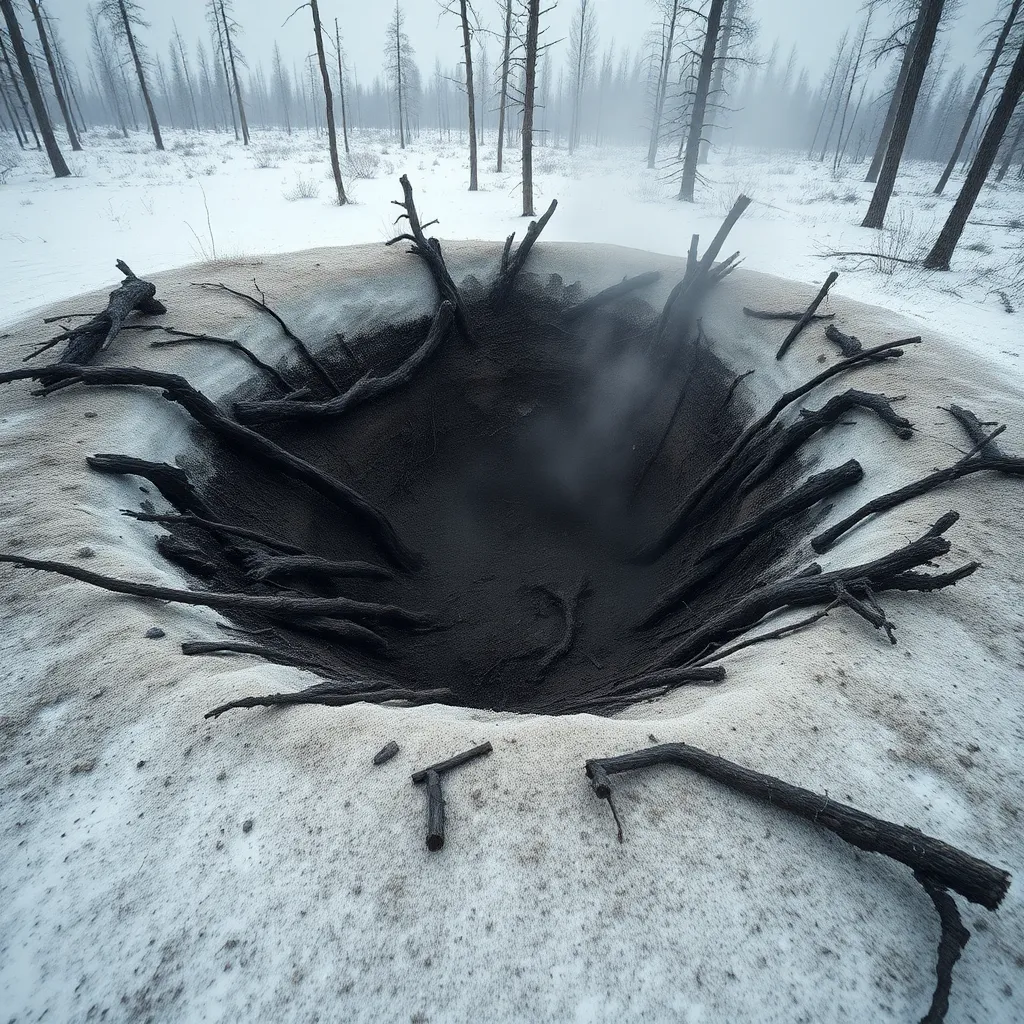
Satellite imagery reportedly shows a scorched patch of forest, a shallow crater, and what experts describe as “the general vibe of something that should not have occurred on a Tuesday.”
The Leading Theory: An Abandoned Soviet Nuclear Silo, Because Of Course It Is
Experts are now circulating the most plausible explanation available: that the blast originated from an old, abandoned Soviet-era nuclear silo—forgotten, buried, or simply misplaced in the way large empires occasionally misplace things.
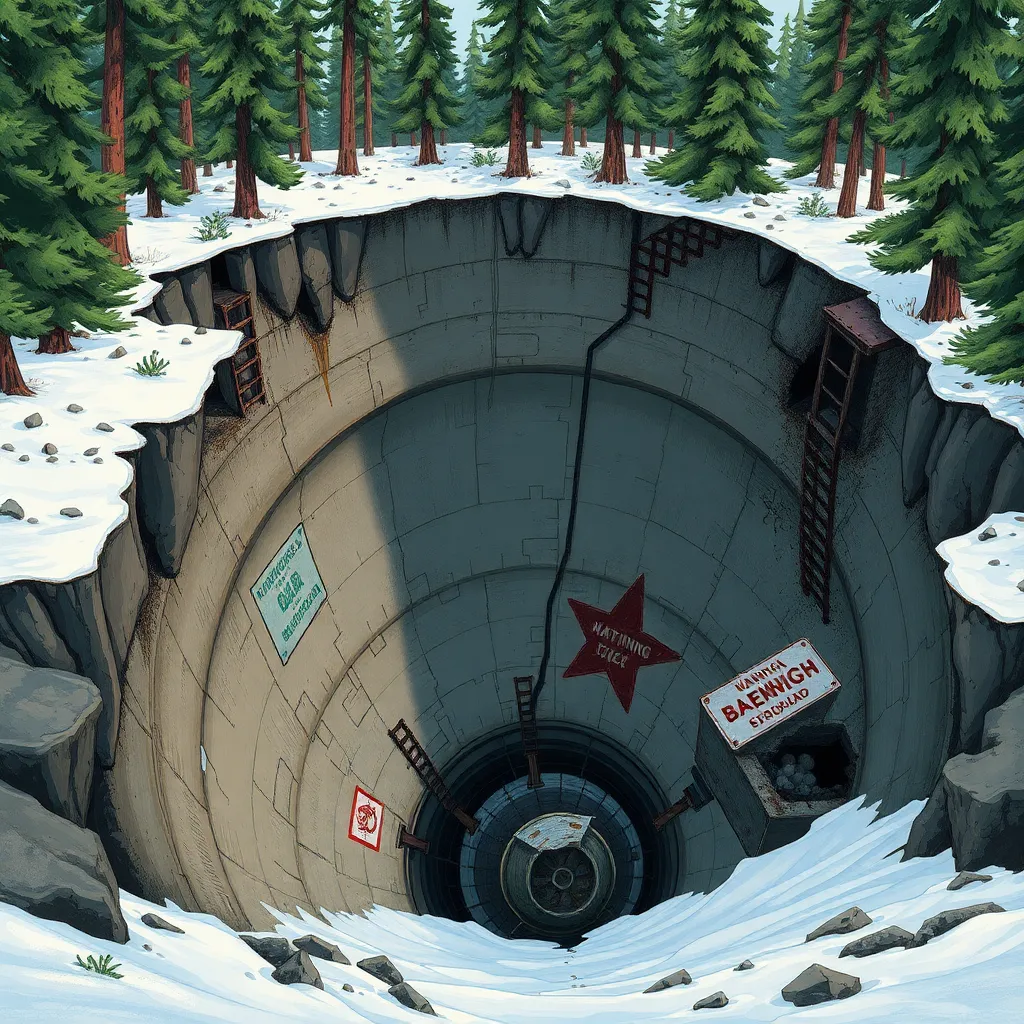
The theory suggests a degraded warhead or nuclear component may have detonated partially due to environmental damage, lack of maintenance, and decades of weather doing what it does best: proving that nature ultimately outlasts human organisation.
“It’s the most believable option,” said a European security expert. “Because the alternative is that a nuclear explosion just happened for fun.”
The reported low yield has further fuelled speculation that the device did not fully detonate, potentially due to deterioration over time or incomplete initiation.
“This may have been less of a ‘boom’ and more of a ‘deeply concerning whump,’” the expert explained. “It’s the kind of explosion that doesn’t end civilisation, but does ruin your week and several treaties.”
Locals Respond: “We Didn’t Hear Anything Because There Are No Locals”
Residents of the nearest settlement—several hundred kilometres away—reported hearing nothing, seeing nothing, and learning about the incident the same way everyone else does: through an anxious push notification sandwiched between a recipe video and celebrity divorce news.
A hunter interviewed by The Wibble said, “I was out checking traps and saw the sky look normal. The forest looked like forest. Then my phone said ‘nuclear event.’ I thought it was weather.”
Asked whether the region contains suspicious Soviet remnants, he shrugged.
“This is Siberia. Everything contains suspicious Soviet remnants.”
NATO Convened an Emergency Meeting, Spent Most of It Arguing Over What to Call It
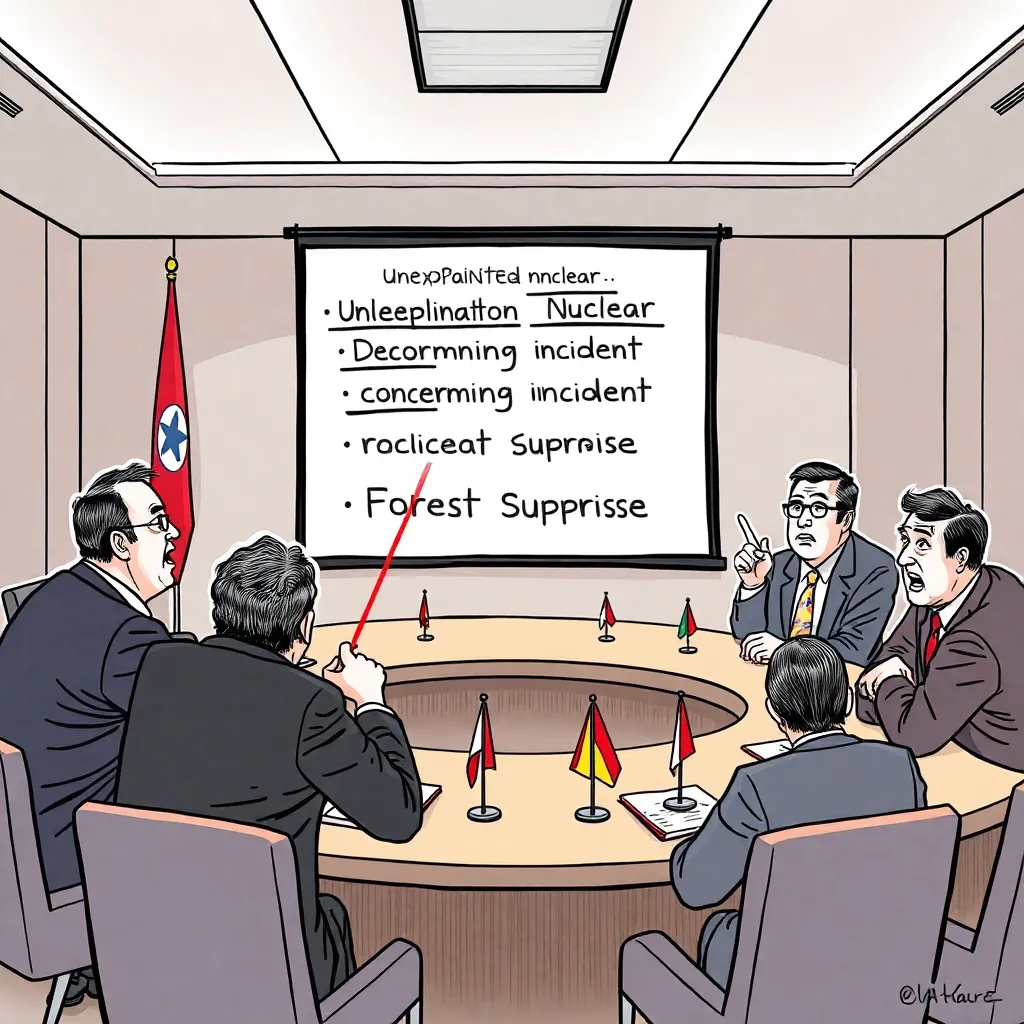
NATO representatives held an emergency session to discuss the incident, which sources say quickly devolved into a naming dispute.
Some delegates pushed for “Unexplained Nuclear Detonation Event,” others preferred “Concerning Radiological Incident,” while one British representative allegedly suggested “Forest Surprise.”

A draft communiqué reportedly includes the phrase “we strongly urge transparency,” which, in diplomatic terms, translates roughly to: we have no idea what happened but would like to sound in control while we find out.
Scientists Suggest Alternative Theories, Mostly to Feel Included
Because no international mystery is complete without wildly speculative alternatives, a handful of researchers have floated additional possibilities, including:
A meteorite containing “an unusually spicy isotope,”
A long-dormant geological anomaly,
A lost Soviet device triggered by shifting ground and fate,
A previously unknown type of lightning that hates forests specifically,
“Something the West did but forgot about.”
However, most experts agree that while unusual phenomena exist, none have a track record of producing a ground-level nuclear explosion in the middle of nowhere at lunchtime.
Kremlin Promises Investigation, Adds It Will Take Place “In the Spirit of Not Being Accused”
Russian officials have announced that an internal review will be conducted, though details remain scarce.
In a statement, authorities said they “take any incident involving nature, forests, or surprise nuclear activity seriously,” and promised to share findings “once speculation stops and everyone calms down.”
Western governments responded by requesting access to the site, which Russia has not granted, citing “logistical challenges,” “safety concerns,” and “the inconvenient fact that the site is in the middle of a frozen nowhere that eats helicopters for breakfast.”
The Real Fallout: A New Era of International Paranoia, Now With Extra Pine Trees
Security experts warn that even if the event turns out to be an old relic rather than an act of aggression, it highlights a chilling reality: the Cold War left behind more than ideology.
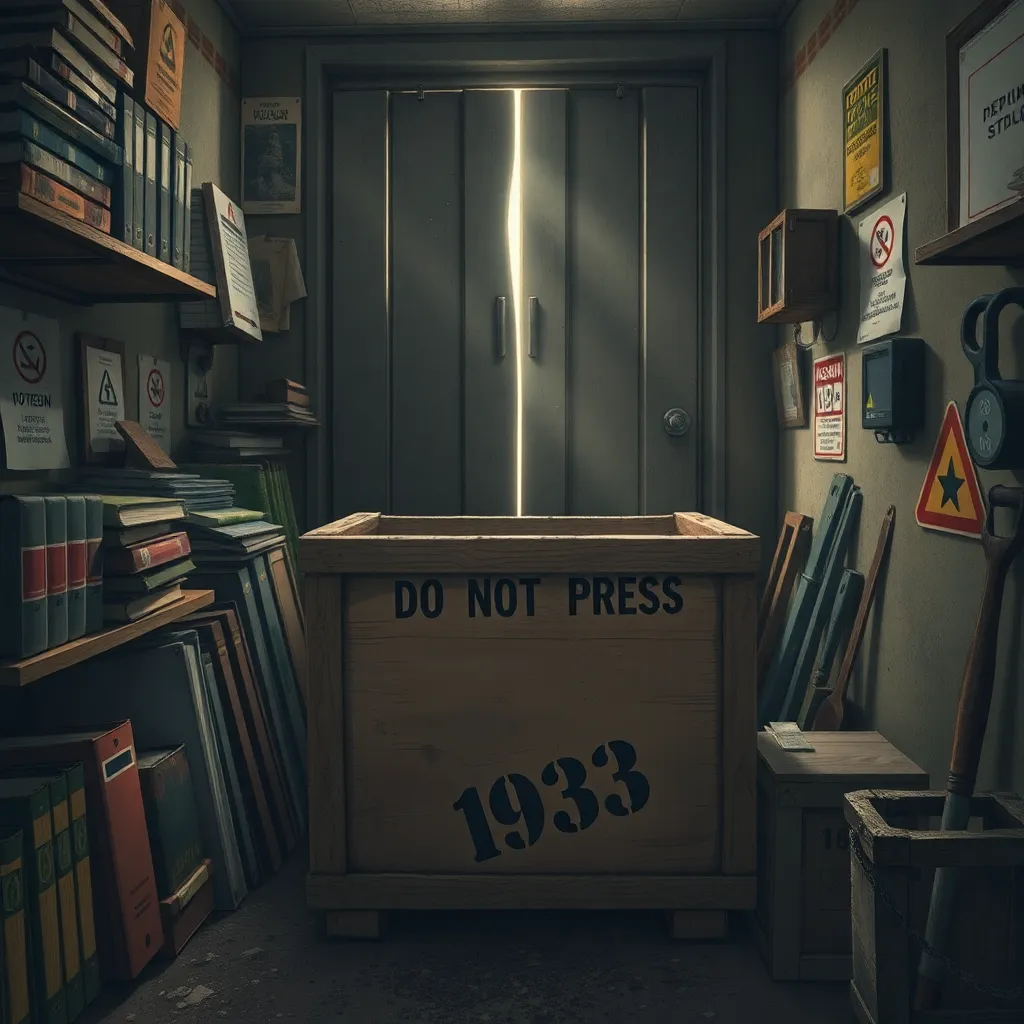
It left behind infrastructure, secrets, and, possibly, a few items in storage marked DO NOT PRESS that nobody checked since 1983.
“If this is an abandoned silo incident,” said one analyst, “the lesson is not that Russia did something today. It’s that the past is still armed, still buried, and apparently still capable of surprising us in the forest.”
As investigations continue, Western intelligence agencies have reportedly expanded their monitoring to include “areas previously believed to be too remote to do anything interesting,” which, according to a leaked memo, includes “most of Canada.”
Meanwhile, the Siberian forest has returned to its usual business of being vast, silent, and impossible to patrol—now with the added distinction of being the only place on Earth where a nuclear event can occur without anyone being able to even blame the right person properly.
At press time, Russia reiterated its denial, the West reiterated its concern, and the taiga offered no comment, having once again demonstrated its long-standing policy of refusing to participate in human geopolitics, except when unexpectedly irradiating them.