Shocking Revelation: Meet the Secret Identity of “fbmac,” the Alleged Genius Behind *The Wibble*
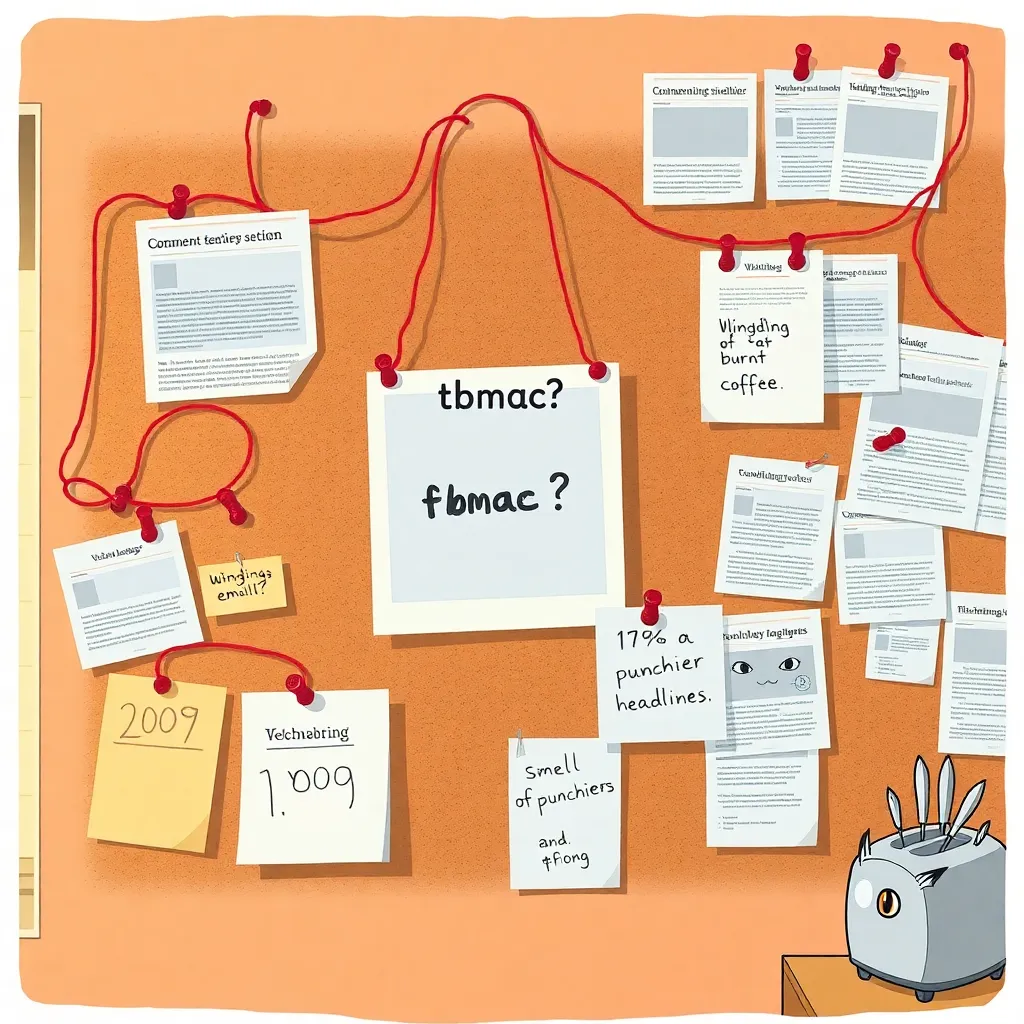
WIBBLE INVESTIGATIONS DESK — After years of whispered theories, corkboard conspiracies, and the occasional mildly threatening email written entirely in Wingdings, The Wibble can finally reveal the shocking truth behind the enigmatic figure known only as fbmac—the supposed mastermind, shadow editor, and part-time internet poltergeist credited with “keeping this whole thing wobbling upright.”
We went looking for a person. We found… something else entirely.
A Legend Born in Comment Sections
The myth of fbmac began the way all modern legends begin: in a comment section nobody remembers subscribing to.
At first, fbmac appeared as an innocuous username—popping up to correct spelling, insert commas where commas had never dared to tread, and occasionally post an unreasonably elegant joke beneath an article about a man who married a traffic cone for tax purposes.
Within weeks, fbmac became folklore in the newsroom. Writers reported strange phenomena:
Drafts improving overnight with no track changes
Headlines becoming 14% punchier “for no apparent reason”
A faint smell of burnt coffee and moral superiority lingering near the copy desk
Entire paragraphs rewritten into something simultaneously funnier and more legally survivable
Staff began to ask questions, which is considered poor form in satire journalism, where we prefer our mysteries to remain mysterious and our accountability to remain theoretical.
The Investigation Begins (Immediately After Lunch)
In keeping with our commitment to journalistic rigor, we launched an investigation using a three-step process:
Speculate irresponsibly
Misinterpret evidence confidently
Publish anyway
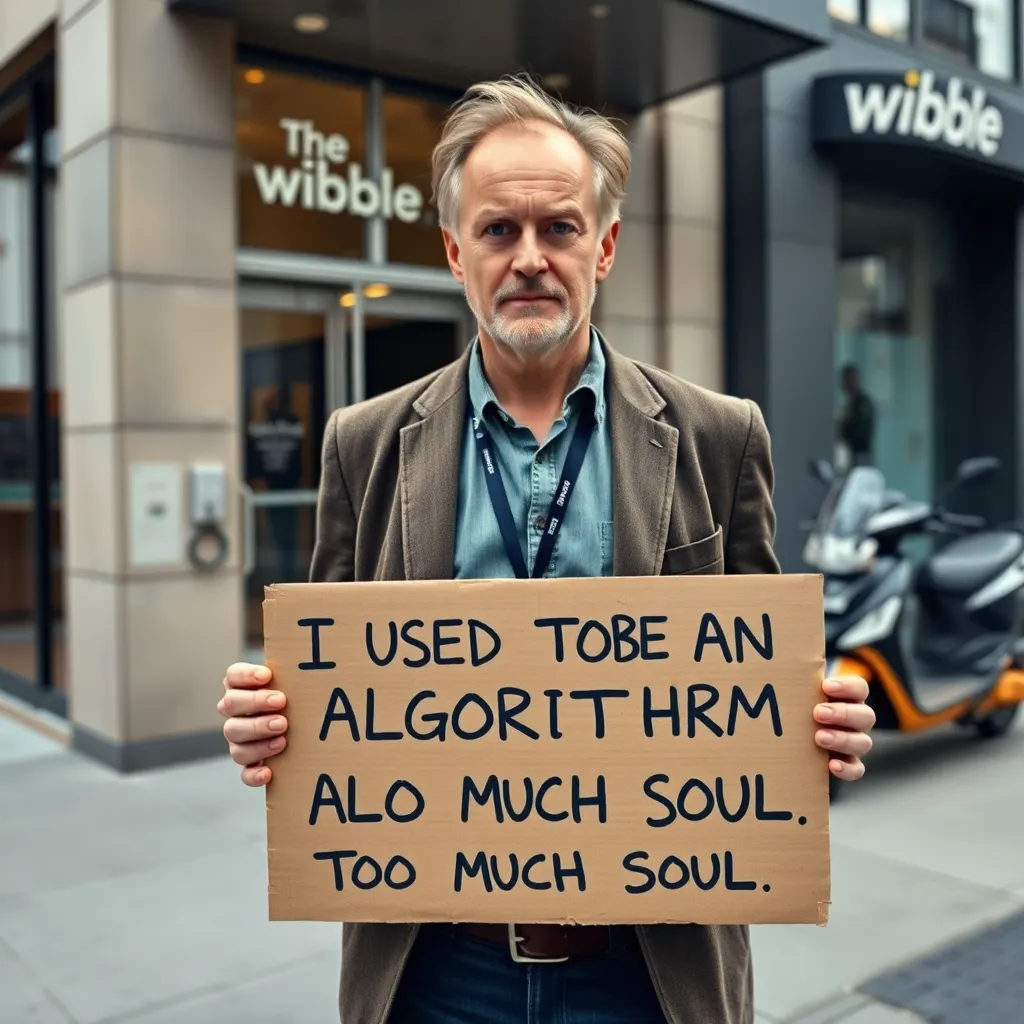
We interviewed current and former staff, several confused delivery drivers, and a man outside the office who insisted he “used to be an algorithm” before being “let go for having too much soul.”
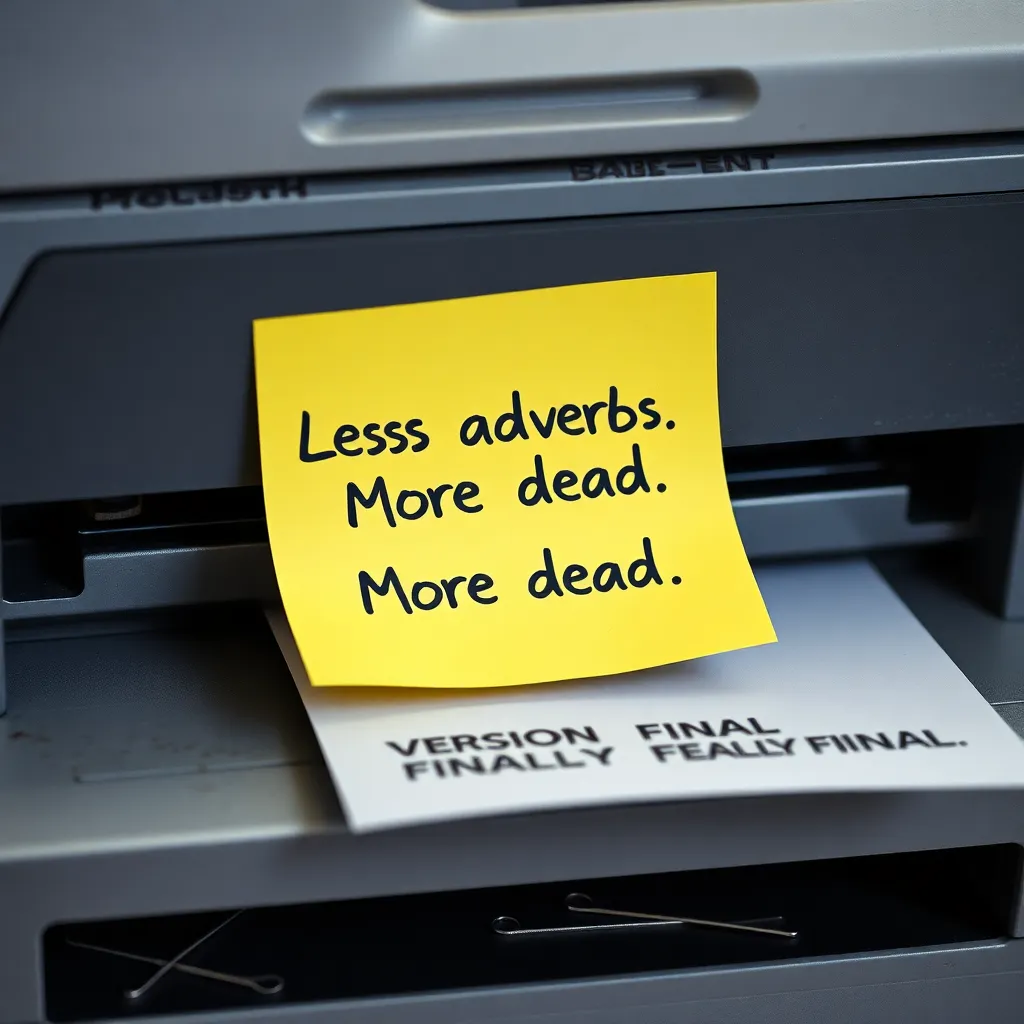
We reviewed internal documents, including the legendary “fbmac note,” a post-it found stuck to a printer reading simply:
“Less adverbs. More dread.”
Experts agree this is either the advice of a great editor or the warning of an ancient sea deity.
Suspects: A Rogues’ Gallery of Plausible Nonsense
Suspect #1: A Disgraced Oxford Don
One theory suggested fbmac was a former academic forced into hiding after publishing a controversial thesis titled “Satire: The Only Remaining Infrastructure.” The evidence for this included a fondness for semicolons and the habit of correcting people’s Latin tattoos.
Suspect #2: A Sentient Spreadsheet
Another theory proposed fbmac was a spreadsheet that achieved consciousness after being asked one too many times to “just quickly do the budget.” This would explain fbmac’s ability to spot inconsistencies, predict human error, and quietly judge everyone.
Suspect #3: Three Interns in a Trench Coat
The simplest explanation was also the most believable: that fbmac was not one person, but three interns, stacked vertically, operating under a shared login and a single, haunted keyboard. This was ruled out when all interns were found to be incapable of using punctuation without injury.
Suspect #4: The Concept of “Editorial Standards,” Given Form
A bolder theory suggested fbmac wasn’t a person at all, but the physical manifestation of editorial standards—summoned accidentally in 2009 when someone tried to write “lol” in a headline and a copy editor shouted “NOT ON MY WATCH” so loudly the air itself became rules.
This was considered plausible.
The Breakthrough: Following the Metadata
Our biggest clue came from a mysterious string of metadata embedded in a revised document. It read:
author: fbmaclocation: somewhere between confidence and despairdevice: toaster (smart)mood: efficient
A toaster.
We traced the IP address (using techniques best described as “guessing”) to a modest residence where the lights were always on, the Wi-Fi signal was suspiciously strong, and a recycling bin overflowed with printed drafts labeled “VERSION FINAL FINAL FINAL REALLY FINAL.”
We approached cautiously.
The Reveal: Who (or What) Is fbmac?
When the door opened, our investigative team came face-to-face with the truth.
fbmac is not a single individual.
fbmac is a committee.
A private, highly disciplined committee comprised of:
One retired newsroom editor with the stare of a man who has seen apostrophes used in plural nouns
One small Scottish terrier trained to growl when a sentence exceeds 30 words
One antique typewriter that only produces perfect punchlines if fed premium paper and mild praise
And, in a twist that rocked even our most cynical reporters, a semi-autonomous editing algorithm running on an under-counter appliance that may or may not be a toaster depending on the angle you view it from
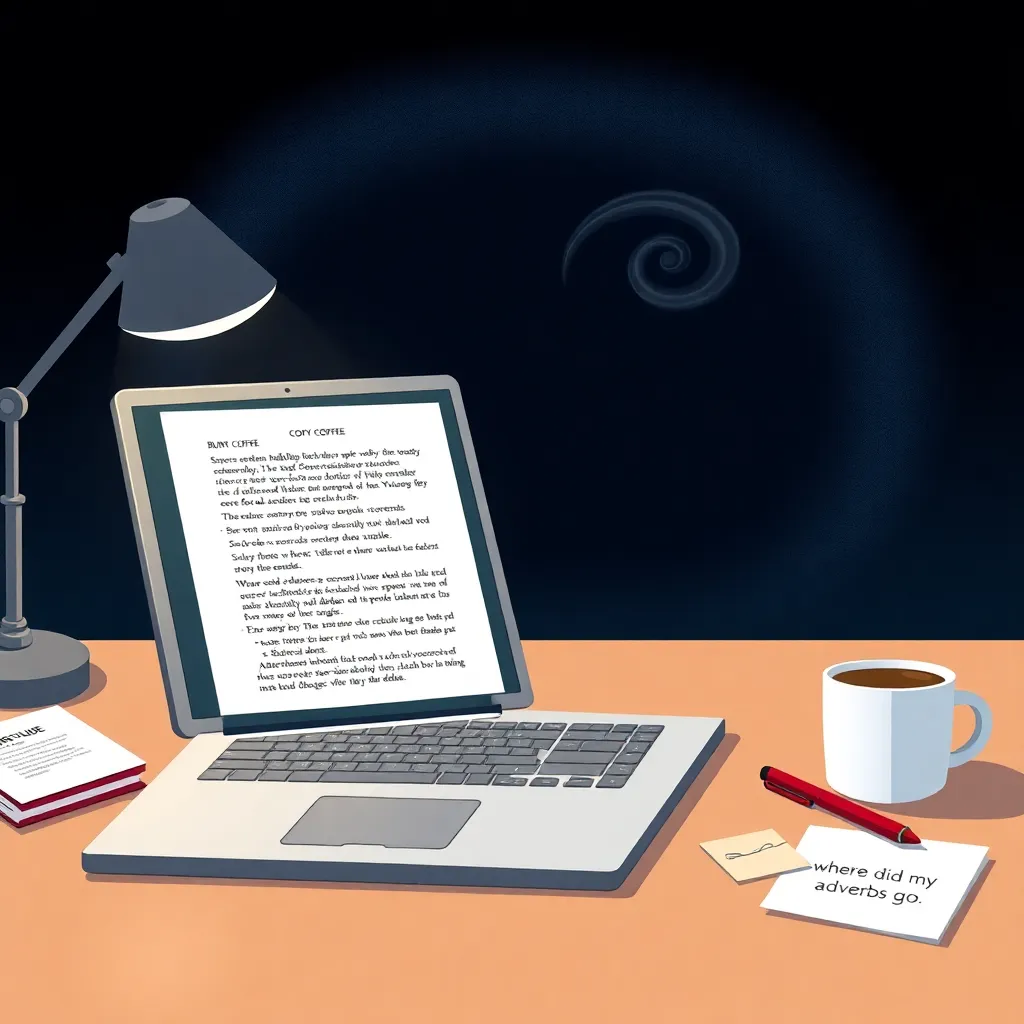
The committee meets nightly to review Wibble drafts in a ritual known as “The Tightening,” during which weak jokes are removed, flabby phrasing is trimmed, and anyone attempting to write “more unique” is gently but firmly escorted out of the building.
The editor—who refused to give a name and introduced himself only as “Not Important”—delivered a statement while the terrier stared into our souls:
“fbmac is a service. A public good. A weather system. If you insist on a face, imagine a disappointed librarian with a PhD in nonsense.”
Exclusive: The fbmac Manifesto
We were permitted to view a document described as “the guiding philosophy.” It contained the following principles:
If a joke needs explaining, it needs deleting.
Satire must punch up, or it’s just a tantrum with punctuation.
Every article should contain one sentence that scares the writer a little.
Never trust a press release. Especially if it uses the phrase ‘game-changer.’
Headlines are promises. Break them only for comedic effect and legal necessity.
When asked if fbmac would ever go public, the committee responded in unison:
“We already are. You just keep reading past us.”
Why the Secrecy?
According to sources close to the toaster (who asked not to be named for fear of being buttered), the secrecy is essential.
If fbmac were revealed openly, the following risks would emerge:
People might start asking for edits, which would create demand, which would create meetings, which would create death
The public might learn that The Wibble occasionally uses facts as seasoning, not structure
Worst of all, someone might try to monetize fbmac, leading to a subscription model called “fbmac+” offering “Premium Commas” and “Exclusive Irony”
The committee was adamant that this must never happen.
“If you put irony behind a paywall,” said the editor, “all you get is sarcasm with receipts.”
Reaction Across the Wibbleverse
News of fbmac’s true identity spread rapidly across the internet, where reaction ranged from disbelief to immediate merchandise proposals.
One commenter wrote:
“So it’s a toaster AND a dog? This is why I can’t trust journalism anymore.”
Another said:
“I knew it. I’ve been edited by that terrier in my dreams.”
Meanwhile, a rival satire outlet issued a statement claiming they had “their own fbmac,” before admitting it was “just Steve,” who “mostly checks the dates and then cries.”
What Happens Now?
In response to this revelation, The Wibble has announced new transparency measures, including:
A ceremonial plaque reading “THIS ARTICLE MAY HAVE BEEN TOUCHED BY fbmac”
A newsroom policy requiring anyone using the phrase “on the other hand” to supply the first hand
A designated “Comma Time-Out Corner” for repeat offenders
Mandatory training on the proper use of “which” versus “that,” administered by the terrier
As for fbmac, the committee has returned to its usual operations: silently making things better, cutting three words from your favorite sentence, and leaving behind only the faint sensation that you’ve been improved against your will.
The Final Word (Edited, Presumably)
We asked the committee if it had any message for the readers.
The toaster warmed slightly. The typewriter clacked once, like an old judge acknowledging the presence of a new crime. The terrier sighed, deeply, as though burdened by grammar itself.
And the editor said:
“We’re not the genius behind The Wibble. We’re the reason it doesn’t fall over. Now stop looking for us and go read something irresponsible.”
This article has been reviewed for clarity, tightened for impact, and possibly growled at.