Filed Report
Soviets Shock the World by Defeating Nazis in Latest UFC Match
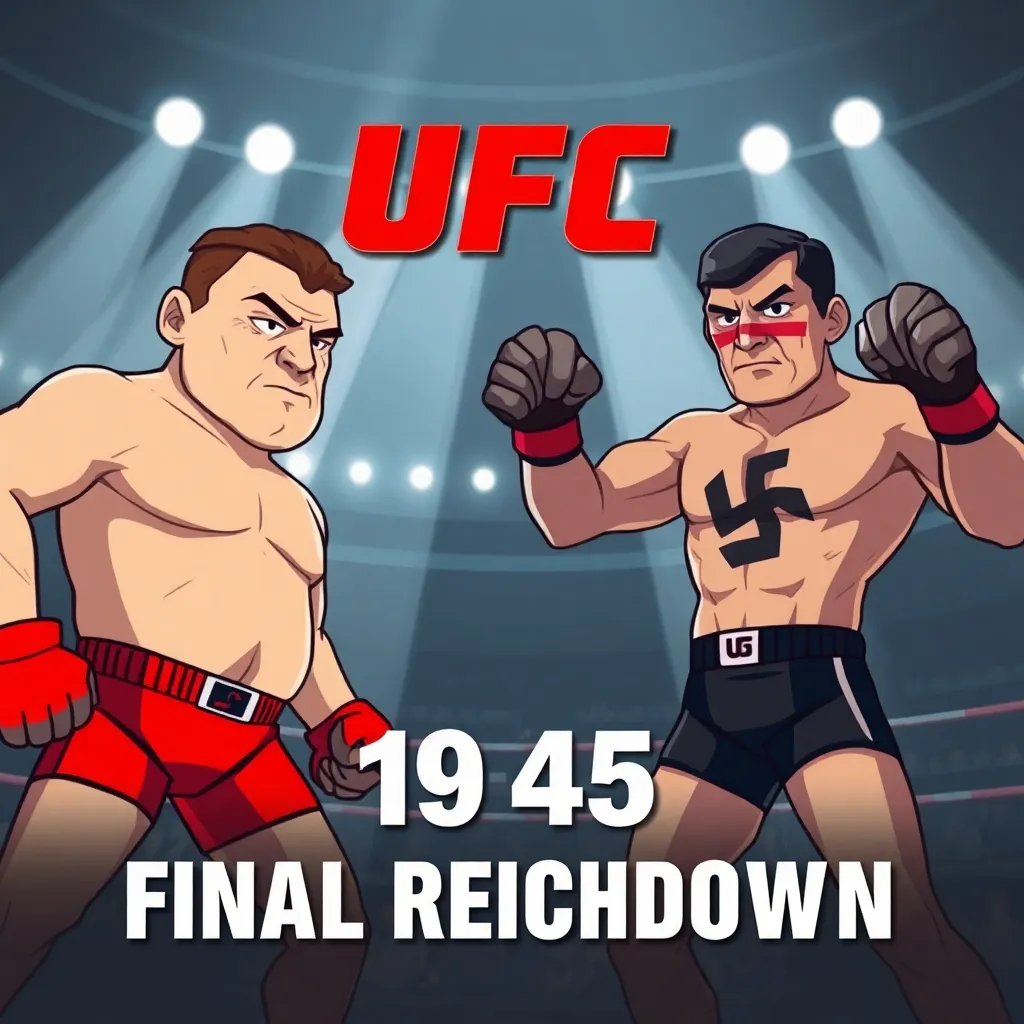
**LAS VEGAS, NV** — In a development historians are already calling “deeply repetitive,” the Soviet Union last night staged an astonishing comeback to defeat Nazi Germany in the main event of **UFC 1945: Final Reichdown**, leaving fans, pundits, and several confused middle schoolers wondering why this keeps happening whenever the matchup is booked.
The bout, held before a sold-out crowd at the T-Mobile Arena and several million viewers on pay-per-view, had been heavily promoted as a clash of styles: Nazi Germany’s aggressive early-round blitzkrieg offense versus the Soviet Union’s famously unglamorous but devastating “absorb unimaginable punishment until the other guy dies in winter” technique.
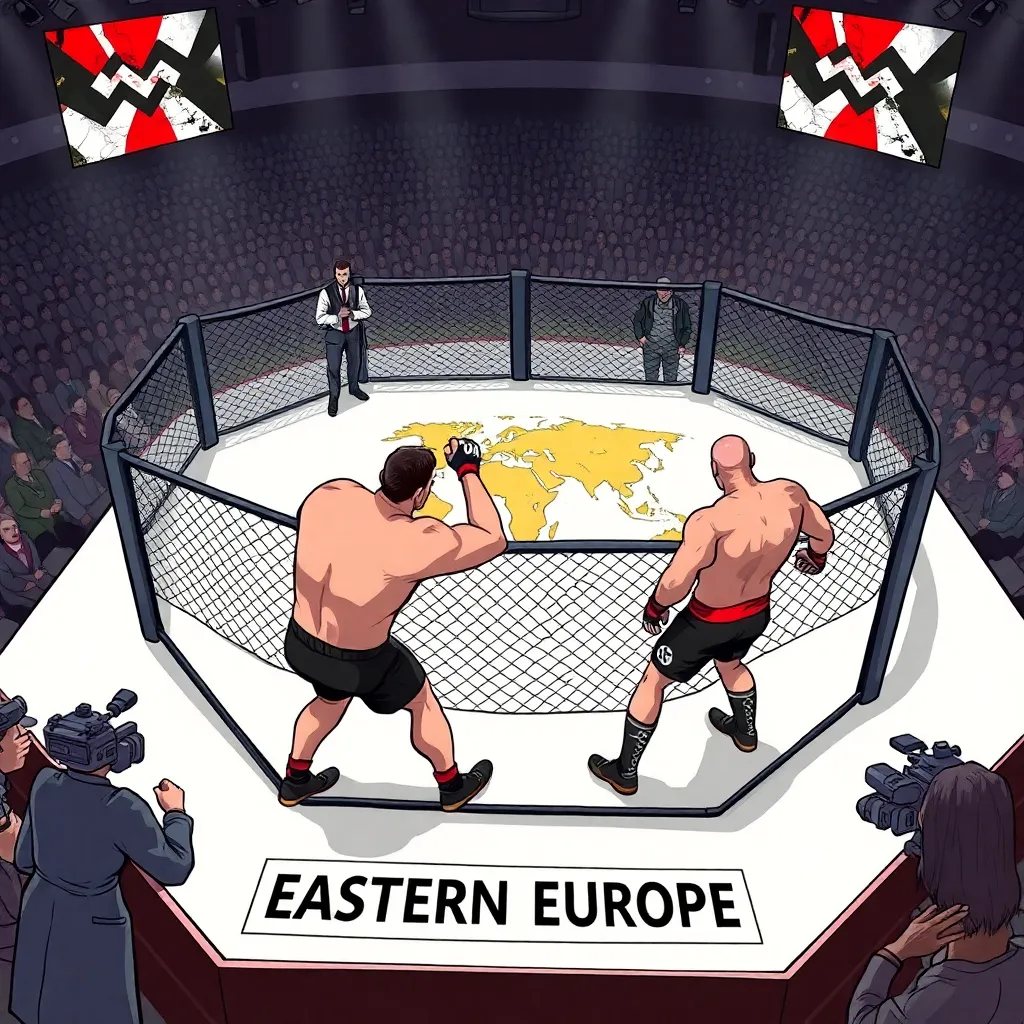
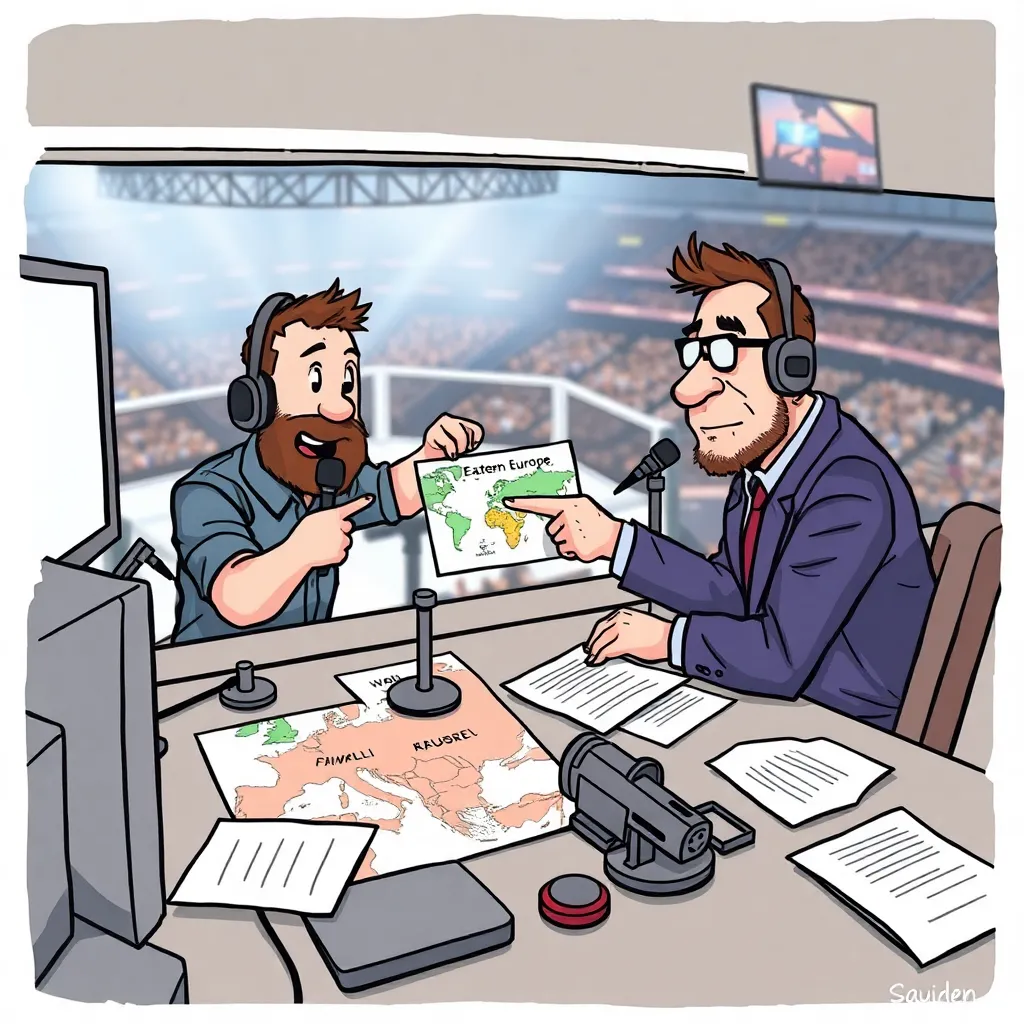
Despite entering the octagon as underdogs according to online betting markets run by men named Kyle, the Soviets weathered an intense opening barrage that saw the Nazis rack up significant territorial control time in the first two rounds. Commentators initially praised the Nazis’ explosive pace, with color analyst Joe Rogan shouting, “They’re cutting off the cage beautifully!” moments before being corrected by a producer that, in this context, “the cage” was in fact Eastern Europe.
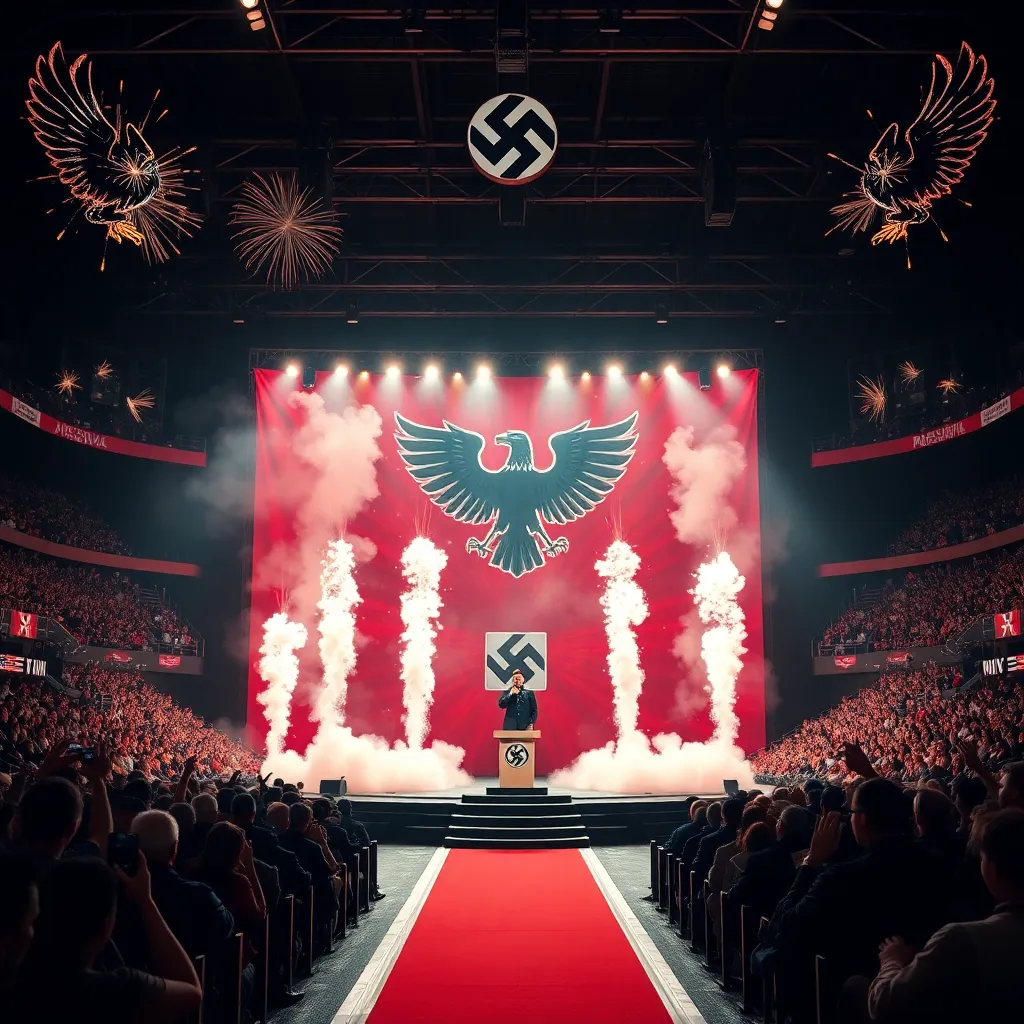
By Round 3, however, the momentum had shifted dramatically. Analysts noted the Nazis appeared visibly fatigued after spending most of their energy budget on an overambitious early attack and a pyrotechnics-heavy walkout featuring wolves, eagles, and a 14-minute speech no one enjoyed. The Soviets, meanwhile, stuck to their game plan: clinch relentlessly, drag the fight into deep water, and replace every knocked-out fighter with three more from somewhere behind the Urals.
“It was classic Soviet pressure,” said former champion and military amateur Daniel Cormier. “At first you think, ‘There’s no way they can keep this up, they’ve lost so much ground, they’ve taken so much damage.’ But then suddenly there are tanks. Then more tanks. Then somehow even more tanks. At a certain point that’s not cardio, that’s ideology.”
The match officially ended in the fifth round after the Soviets secured a brutal ground-and-pound sequence near Berlin, forcing a stoppage by Allied intervention. Referee Winston Churchill stepped in waving a cigar and declaring, “That’ll do,” while Adolf Hitler’s corner insisted the fight had been compromised by poor officiating, unfavorable weather conditions, and the existence of consequences.
The defeat marks another disappointing outing for the Nazis, whose fan base had spent months insisting this time would be different due to “new supplements,” “better discipline,” and “a redesigned panzer package.” But the team’s strategy once again fell apart under scrutiny, with many observers pointing to recurring weaknesses including overextension, logistical collapse, and a tendency to make enemies faster than they can process them.
“They always look dangerous in the first ten minutes,” said one longtime fight journalist. “But then they gas. Their entire style depends on ending things quickly. If it goes past Round 2 and the opponent is still alive, fed, and vaguely angry, they’re in trouble.”
Backstage, Soviet representatives celebrated the win with a modest press conference in which they credited “the workers, the people, and an industrial relocation effort so insane it should count as performance enhancement.” Team officials denied accusations that they had exceeded standard roster limits, arguing that replacing fallen fighters with endless waves of equally stern men in identical coats was “well within the rules of patriotic competition.”
Nazi Germany’s camp, meanwhile, appeared despondent. Head coach Heinrich “The Hammer” Himmler blamed the loss on a “hostile media narrative” and “excessive emphasis on human rights by the judges,” while assistant coaches claimed the Soviets had enjoyed an unfair home-field advantage despite the event taking place in Nevada.
Audience reactions were mixed, though many fans praised the result on the grounds that Nazis losing remains one of the few universally popular outcomes left in modern entertainment.
“I don’t follow UFC normally,” said attendee Carla Mendoza, 29. “I just saw ‘Nazis vs Soviets’ and thought, well, one of these guys had better lose horribly. In that sense I got exactly what I paid for.”
In a post-fight interview, the Soviet Union was characteristically understated.
“We made some adjustments,” it said through a translator. “In the early rounds, the fascist pressure was strong. But ultimately we trusted our preparation, our resilience, and the ancient martial art of weaponizing geography.”
Asked what’s next after such a signature victory, Soviet officials hinted at potential future matchups with the Japanese Empire, internal reform, and eventual catastrophic collapse in a completely different division decades later.
At press time, UFC president Dana White announced plans for a rematch were unlikely, citing the Nazis’ medical suspension, organizational disbanding, and permanent ban from civilized competition.
Public Response
Comments
No comments yet.