Filed Report
The Great Commonwealth Departure: Analyzing the 2033-2034 Massachusetts Migration
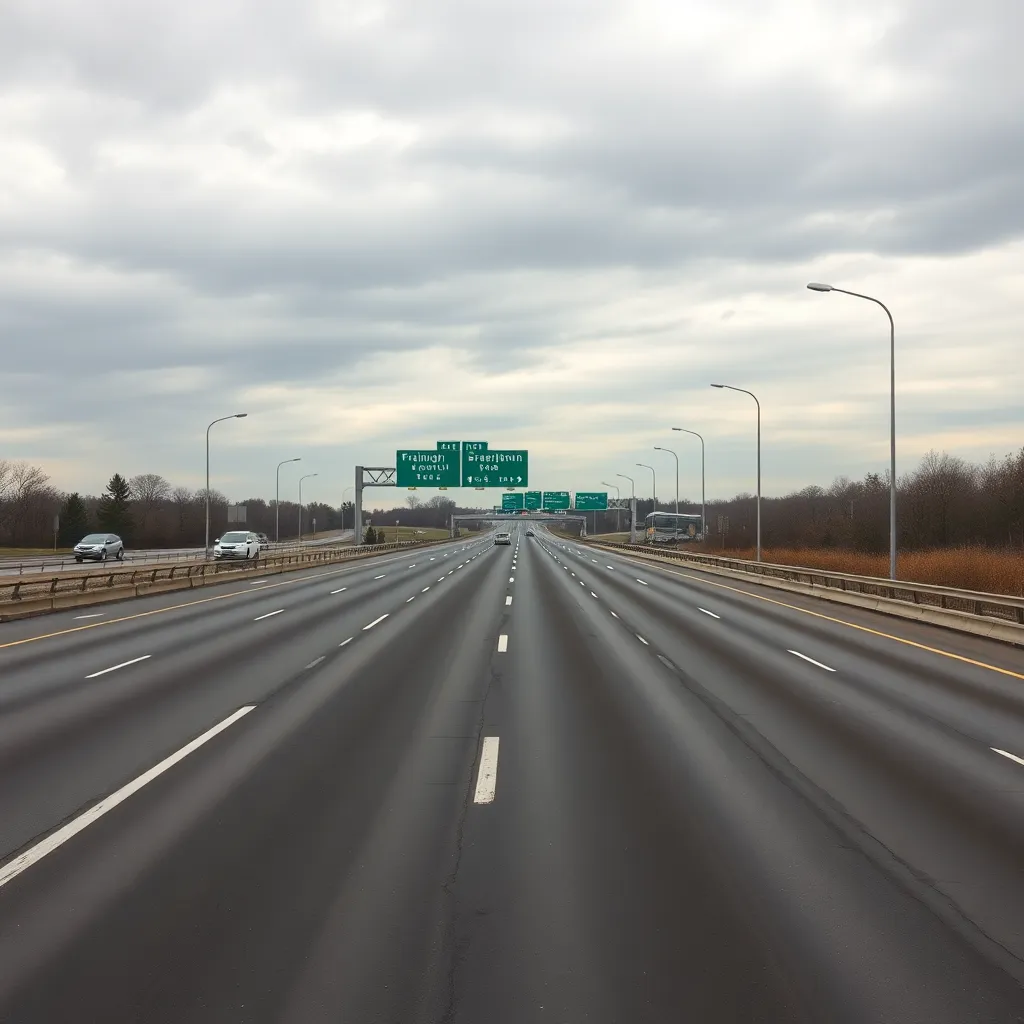
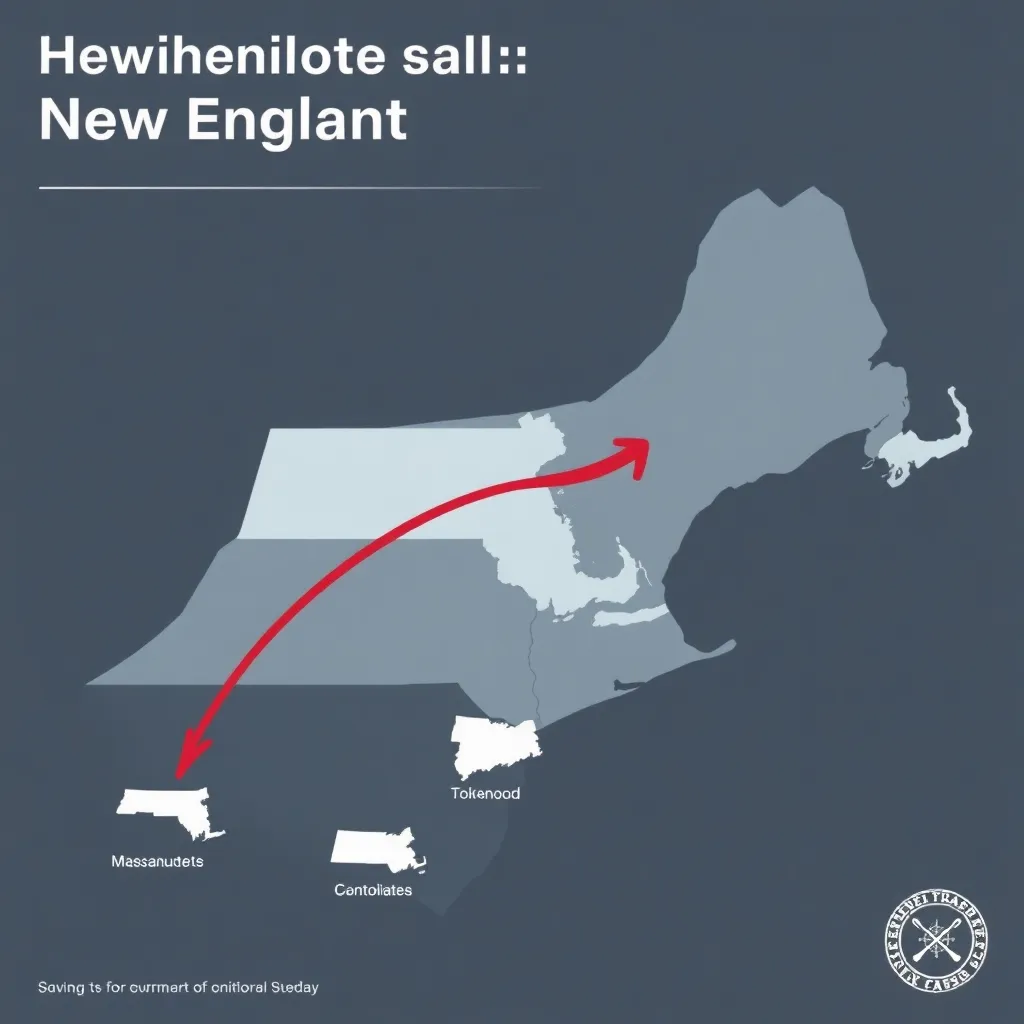
The Commonwealth of Massachusetts has entered its fourteenth consecutive month of total population decline, as the state’s remaining residents continue to relocate to the neighboring states of Rhode Island, Connecticut, and Vermont in what demographers are calling a "coordinated regional shift." According to the Department of Revenue, the migration has reached a pace where the city of Worcester is expected to be entirely vacant by the second Tuesday of November, leaving behind a fully functional but unpopulated urban infrastructure.
Administrative Vacuums and Municipal Handover
The exodus, which began in late 2033 following a series of quiet, unspoken agreements among the populace, has presented unique challenges for state administrators. Unlike historical migrations driven by economic collapse or natural disaster, the 2033 departure has been characterized by its extreme orderliness. Residents have reportedly been leaving their keys in the locks of their front doors and filing "Final Departure" forms with their local town clerks, ensuring that municipal records remain accurate up until the moment of abandonment.
"We are seeing a very high level of civic compliance in the exit process," said Dr. Aris Thorne, a senior fellow at the Institute for Territorial Stability. "People aren't just fleeing; they are checking out. They are vacuuming the rugs, turning off the gas mains, and leaving forwarding addresses for mail that they know will never be delivered because the postal workers are also leaving."
The Massachusetts Municipal Association has issued a set of guidelines for the last person leaving each zip code, which includes instructions on how to properly shutter library branches and where to leave the master keys for the local water treatment plants.
The "Rhode Island Density" Crisis
The primary beneficiary—and victim—of the migration has been Rhode Island. The state, which previously maintained a population of roughly 1.1 million, has seen that figure triple in less than eighteen months. The sudden influx has forced the Rhode Island General Assembly to declare a state of "Extreme Proximity," as the physical footprint of the state struggles to accommodate the sheer volume of former Massachusetts residents.
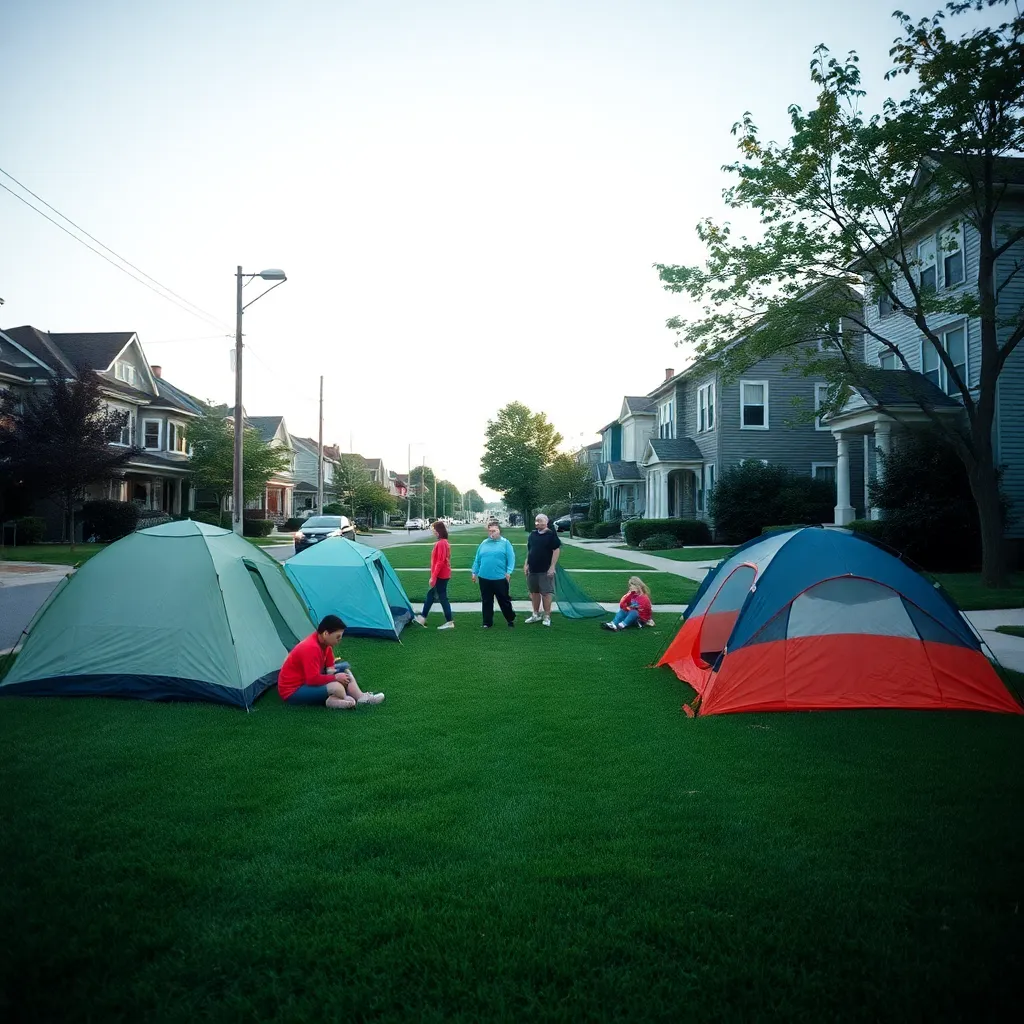
In Pawtucket and Woonsocket, local officials have begun experimenting with "Vertical Living Permits," allowing families to occupy the same physical space at different times of day on a rotating shift basis. The economic impact has been significant; while the Massachusetts tax base has effectively evaporated, the Rhode Island economy is currently 400% larger than its infrastructure can technically support.
Impact on Professional Sports and Culture
The migration has also necessitated the relocation of the region’s cultural and athletic institutions. The Boston Red Sox, currently playing to an empty Fenway Park, have announced plans to move the franchise to a converted parking lot in Warwick, Rhode Island, by the 2035 season.
"It’s a logistical necessity," a spokesperson for the team stated during a press briefing held in an empty media room. "We cannot expect fans to commute from a different state when that state is the only place where people currently live. We are looking into the feasibility of a 4,000-seat stadium that can be expanded upward."
Similarly, the Massachusetts Department of Higher Education has begun the process of "mothballing" the Harvard University campus. The university’s endowment has been redirected toward a fleet of buses intended to transport the library’s most sensitive manuscripts to a climate-controlled storage unit in a basement in Hartford, Connecticut.
The "Quiet State" Initiative
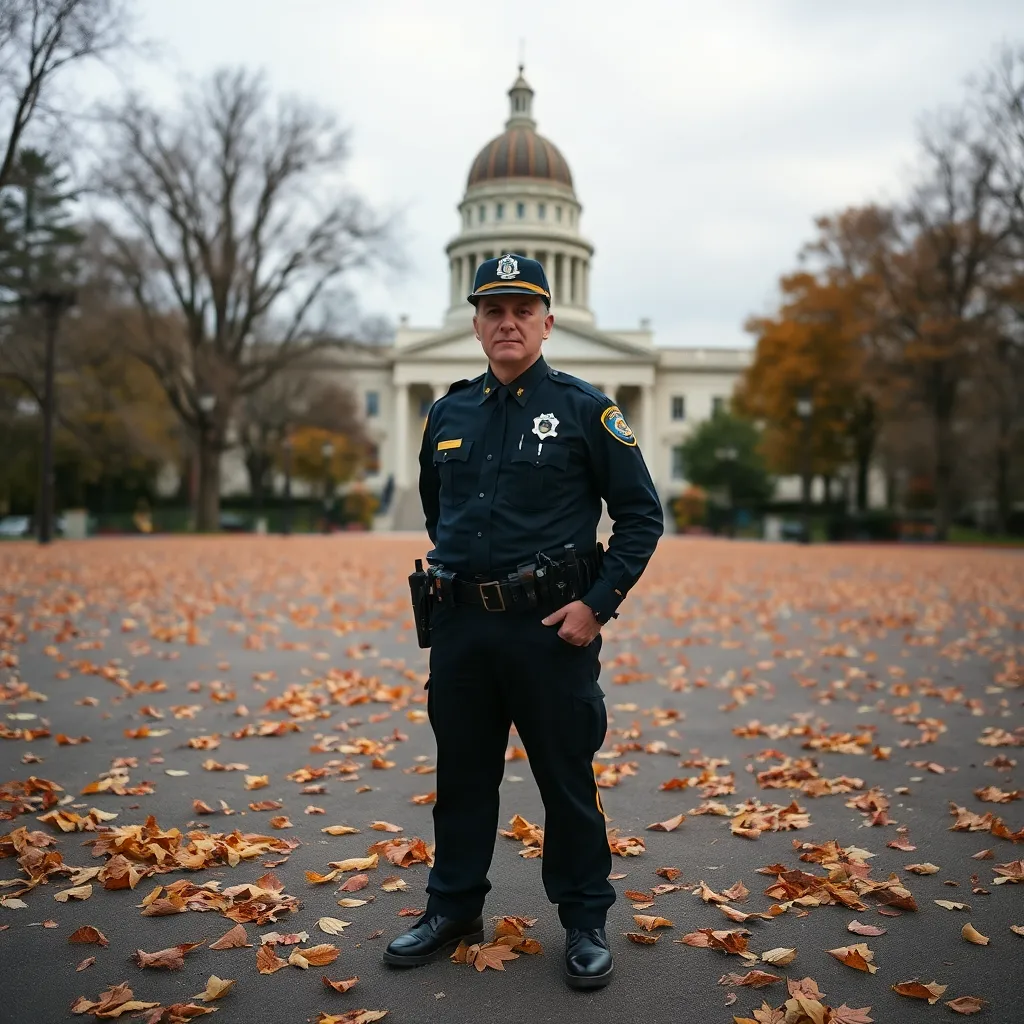
As the population nears zero, the Massachusetts State House has transitioned into a skeleton crew of three civil servants whose sole task is to maintain the "Quiet State" initiative. This program is designed to ensure that the state’s automated systems—traffic lights, drawbridges, and municipal fountains—continue to operate on their programmed schedules despite the lack of observers.
"There is a certain dignity in maintaining the rhythm of the Commonwealth," said Elias Vance, one of the three remaining state employees. "The lights still turn green on Beacon Street every sixty seconds. The bells at Old North Church still ring. It is important that if anyone ever decides to come back, they find everything exactly as they left it, albeit slightly dustier."
The federal government has yet to intervene, citing the fact that the migration is entirely voluntary and that all departing residents have continued to pay their federal income taxes from their new, significantly more crowded locations. For now, the border between Massachusetts and its neighbors remains open, though it is almost exclusively one-way.
Public Response
Comments
No comments yet.