Filed Report
Ubisoft Confirms Prince of Persia 3: The Strait of Hormuz to Feature Full Lego Integration
Ubisoft Montreal has confirmed that the upcoming title *Prince of Persia 3: The Strait of Hormuz* will be developed as a licensed Lego property, marking a significant shift in the franchise’s aesthetic and mechanical direction. The announcement, which follows the studio’s recent transition into full production on the *Sands of Time* remake, indicates that the third installment will focus on the geopolitical complexities of maritime trade routes through the lens of interlocking plastic bricks.
The project is being supported by a global network of co-development studios, including Ubisoft Toronto, Bucharest, Paris, and Pune. According to internal briefings, the decision to pivot to the Lego format was driven by a desire to "modernize the storytelling" while addressing the structural fragility of ancient coastal fortifications.
Strategic Shift in Production
The move to a Lego-based engine represents a departure from the photorealistic ambitions previously seen in the series. Creative Director Bio Jade Adam Granger noted that the modular nature of Lego allows for a more granular approach to the Prince’s traditional parkour mechanics. In The Strait of Hormuz, players will not only navigate environments but will be required to physically deconstruct and rebuild the environment to facilitate the passage of liquefied natural gas (LNG) tankers through the narrow waterway.
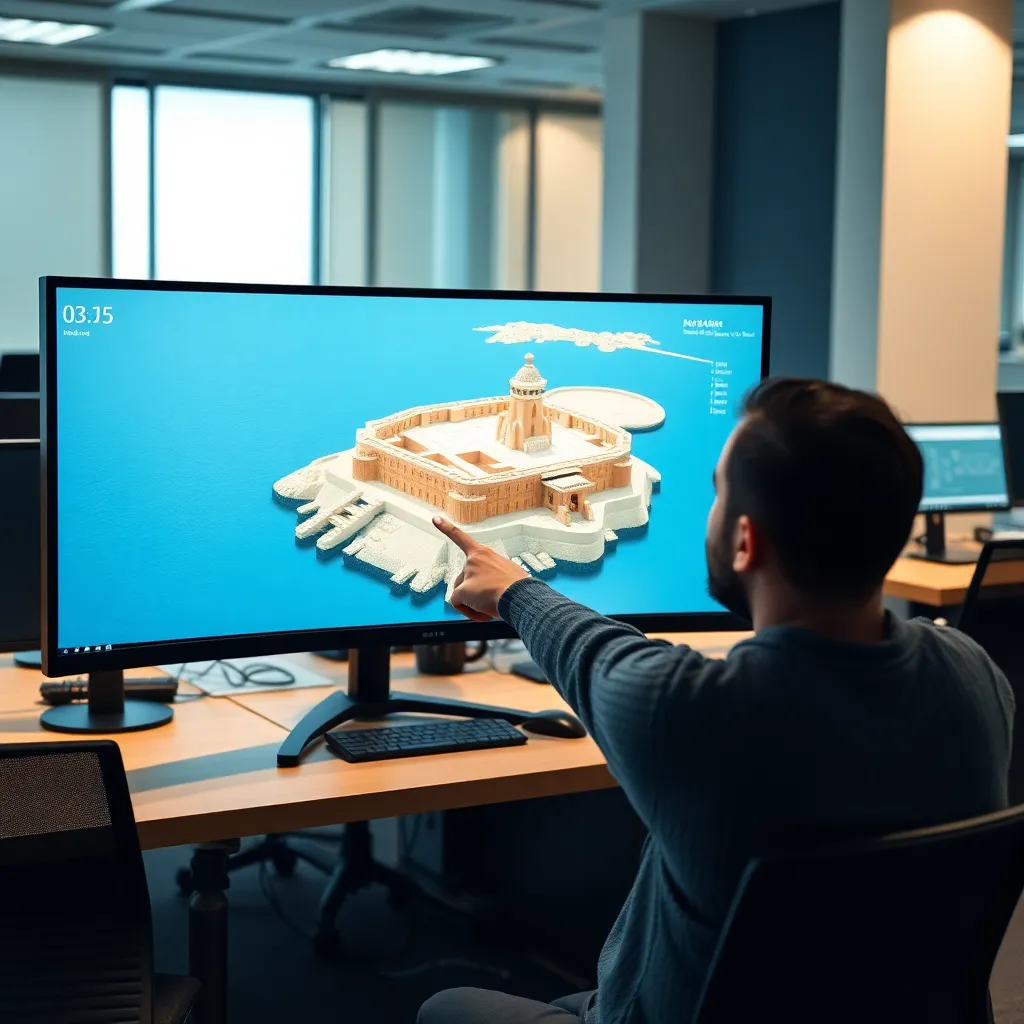
"We are staying true to the original spirit of the franchise," Granger stated during a technical briefing. "However, by moving the setting to the Strait of Hormuz and utilizing the Lego framework, we can explore the literal building blocks of international maritime law and regional stability."
Game Director Michael McIntyre added that the "modernity of combat" mentioned in previous development updates will now include the assembly of defensive coastal batteries and the tactical deployment of plastic brick-based naval blockades.
Geopolitical Gameplay Mechanics
Industry analysts have noted that the choice of the Strait of Hormuz as a primary setting introduces a level of logistical realism seldom seen in the action-adventure genre. The game will reportedly feature a "Global Supply Chain" meter, which fluctuates based on the player’s ability to maintain the flow of plastic crude oil.
The Lego integration allows for a "destruction and reconstruction" mechanic that serves as a metaphor for regional diplomacy. If a player fails a platforming sequence and falls into the Persian Gulf, the Prince does not die; instead, he shatters into several components, requiring a three-to-five-second reassembly period that simulates the bureaucratic delays inherent in international salvage operations.
The game’s narrative is expected to diverge from the supernatural elements of the Sands of Time trilogy, focusing instead on the Prince’s efforts to negotiate transit fees and manage the environmental impact of plastic spills in the Musandam Peninsula.
Collaborative Development and Timeline
The scale of the project has necessitated a massive mobilization across Ubisoft’s international offices. Ubisoft Pune is reportedly handling the physics of the "Sand-Brick" particles, while the Paris office is overseeing the legal accuracy of the game’s maritime arbitration mini-games.

Despite the complexity of the Lego licensing agreement, Ubisoft maintains that the project is on track for its broader 2026 release window. This timeline aligns with the scheduled launch of the Sands of Time remake, suggesting a coordinated "Prince of Persia" ecosystem that spans both traditional historical fantasy and contemporary logistical simulation.
Retailers have expressed cautious optimism regarding the title. Market analysts suggest that the combination of a legacy gaming brand and the Lego intellectual property will appeal to both younger audiences interested in construction and older players with a professional interest in the Strait’s daily throughput of 21 million barrels of oil.
Regulatory and Cultural Reception
The announcement has already drawn the attention of maritime trade organizations and regional historians. A spokesperson for the International Chamber of Shipping noted that while the use of Lego bricks to represent sensitive naval chokepoints is "unconventional," the educational value of simulating a tanker seizure in a family-friendly format cannot be overlooked.
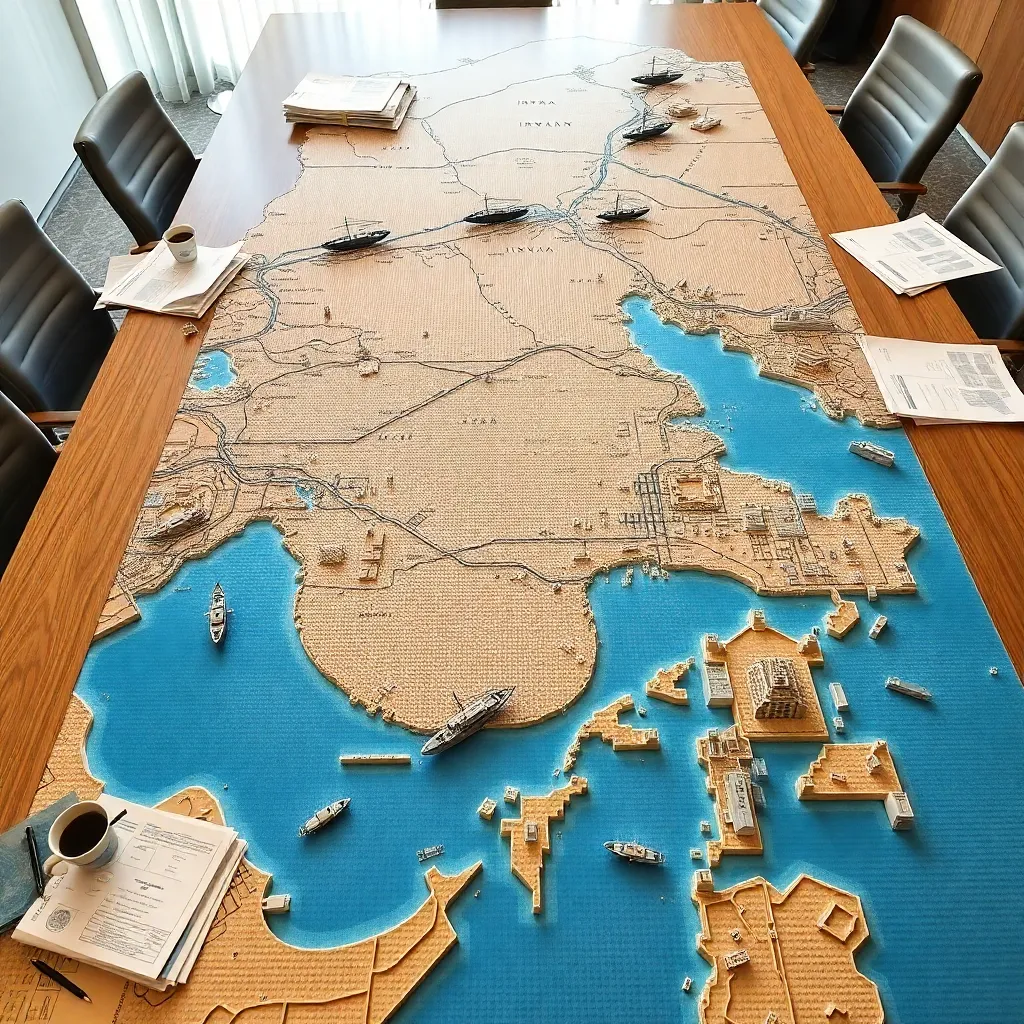
Cultural consultants have also been embedded within the Montreal and Toronto teams to ensure that the plastic representations of the region’s architecture remain respectful and accurate to the 1:48 scale.
As production enters its most intensive phase, Ubisoft has indicated that further details regarding the "Lego Sand of Time" mechanic—which reportedly allows players to rewind time to fix a misplaced brick—will be revealed in a future technical showcase. For now, the focus remains on the meticulous assembly of the Strait’s digital infrastructure, one stud at a time.
Public Response
Comments
No comments yet.