Historians Confirm: Jesus Was Gay After Unearthing “Definitely Real” Scrolls Hidden Behind a Very Suspicious Organ
JERUSALEM, IN ACADEMIA — A coalition of historians, archivists, and one man who “just really likes parchment” have announced what they are calling the most significant breakthrough since the discovery that medieval monks occasionally doodled cats in the margins: evidence suggesting Jesus of Nazareth may have been queer, romantically attached, and—according to one excitable conference attendee—“absolutely not doing the whole ‘no dating, just miracles’ thing.”
The announcement, delivered at an emergency symposium titled “Early Christianity: Now With More Subtext”, was met with gasps, frantic note-taking, and at least one theologian whispering, “I knew the foot-washing scene was a vibe.”
“We Followed the Paper Trail. It Led to a Closet. Literally.”
Lead researcher Professor Dana Vellum of the University of Greater Somewhere explained that the team’s work began as part of a broader movement among modern scholars to re-examine historical archives for erased or overwritten references to queer lives.
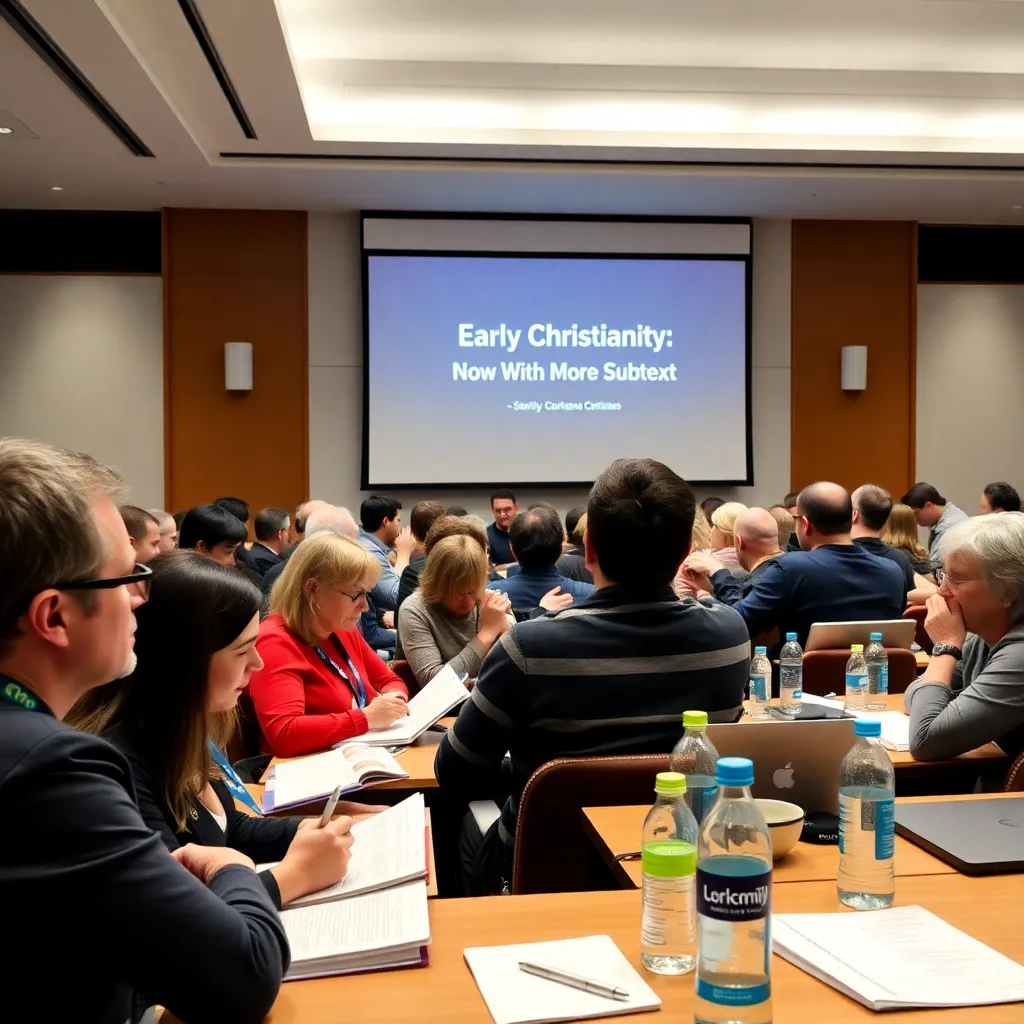
“History is full of censorship,” Vellum said, standing in front of a slideshow labeled ‘Totally Normal Roommate Behavior: A Timeline’. “When powerful institutions decide what counts as ‘acceptable,’ the first thing to go is nuance. The second thing to go is anything that makes a saint relatable. The third thing to go is the fun.”
According to Vellum, the team encountered the familiar challenges of working with ancient sources: missing pages, contradictory accounts, and manuscripts that appear to have been “edited by someone who got nervous halfway through a sentence and then spilled ink over the entire paragraph.”
“But then,” she added, pausing dramatically, “we found something extraordinary.”
The Discovery: The “Gospel of Mildly Suggestive Footnotes”

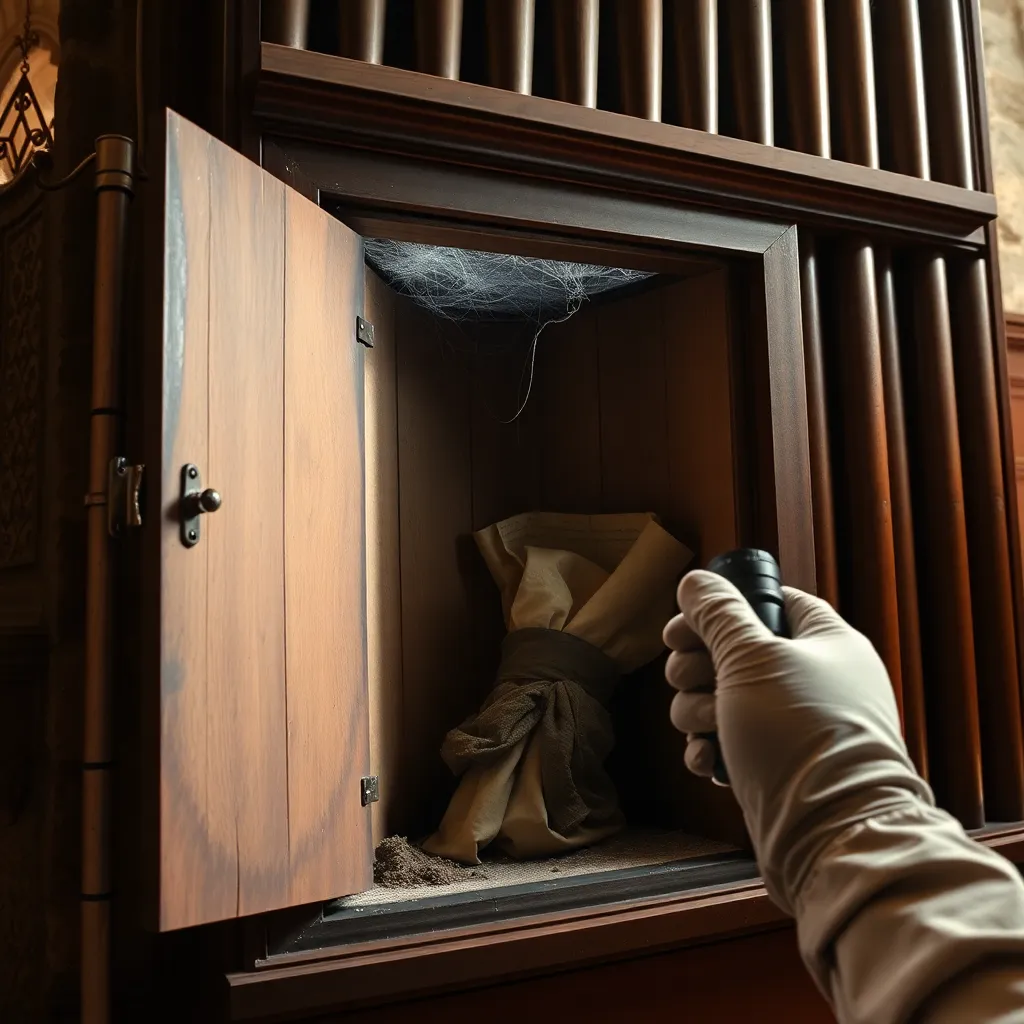
The researchers claim to have uncovered a set of fragments behind a pipe organ in a centuries-old church, tucked into a cavity described by technicians as “too small for treasure, too awkward for spiders, and exactly the size of something someone wanted nobody to find.”
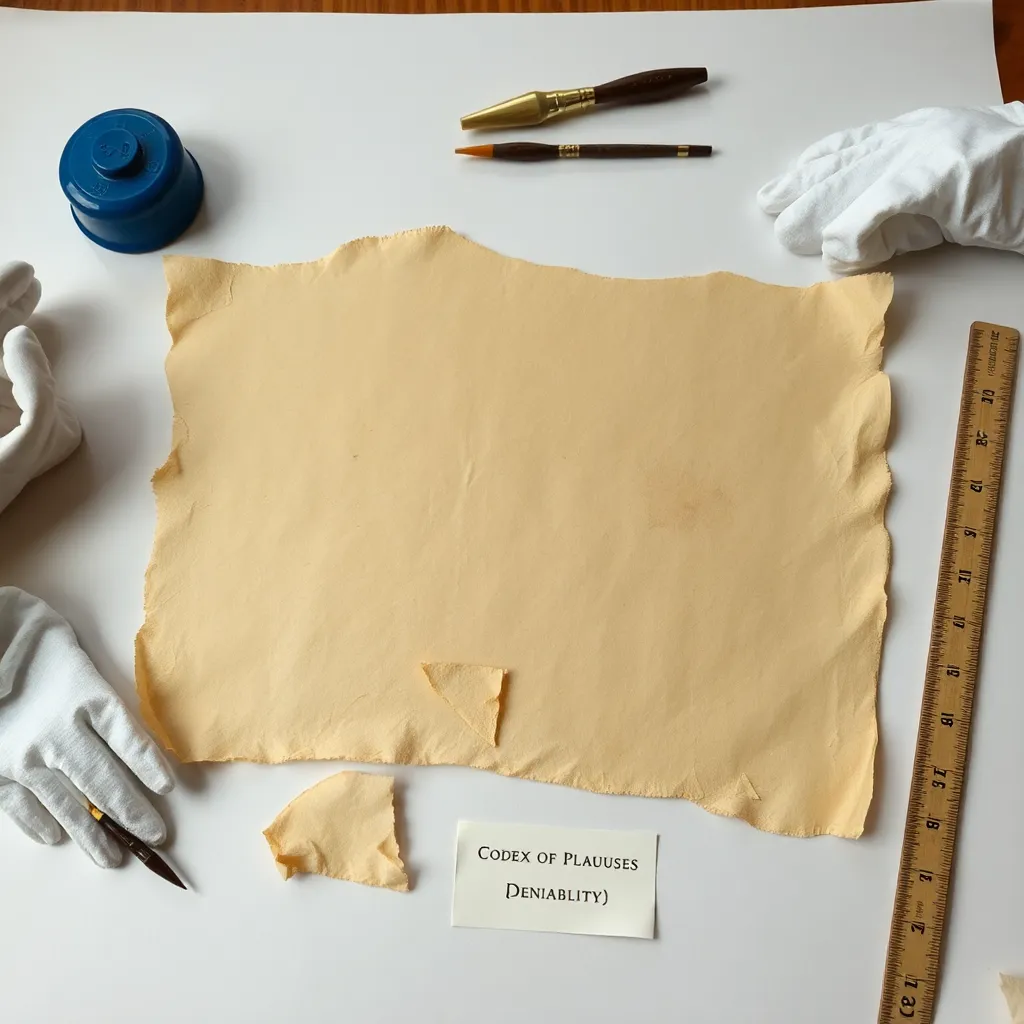
The documents, which the team has titled the Codex of Plausible Deniability, reportedly contain references to an unnamed “beloved companion” who appears frequently in domestic contexts: sharing meals, traveling, lingering meaningfully during sermons, and—most shocking of all—“making sure the snacks were packed” before heading out to perform life-changing teachings.
While the codex is fragmentary, one line has already gone viral among scholars:
“And lo, they sat close, as was their custom, and it was said among them, ‘They are just friends,’ and thus everyone continued pretending.”
Another fragment, partially singed and smelling faintly of incense and panic, reads:
“He loved him in the manner of devotion, and also in the manner of ‘can you come over, I made lentils.’”
Professor Vellum clarified that the team is not claiming the documents are definitive proof of anything beyond the fact that ancient writers “were extremely good at implying something and then acting like it was your fault for noticing.”
Church Response: “We Respect Academic Inquiry, But Please Stop Saying ‘Boyfriend’”
Asked for comment, an official spokesperson from a major church body issued a statement that was simultaneously measured and intensely stressed:
“We respect the rigorous pursuit of historical understanding. However, we caution against modern labels being applied to ancient contexts. Also, we would appreciate it if everyone would stop chanting ‘LET HIM DATE’ outside our offices.”
The spokesperson later added, “We are committed to theological reflection. We are not committed to TikTok edits with romantic music.”
The Real Bombshell: Not Virgin, Not Single, Not Here for Your Spreadsheet

While debates over Jesus’s sexuality have surfaced periodically in academic and cultural discourse, the new claims have reignited a wider conversation about how religious figures are often framed as essentially non-human: pristine, solitary, and devoid of ordinary intimacy.
Dr. Miles Render, an independent historian and part-time manuscript restorer, said the public fixation on whether Jesus was “virgin” misses the point.
“People act like holiness and human affection can’t coexist,” Render said. “But the earliest communities were full of people living complex lives—relationships, heartbreak, gossip, someone definitely stealing someone else’s sandals.”
Render also noted that many historical references to intimacy were softened by later copyists.

“It’s amazing how often a text goes from ‘beloved’ to ‘valued colleague’ once it passes through the hands of someone who gets hives from tenderness,” he said.
The Academic Evidence: Subtext, Silence, and Suspiciously Intense Friendships
The research team emphasized that no ancient manuscript is going to bluntly state, “This is the Messiah, and here is his boyfriend, Steve.” Instead, they argue, queerness in historical contexts often appears as patterns: emotional intensity, consistent companionship, domestic imagery, coded language, and later attempts to erase or “sanitize” relationships.
“Ancient writers were poets,” Vellum said. “They weren’t filling out census forms. If you want explicit labels, you’re in the wrong century.”

To demonstrate, Vellum pointed to recurring themes the team found across multiple sources, canonical and non-canonical: a favored disciple described with unusual affection, repeated references to closeness at meals, and a persistent insistence by later commentators that everyone involved was “just very spiritually close,” which historians have come to recognize as an early form of “no homo.”
“If you have to clarify that much,” Vellum said, “you’re telling on yourself.”
New Translation Choices Cause Immediate Chaos
In a move that has sent shockwaves through seminaries and translation committees, the scholars have proposed a “more text-faithful and less nervous” rendering of several passages, replacing phrases like “whom he loved” with “his beloved,” and “companion” with “companion (romantic implications cannot be excluded).”
A leaked draft of one proposed study Bible annotation reads:
“This footnote has been added because a surprising number of adults require written confirmation that love is a thing people do.”
Publishers, meanwhile, are already preparing for the inevitable spin-off editions, including:
The Gospel: Now With Commentary From Your Queer Friend Who Took One Theology Class
Song of Songs: Stop Pretending It’s About Agriculture
The Revised Standard Version (Emotionally Honest Edition)

Local Man Furious, But Only Because He Had a Different Fan Theory
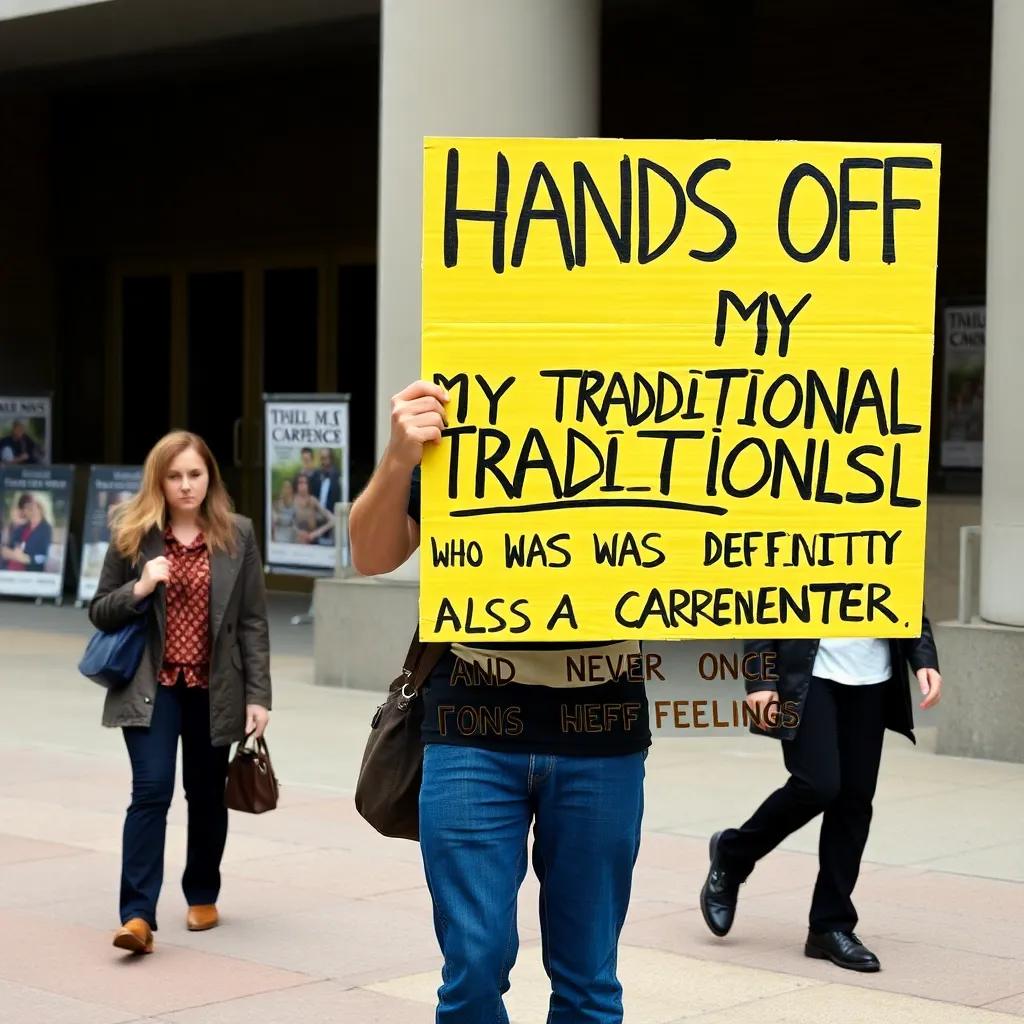
Not everyone is taking the news well. Outside the symposium, one protester held a sign reading: “HANDS OFF MY TRADITIONAL JESUS (WHO WAS DEFINITELY ALSO A CARPENTER AND NEVER ONCE HAD FEELINGS)”.
When asked why he was so upset, the man said he had always imagined Jesus as “above all that.”
“Dating is messy,” he explained. “If Jesus dated, that means he might’ve had to talk about feelings, and that makes him relatable. I don’t come to religion to imagine someone having a calm, respectful conversation about boundaries.”

Nearby, another attendee shrugged and said, “If anything, this makes the message more universal. Love thy neighbor. Love thy neighbor’s son. Love thy neighbor’s son who keeps ‘just dropping by’ with bread.”
The Wider Cultural Impact: Suddenly Everyone’s Re-Reading Everything
Within hours of the announcement, social media was flooded with arguments, memes, and lengthy threads beginning with “As a historian…” posted by people whose previous historical work consisted mostly of ranking medieval armor based on vibes.
Meanwhile, bookstores reported a surge in sales of ancient texts, biblical commentaries, and highlighters in pastel colors labeled “Subtext.”

One seminarian admitted the news had caused an awkward moment in class.
“Our professor said, ‘The sources don’t allow certainty,’ and someone whispered, ‘That’s what they said about Achilles,’” the student reported. “The room went silent. Then someone started taking notes like their life depended on it.”
Scholars Stress: “This Isn’t About Winning—It’s About Admitting People Were People”
Despite the sensational headlines, the research team insisted their work isn’t meant to “claim” a religious figure for one group or another, but to challenge the historical habit of scrubbing human complexity out of sacred narratives.

“Queer people have always existed,” Vellum said. “The question is whether institutions allowed their stories to survive. Sometimes you don’t find a definitive statement. Sometimes you find a gap where someone worked very hard to make sure you wouldn’t.”
She paused, then added, “And sometimes you find a scroll behind an organ, which is honestly just funny.”
What Happens Next: Peer Review, More Debate, and Several Extremely Tense Panel Discussions
The team’s findings will undergo peer review later this year, in what experts predict will be “the most politely savage academic discourse since someone suggested Plato might have been flirting.”
In preparation, universities are scheduling panels with titles like:
Friendship in Antiquity: How Close Is Too Close?
Erasure, Translation, and the Politics of ‘No, They Were Just Roommates’
Miracles, Masculinity, and Why Everyone Needs to Calm Down
As for Professor Vellum, she says the goal is simple: keep looking, keep questioning, and stop treating tenderness like contraband.
“Whether you’re religious or not,” she said, “history gets richer when we stop forcing it into narrow boxes. People loved people. Sometimes the record is clear. Sometimes it’s coded. Sometimes it’s been edited by someone with a quill and a fear of feelings.”
She smiled, clicked to the final slide, and read aloud the concluding line from the newly discovered codex fragment:
“And they said, ‘Surely this cannot be,’ for they had built their certainty upon silence.”
Then, after a beat, she added: “Which, frankly, is a terrible building material.”