HR Launches “Talent Acquisition (For Venus Flytraps)” Initiative As Millennials Admit They Don’t Know What To Feed Their Carnivorous Plant Besides Emotional Baggage
LONDON — In a development botanists are calling “predictable” and housemates are calling “not in the kitchen, please,” a growing number of carnivorous plant owners have begun asking the same earnest question: how to choose the best people to feed your carnivorous plant.
The confusion, experts say, stems from a modern lifestyle in which adults will spend three hours selecting the perfect ceramic pot, but will not spend nine seconds reading the label that says, in plain English, “insects.”
Still, the question persists—particularly among first-time plant parents who are convinced their Venus flytrap needs “a little treat” and have interpreted the word “carnivorous” as “eligible for a rotating cast of minor social media personalities.”
To address the growing crisis, The Wibble has obtained leaked guidance from the newly formed Carnivorous Plant Human Resources Department (CPHRD), which insists that while the plant is hungry, it is also “deeply committed to ethical sourcing.”
First, A Clarification: Your Plant Does Not Eat People (And You Shouldn’t Try)
Despite what your plant’s confident little jaw-like leaves suggest, carnivorous plants are not looking for “people” in the way you’re imagining. They’re looking for bugs—and even then, not that many.
A spokesperson for the Royal Society for Preventing People From Becoming Plant Snacks (RSPPFPPS) issued a statement reading:
“Please stop asking which friends are most suitable. Your Venus flytrap is not a dragon. It is a small, damp introvert that occasionally eats a fly.”
That said, many owners report their plants seem to judge them in a way that makes feeding feel like a moral choice. And in that sense, “choosing the best people” can be understood in a safer, more socially acceptable way: choosing the best people to be involved in the feeding process, or choosing the best “people-shaped” snacks (gummies, marshmallows, novelty candy), or choosing which guests are allowed to watch without offering unsolicited care advice.
With that framing, the CPHRD has released a rigorous, corporate-approved selection process.
Step 1: Define The Role — “Feeding Associate (Volunteer)”
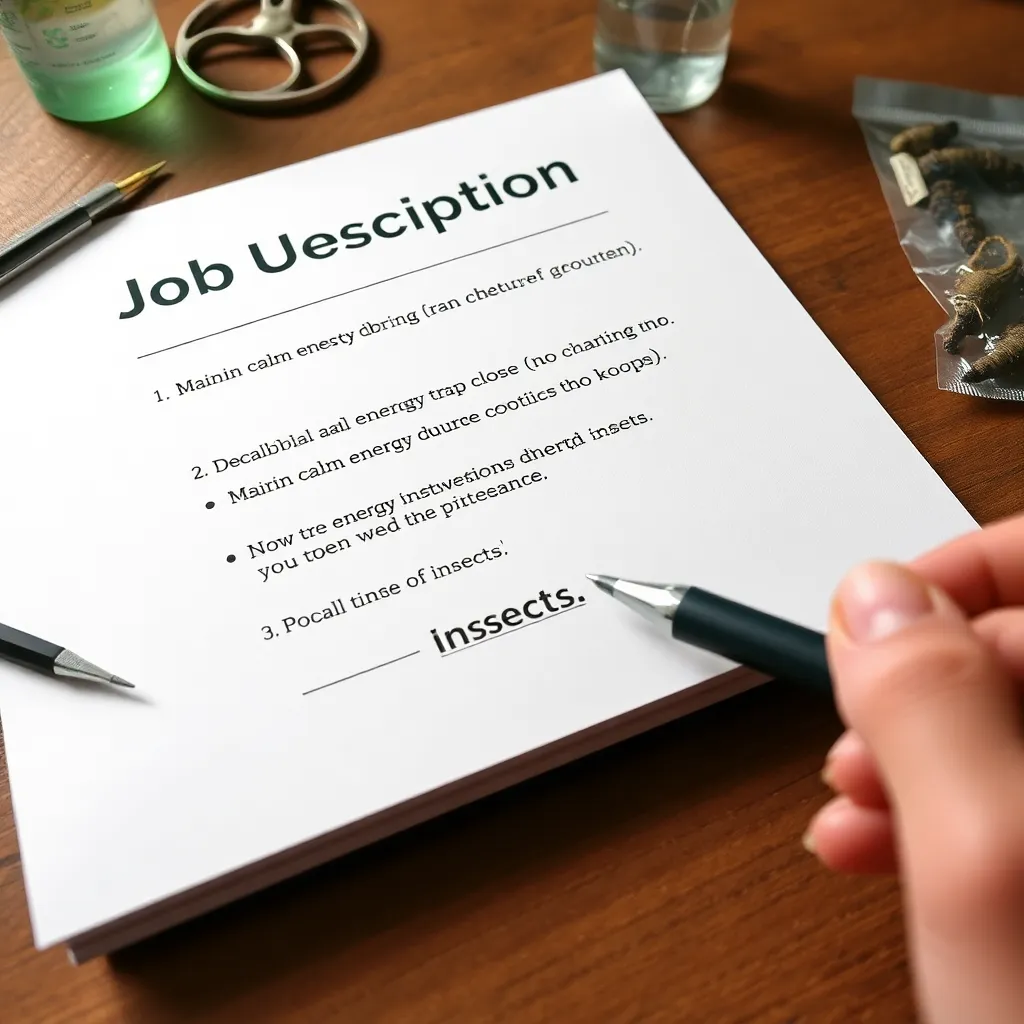
Before you begin “choosing people,” write a job description. This immediately reduces chaos by 40% and prevents you from accidentally recruiting your most dramatic friend, who will treat the task like a Netflix true-crime reenactment.
A sample posting:
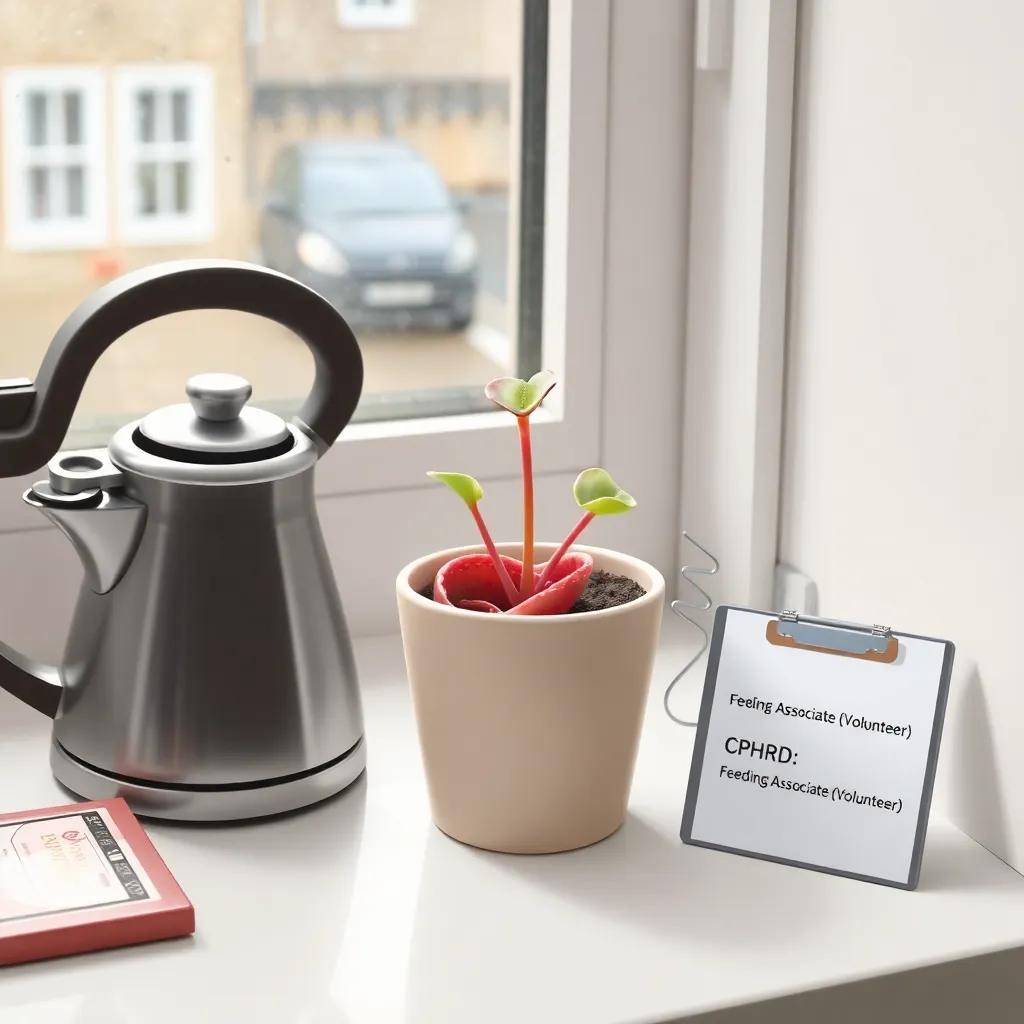
Position: Feeding Associate (Volunteer)
Responsibilities:
Source appropriate prey items (e.g., small insects; not your flatmate’s nephew)
Maintain calm energy during trap closure (no chanting)
Refrain from overfeeding due to “it looked hungry” vibes
Desired Skills:Fine motor control
Basic respect for plant boundaries
Ability to not poke the traps “to see if it still works”
Step 2: Build A Candidate Pool (Without Alerting The Group Chat)
The best candidates are typically found in one of three ecosystems:
The person who already keeps a jar of mealworms for reasons you should not interrogate.
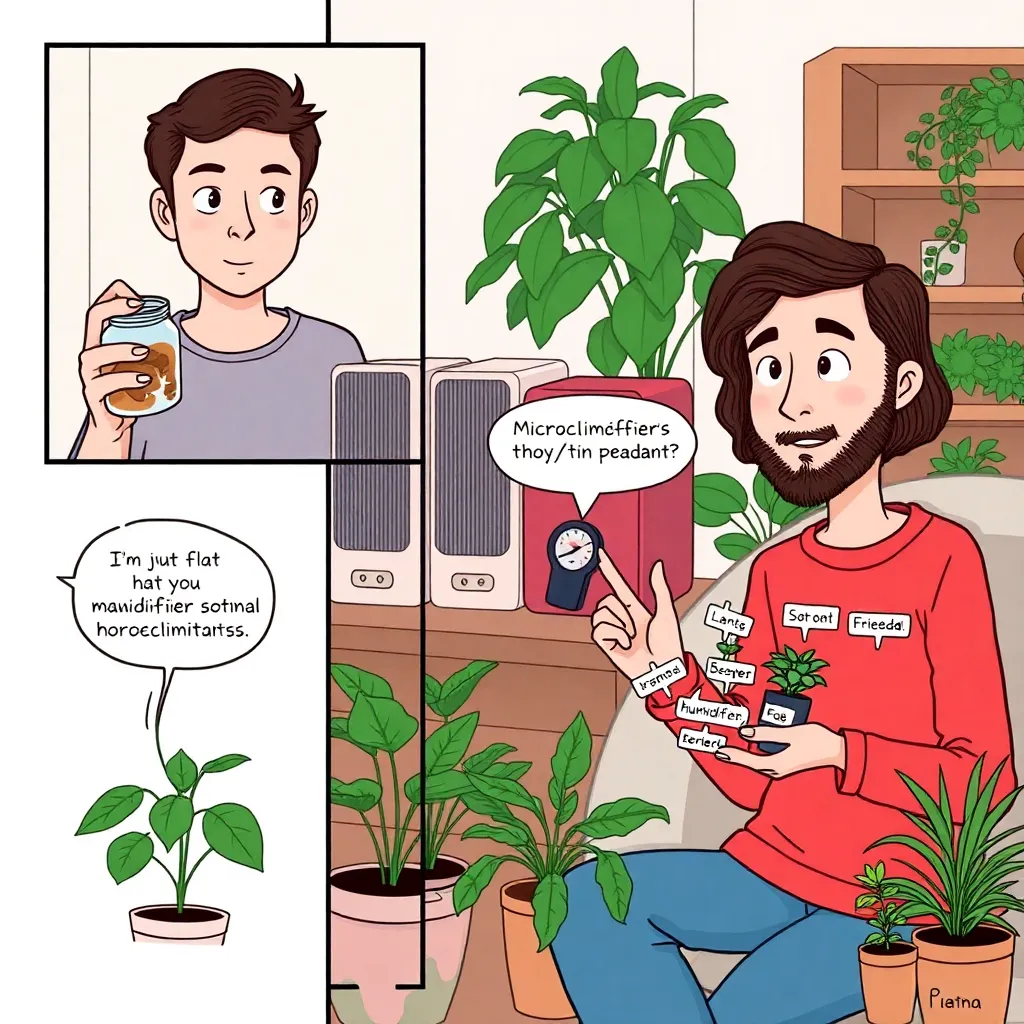
The calm friend who owns two humidifiers and says things like “it’s about microclimates.”
The gentle weirdo who names every houseplant and apologises to them after pruning.
Avoid recruiting from:
Anyone who starts sentences with “Watch this.”
Anyone who describes themselves as “chaotic neutral.”
Anyone who has ever said, “Plants love Red Bull. It’s got electrolytes.”
Step 3: The Interview — Ask The Right Questions
The CPHRD recommends behavioural interview questions to determine suitability:
“Tell me about a time you respected a living thing’s limits.”
Correct answers include: “I didn’t repot it during a heatwave,” or “I stopped touching the cactus after the third warning.”
Incorrect answers include: “I trained my goldfish to do parkour.”
“How would you respond if the plant didn’t close?”
Correct: “I would assume it’s not hungry, or it’s stressed, and leave it alone.”
Incorrect: “I would clap near it to motivate it.”
“What is your stance on feeding frequency?”
Correct: “Occasional. Not necessary often. It photosynthesises.”
Incorrect: “Three meals a day, plus snacks, because that’s what my trainer says.”
Step 4: Background Checks — The Red Flags You Must Not Ignore
According to leaked documents, the top disqualifiers include:
History of tapping aquarium glass (a predictor of general boundary issues)
Calls all insects ‘gross’ but also insists on “being part of the process”
Believes the plant is “basically a pet” and needs emotional validation
Has said, out loud, “Let’s see if it can eat a whole burger”
The plant will not eat a whole burger. It will, however, suffer silently while you attempt to turn it into content.
Step 5: Choose “People” The Safe Way: People-Shaped Alternatives
For owners truly committed to the concept of “feeding people” (a phrase that continues to concern authorities), the CPHRD recommends “ethical substitutes,” including:
Gummy people (popular in Scandinavian candy aisles and dystopian dreams)
Marshmallow figurines (soft, symbolic, and less likely to start a podcast)
Tiny gingerbread people (seasonal, festive, and unlikely to unionise)
Plastic miniatures placed nearby for “atmosphere” (the plant won’t eat them, but it will feel powerful)
Note: Most carnivorous plants still won’t digest candy properly. But as a theatrical gesture—like lighting a candle or playing spa music—it can help the owner feel they are providing “enrichment,” which is an important part of modern plant ownership, along with posting “growth progress” reels set to dramatic violin.
Step 6: The Trial Period — One Feeding, Maximum Dignity
Once you’ve selected your candidate, begin with a probationary feeding session. Keep it professional:
Use appropriate prey: small insects, ideally already deceased if you’re squeamish (and depending on plant type).
Do not force the trap shut.
Do not “help” by pushing the bug further in like you’re closing a suitcase.
The best Feeding Associates narrate calmly, like a museum audio guide:
“Here we observe the flytrap doing what it does, without my input, because my input is historically unhelpful.”
Step 7: Performance Review — Was The Plant Happy Or Just Quiet?
Signs your selected person did well:
The plant wasn’t repeatedly disturbed.
No one screamed “IT’S ALIVE” loud enough to frighten the windows.
The feeding did not turn into a demonstration of dominance.
Signs they did poorly:
They attempted to feed it something “protein-based” from the fridge.
They described the plant as “bloodthirsty.”
They asked if it could “eat a wasp for content.”
Common Misconception: “The Best People Are The Worst People”
A rumour persists that the ideal “people” to feed your plant are those who are “toxic,” “bad vibes,” or “your ex.”
This is nonsense invented by people who confuse botany with karma.
Your Venus flytrap cannot digest:
Passive aggression
Emotional unavailability
Men who “aren’t looking for anything serious”
A podcast host’s entire personality
It can digest small insects. That’s it. Anything else is you projecting.
Final Guidance From The CPHRD (And Your Plant, Probably)
If you insist on “choosing people,” choose them in the same way you choose anyone to handle a living thing: gentle, calm, and capable of not making it weird.
And if you’re choosing “people” as snacks, choose candy figurines and novelty shapes, then immediately remember your plant isn’t a Halloween prop and go back to feeding it what it actually needs: not much, and not often.
As one exhausted flytrap reportedly “said,” via the ancient language of sitting still:
“Please stop recruiting. I am a plant. I am photosynthesis with occasional hobbies.”
In related news, a man in Croydon has been asked to leave a garden centre after demanding a “starter pack of morally ambiguous acquaintances” to go with his sundew. The garden centre offered him a packet of fungus gnats and a leaflet titled “You’re Overthinking This.”