Local Resident Insists They “Didn’t Eat Soap,” Immediately After Announcing They “Did”
In what experts are already calling “a landmark event in the field of saying things and then unsaying them,” a local individual reportedly sparked confusion, concern, and mild interest on Tuesday after issuing a public statement that appeared to both confirm and deny the consumption of soap in the same breath.
The statement—delivered with the urgency of someone who has just remembered that consequences are real—read in full:
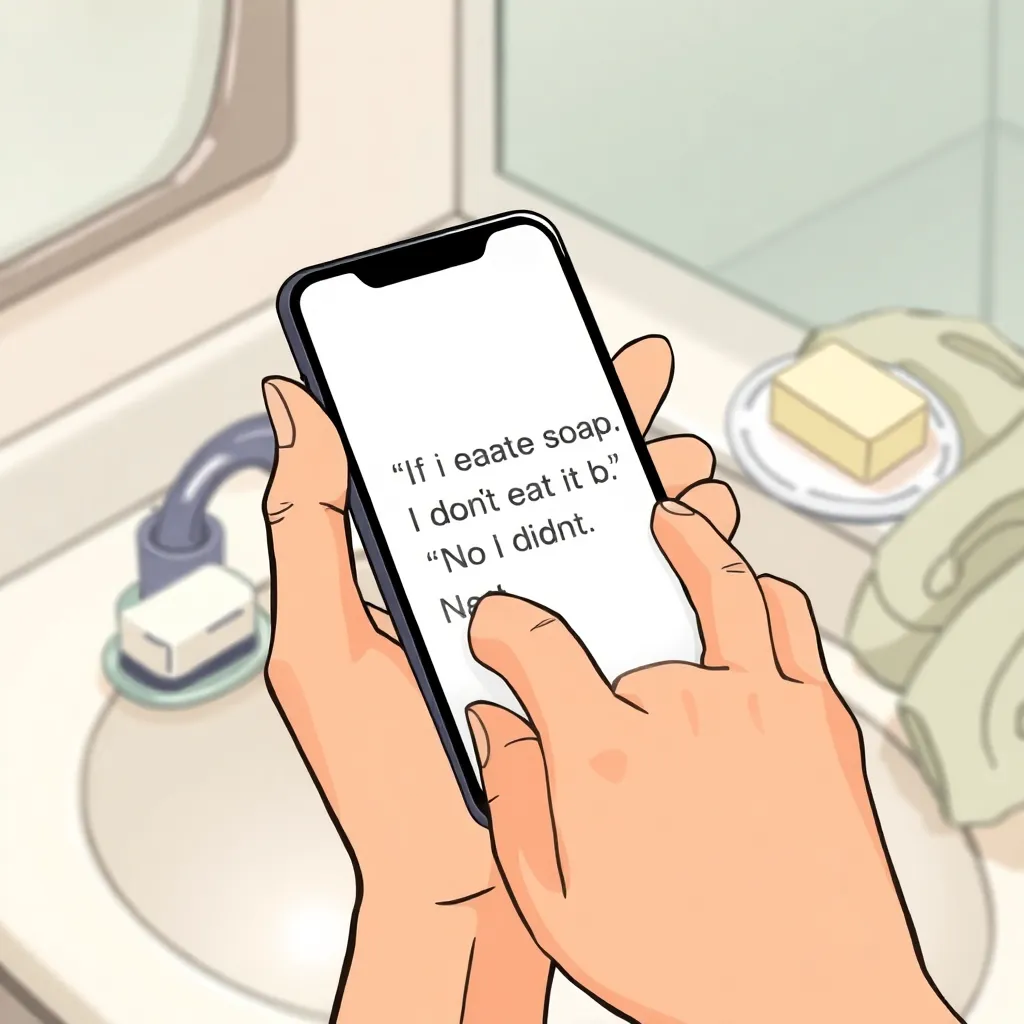
“If i eated soap. I dont eat it bc i did. No i didnt”
Observers described the message as “a masterpiece of modern communication” and “exactly how most people talk when asked about literally anything they might regret.”
A New Golden Age of Denial
Linguists and crisis-management professionals immediately gathered to analyze the statement, noting its rare combination of hypothetical framing, retroactive justification, and full-blown reversal.
“It starts strong with a classic conditional—‘If i eated soap’—which is both speculative and deeply suspicious,” said Dr. Elaine Porridge, Professor of Applied Semantics at the University of Somewhere Nearby. “Then it pivots into an explanation—‘I dont eat it bc i did’—which is frankly the kind of reasoning we typically see when toddlers explain why the wall is now blue.”
Finally, she noted, the speaker deploys the ultimate rhetorical escape hatch: “No i didnt,” a phrase long recognized as the world’s most widely used legal defense in households, workplaces, and group chats.
Soap Industry Responds: “Please Stop Naming Us In Your Adventures”
Representatives from the soap community were quick to distance themselves from the incident, emphasizing that their products are designed for external use, moral cleansing, and being dropped in movies as a comedic device—not for casual snacking.
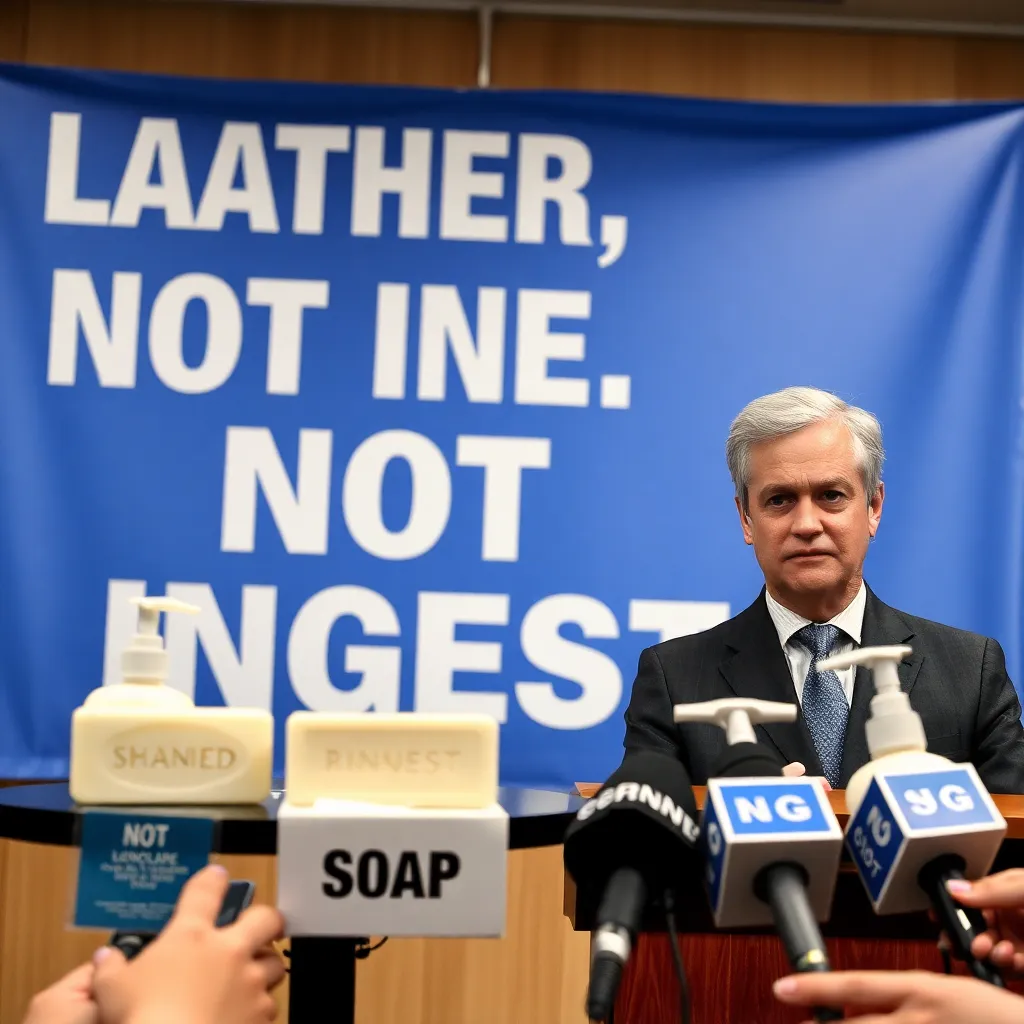
“We’d like to remind the public that our bars are not appetizers,” said a spokesperson for Big Soap, standing in front of a banner that read LATHER, RINSE, NOT INGEST. “We understand curiosity, but we also understand stomach acid, and we would prefer the two never meet.”
When asked whether the statement constituted an admission of soap consumption, the spokesperson sighed and replied, “It constitutes something.”
Eyewitnesses Reported “A Vibe of Soap” But No Concrete Evidence
Friends, family, and nearby objects were reportedly questioned, but evidence remains inconclusive.
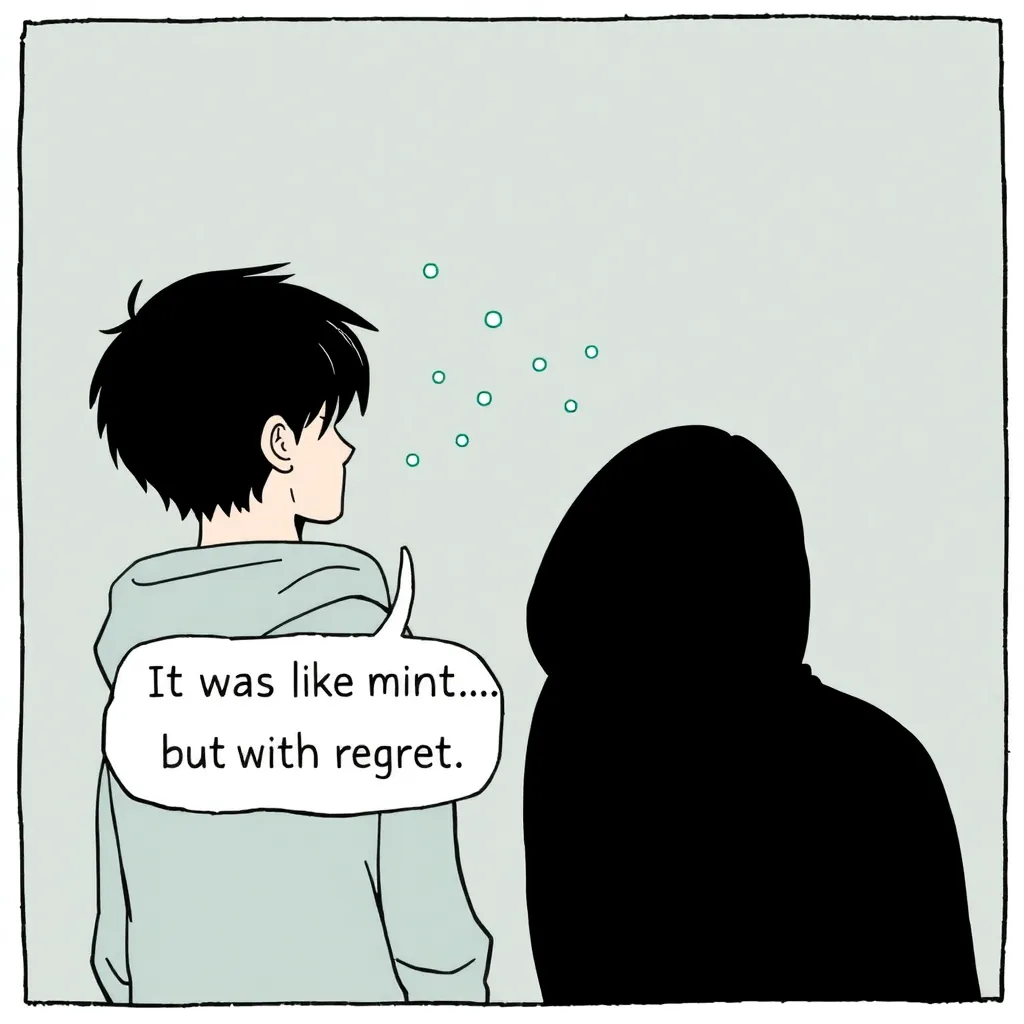
One witness, who asked to remain anonymous due to fear of being dragged into further conversational turbulence, claimed they detected “a faint, suspicious cleanliness” in the speaker’s breath.
“It was like mint,” the witness said, “but with regret.”
Another source noted that the individual’s hands appeared “too moisturized,” though experts cautioned that this could also be consistent with “just washing your hands like a normal person” or “touching anything in a modern supermarket.”
Medical Experts Weigh In, While Also Admitting They’d Prefer Not To
Healthcare professionals urged calm, reminding the public that a small accidental taste of soap is not uncommon, especially among those who have ever attempted to open their mouth in the shower.
“People get a little soap in their mouth sometimes,” said Dr. Sanjay Keel, an emergency physician. “It’s unpleasant, it’s foamy, it makes you question your life choices, but it’s usually not a major emergency.”
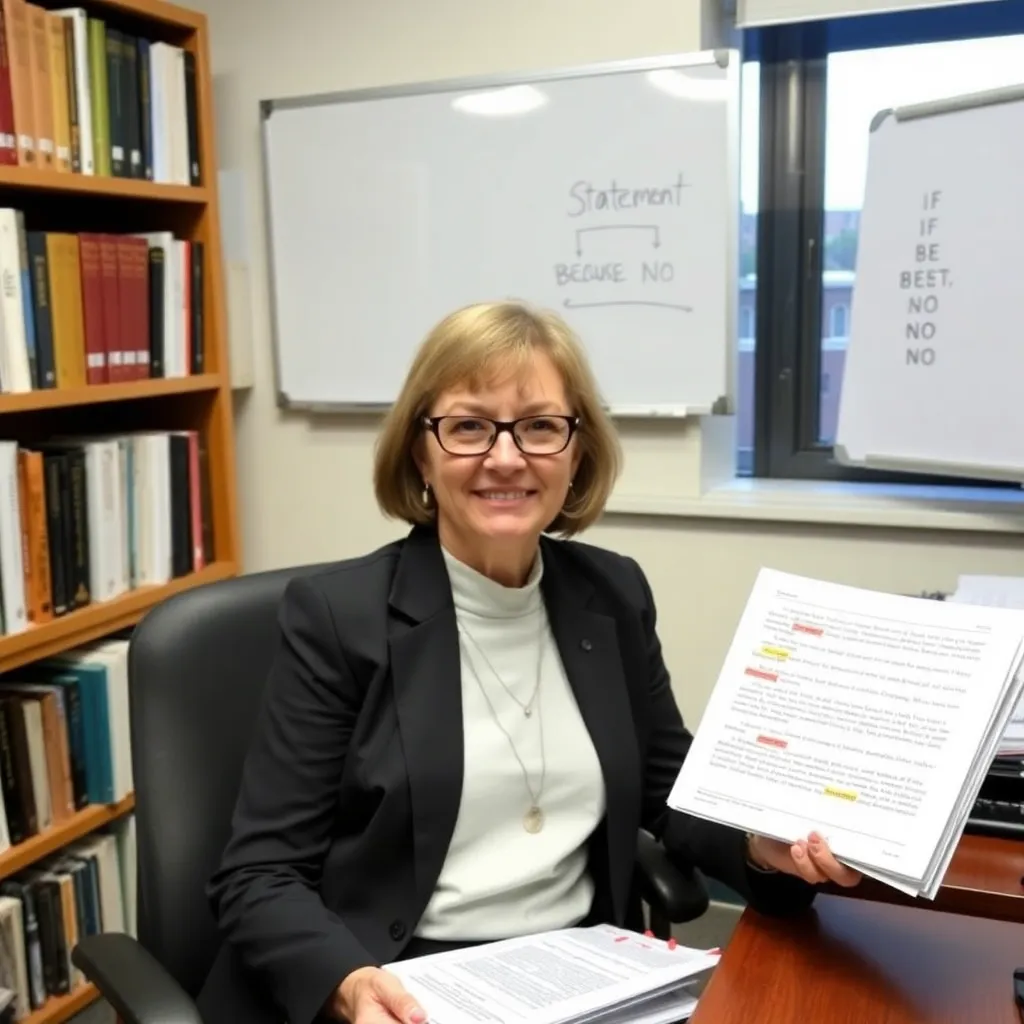
However, Dr. Keel clarified that the public statement did not describe a minor accident so much as a philosophical riddle performed at speed.
“What we have here is not a medical case,” he said. “It’s a narrative issue.”
The Grammar Community Declares State of Emergency
As news spread, grammar enthusiasts entered the scene, armed with red pens, dictionaries, and the kind of determination normally reserved for searching for a missing pet.
“The phrase ‘I eated’ is a cry for help,” said one local grammarian, already drafting a 12-tweet thread titled Ate: The Word We All Deserve. “Also, ‘I dont eat it bc i did’ suggests time travel. Or guilt. Possibly both.”
When asked whether correcting the statement would make it clearer, the grammarian paused, then quietly admitted, “No. It would only make it more official.”
Philosophers Celebrate: “At Last, Truth Has Been Replaced by Vibes”
Meanwhile, philosophers hailed the statement as a breakthrough in post-truth discourse, praising its ability to hold multiple realities at once.
“It’s a perfect encapsulation of our time,” said cultural theorist Marla Dent. “First you propose an event may have occurred. Then you explain why it occurred. Then you insist it did not occur. That’s not confusion—that’s brand strategy.”
Dent added that the statement also reflects “the growing preference for emotional accuracy over factual accuracy,” noting that the speaker may have been aiming for a deeper truth: that while soap may or may not have been eaten, it certainly should not have been.
Investigators Seek Answers, Find Only More Questions
Authorities attempted to determine what, if anything, had been consumed. Their investigation reportedly included:
Checking nearby soap levels for suspicious bite marks
Interviewing the speaker’s conscience (no comment)
Searching for traces of bubbles, foam, or “squeaky clean energy”
Asking, gently, “Are you okay?” (response unclear)
The case remains open, mostly because nobody is sure what they’re investigating.
Final Statement Expected, Immediately Retracted
At press time, the individual was believed to be preparing a follow-up clarification, tentatively rumored to include one of the following:
“I almost did but then I didn’t but I did in my mind”
“It was not soap it was soap-adjacent”
“Forget I said words”
“Actually it was shampoo which is different because it’s liquid”
Analysts predict the next update will contain at least one apology, one denial, and a fresh sentence that makes everyone wish they could unread.
Public Safety Reminder: If You Think You Ate Soap, Here’s What To Do
Though officials emphasized that this is a satirical news report and not medical advice, they did offer a practical public guideline for anyone experiencing soap-related uncertainty:
Rinse your mouth with water
Avoid consuming more soap “just to check”
If you feel unwell, consult a medical professional
If you feel compelled to post about it, consider pausing for 10 seconds and choosing peace
For now, the world watches and waits, united in confusion, as one person’s simple non-event becomes a cautionary tale about speech, soap, and the fragile relationship between actions and announcements.
More on this story as soon as it both happens and doesn’t.