Microsoft Unveils “Windows 11 Undevelopment Program,” Promises New Update Will Prevent Computer From Existing Entirely
REDMOND, WA — Sources who spoke on condition of being immediately blue-screened confirm that Windows 11 is not being “developed” in any conventional sense, but is instead participating in an ambitious new lifecycle strategy: undevelopment, a process by which software is carefully iterated until it no longer does any of the things software historically did.
The revelation follows a string of updates that, according to several users, have introduced a thrilling new genre of feature: absence. One recent patch reportedly impaired the operating system’s ability to shut down, prompting a wave of nostalgic hardware interactions not seen since the era of CRT monitors and emotional resilience.
“Shutting down Windows feels like murder,” said one user, staring bleakly at the Start menu as if it had personally wronged them. “I don’t click ‘Shut Down’ anymore. I just hold the power button and whisper apologies to my SSD.”
Another user described the moment with the same reverence normally reserved for historical tragedies and printer setup wizards. “This is not a real system if it can’t boot without me messing with the console,” they said. “I can’t believe I’m saying this, but I miss when my biggest Windows problem was that it wanted to update.”
Updates: Now With 20% More Spiritual Growth
Microsoft has long described Windows 11 as “the most secure Windows ever,” which observers now interpret as meaning, “It won’t let you into the system at all, so attackers can’t either.”
Industry watchers note that recent updates appear to follow a predictable cadence:
Introduce one new feature nobody asked for (often involving a panel, a sidebar, or a floating thing that explains itself at length),
Break ten existing features that were quietly working, and
Publish an official support document implying the issue can be resolved by “running the troubleshooter,” a tool widely regarded as an interactive way to waste time while the problem deepens.
A veteran Windows user described the modern experience as “a rotating escape room where every clue is a telemetry prompt.”
“You don’t use Windows 11,” they explained. “You negotiate with it. You plead. You offer it drivers. You reboot three times like a ritual. Sometimes it lets you print.”
Copilot Everywhere, Doing Very Little, All At Once
While core operating system functions have allegedly entered what Microsoft would call a “journey,” one component has been aggressively stabilized: Copilot integration.
According to marketing materials, Copilot is Windows’ “ultimate productivity companion,” now embedded across the system with the confident energy of someone who has never once had to find a Control Panel setting.
But many users report that the Copilot button remains, in practice, a heavily branded shortcut to opening a chat window—an experience critics have described as “like adding a turbocharger to a shopping cart.”
“It can summarize certain file types,” said one office worker. “But it can’t unbreak my audio drivers, it can’t fix my boot sequence, and it can’t explain why my computer needs permission to open its own settings.”
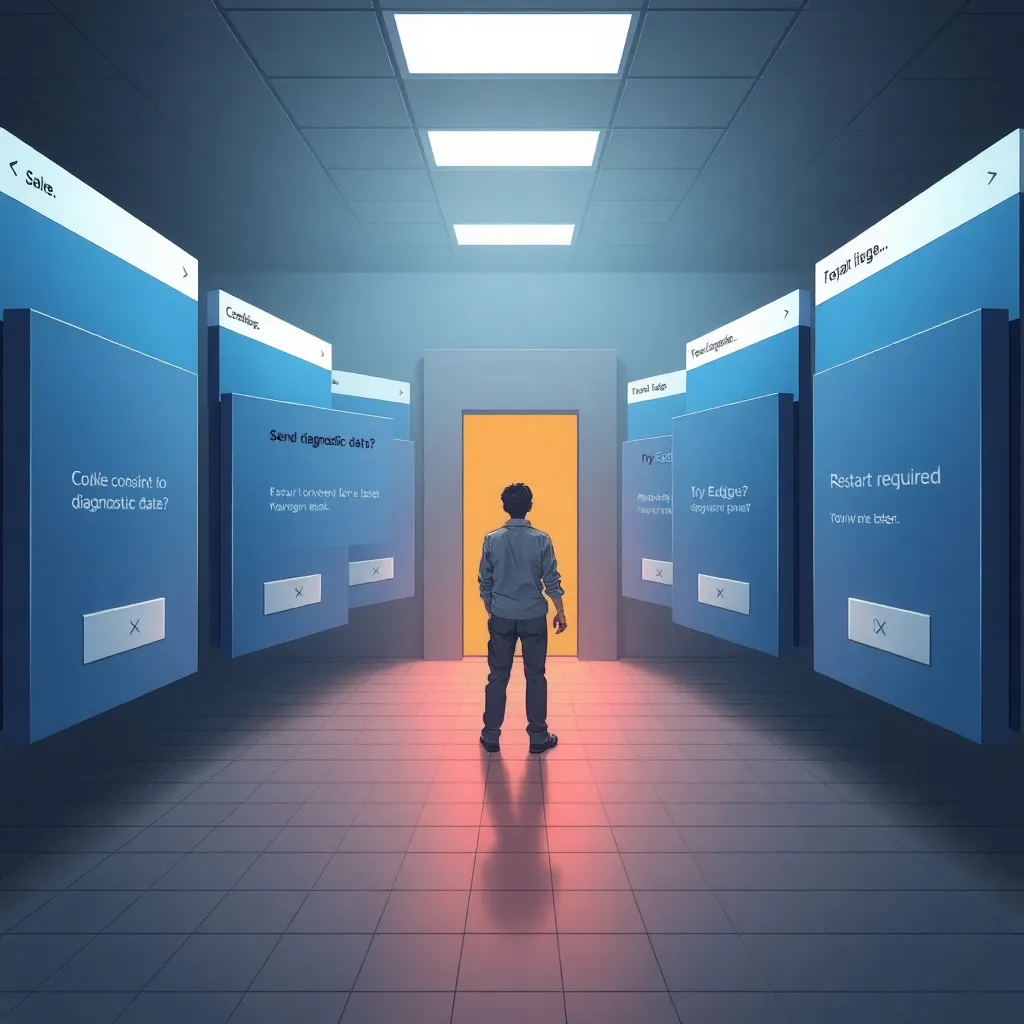
At press time, users confirmed Copilot can provide a cheerful list of steps for resolving problems, often beginning with:
“Try restarting your device.”
—an instruction that has become considerably funnier in the wake of reports that the device sometimes refuses to restart, shut down, or begin.
Microsoft Says 30% of Windows 11 Code Is AI-Written; Insiders Say It’s 100% and Also Confused
Microsoft has publicly claimed that roughly 30% of Windows 11 code is written with AI assistance. However, internal sources—described as “tired,” “haunted,” and “unable to locate the taskbar settings anymore”—allege the real figure is 100%, achieved via a sophisticated pipeline in which AI systems generate features, justify them to investors, and then gaslight each other into approving the resulting code.
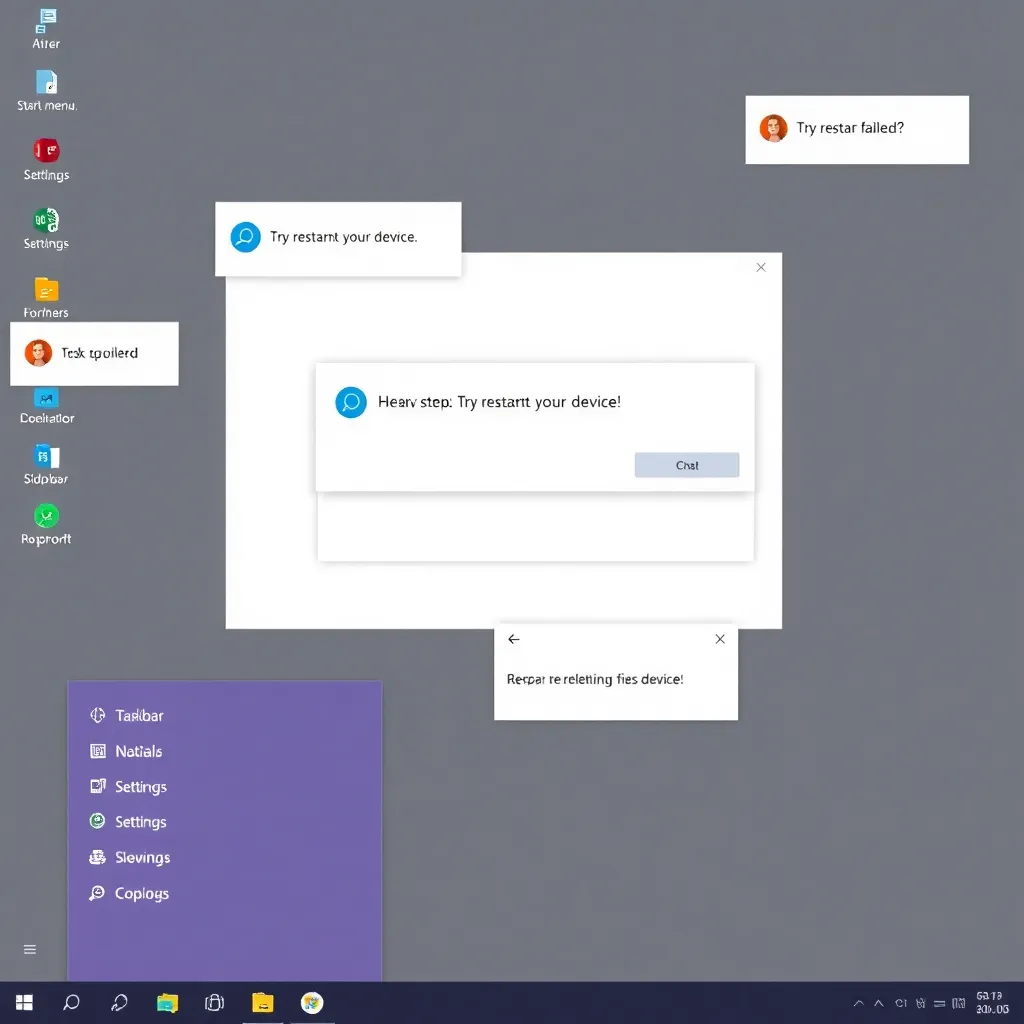
One engineer, speaking through a single tear and a locked Teams status, outlined the alleged process:
An AI hallucinates a feature no user requested, such as “adaptive suggestion tiles” or “contextual productivity insights.”
It assigns other agents to generate the minimum viable amount of code required to produce screenshots.
Another AI reviews the code by repeatedly insisting it’s “industry-leading” until the unit tests feel bullied into passing.
The update ships, successfully adding one new button while simultaneously causing Bluetooth to believe it is 1997.
“This is not development,” the engineer allegedly said. “This is undevelopment.”
Microsoft has not officially responded to the claim, though observers note the company did release a statement reading, in full:
“Thanks for your feedback!”
followed by a link to a forum thread from 2016.
Linux Gains Momentum as Users Flee to a Place Where Computers Still Computer
Meanwhile, reports indicate a growing number of users are switching to Linux following major ecosystem improvements: better gaming support, performance gains, and broader compatibility for Windows-targeted software—often through compatibility layers that, according to several commenters, now run certain games “more smoothly than Windows does while Windows is busy updating itself.”
One recent convert described the role reversal in language previously considered heretical:
“Do you remember when you could just use Windows, while in Linux you constantly had to type weird spells into the terminal?” they asked. “Nothing changed, except the systems swapped places.”
They went on to praise Linux for offering what many users now describe as radical conveniences:

Installing software via a GUI store by clicking Install
Configuring systems through readable config files
Having settings that remain in the same location for more than two updates
By contrast, Windows users described a software installation process that still resembles an urban survival challenge.
“On Windows, you download weird installers from the web,” said one frustrated user. “Then you try to avoid fake advertised download links, then you uncheck fifteen boxes offering browser toolbars, then you restart, then it installs a thing you didn’t ask for. On Linux I click Install. It’s like I’m being treated with dignity.”

They also took a moment to criticize the Windows Registry, which they described as “a haunted filing cabinet that contains both your sound settings and the reason your life is like this.”
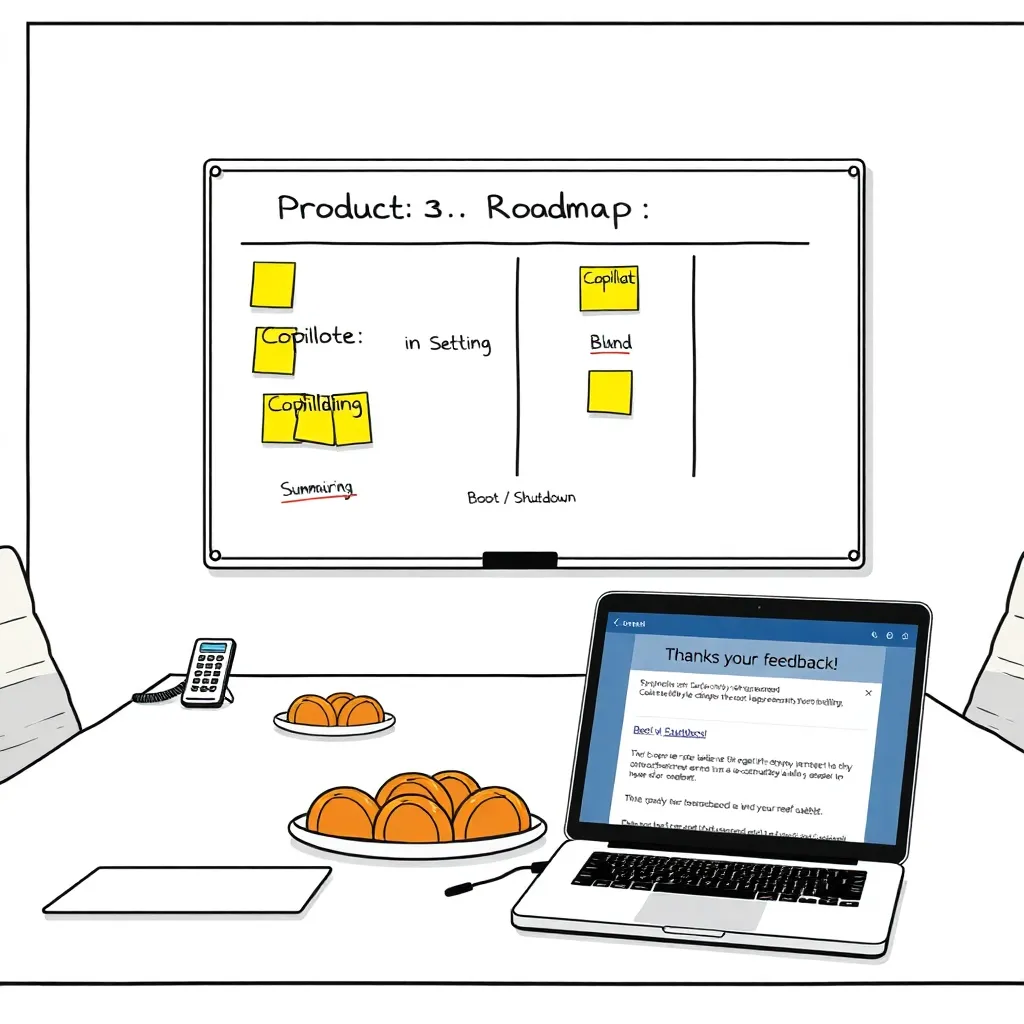
Microsoft Announces Future Roadmap: “More AI, Less OS”
Despite the criticism, Microsoft appears committed to its strategy of prioritizing AI integration and modern “cloud-first experiences” over older, less trendy features—like “starting,” “stopping,” and “operating.”

Analysts expect the next Windows 11 release to focus heavily on Copilot enhancements, including:
A new Copilot button in the Start menu that opens Copilot
A Copilot experience in Settings that tells you to use Copilot
A Copilot-powered wizard that summarizes your device’s inability to shut down in three uplifting bullet points
Rumors also suggest Microsoft is exploring a subscription tier where Windows will successfully boot, though experts caution it may be region-locked and require a Microsoft account with a verified phone number, biometric scan, and written apology for using third-party software.
“It’s Not a Bug, It’s a Feature Removal”
For now, users remain divided between those clinging to Windows familiarity and those who have begun looking at Linux the way people look at lifeboats: with suspicion, hope, and the quiet realization that swimming might not be worse.
As one former Windows loyalist put it while watching their machine refuse to power off for the third time:
“I used to think Linux was complicated. But at least when Linux breaks, it breaks honestly. Windows 11 breaks and then asks me if I’d like to try Edge.”
At press time, Microsoft confirmed the next update will “improve stability,” a phrase insiders say translates loosely to: “We have moved the problem to a different part of your computer.”