Nation Declares 3:17 a.m. “The Forbidden Hour” as Citizens Trapped Between Needing a Wee and Needing Peace
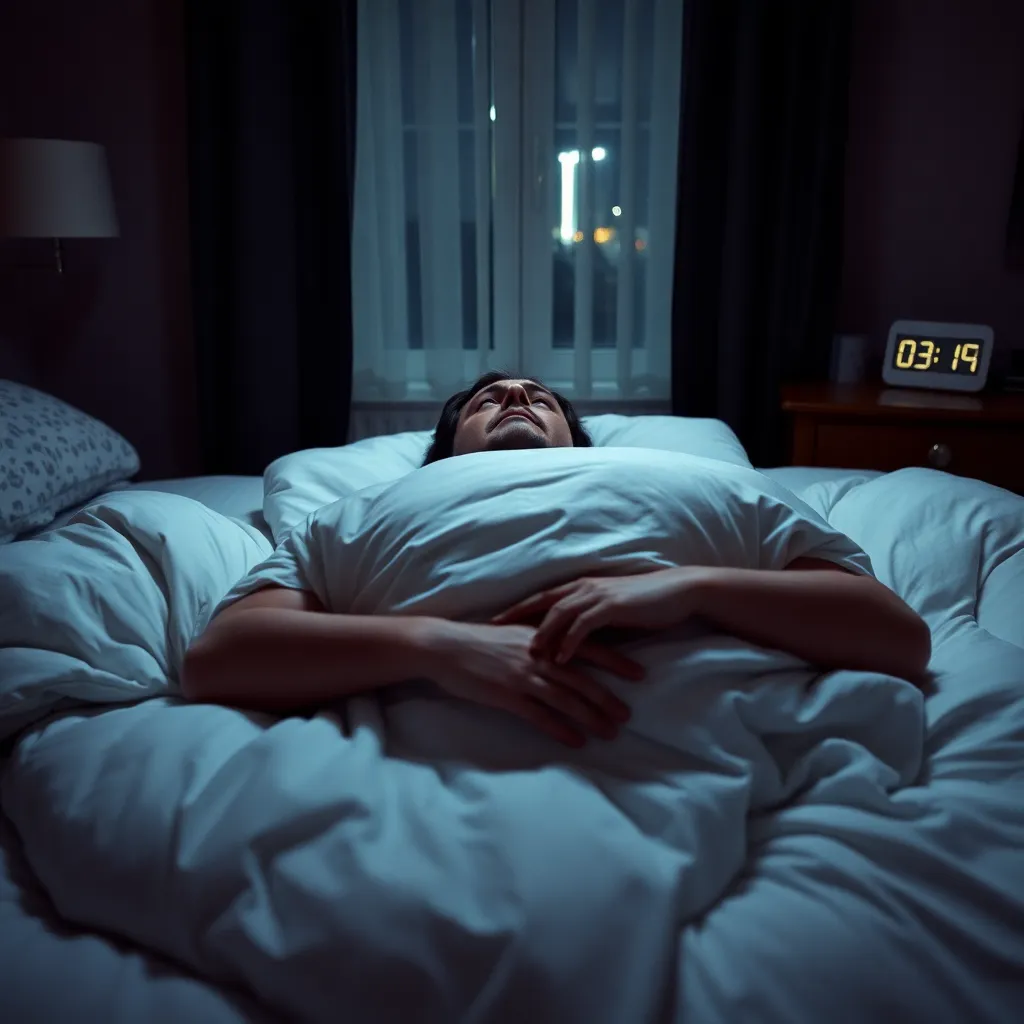
LONDON — In what experts are calling “the most preventable human crisis since the invention of duvet tog ratings,” millions across the country have reported being too comfortable to get up and go for a piss, yet too uncomfortable to sleep—an agonising limbo that scientists now believe may account for roughly 87% of all late-night existential dread.
The condition, known clinically as Nocturnal Bladder Stalemate, typically begins with a harmless thought—“I could go now, but I’m so warm”—and ends four hours later with the patient staring at the ceiling, furious at themselves, whispering, “Why didn’t I just go when I first thought about it?”
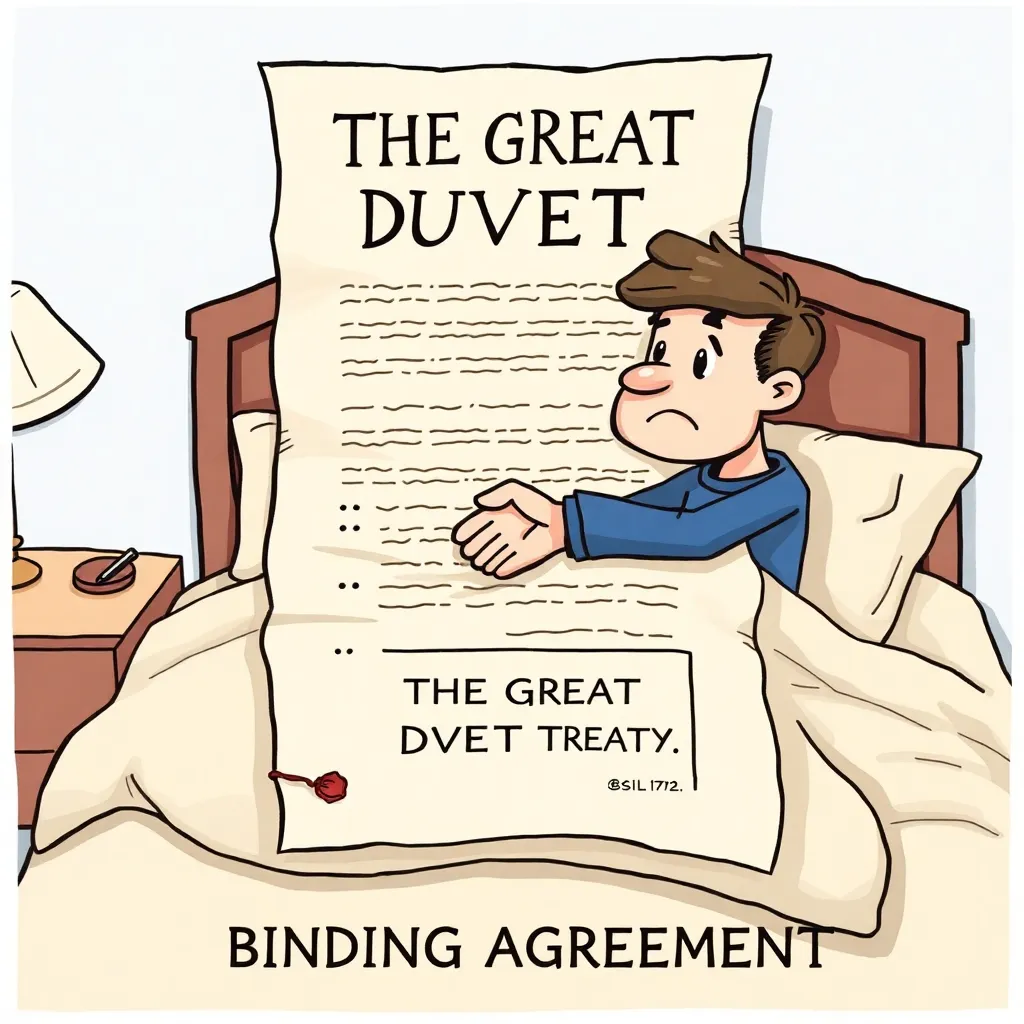
“It’s the perfect storm,” said Dr. Simone Hargreaves of the National Institute for Sleepy Misjudgements. “Your body sends a clear message—empty the tank. But your brain has made a binding contract with the duvet. We’re seeing people negotiate with themselves like hostage situations. ‘Just five more minutes.’ Five more minutes turns into 45, then you’re trapped in a damp purgatory of regret and mild dehydration.”
The Great Duvet Treaty: A Binding Agreement With No Exit Clause
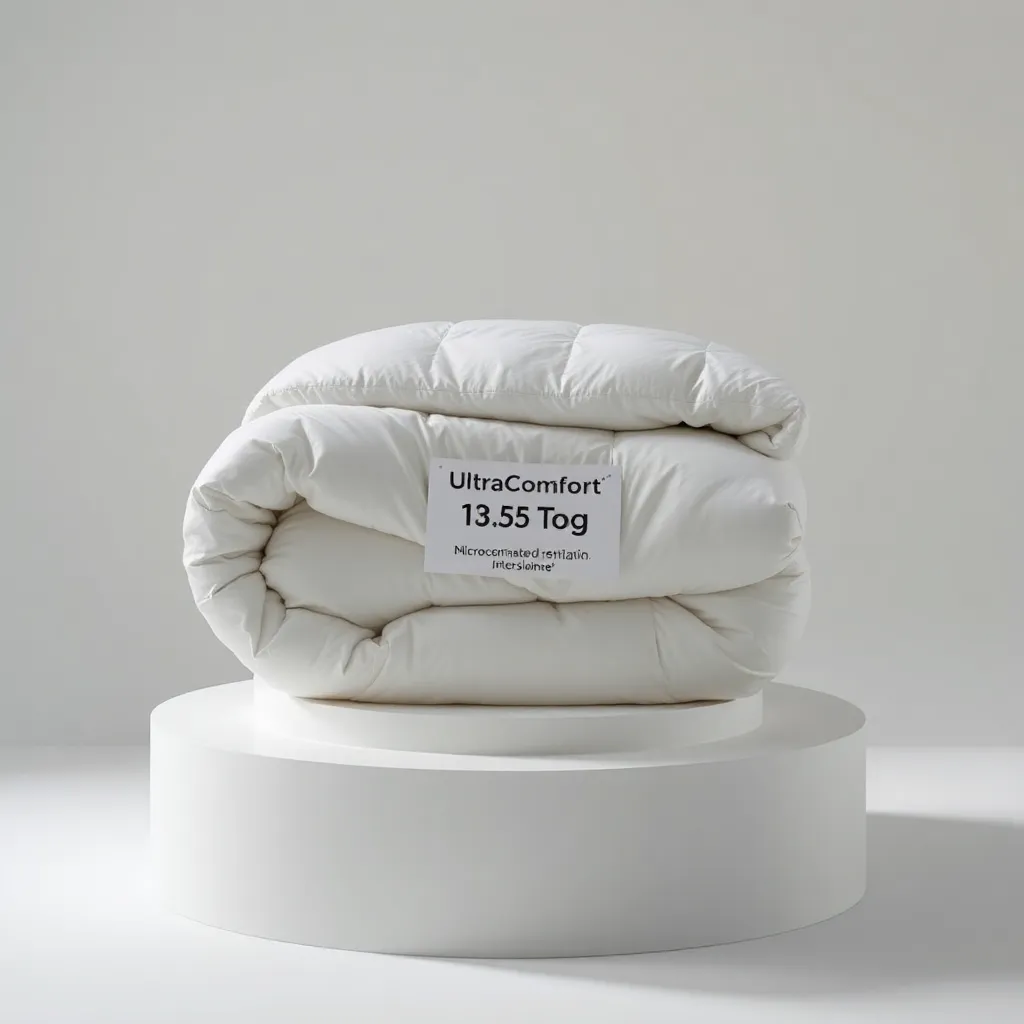
At the heart of the crisis is the modern duvet, which researchers confirm has become “too good.”
“What used to be a blanket is now essentially a portable climate-controlled womb,” explained consumer analyst Martin Pease. “People don’t want to leave it. They’d rather sit in discomfort, in warmth, than experience the blast of cold air that greets them the moment a foot touches the floor. The bedroom has become a tiny, tyrannical microclimate.”
A spokesperson for the British Duvet Association rejected allegations that the industry has “gone too far,” insisting that consumers have always been free to purchase “a normal, slightly rubbish blanket” if they want.
But critics argue the industry has created a generation unable to make basic nocturnal choices.
“We’ve outsourced resilience,” said one columnist, while remaining fully under a 13.5 tog and refusing to elaborate.
A Four-Stage Cycle of Night-Time Decision Failure
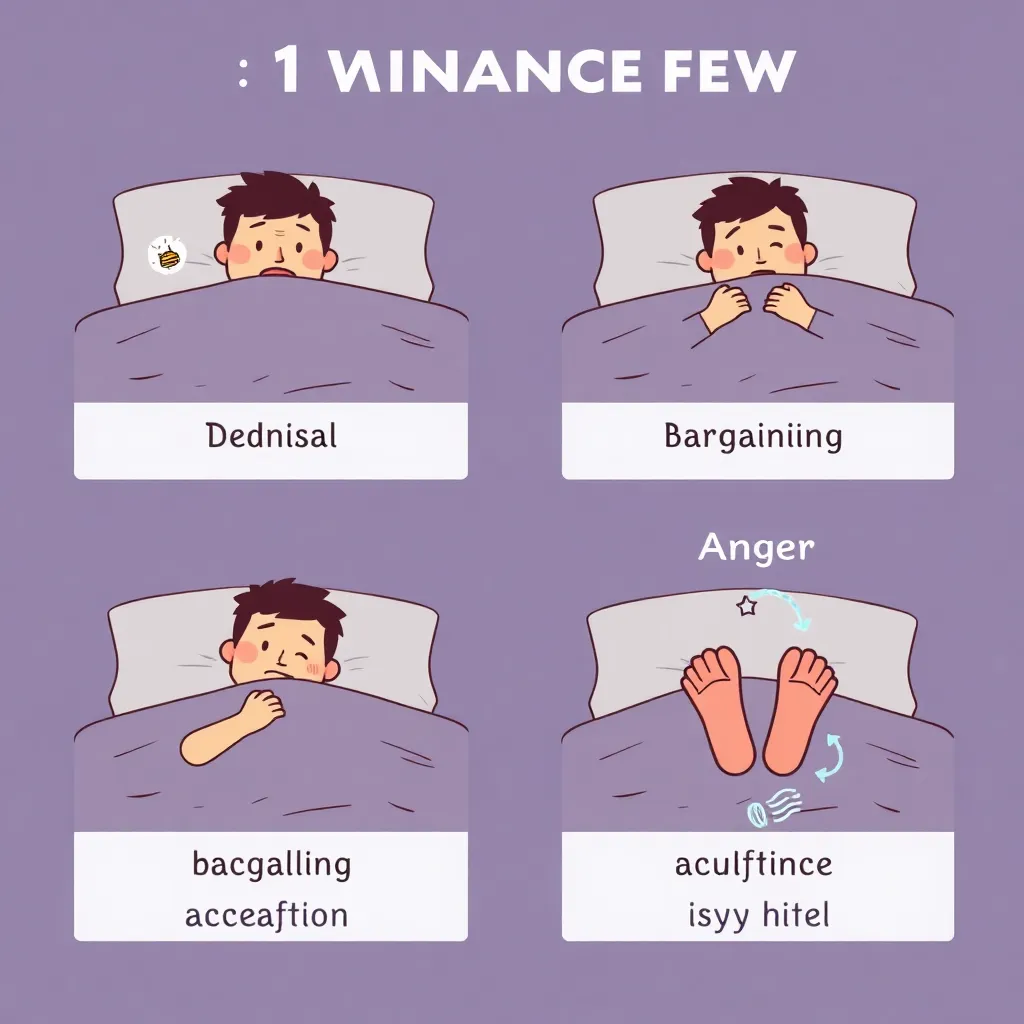
The Wibble obtained leaked documents from the Sleep Council outlining the four stages of the condition:
Denial
“I don’t really need to go. It’s just a vague sensation. My bladder is bluffing.”Bargaining
“If I turn over, it might go away. If I do the ‘one leg outside’ manoeuvre, maybe I’ll be distracted.”Anger
“Why is my body doing this to me? I went at 10:42 p.m. like a responsible citizen. This is harassment.”Acceptance (Too Late)
“Fine. I’ll go.”
(At which point the person has achieved maximum discomfort, minimum sleepiness, and a heightened awareness of every creak in the hallway floorboard.)
Government Announces Emergency Measures, Immediately Goes Back to Sleep
Downing Street moved swiftly to address the crisis by announcing the formation of a Task Force on Midnight Urological Inconvenience, chaired by someone who “doesn’t get up at night, actually, so can’t relate but is willing to listen.”
Among the proposals:
A nationwide rollout of heated hallway grants for households at risk of “cold-floor shock.”
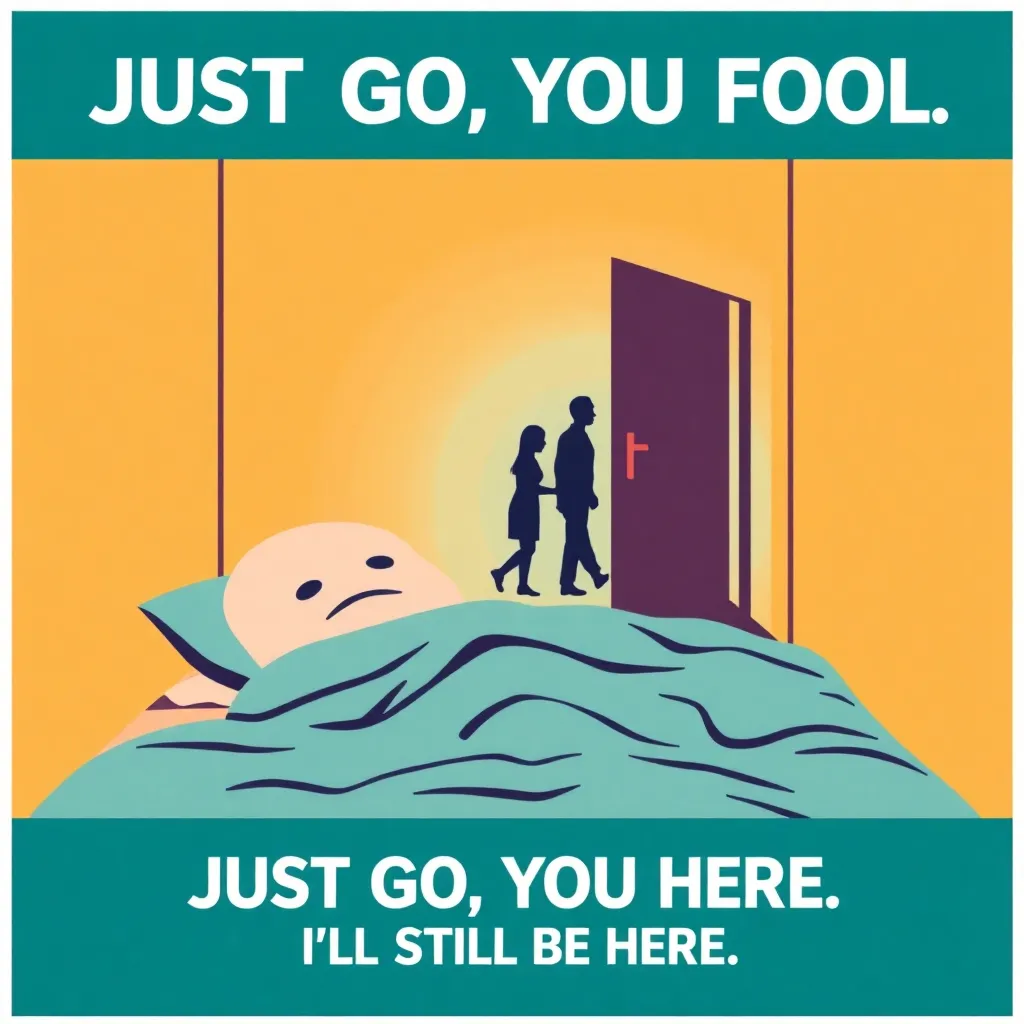
A public awareness campaign titled “Just Go, You Fool”, featuring posters of a sad-faced duvet watching you leave with the slogan: “I’ll Still Be Here.”
Trials of bladder-based tax incentives, offering a small rebate to citizens who urinate decisively within 90 seconds of first realising they might need to.
When asked how the government would fund the programme, a spokesperson said, “We’ll find the money where we always find it: in the sofa, in an old coat pocket, and by pretending it isn’t a problem.”
Tech Sector Offers Solutions Nobody Asked For
Predictably, technology firms have rushed to monetise the human need for a wee.
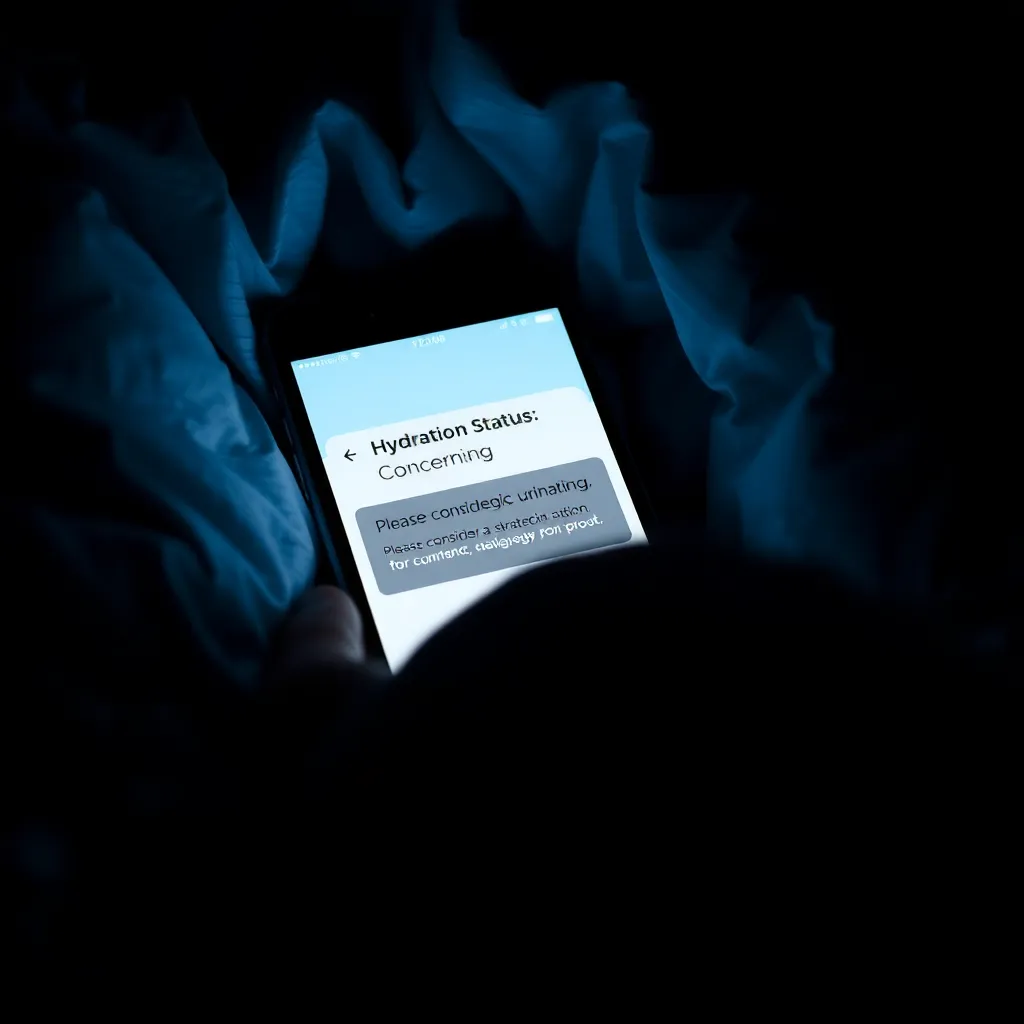
Silicon Valley startup PeePal unveiled a subscription-based “bladder optimisation platform” that sends push notifications at 2:00 a.m. saying “Hydration Status: Concerning. Please consider a strategic urination.” The premium tier includes a calming voice that whispers, “You are strong. You can face the cold.”
Meanwhile, a rival product called DuvetLock™ physically prevents users from leaving bed unless they complete a short mindfulness quiz and confirm they are “emotionally ready to face the corridor.”
Consumer watchdogs have warned that the devices may worsen the problem by introducing “a new layer of admin” at the exact moment nobody wants admin.
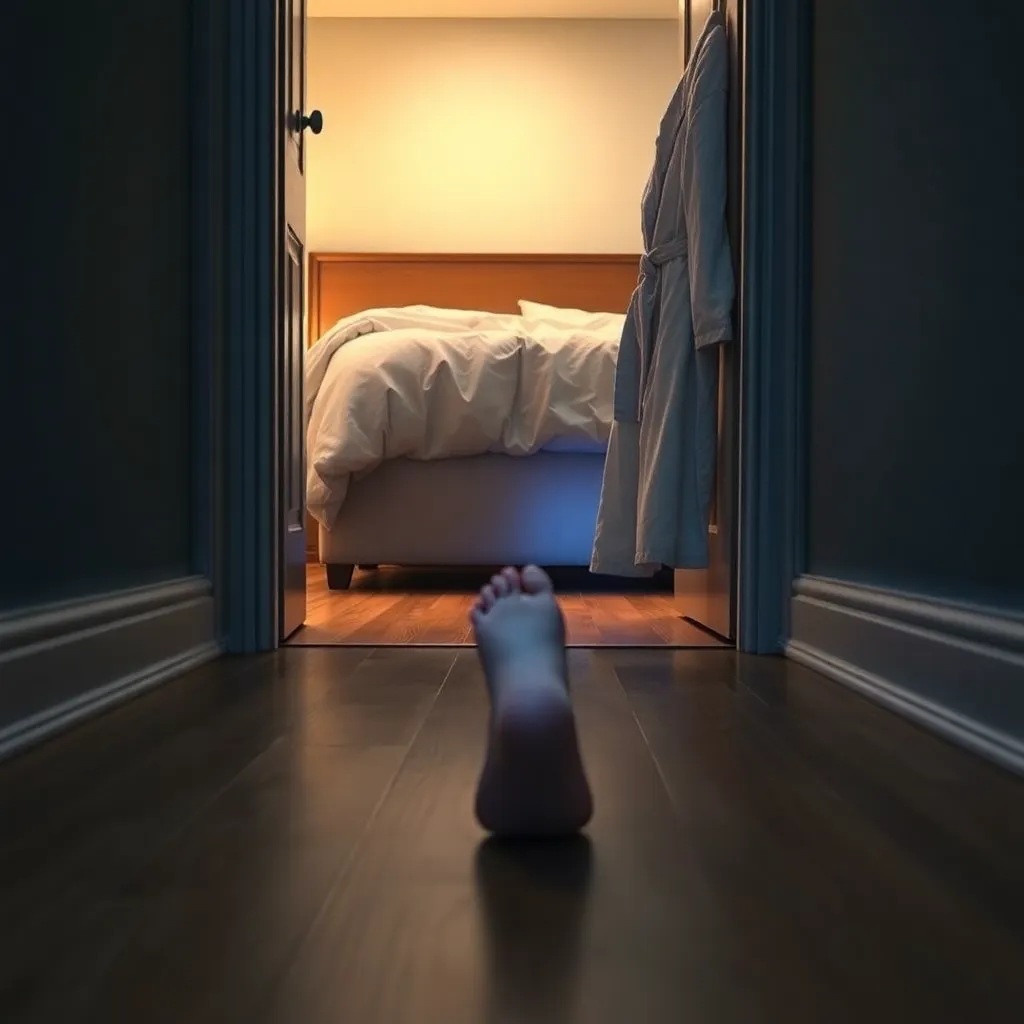
The Bathroom: A Cold, Judgemental Place Full of Mirrors
Much of the reluctance to get up, researchers say, stems from the psychological trauma of the night-time bathroom.
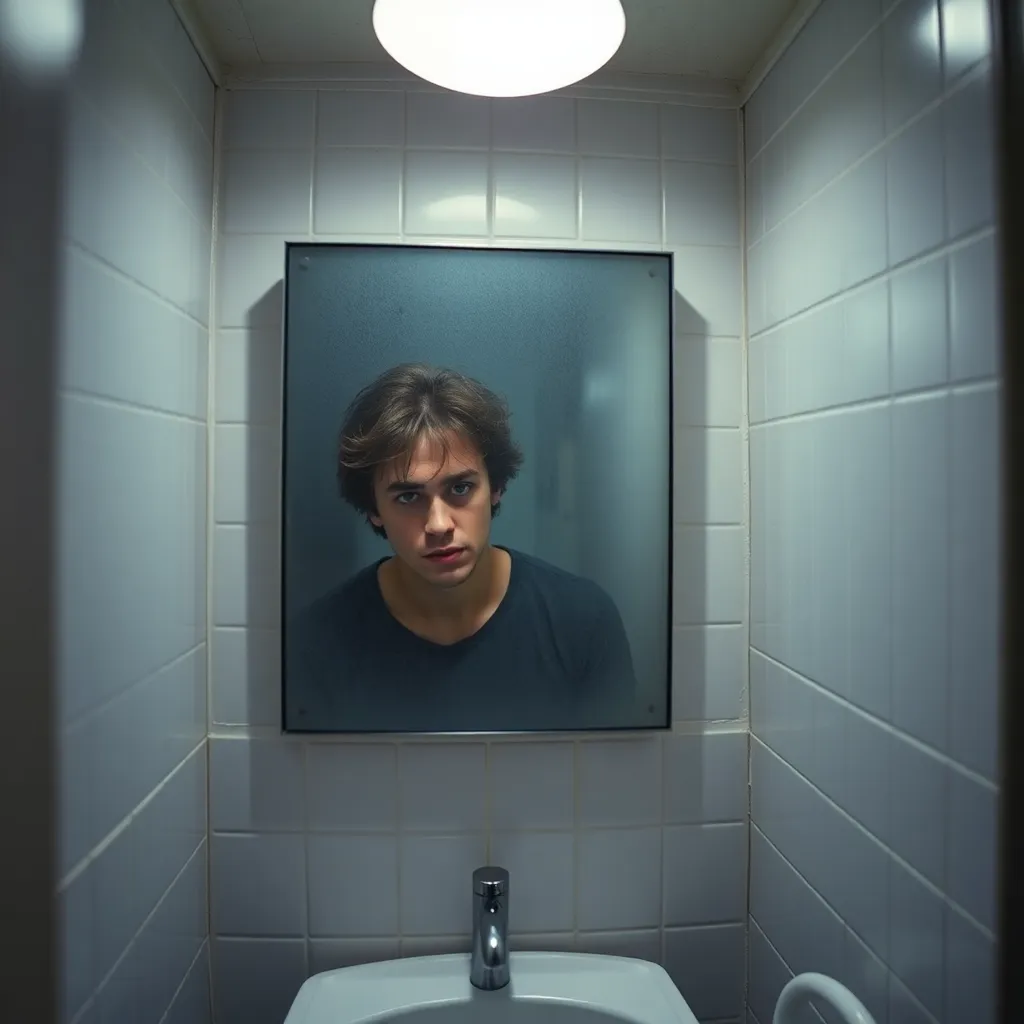
“It’s the lighting,” said Dr. Hargreaves. “It’s always too bright or too dim. It’s never flattering. And at 3 a.m. the mirror becomes a portal to self-reflection you didn’t request. You go in for a wee and come out questioning your entire life.”
One sufferer described the experience as “walking from a warm dream into a sterile waiting room where the receptionist is my own mortality.”
Additionally, the bathroom is widely recognised as the nation’s top location for stepping on something unpleasant.

“It could be a sock,” said one expert. “It could be a Lego brick. It could be nothing at all, but your foot still reacts like you’ve trodden on a spider the size of a dinner plate. The risk assessment is unfavourable.”
Bedroom Partners Offer No Help, Only Breathing
Those sharing a bed report the added burden of trying to leave without waking the other person, who is apparently capable of sleeping through a hurricane but would instantly awaken to the faint rustle of a bedsheet.
“I tried to slide out like a trained assassin,” said one man. “The moment my knee moved three centimetres, my partner sighed in that way that says, ‘I am asleep but also keeping minutes.’ I stayed put and suffered.”
Others report resentment at the peaceful breathing of their partner, which becomes “insultingly calm” once you’re aware you need the toilet.
“They’re just there, oxygenating,” said another. “Not even thinking about urine. It’s provocative.”
Experts Recommend Radical New Strategy: Just Go for a Piss
In a controversial stance, some specialists have suggested that people should simply get up and go.
“It’s not popular,” acknowledged Dr. Hargreaves. “But it’s effective. The longer you wait, the more uncomfortable you become, and the less likely you are to fall asleep after. Going early is like paying a small fee to avoid an enormous fine.”
She added that there are practical mitigations, including:
Pre-positioning a dressing gown within arm’s reach “like a tactical garment.”
Sock deployment to prevent cold-floor despair.
A low-level night light to avoid turning the bathroom into a stadium.
Refusing to check your phone, because nothing says “sleep” like reading the news at 3:19 a.m.
A Nation United in Warmth, Divided by Pride
Despite the scale of the issue, many sufferers report feeling ashamed, as though admitting the problem means admitting defeat.
“It’s humiliating,” said one woman. “I’m an adult. I have a job. I pay bills. And yet I’m locked in a stand-off with my own bladder because my duvet is too nice.”
Support groups have sprung up online, where members share victory stories such as “Got up immediately, no regrets” and post motivational messages like “The toilet is temporary; the relief is forever.”
One user, however, caused controversy by claiming they “just keep a bottle by the bed,” prompting the group to respond in unison with the traditional British phrase: “Absolutely not.”
Looking Ahead: A Hopeful Future, If We Can Face the Hallway
As dawn approaches, sufferers of Nocturnal Bladder Stalemate often experience a cruel twist: the need to urinate disappears the moment they consider getting up, only to return the instant they settle back into comfort.
Scientists call this phenomenon Bladder Spite.
Still, campaigners remain optimistic that with public education, better hallway heating, and a renewed national commitment to decisive toileting, the country can defeat the crisis.

Until then, Britain remains where it has always been at 3:17 a.m.: warm, miserable, and negotiating with itself.
In a final statement, Dr. Hargreaves offered a message of hope to those currently trapped:
“The duvet will forgive you. The bladder will not.”