Nation’s Executive Dysfunction Rebranded as “Executive Dysfunction”: Experts Confirm It’s Still Ruining Lives, But Now It’s Wearing a Tie
LONDON—In what clinicians are calling “a wildly unhelpful but deeply satisfying development,” a growing number of people have begun coping with executive dysfunction by imagining it not as a neurological traffic jam, but as an actual board of executives: middle-aged men in ill-fitting suits convening in the brain’s conference room to do absolutely nothing while collecting compensation packages large enough to purchase several small islands and at least one artisanal standing desk.
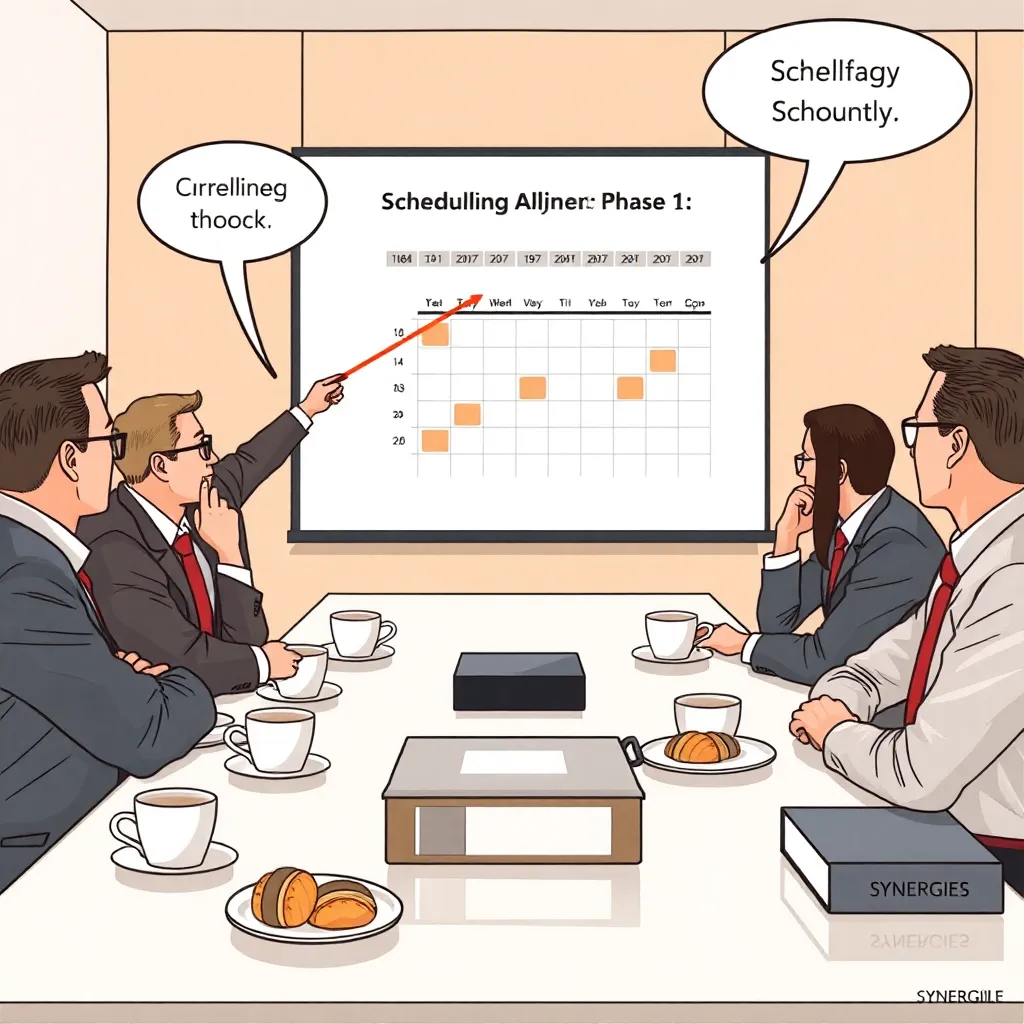
The strategy, proponents insist, does not solve any practical problems, improve time management, or prevent a person from staring into the fridge for six minutes while forgetting why they opened it. However, it does provide the emotional relief of having a clear, contemptible enemy—one that can be pictured scrolling through emails, scheduling a meeting about scheduling a meeting, and then adjourning for a three-hour lunch to discuss “synergies.”
“It used to feel like I was failing at basic life,” said one local resident, who requested anonymity on the grounds that they were currently hiding from their laundry. “Now it feels like my internal CFO has blocked my ability to start tasks because he’s waiting for the Q4 motivation forecast. It’s still a disaster, but it’s a funny disaster. I can hate him specifically.”
The Board Meeting Inside Your Skull
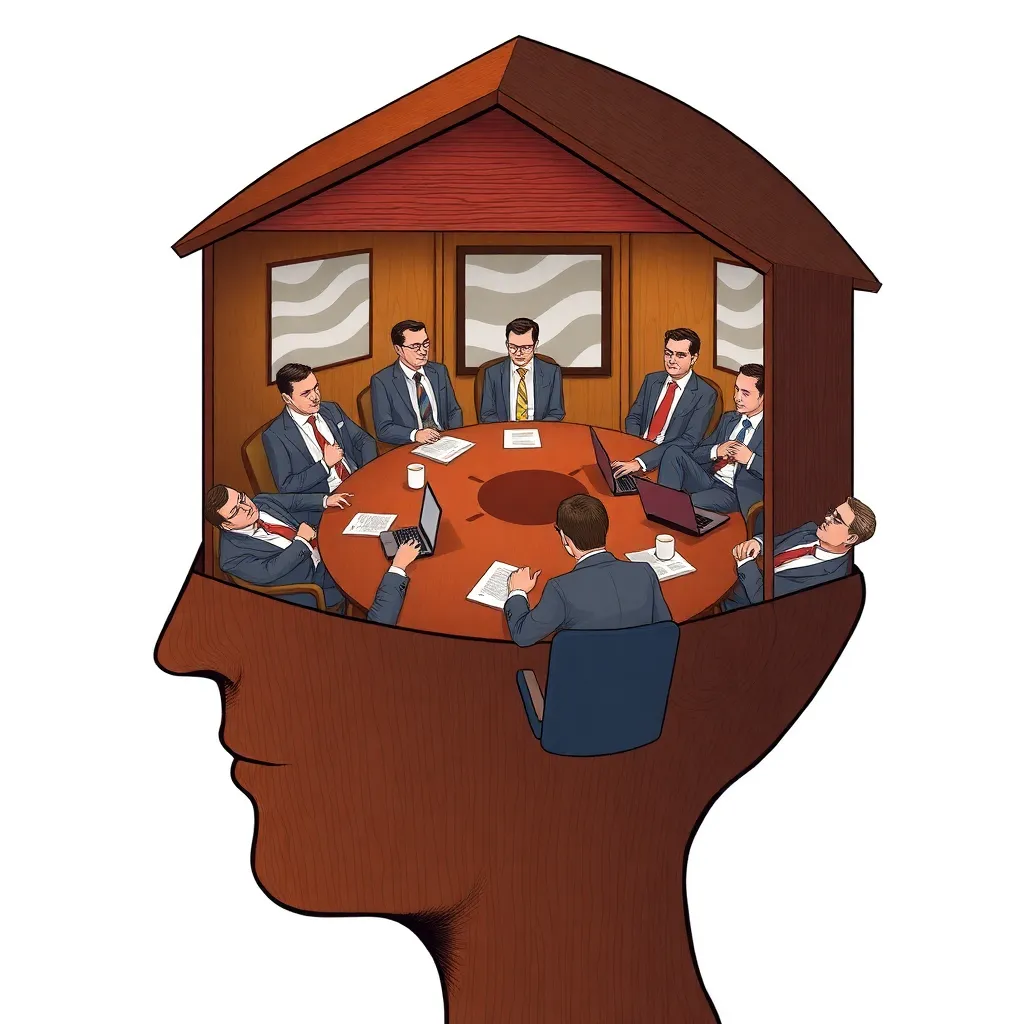
The framework is simple: instead of telling yourself “I can’t initiate tasks” or “I can’t prioritise,” you visualise a mahogany table somewhere behind your forehead, where a collection of highly paid executives are allegedly “in charge of operations.”
They are never in charge of operations.
The CEO of Doing The Thing is always “on a call.”
The COO of Starting is “circling back.”
The VP of Urgency has “stepped out.”
The Director of Follow-Through has “gone hybrid,” meaning they are neither in the office nor at home nor, in any meaningful sense, alive.
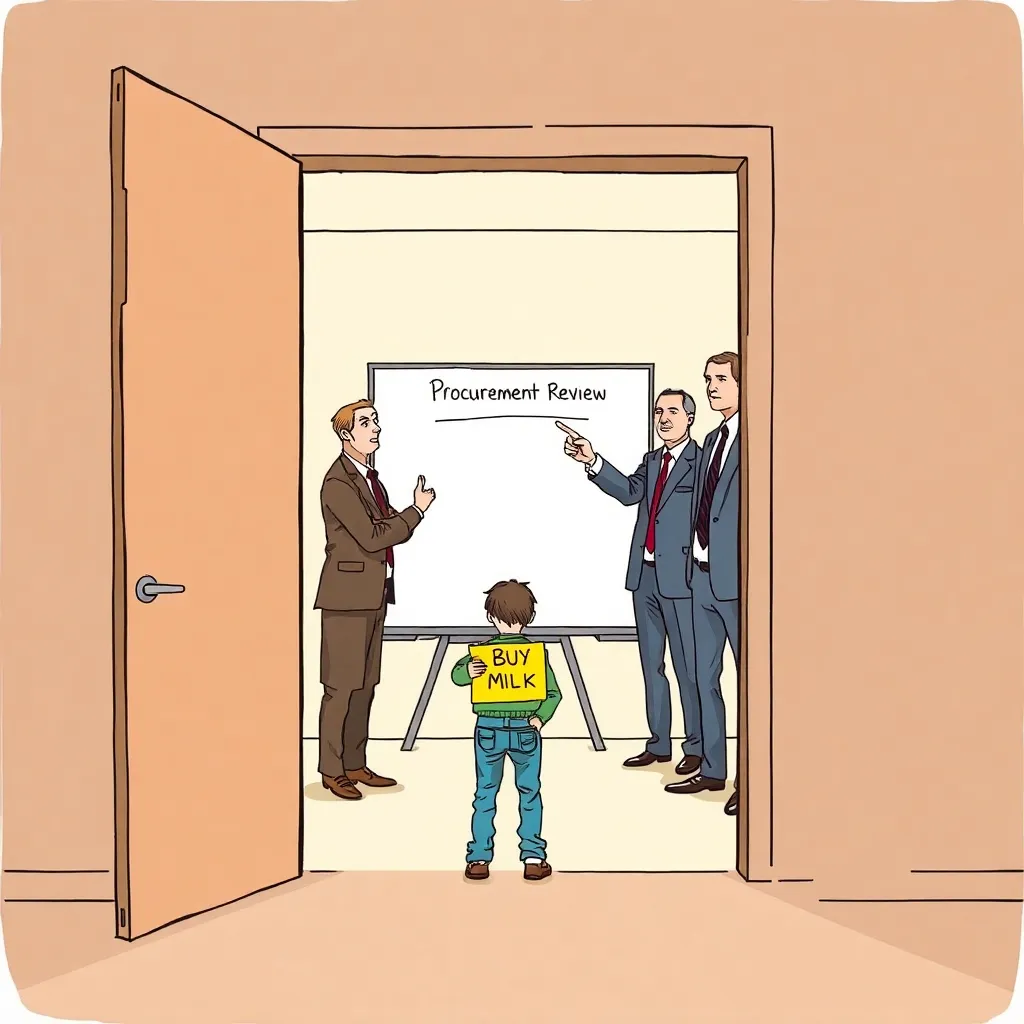
Meanwhile the intern—your actual self—stands at the door clutching a sticky note that says Buy milk, only to be told that procurement is “being reviewed.”

Witnesses report the executive board is exceptionally committed to the following initiatives:
Rebranding “panic” as “rapid innovation”
Hosting a strategic offsite during every deadline
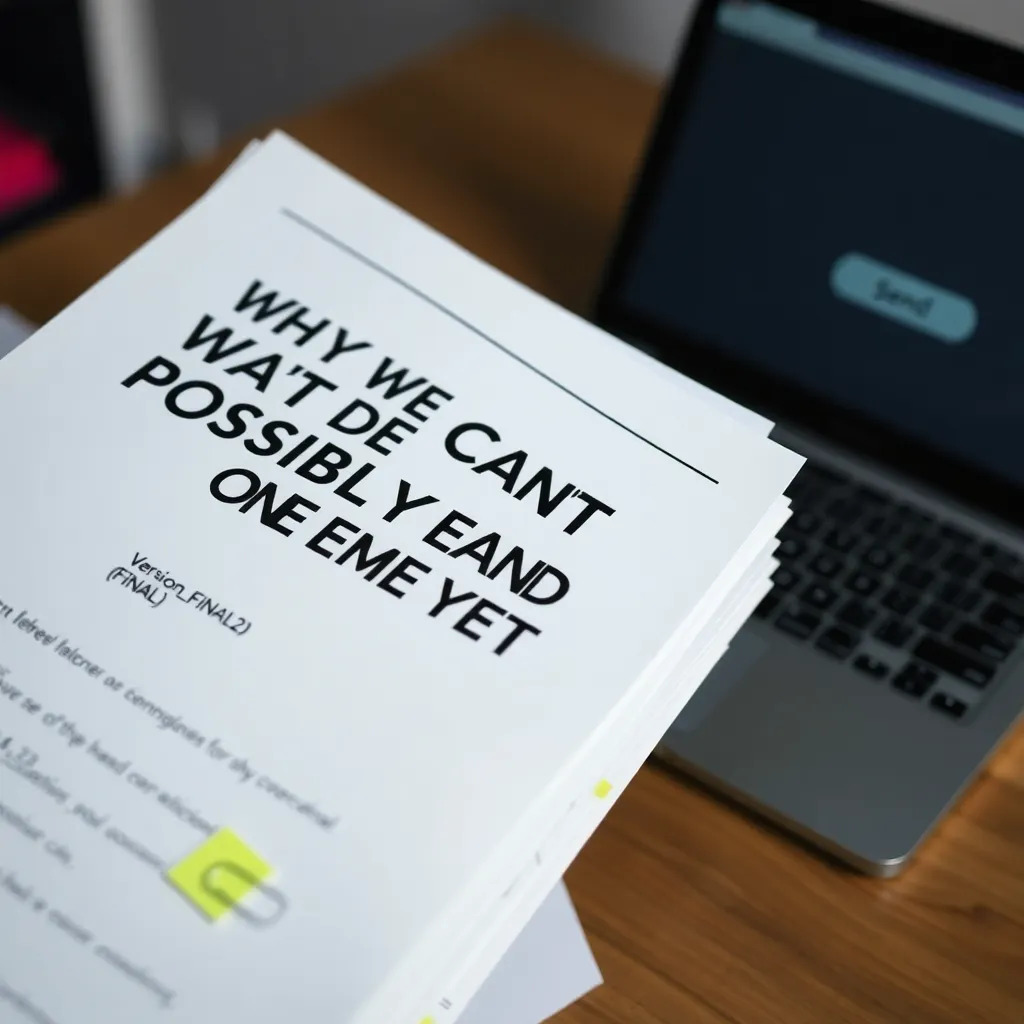
Commissioning a 90-page deck titled Why We Can’t Possibly Send That One Email Yet
Raising their own salaries in response to “market pressure” (the market pressure being one (1) unopened bill)
“It’s Not Avoidance, It’s Leadership”
Supporters of the metaphor say it captures the peculiar cruelty of executive dysfunction: the sensation of being both in charge and completely abandoned, like a passenger asked to land a plane while the pilots have locked themselves in business class to “work on culture.”
“This approach resonates because it reflects the lived experience,” explained Dr. Maxine Elgar, a specialist in cognitive behaviour and corporate contempt. “People with executive dysfunction often know what they need to do. They can even explain it elegantly to others. But the machinery that translates intention into action behaves like a boardroom full of men who think ‘accountability’ is something you assign to an underling.”
Dr. Elgar added that the executives’ favourite workplace practice—endless prioritisation exercises—mirrors the mind’s tendency to rearrange tasks indefinitely without beginning any of them.
“They’ll colour-code the list,” she said. “They’ll buy a new notebook. They’ll install an app. They’ll form a committee. They will not, under any circumstances, do the task.”
Employee Morale Plummets; Executives Receive Bonuses
Reports from inside the brain indicate the average worker—the individual attempting to live their life—has been subjected to aggressive corporate policies, including:
Mandatory unpaid overtime (also known as “staying up until 3 a.m. because you can’t start anything until it’s a crisis”)
Performance reviews conducted by a man who has never performed
A ‘Wellness Wednesday’ email sent precisely as the worker collapses into despair on the kitchen floor
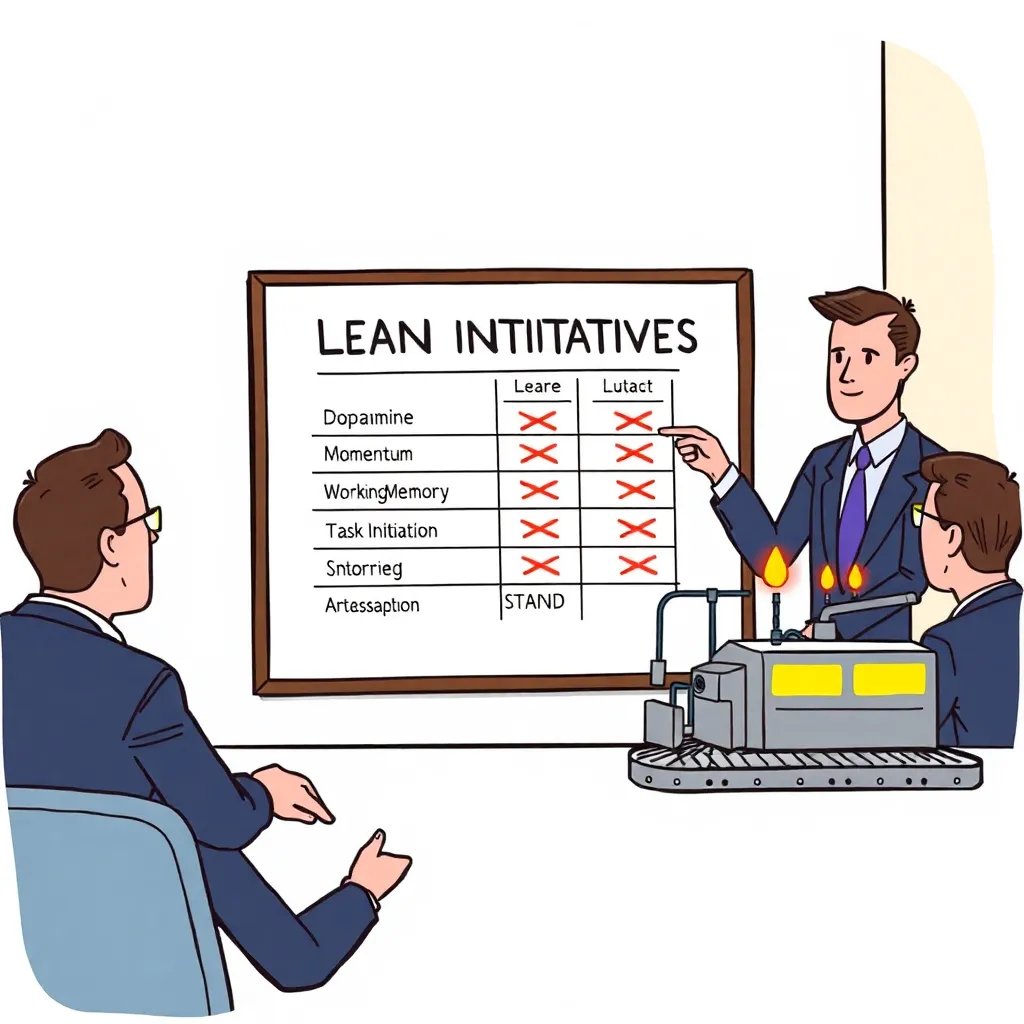
In several cases, the Board of Dysfunction has implemented “Lean Initiatives,” a cost-cutting programme in which they eliminate crucial resources such as dopamine, momentum, and the ability to remember why you walked into the room.
“They’ve outsourced my working memory,” said another affected person. “To whom, I don’t know. Probably a consultancy.”
Insiders say the executives continue to receive sizeable bonuses in the form of guilt, shame, and endless self-criticism—bonuses which are then reinvested into further inaction.
Strategic Planning Session Scheduled for “Any Day Now”
At the heart of executive dysfunction lies a paradox: the person is not lazy, not indifferent, and often not even confused. They are frequently bright, motivated, and extremely aware of consequences—yet still stuck.
The boardroom model, while obviously ridiculous, has become popular because it externalises the blockage without romanticising it. It doesn’t turn dysfunction into a quirky mascot. It turns it into something far more accurate: a profit-driven institution allergic to results.

“Executive dysfunction isn’t a lack of desire,” said Dr. Elgar. “It’s a breakdown in task initiation, sequencing, and regulation. But if imagining it as a group of men in suits helps you stop calling yourself a failure and start calling it what it feels like—a hostile workplace—then that’s psychologically useful.”
She paused.
“Also, it’s very funny.”
The Executives Issue Statement: “We’re Absolutely Across It”

In a press release delivered via a pop-up notification that vanished before anyone could read it, the Board of Executive Dysfunction assured stakeholders they have “a robust plan” to address concerns.
Key points included:
They are “committed to action,” pending a feasibility assessment.
They will “review urgent tasks” once the right playlist is chosen.
They have formed a Taskforce for Getting Things Done, which will meet quarterly.
They will be “implementing new tools,” such as purchasing three more planners.
When asked why they blocked a person from replying to a simple text message for six days, the executives clarified the matter was “under review” and also “the recipient might respond, and then what?”
They then promoted the Head of Avoidance to Chief Strategy Officer.
Workers Fight Back With Petty, Beautiful Revenge
Though the metaphor doesn’t solve the problem, many have found it helps redirect anger away from the self and toward the imaginary board, which—unlike the self—deserves it.
Some workers have begun issuing internal memos:
“Dear CEO of Getting Up: your calendar is not a personality.”
“To the CFO of Motivation: explain these missing funds.”
“To the VP of Emails: send it or resign.”
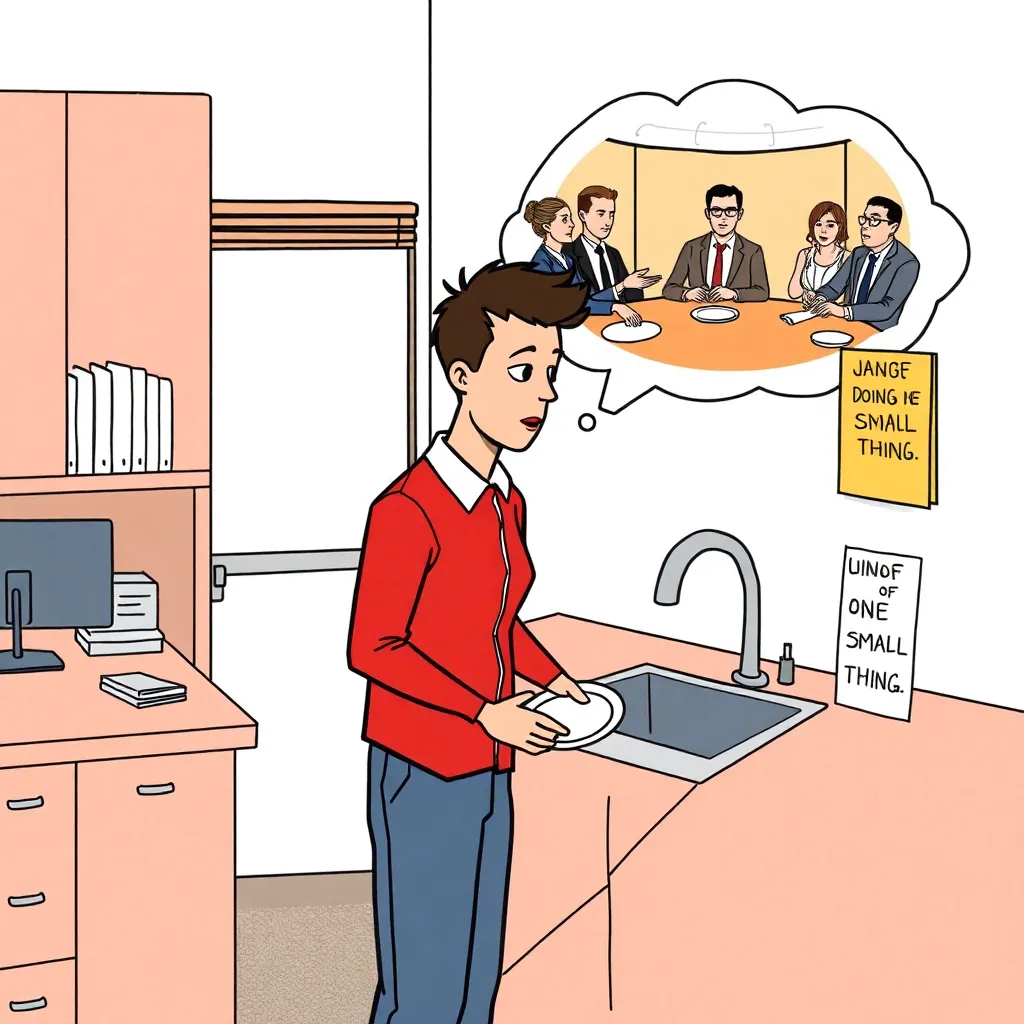
Others report success using micro-actions framed as “union activity,” such as opening a document without writing in it, putting one plate in the sink, or standing up and walking toward the task like an employee quietly reclaiming their dignity one step at a time.
“It’s not productivity,” one person said. “It’s sabotage. It’s beautiful.”
Corporate Culture Shifts Toward “Radical Acceptance and Mild Spite”

Mental health advocates caution that while the Boardroom Model is not a treatment, it can complement real strategies by reducing self-blame and adding a layer of humour to a genuinely difficult experience.
In other words: you’re not broken; you’re under new management, and management is useless.
And if the day ends with nothing done except naming your internal obstacles “Graham” and picturing him confidently presenting a slideshow titled Why We Didn’t Start Today, then that’s not failure.
That’s morale.
Because sometimes, when your brain has staged a hostile takeover of your intentions, the best you can do is look your dysfunction in its smug little tie and say:
“Congratulations on another quarter of doing nothing. I hope you choke on your bonus.”