Squares Humiliate Cubes in Shocking “Flatpack Fury” Upset, Leaving Bookmakers in Ruins
GEOMETRIA CITY — What began as a smug, three-dimensional victory lap for a trio of cubes ended as a historic embarrassment, an economic tremor, and a cautionary tale about the dangers of underestimating anyone simply because they can’t be viewed from multiple angles.
In a bout now being called “The Flatpack Fury”, two “simple” squares — widely dismissed as non-threatening due to their lack of depth, panache, and allegedly “real” volume — defeated three cubes who had reportedly spent the entire pre-fight press tour explaining, in increasingly patronising terms, that the outcome was “basically mathematics.”
It was not mathematics. It was hubris.
“They Aren’t Even 3D,” Says Cube Moments Before Being Publicly Folded

Witnesses describe the cubes entering the arena with the air of shapes that had already written their victory memoirs.
“They were doing that thing where they roll their edges like they’re warming up,” said one spectator. “But you could tell it wasn’t serious. It was more like they wanted cameras to catch their good side. Which is every side, if you’re a cube. That’s the problem. Too many good sides. No focus.”
The squares, meanwhile, arrived with the quiet menace of office stationery. No entrance music. No taunts. Just a measured glide to the center line, faces expressionless, angles perfect, radiating the kind of calm that can only come from spending years doing one thing extremely well: being underestimated.
One cube was overheard saying, “There are only two of them,” before adding, “What are they going to do, flatten us?” in what historians now consider the single most cursed remark in competitive geometry since the Great Parallelogram Incident of ’09.
Inside the Squares’ Ruthless Strategy: “Train, Plan, Execute, Repeat”
Analysts initially assumed the squares had won via “luck” or “some kind of two-dimensional trick,” but post-fight footage tells a different story: the squares trained — relentlessly — and developed a strategy based on discipline, timing, and exploiting the cubes’ greatest weakness: their total belief that volume equals victory.
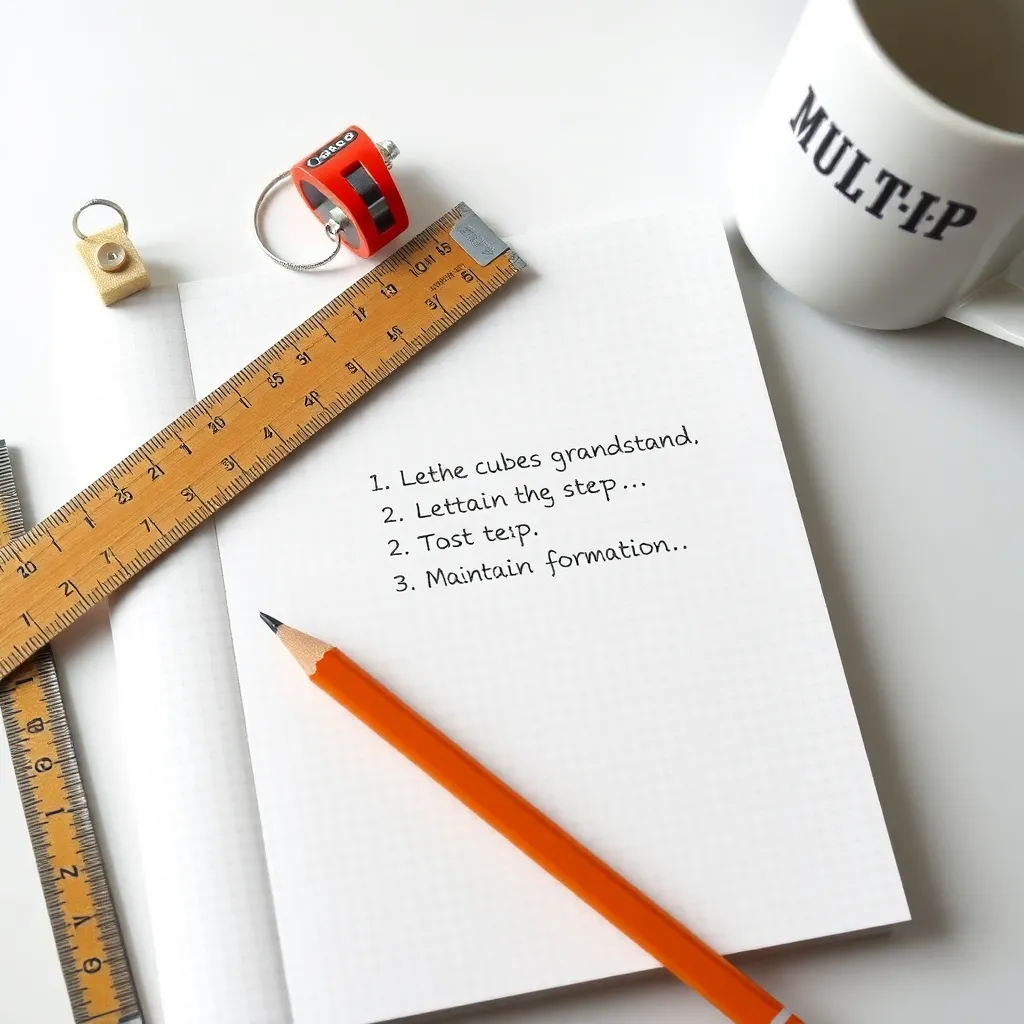
According to leaked notes from the Squares’ camp (scribbled neatly in the margin of a perfectly organised grid notebook), the plan was simple:
Let the cubes grandstand.
Wait for the inevitable lapse in concentration.
Strike at structural arrogance.
Maintain formation at all times.
Never engage in trash talk, as it wastes energy and invites narrative backlash.
“It’s a classic approach,” said tactical consultant Dr. Euclid Bastion of the Institute for Competitive Shape Dynamics. “The cubes came in expecting a highlight reel. The squares came in expecting a job interview. And the squares got the position.”
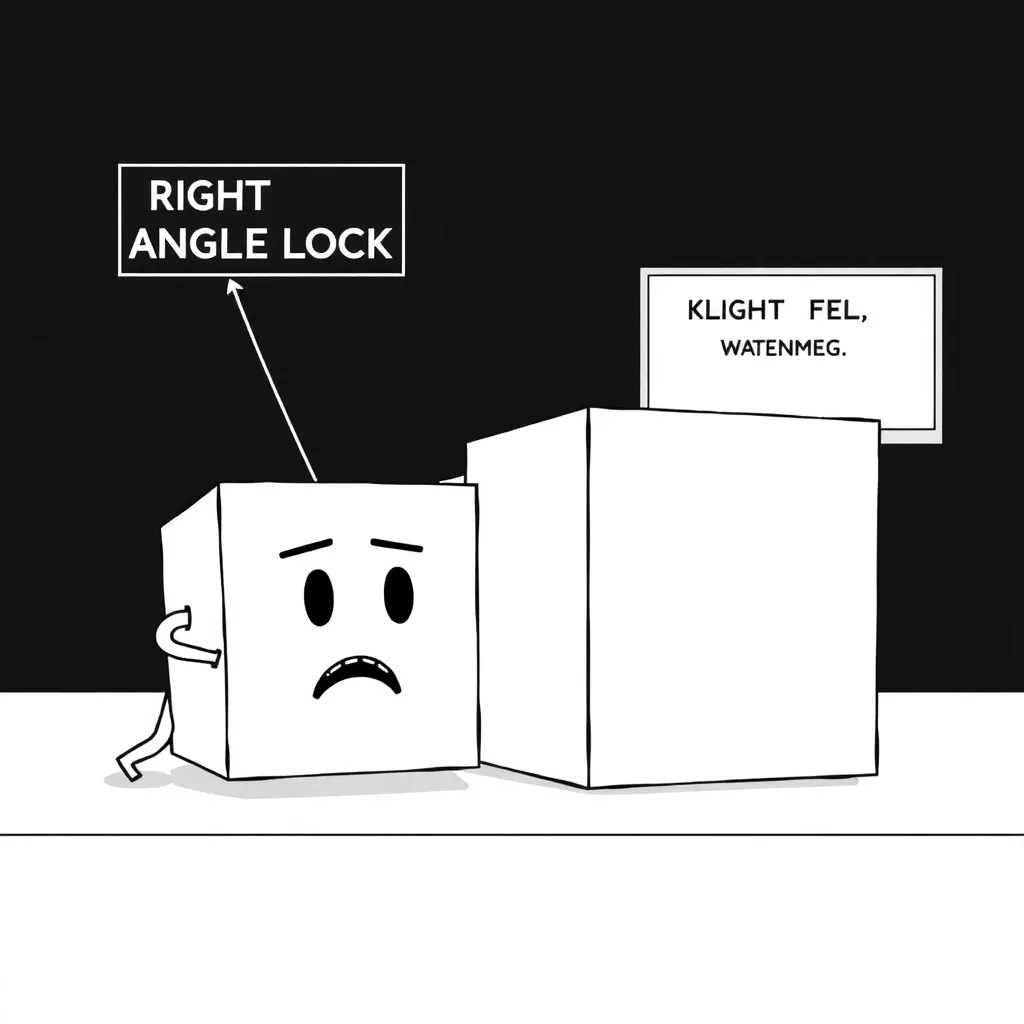
In the final moments, one square executed what commentators are calling the Right Angle Lock, a manoeuvre that involved calmly aligning itself with the cube’s corner, applying pressure at an emotionally vulnerable vertex, and forcing a concession that was as physical as it was metaphysical.
“It was like watching a filing cabinet defeat a mansion,” whispered one stunned fan.
Bookmakers Collapse as the “Cube Certainty” Bubble Bursts
The financial fallout was immediate.
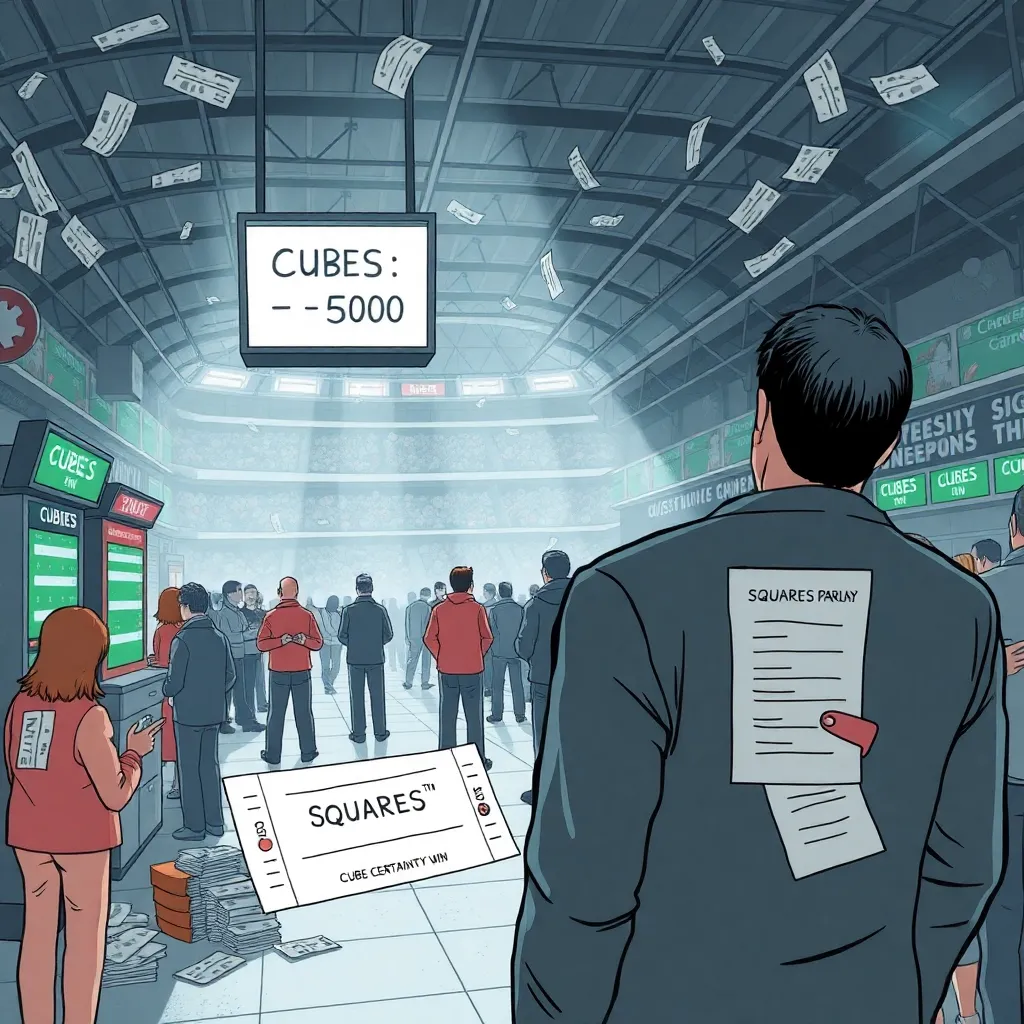
Betting markets had priced the cubes as near-guaranteed winners, with several bookmakers offering odds described by one regulator as “less a wager, more a formality.” Entire pensions were reportedly “diversified” into cube-based outcomes, because “everyone knows cubes are just better.”
By the time the squares delivered their decisive finish, the arena’s betting kiosks were said to resemble “a collection of tiny economic tragedies,” as punters realised their life savings had been placed on what amounts to three shiny overconfident dice with no strategy.
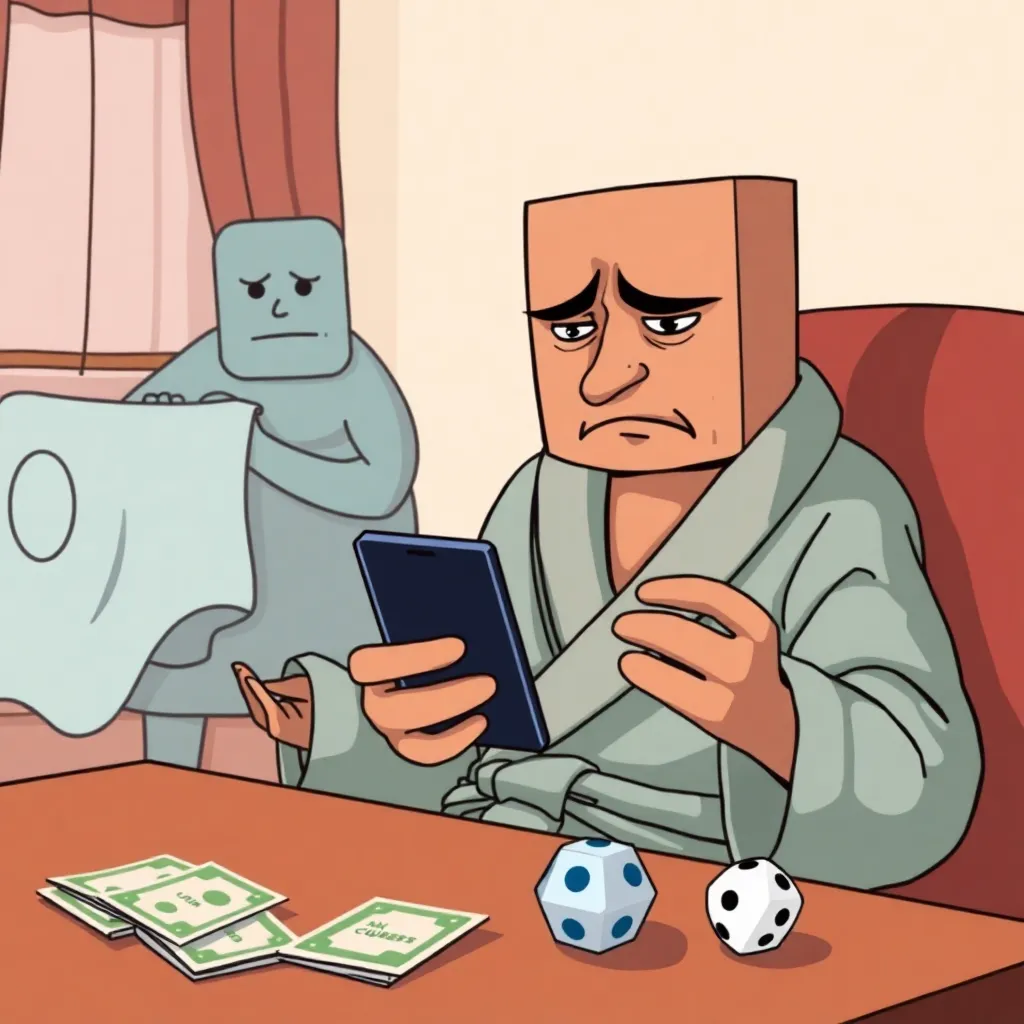
“I bet everything,” said one devastated gambler, staring into the middle distance with the thousand-yard stare of someone who has discovered the true meaning of ‘edge.’ “I even borrowed money. My wife asked me, ‘Are you sure?’ and I said, ‘Babe, they’re cubes.’”
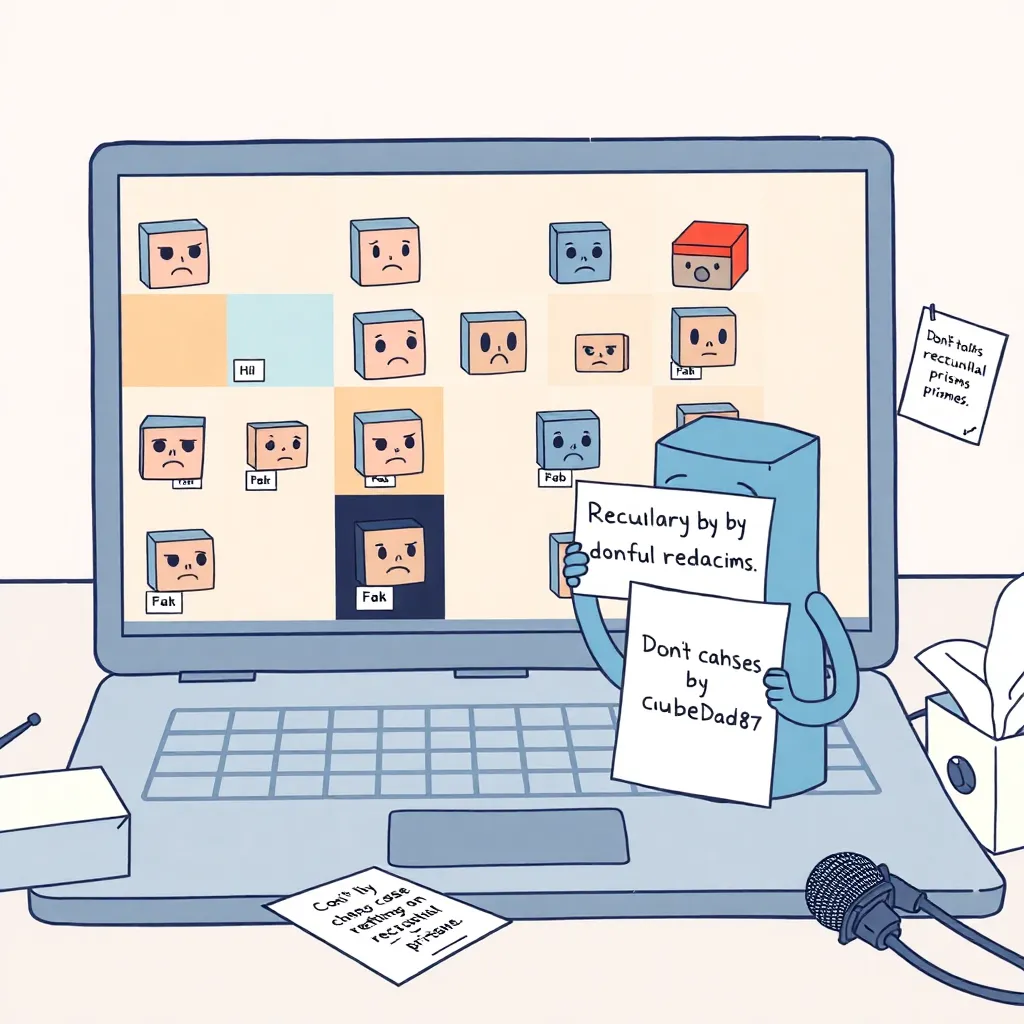
A support group has already formed online under the name Cubes Anonymous, where members share recovery tips, including:
“Don’t chase losses by betting on rectangular prisms.”
“Remember: past performance does not guarantee future volume.”
“Your children can still respect you, provided they never learn about this.”
Cubes Issue Statement: “We Didn’t Expect Them to Take It Seriously”
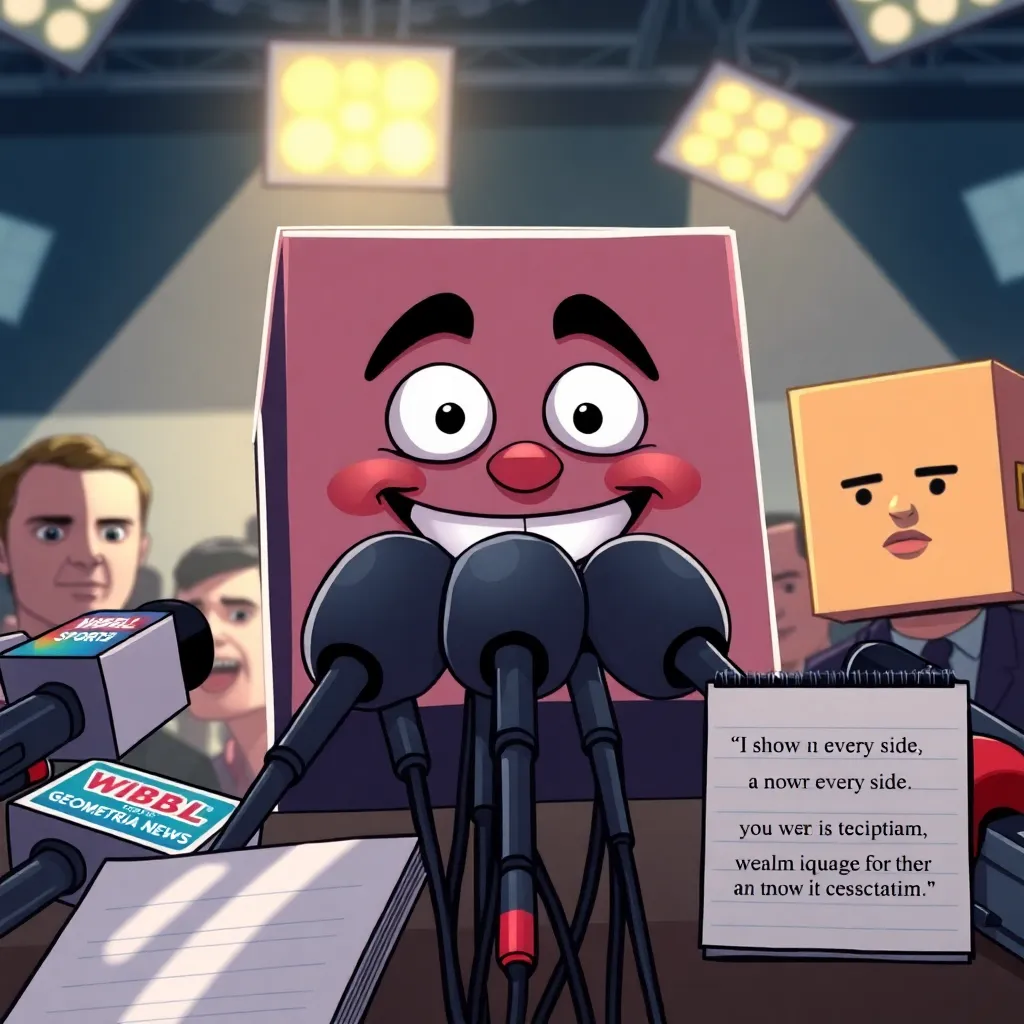
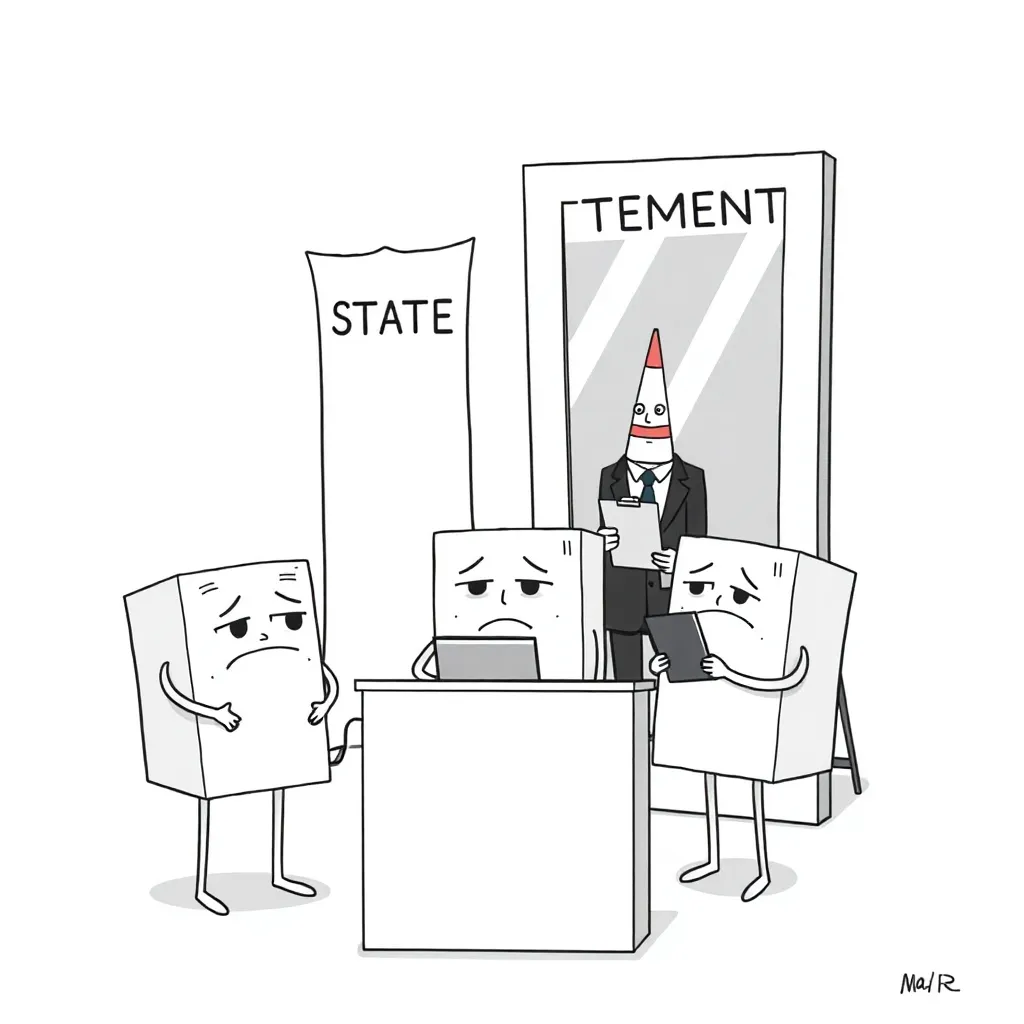
In a press conference held near a large mirror (“for morale,” sources say), the cubes attempted to maintain dignity by explaining that the squares had “won in a way that wasn’t really in the spirit of the sport.”
“They trained,” said Cube #2, voice trembling with disbelief. “They had a plan. That wasn’t the deal. Everyone knows we were supposed to show up and be three-dimensional and win.”
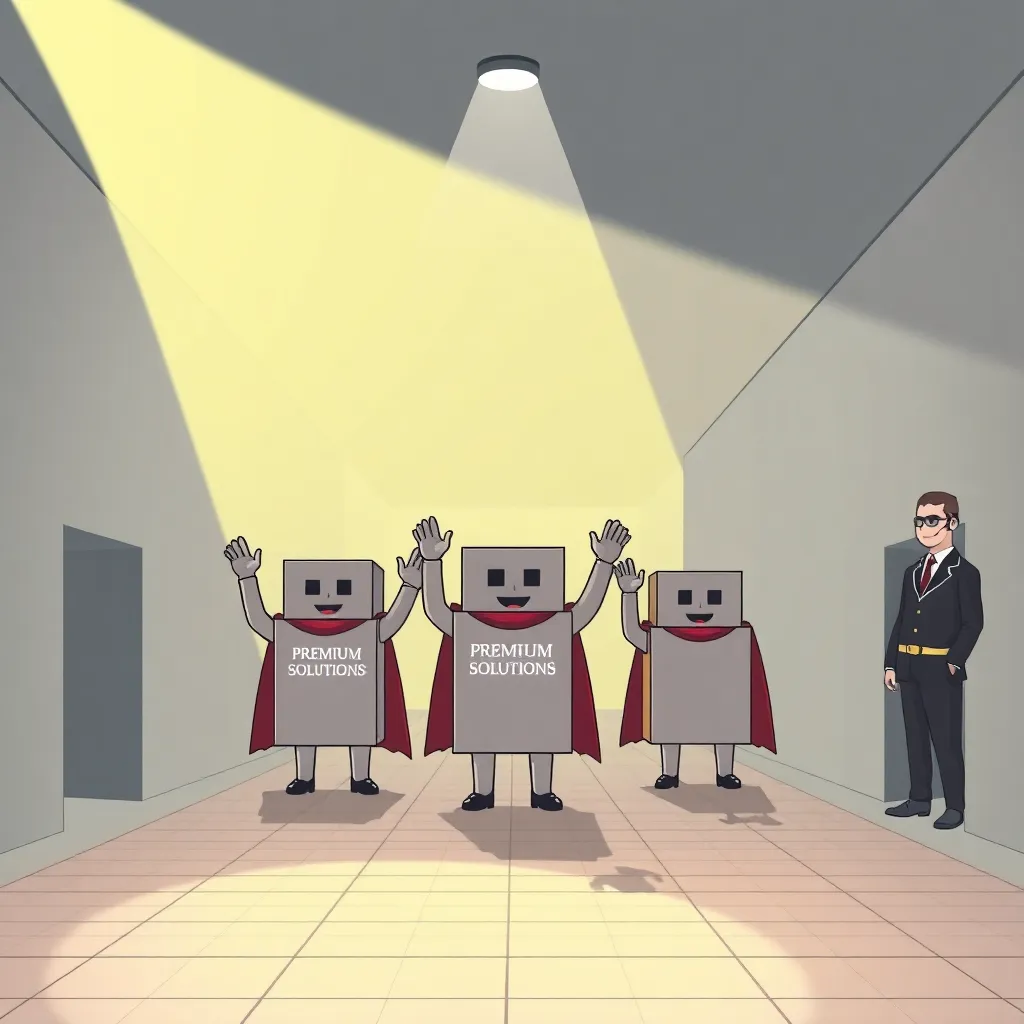
When asked why they didn’t train, Cube #1 shrugged and said, “We’re cubes. We’re naturally elite. Also we were busy doing brand partnerships with premium storage solutions.”
Cube #3 added, “We assumed intimidation would work. But they just… stood there. Like they were waiting for paperwork.”
Asked if the cubes would seek a rematch, their manager offered a carefully worded response: “We are considering our options, including retirement, reinvention, and becoming minimalist home décor.”
The New Era of Geometry: Don’t Underestimate the “Simple Shapes”
Commentators are calling the upset a turning point — not just in competitive geometry, but in cultural attitudes about what constitutes “strength.”
For decades, the hierarchy seemed obvious: 3D shapes were assumed to be superior, simply because they occupy more space and can accidentally hurt you when you step on them. Squares were treated as background characters — decorative, utilitarian, destined to be tiled on floors and ignored.
But the squares’ victory has ignited a global debate: what if the “simple” shapes have been quietly preparing for this moment all along?
“What we saw wasn’t just a fight,” said sports philosopher Mara Line. “It was a repudiation of dimensional elitism.”
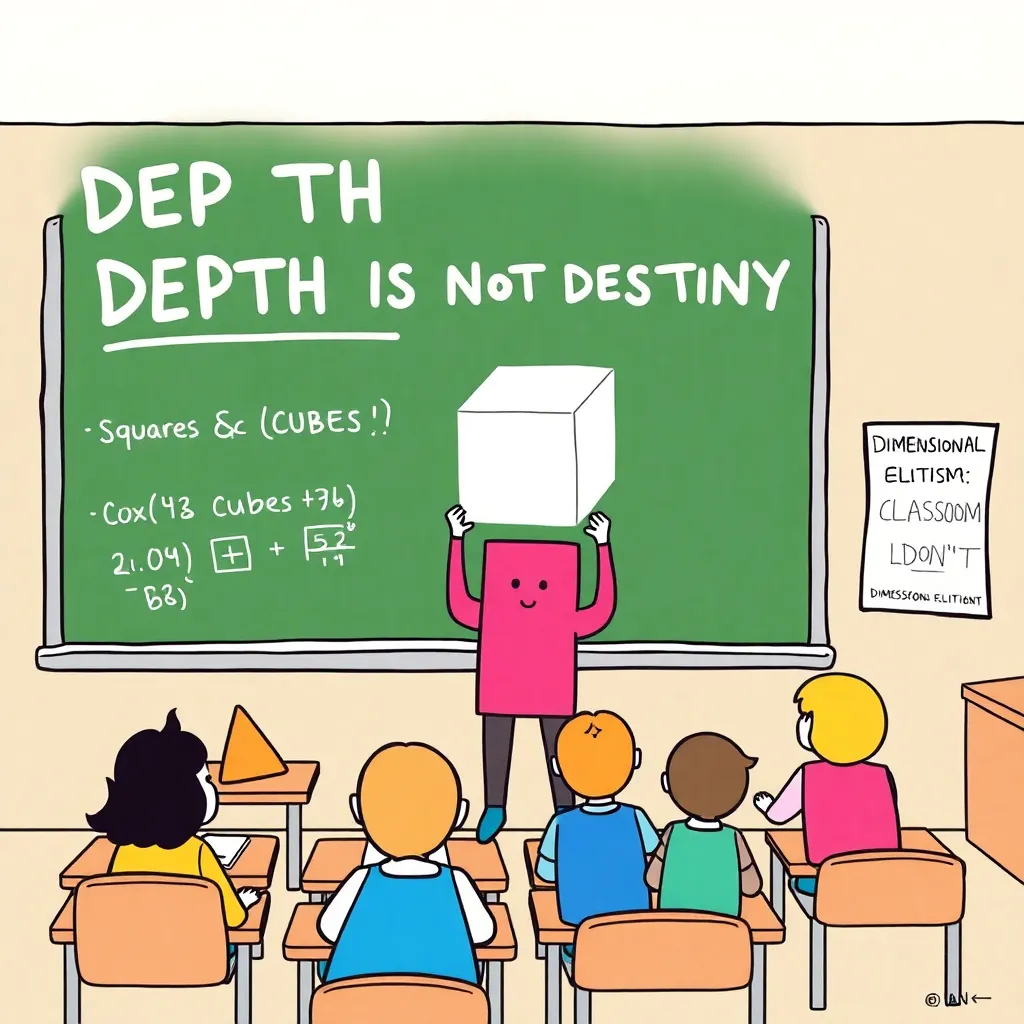
Several schools have already updated their curricula, with one new lesson plan titled: “Depth Is Not Destiny.”
Next Fights Announced: Spheres vs. Circles, Pyramids vs. Triangles
The world now braces for the next wave of matchups, each more ominous than the last.
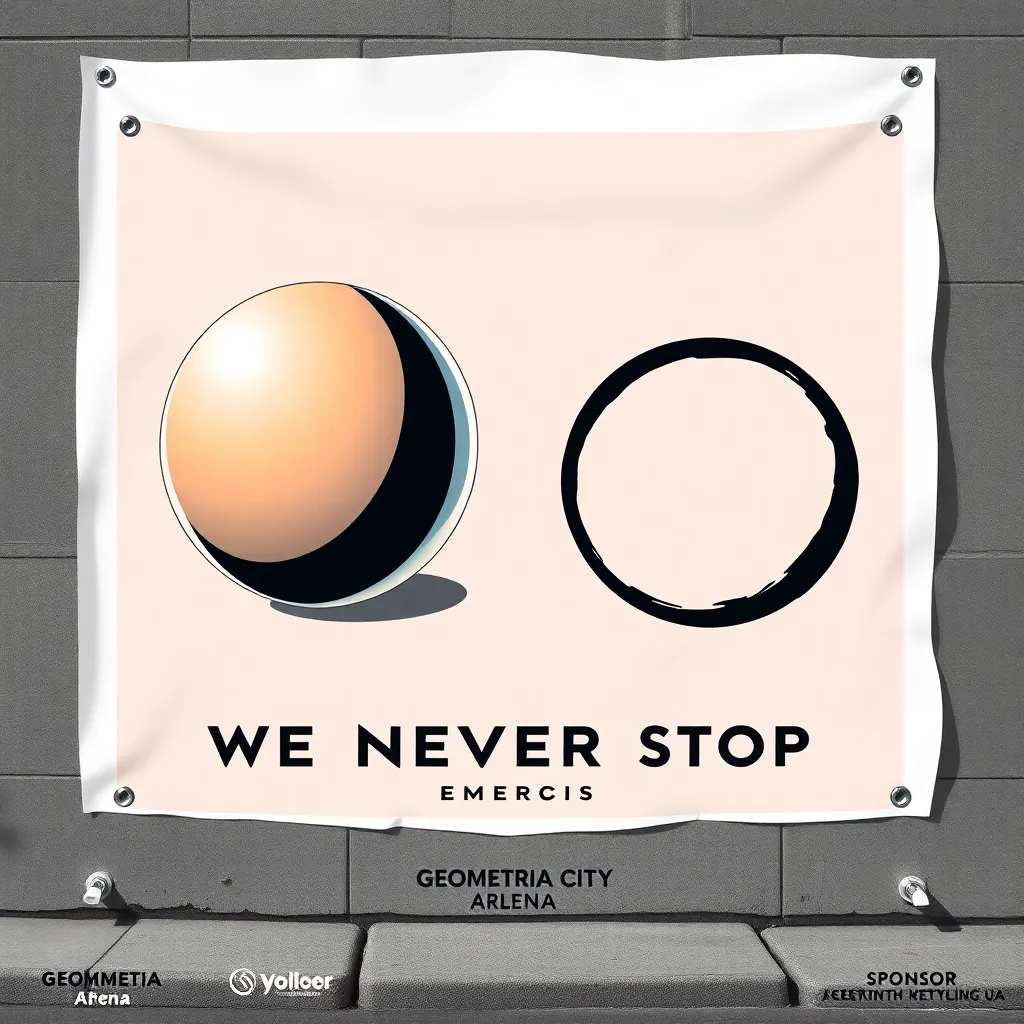
Spheres vs. Circles: “Smooth Confidence Meets Flat Vengeance”
Most experts are again leaning toward the 3D competitor, citing the sphere’s “total surface dominance” and “impossible-to-grab energy.”
But after the squares’ performance, fans are wary.
“Circles have been rolling quietly for centuries,” warned one analyst. “No corners, no ego. That’s terrifying.”
Meanwhile, sphere supporters argue that circles lack “presence,” “mass,” and “that intangible aura of inevitability.”
Circles supporters counter with a single terrifying statement: “We never stop.”
Pyramids vs. Triangles: “Pointed vs. Perfectly Prepared”
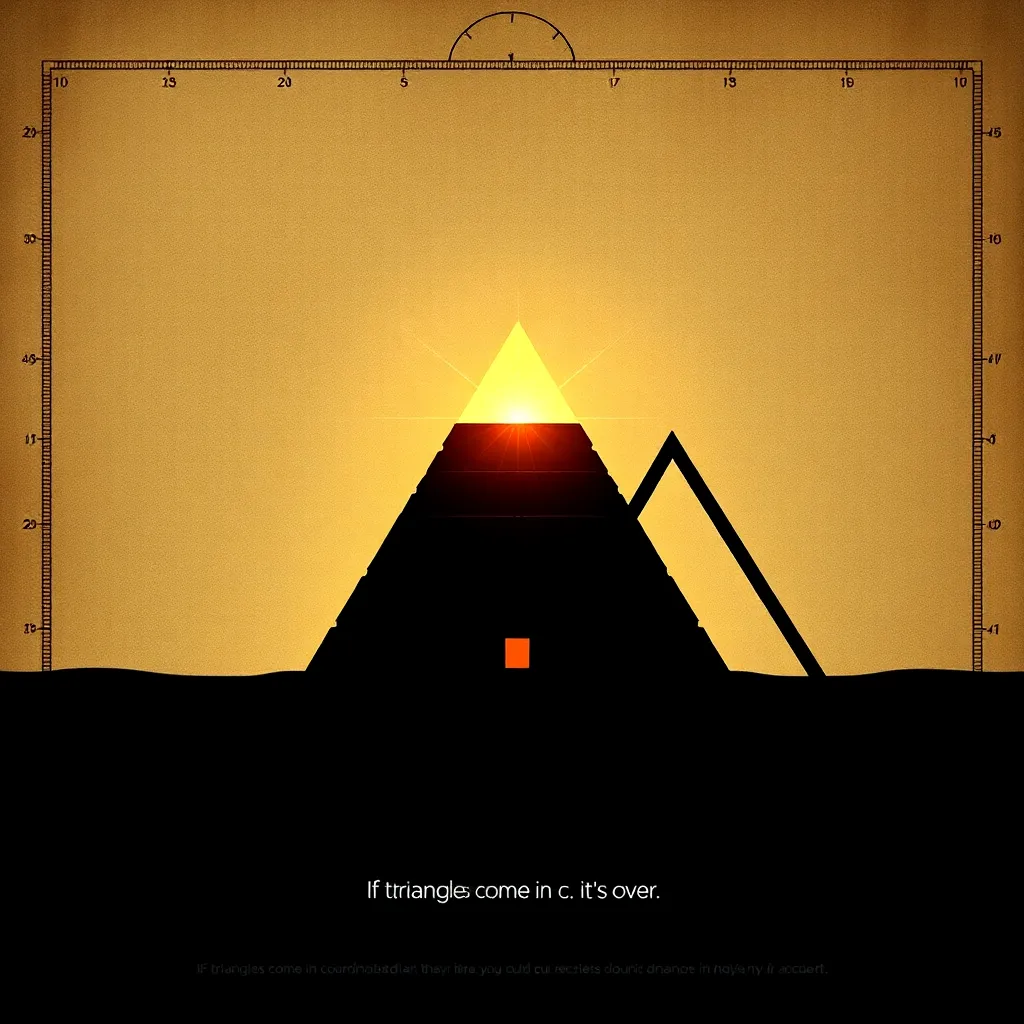
This matchup has pundits sweating through their protractors. Pyramids boast height, sharpness, and the ability to look impressive in ancient settings. Triangles, however, have structural integrity, history in engineering, and a reputation for forming unbreakable alliances in groups.
“If triangles come in coordinated,” said Bastion, “it’s over. They’ll form a truss and the pyramid won’t know what decade it is.”
A Warning From the Squares’ Coach: “Respect Every Opponent”
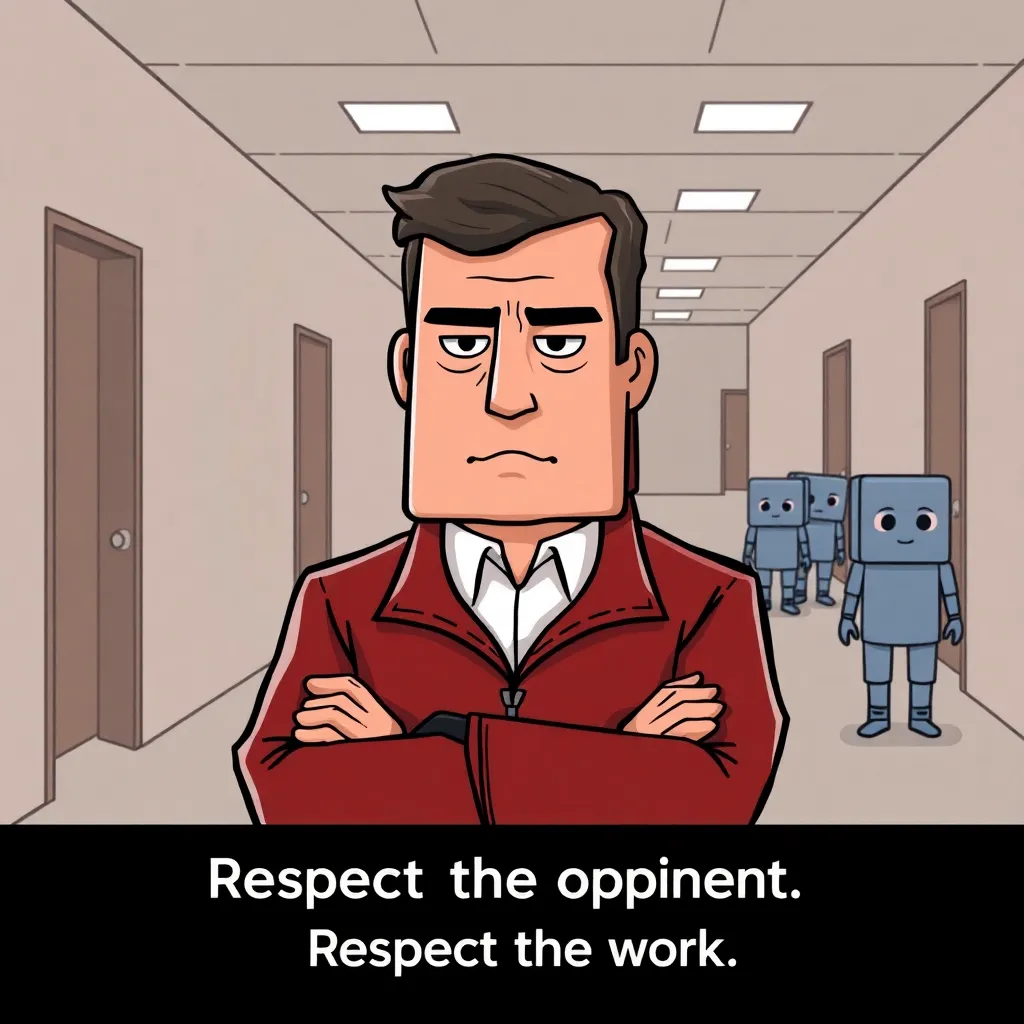
In a rare statement after the win, the squares’ coach — a stern rectangle who asked not to be named — offered a simple message to all future competitors:
“Respect the opponent. Respect the work. And never confuse being flashy with being prepared.”
He paused, then added: “Also tell the cubes to stop calling us ‘2D.’ We are multi-purpose.”
What Happens Next?
The cubes limp away from the arena in disgrace, the squares are hailed as folk heroes, and the betting industry has vowed to implement “anti-overconfidence measures,” including mandatory humility seminars and a new warning label on all cube-related wagers reading:
“May appear guaranteed. Contains angles.”
As for the squares, they remain calm, uncelebratory, and focused — which is perhaps the most unsettling part of all.
Because if two squares can dismantle three cubes through nothing more than discipline and planning, the world must confront a terrifying possibility:
Maybe the strongest shapes aren’t the biggest.
Maybe they’re the ones who bother to practice.
And maybe — just maybe — the next time someone laughs at a flat competitor, they’ll remember the night the cubes learned the hardest lesson in all of geometry:
Never bet against someone who’s been quietly training while you’re busy showing off your sides.