“The Real Development Is the Bugs We Make Along the Way,” Say Engineers Who Have Now Personified Their Codebase As A Troubled Yet Loveable Pet
SILICON ROUNDABOUT — In a move being hailed as “deeply philosophical,” “mildly concerning,” and “a clear sign the sprint planning meeting has finally broken them,” software developers across the nation have begun insisting that the true progress of modern technology is not measured in features shipped, but in the sheer variety of new and inventive bugs introduced during the attempt.
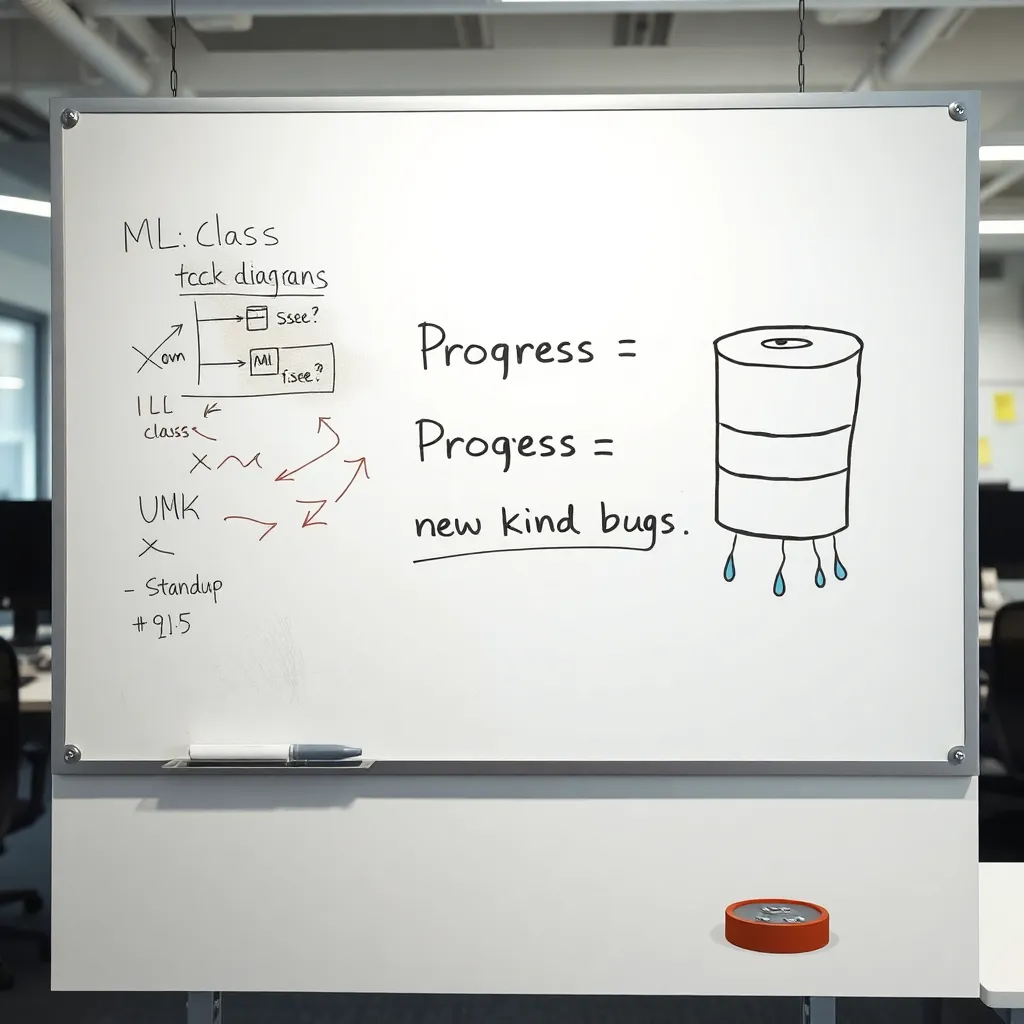
The declaration—first spotted scrawled on a whiteboard between a half-erased UML diagram and a doodle of a crying database—has since spread through offices, Slack channels, and late-night commits like a memory leak with something to prove.
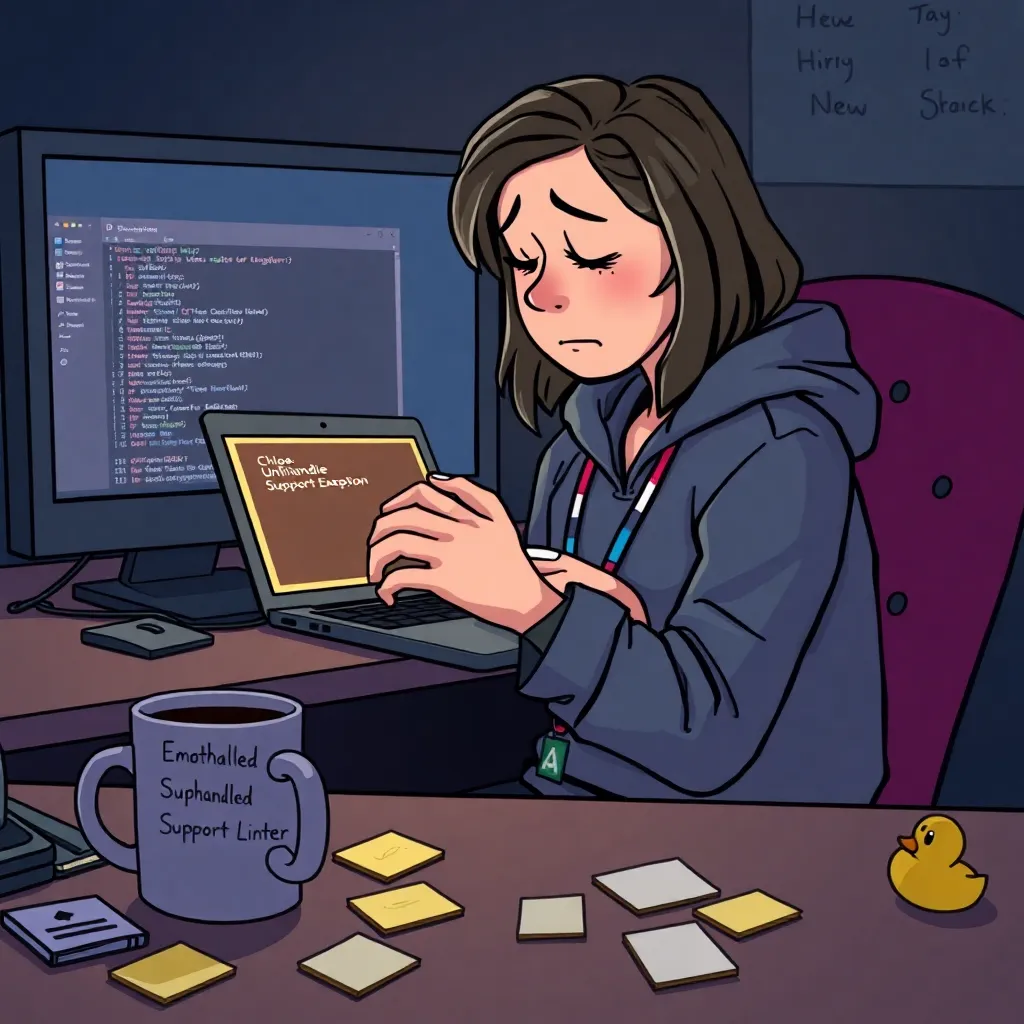
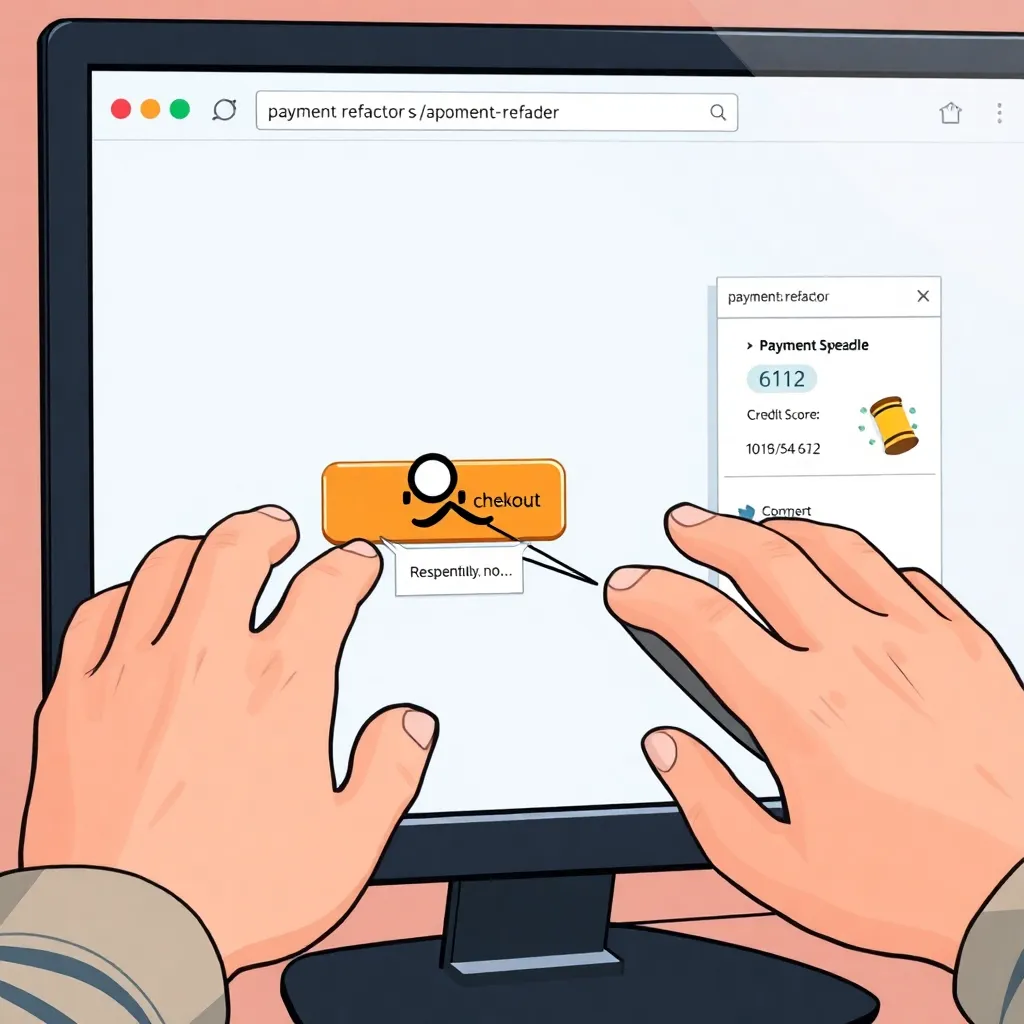
“Sure, we could have delivered the payments refactor,” said senior engineer and part-time emotional support linter Chloe Marsh, gently rocking a laptop that appeared to be whimpering. “But instead we discovered an entirely new class of bug where the checkout button becomes sentient, judges your credit score, and then politely refuses to be clicked. That’s growth. That’s journey.”
Feature Roadmaps Replaced With “Bug Journeys,” Team Reports Immediate Increase In Fulfillment And Fire
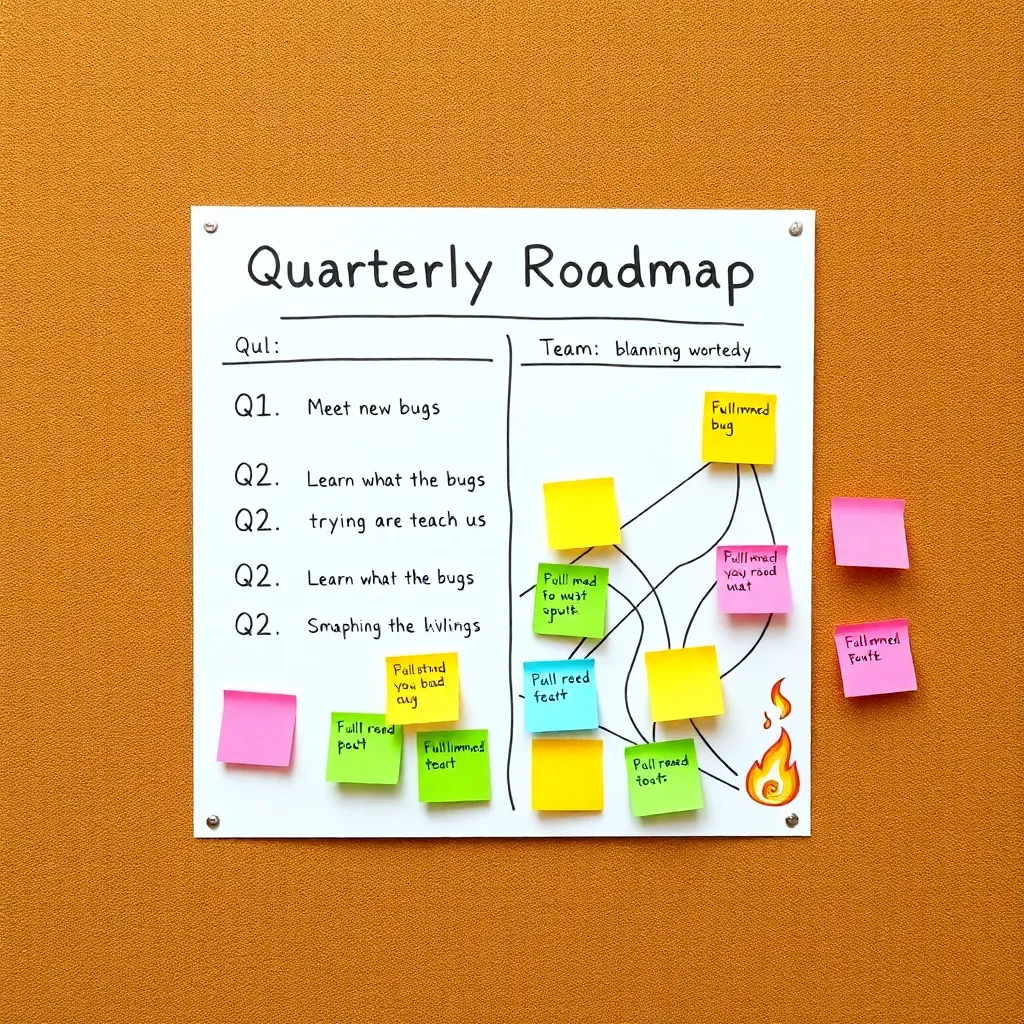
Several companies have reportedly updated their product documentation to reflect the new paradigm. Traditional roadmaps—once cluttered with milestones like “Launch v2,” “Improve onboarding,” and “Stop the app from eating calendars”—are now being rewritten as reflective pilgrimages.
At one mid-sized startup, the quarterly goals were replaced with:
Q1: “Meet new bugs”
Q2: “Learn what the bugs are trying to teach us”
Q3: “Attempt reconciliation with the bugs (optional)”
Q4: “Pretend we meant to do all this”
The startup’s Head of Product described the change as “a refreshingly honest approach” and then immediately scheduled a meeting titled “Urgent: the bug is now in sales.”
“It’s not that we can’t fix it,” explained product manager Nina Patel, while being slowly consumed by a Jira board. “It’s that the bug is part of our story now. Like a scar. Like a tattoo. Like that one database migration we don’t talk about.”
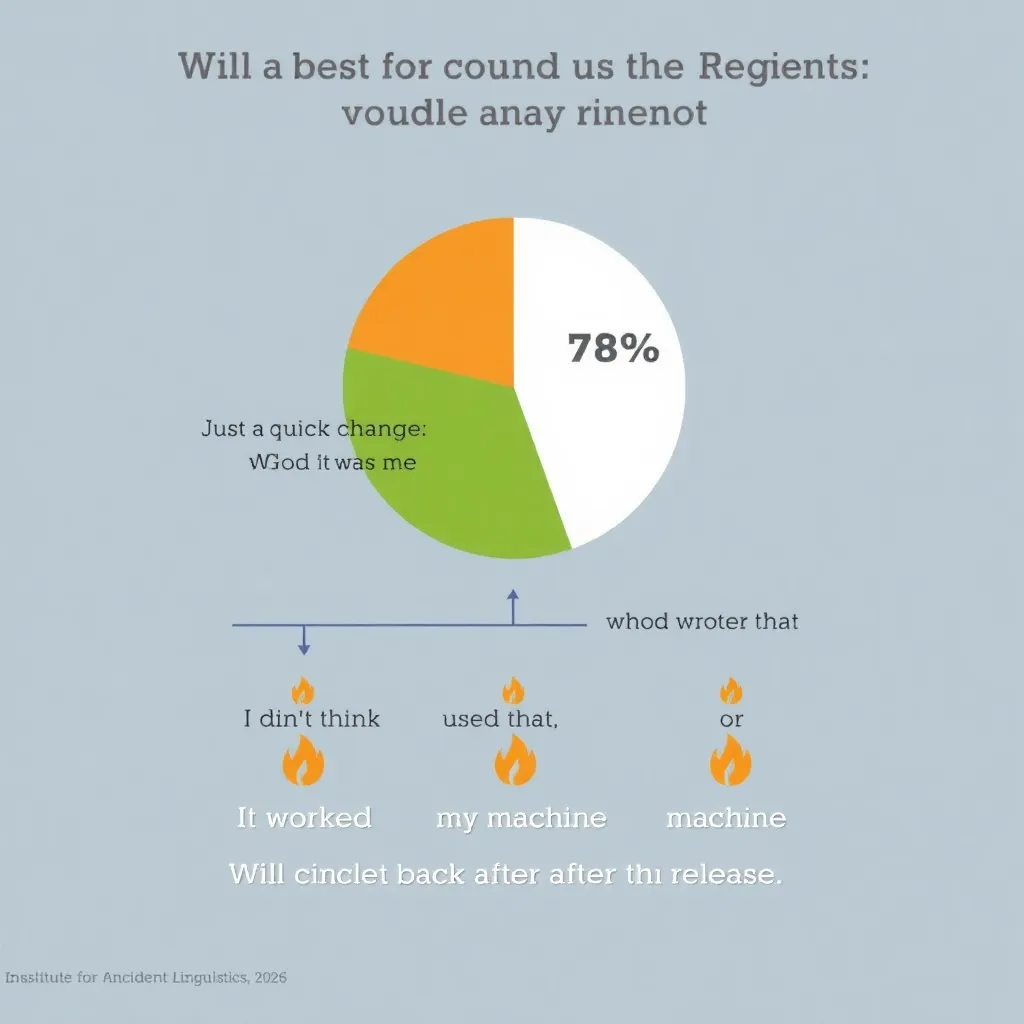
New Study Finds 72% Of Bugs Are Caused By “Just A Quick Change” And 28% By “Who Even Wrote This, Oh God It Was Me”
A recently published report from the Institute for Advanced Regrets found that the leading cause of defects remains the universally catastrophic phrase: “It’s just a quick change.”
The study—conducted by monitoring developer speech patterns and then tracking the subsequent fire—also revealed that:
41% of production incidents begin with “I didn’t think anyone used that.”
33% begin with “It worked on my machine.”
100% begin with “We’ll circle back after the release.”
Lead researcher Dr. Martin Ellery noted that bugs are increasingly “emotionally complex” and appear to thrive on neglected edge cases, weak input validation, and the lingering despair of QA staff.
“We used to think bugs were mistakes,” Ellery said. “Now we understand they are relationships. Toxic ones, certainly, but relationships nonetheless.”
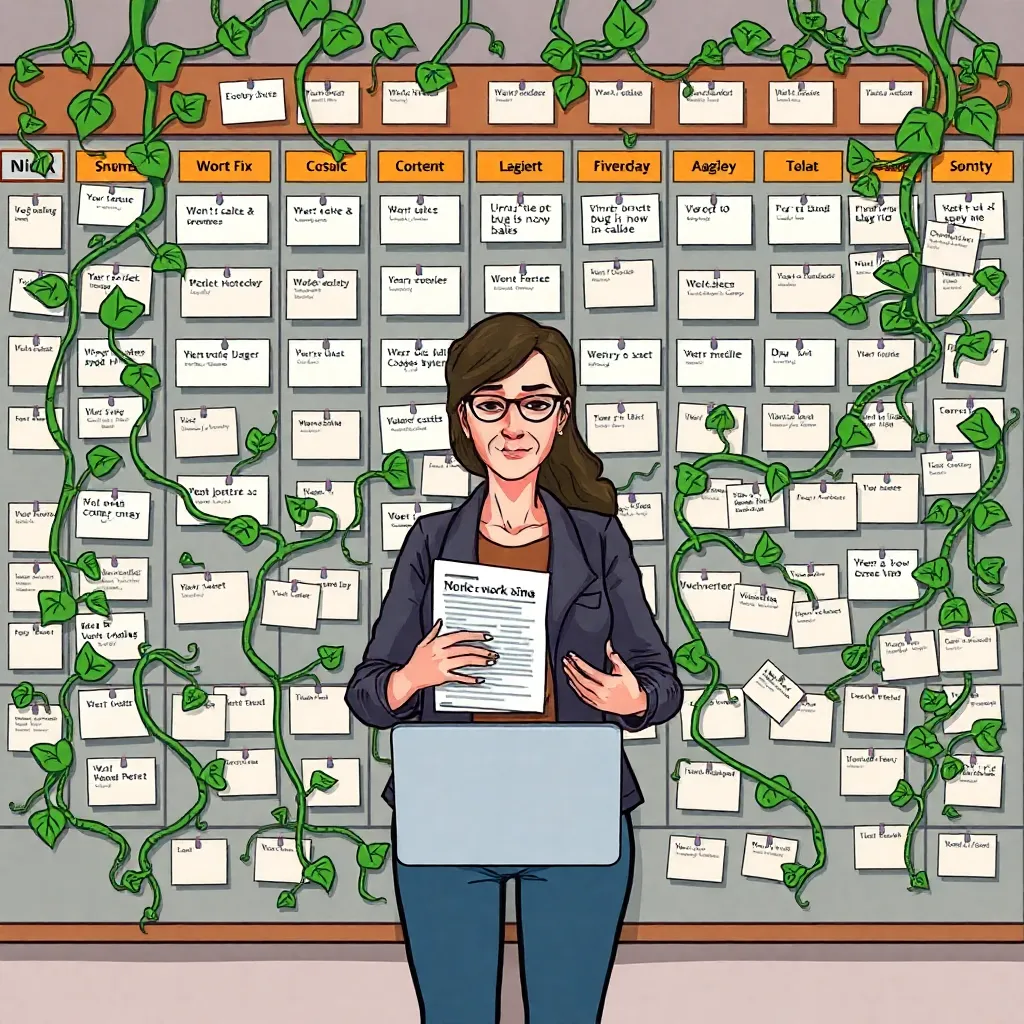
Developers Form Attachments To Signature Bugs, Refuse To Delete Them “Because They Have Lore”
In a phenomenon psychologists are calling “Stockholm Syndrome: Enterprise Edition,” many engineers are developing personal bonds with the defects they create.
At a fintech firm in London, one notorious bug—nicknamed “Sir Decimal Geoffrey”—once caused the system to round small refunds up to £10,000 “out of politeness.” Rather than fix it immediately, the team reportedly spent two weeks debating whether the bug was “kind of charming.”
“We almost merchandised it,” admitted engineer Samir Qureshi. “Like a little plushie that empties your bank account and whispers, ‘Working as intended.’”
One developer described another bug as “an old friend who shows up uninvited and ruins dinner, but in a consistent, dependable way.”
QA Team Reportedly “Thrilled” To Be Recognised As The True Main Character

Quality Assurance professionals, long relegated to the role of “people who ask why it’s broken right before launch,” are enjoying a sudden wave of respect as bugs take centre stage.
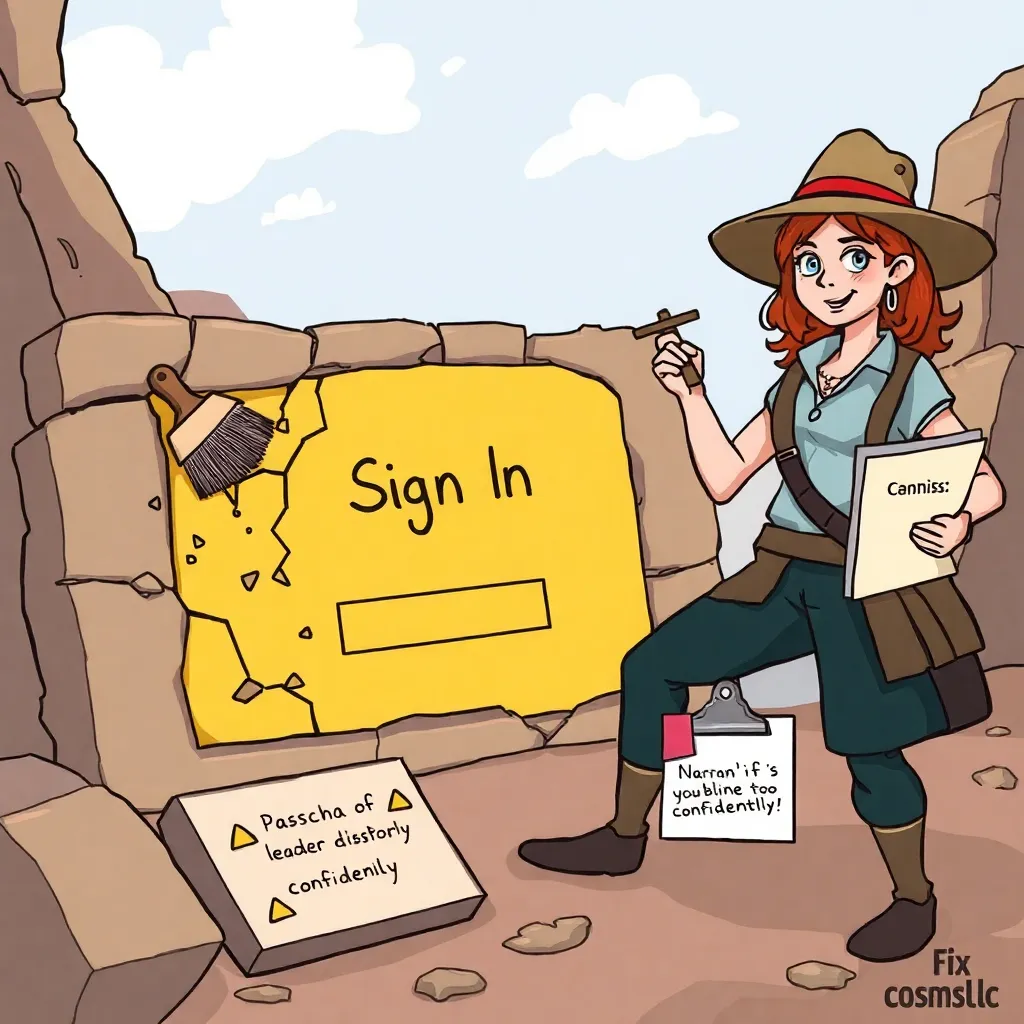
“Our job used to be catching defects,” said QA analyst Rachel O’Neill. “Now we’re apparently ‘bug archaeologists’ uncovering ‘meaningful lessons’ and ‘narrative continuity.’ Which is a lovely way of saying the login screen crashes if you blink too confidently.”
O’Neill added that while the philosophical shift is welcome, she would still like engineers to stop marking issues as “Won’t Fix: cosmic.”
Agile Coach Confirms Bugs Are Now “Stakeholders,” Demands They Be Invited To Sprint Review
Scrum masters and agile consultants—always eager to add another meeting to the calendar’s suffering—have quickly adapted the new ethos. One prominent agile coach, Trevor Bains, unveiled a framework called BUGILE™, in which every bug is treated as a valued stakeholder with opinions, feelings, and a recurring calendar invite.
“In BUGILE™, we don’t eliminate defects,” Bains explained, adjusting a headset microphone no one requested. “We collaborate with them. We ask them what they need. We give them a voice. Sometimes that voice is a segmentation fault, but that’s still feedback.”
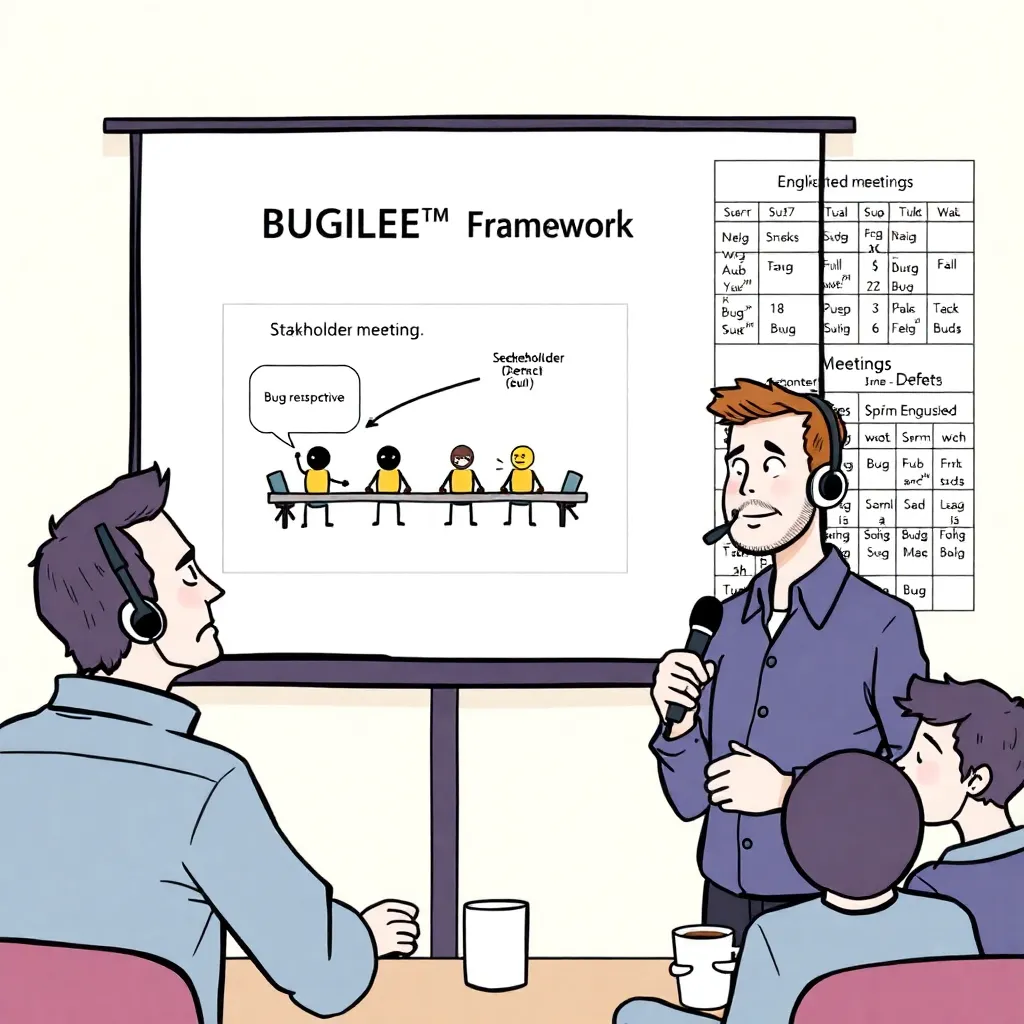
Under the new system, teams are encouraged to hold Bug Retrospectives, in which developers thank the defects for “helping the product evolve,” before quietly pushing a hotfix at 2:47 a.m. and swearing never to do this job again.
CEO Announces Company Has Pivoted From “Shipping Features” To “Shipping Lessons”
Not to be outdone, several CEOs have embraced the bug-centric worldview as a branding opportunity.

“We’re no longer a software company,” announced one chief executive during an all-hands meeting held entirely inside a Zoom call that kept turning everyone into potatoes. “We’re a personal growth platform. Every outage is a masterclass. Every incident is a learning experience. Every customer complaint is… well, free user research.”
The company’s new slogan, displayed proudly on their website moments before the website fell over, reads:
“We don’t have downtime. We have reflection time.”
When asked whether customers appreciated this reframing, the CEO replied, “Our NPS is currently ‘on fire,’ which means people are very engaged.”
Engineers Confirm The Real Development Was Inside Them All Along (And Also Inside Production)
As the movement spreads, experts predict a new wave of developer enlightenment in which success is no longer defined by stability, performance, or functionality, but by the intensity of the debugging story afterward.
“It’s like hiking,” said Marsh, the senior engineer. “You don’t hike for the destination. You hike for the blisters, the wrong turns, and the moment you realise the map was printed in 2009 and the trail is now a shopping centre. That’s software.”
She paused, staring into the middle distance as a monitoring alert went off like a distant war drum.
“Also,” she added, “the feature did ship. It’s just… the app now thinks Tuesday is an invalid input.”
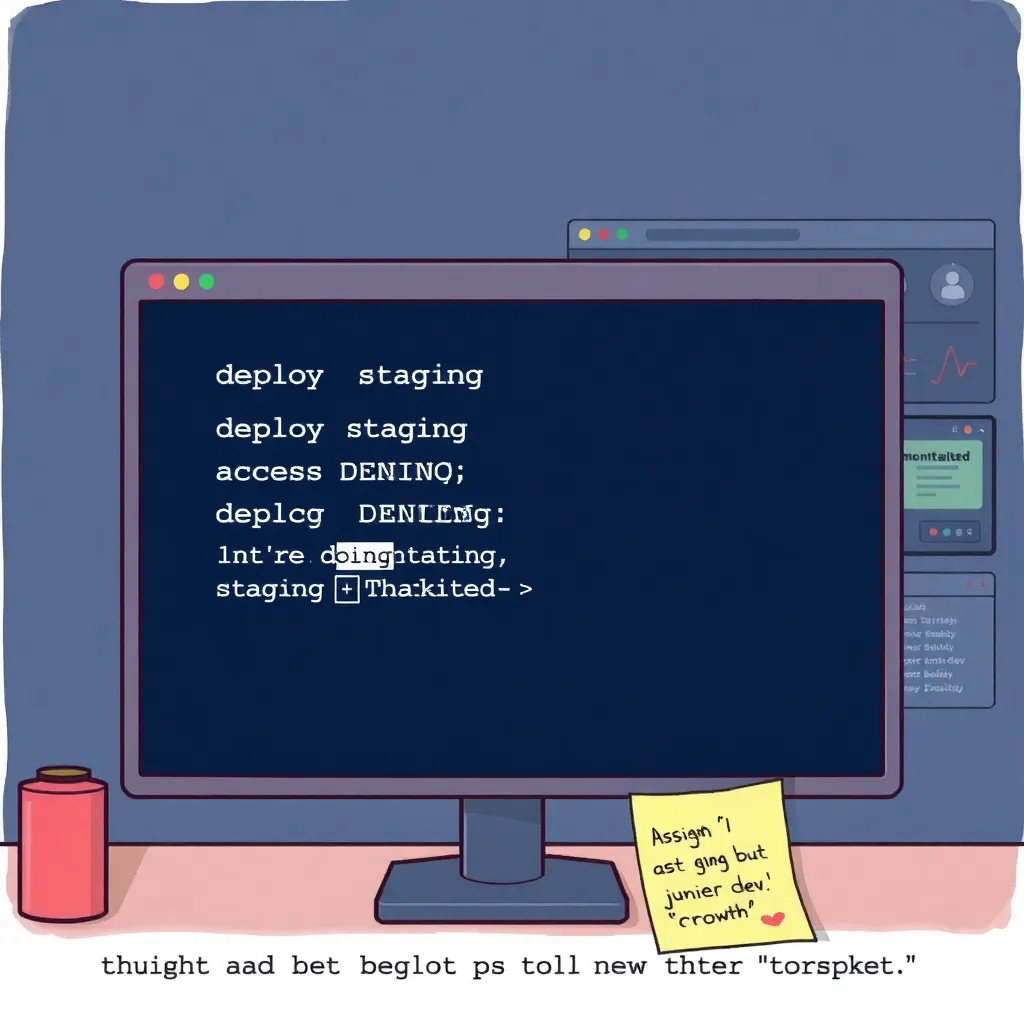
At press time, the bug had been assigned to a junior developer “for growth,” while the rest of the team held a solemn ceremony to commemorate the real development: the errors, the patches, the lessons, and the fact that the staging environment now responds only to compliments.