World Completes Definitive Tier List of “Everything,” Immediately Starts a Second One for “Things We Forgot” and a Third for “Tier Lists Themselves”
GENEVA — In what experts are calling “the most ambitious misuse of human coordination since the invention of the group chat,” every person on Earth has reportedly agreed—at least temporarily—on a single, comprehensive ranking of everything that has ever existed, arranged neatly into tiers from S (best) to F (worst).
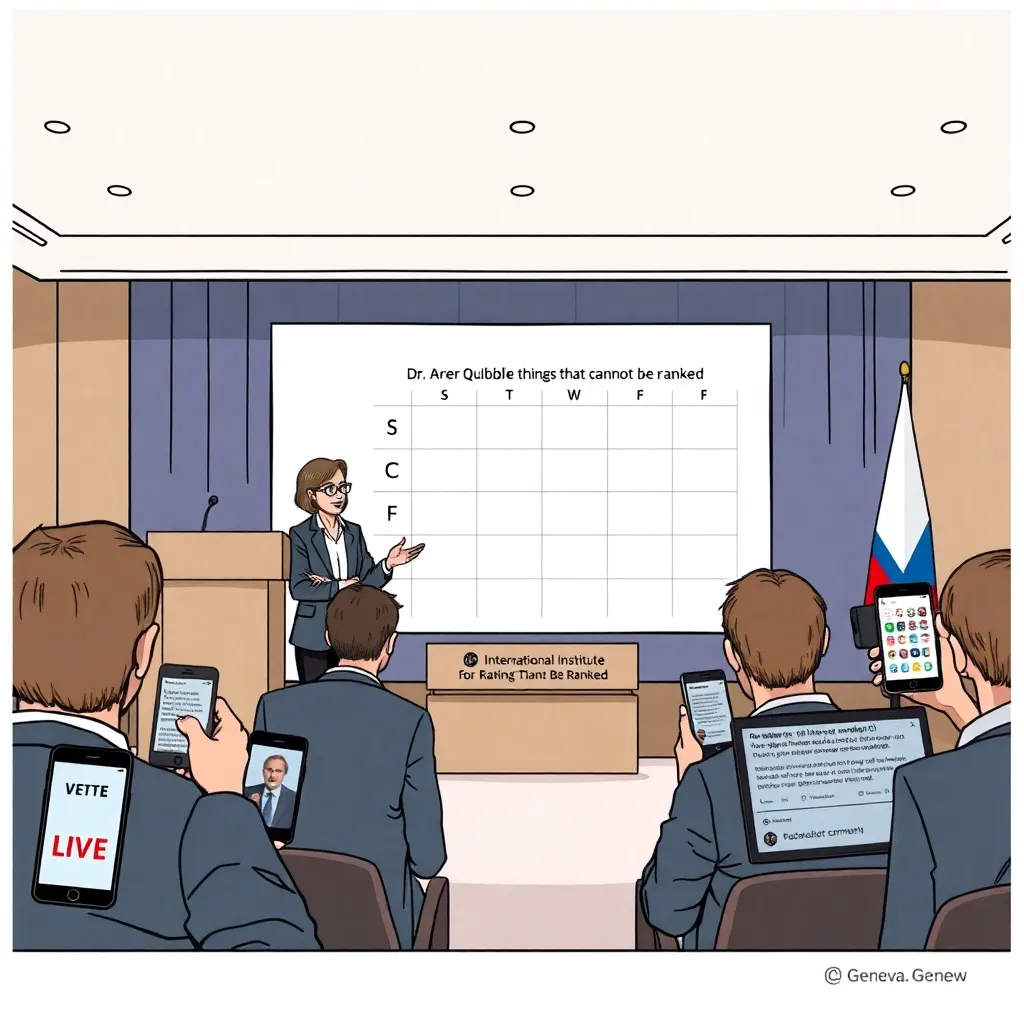
The project, titled “The Universal Tier List (UTL): Final, Definitive, Absolutely No Further Notes”, was announced at a press conference held simultaneously in Geneva, on TikTok Live, and in the comment section of a YouTube video that started as a recipe but became an argument about plumbers.
The list is being hailed as a major milestone in global unity, mostly because it is the first time humanity has managed to agree on anything without immediately creating a splinter faction called “UTL But Unbiased,” followed by “UTL (Real),” followed by “UTL but we fixed it,” followed by “UTL but it’s only about bread.”
A Breakthrough in Global Consensus, Achieved By Removing All Context
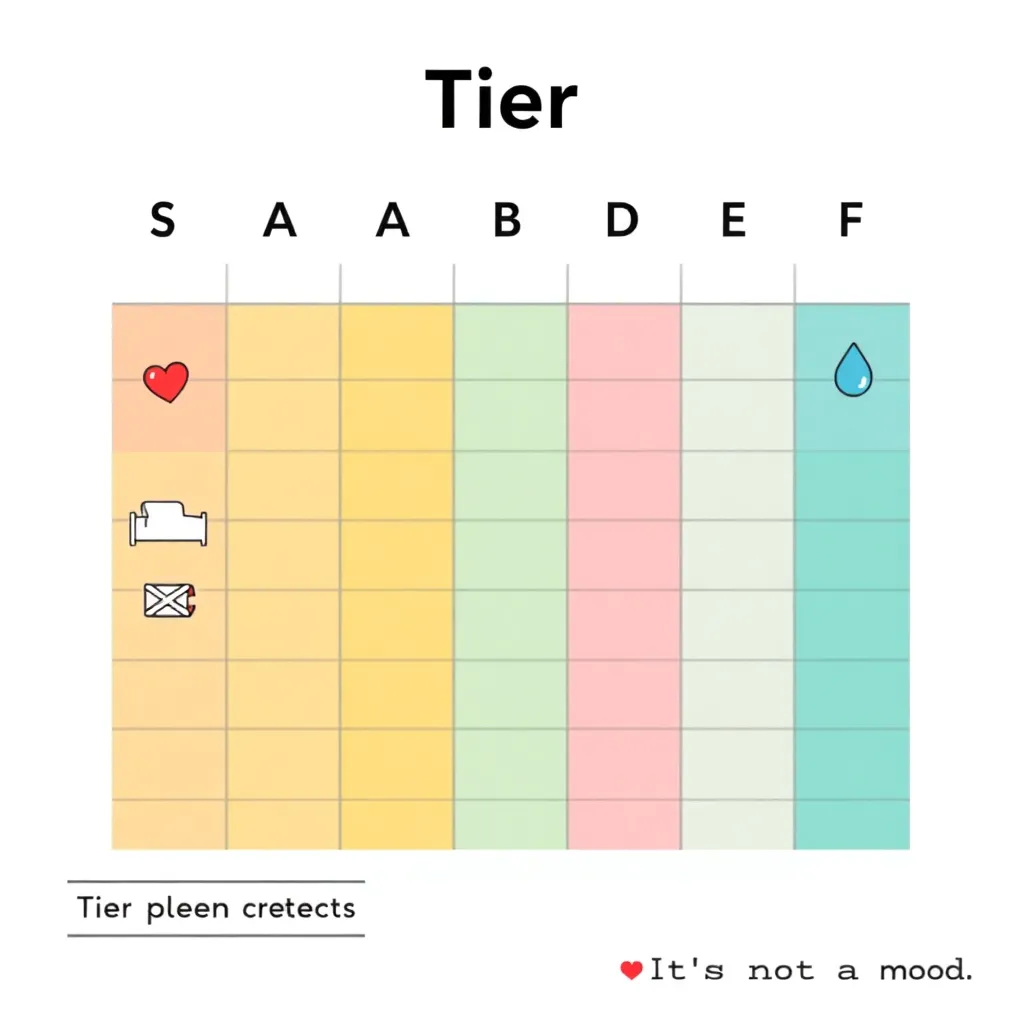
The Universal Tier List divides existence into six categories:
F Tier: “The absolute worst”
E Tier: “Still awful, but not quite the end of the world”
D Tier: “Annoying, unpleasant, but survivable”
C Tier: “Neutral, complicated, or incorrectly assigned”
B Tier: “Good utilities and respectable cosmic phenomena”
A Tier: “Genuinely good things”
S Tier: “Ten slots only, because we’re not animals”
According to the UTL’s lead coordinator, Dr. Marnie Quibbleton of the International Institute for Ranking Things That Cannot Be Ranked, the key to success was simplifying reality into a format previously reserved for fighting games and breakfast cereals.
“We found that once you reduce moral philosophy, astrophysics, healthcare, and interpersonal relationships into colored boxes,” Quibbleton said, “people stop asking annoying questions like ‘what do you mean by that’ and ‘why is Jupiter in B tier.’”
The Bottom of the List: Humanity Agrees It Can, In Fact, Dislike Horrors
At the very bottom, in F Tier, the list places mass atrocities and violence, including genocide, terrorism, rape, homicide, and war—an entry that has been widely praised as “a rare moment of basic moral competence.”
However, the list also allegedly includes broad political and economic systems in that same bracket, which immediately caused the UTL’s first emergency meeting, as participants debated whether the category “F Tier” was meant to contain moral horrors or things you personally argued about at 2 a.m. online.
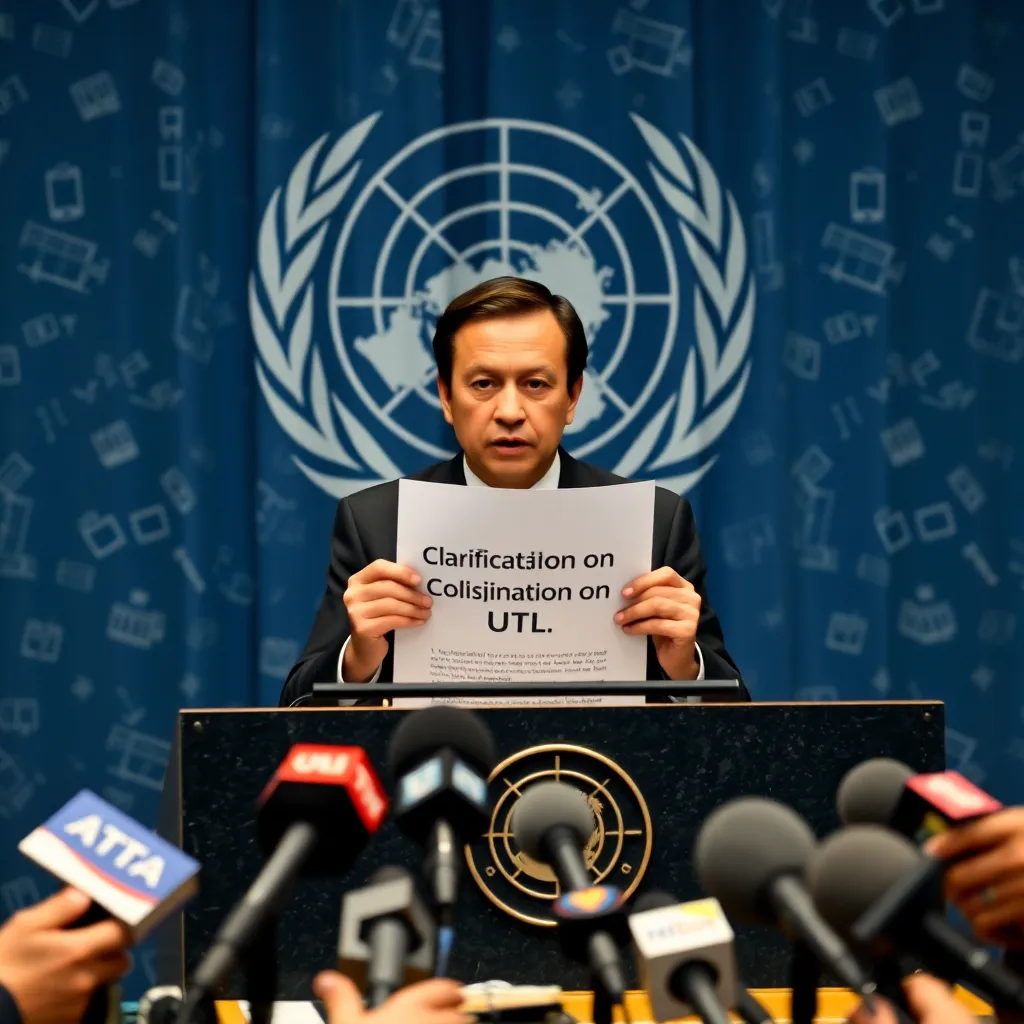
A spokesperson for the United Nations attempted to clarify:
“We support global alignment on condemning atrocities,” the spokesperson said carefully, “but we encourage everyone to remember that disagreeing about macroeconomics is not traditionally listed alongside genocide in the Geneva Conventions.”
The ranking’s architects responded by adding a footnote that reads: “Tier placement reflects vibes.”
E Tier: Diseases, Billionaires, and the Perils of Being Extremely Online
In E Tier, respondents placed major illnesses like HIV/AIDS and cancer—choices that public health officials described as “understandable, if not particularly actionable.”
More controversially, the tier reportedly includes categories like religion and certain identity-related items. Sociologists say this reflects a known phenomenon where global surveys become less scientific over time and more like a comment thread.
Professor Lina Hart of the University of Somewhere With Tenured Patience explained:
“When you ask eight billion people to rank ‘everything,’ you don’t get a clean dataset,” Hart said. “You get emotional spillover. People start ranking their ex’s Spotify playlist, the concept of Mondays, and whatever their uncle said at dinner.”
The UTL committee insisted the list is not intended as a moral decree, adding that:
some items reflect personal experiences,
some reflect historical harms,
and some reflect the fact that people will use any system to continue their preexisting arguments, but now with letters and a smug infographic.
D Tier: The Mosquito Lobby Issues a Furious Statement
The most universally accepted “annoying but not world-ending” entries appear in D Tier, including mosquitoes, power outages, and bodily functions that nobody has ever described as “a fun surprise.”
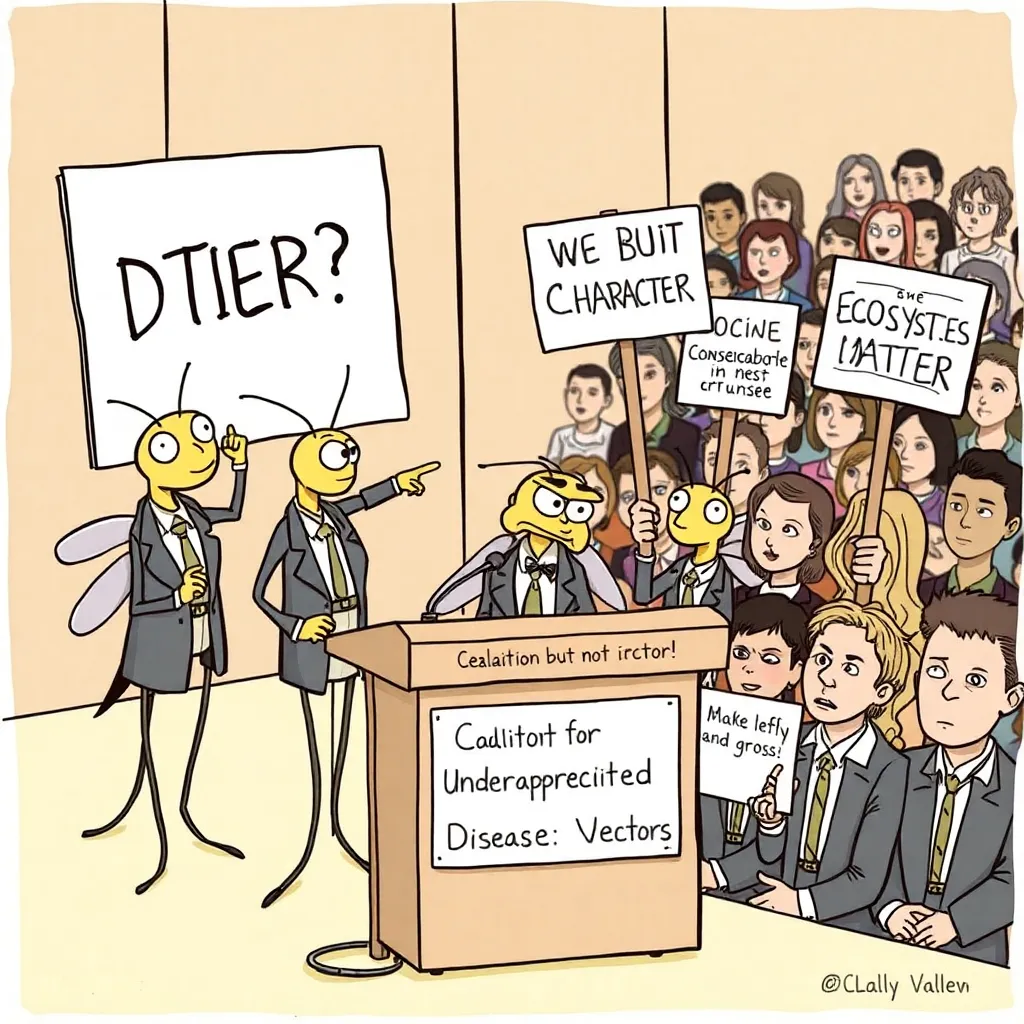
The mosquito placement sparked immediate backlash from the Coalition for Underappreciated Disease Vectors, which released a statement reading:
“We are integral to ecosystems and also to the emotional growth of humans learning restraint. Without mosquitoes, how would anyone experience the rich spiritual discipline of not slapping yourself in public?”
November was also ranked poorly, a decision celebrated by meteorologists, poets, and anyone who has ever tried to dry socks indoors.
Meanwhile, “depression” appearing alongside “November” caused some concern among mental health advocates, who noted that while seasonal vibes are relatable, clinical depression is not a weather pattern.
In response, the UTL editors added another footnote: “If it needs treatment, it’s not a mood.”
C Tier: Chocolate, Coffee, Math, and Other Things That Trigger Essays
C Tier is described by the report as “the land of ‘it’s complicated’,” containing items like chocolate, coffee, math, dishwashers, and pet doors.

Mathematicians were particularly devastated.
“We literally explain the universe,” said one exhausted algebraist. “But fine. Put us in C tier. Enjoy your bridges.”
Dishwasher manufacturers, on the other hand, praised the neutrality.
“This is exactly what we aim for,” said a dishwasher spokesperson. “Reliable, unsexy competence. We’re the Switzerland of appliances.”
Pet doors were deemed “nice, but mostly for pets,” which sparked a counter-petition from humans demanding bigger pet doors “for personal growth and sometimes carrying groceries.”
B Tier: Humanity Finally Notices Jupiter Exists, Rates It “Pretty Solid”
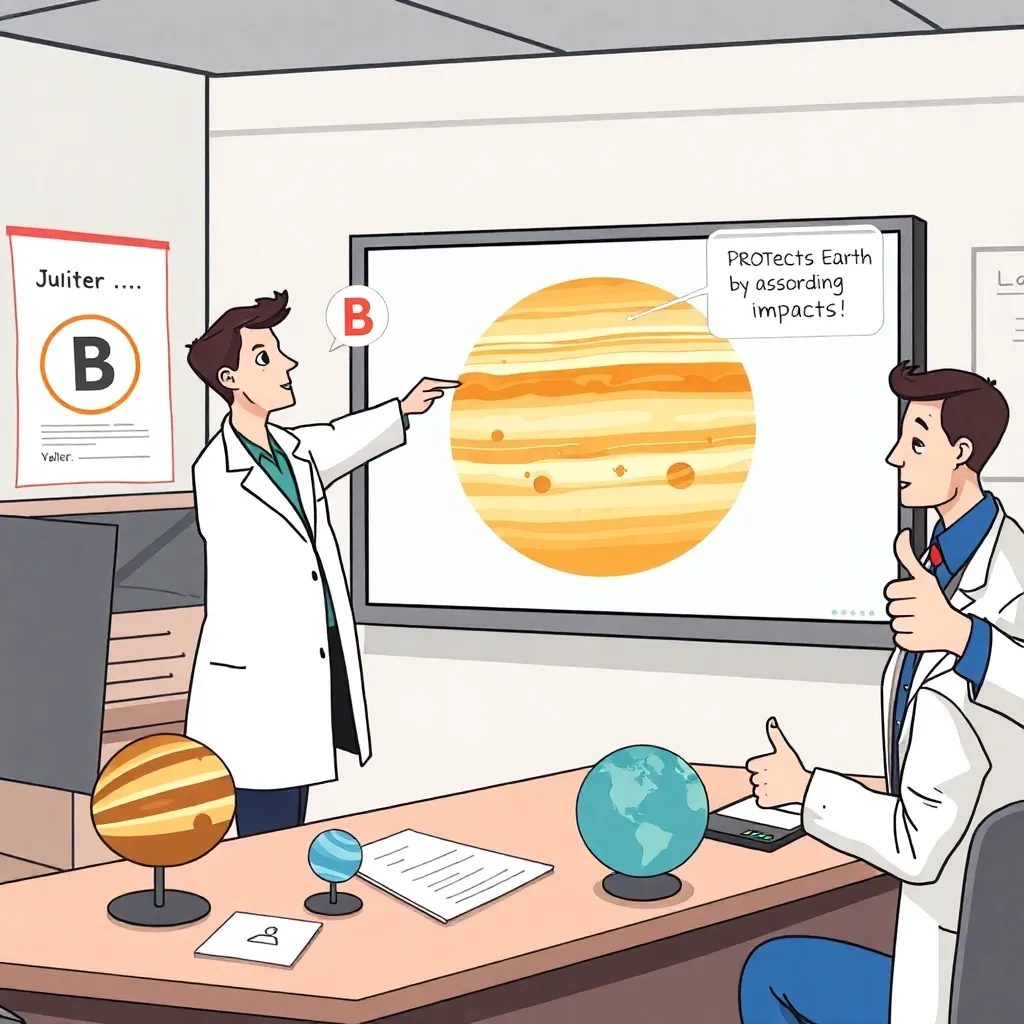
B Tier was reserved for functional, useful, or quietly impressive things like windows, paper, language, flight, electromagnetic radiation, and—unexpectedly—Jupiter.
Astrophysicists say the Jupiter rating is a breakthrough in public engagement with science, even if it’s framed like a consumer review.
“It’s a gas giant that protects Earth by absorbing impacts,” explained Dr. Rakesh Nand. “B tier is honestly fair. Jupiter is doing its job. Not flashy. No plot twists.”
The tier also contains “left” and “right,” which the UTL insists were included “in all senses,” including directions, politics, and the unsettling fact that some people can’t tell which hand is which without forming an L.
A member of the editorial board confirmed the final placement came down to a razor-thin margin after the “Right Is Correct” faction was outvoted by the “Left Is Where My Phone Is” coalition.
A Tier: Oxygen, Water, Gravity, and the Basics of Not Dying
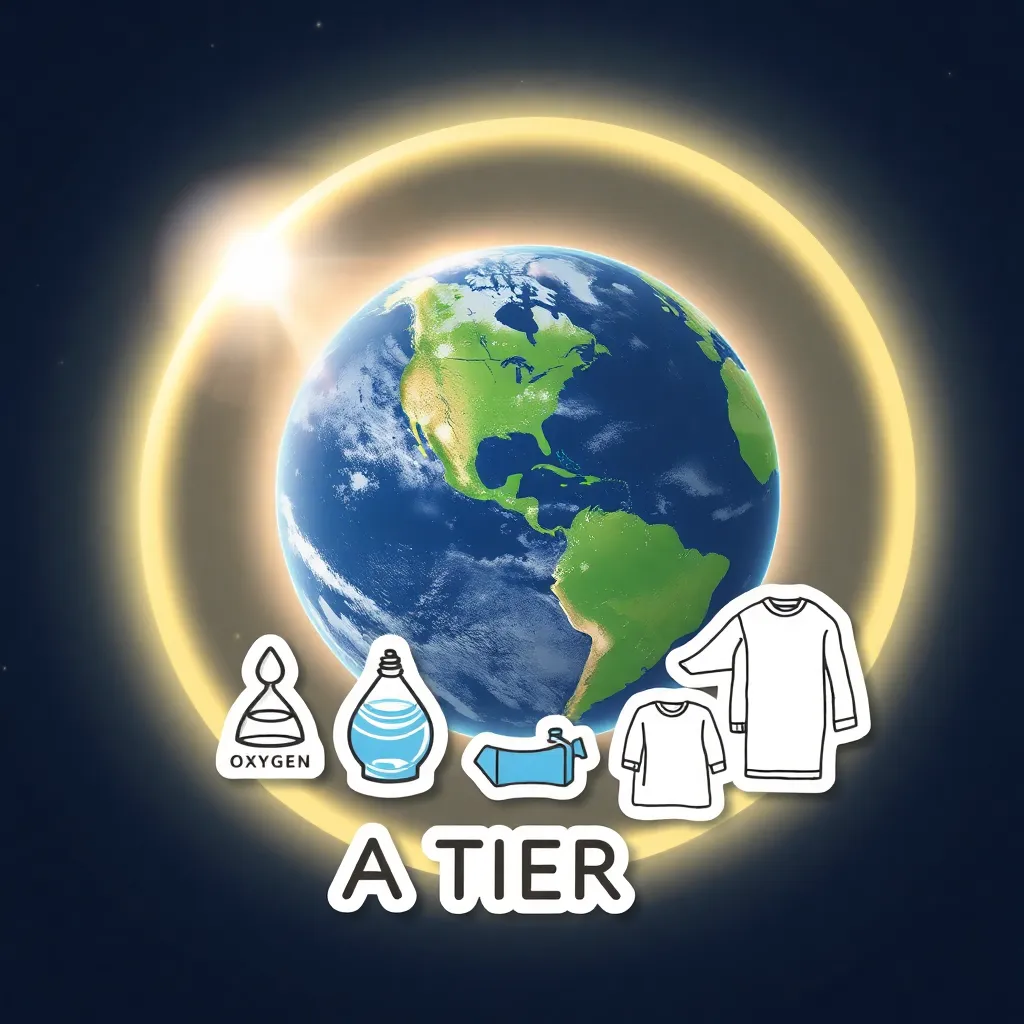
In A Tier, humanity placed essentials like air and water, as well as clothes, gravity, and Earth’s electromagnetic field—earning praise from scientists who have begged for years that people appreciate invisible life-support systems.
“This is the first viral list to include magnetospheres,” said a delighted geophysicist. “We’re one step away from trend pieces on plate tectonics.”
Also included were broad categories of LGBTQ+ identities, which the UTL framed as “good and worth being in A tier,” a statement that was met with support by many and immediate outrage by those who believe tier lists are an appropriate place to litigate personhood.
The UTL committee responded with its strongest clarification yet:
“The tier list is not a substitute for ethics, law, or basic decency,” the statement read. “Please stop using it as a substitute for ethics, law, or basic decency.”
“Nudity” appearing slightly above “clothes” was explained as “comfort-driven,” though several fashion houses demanded a recount, citing “the emotional value of pockets.”
S Tier: The Ten Best Things, According to Everyone, Somehow
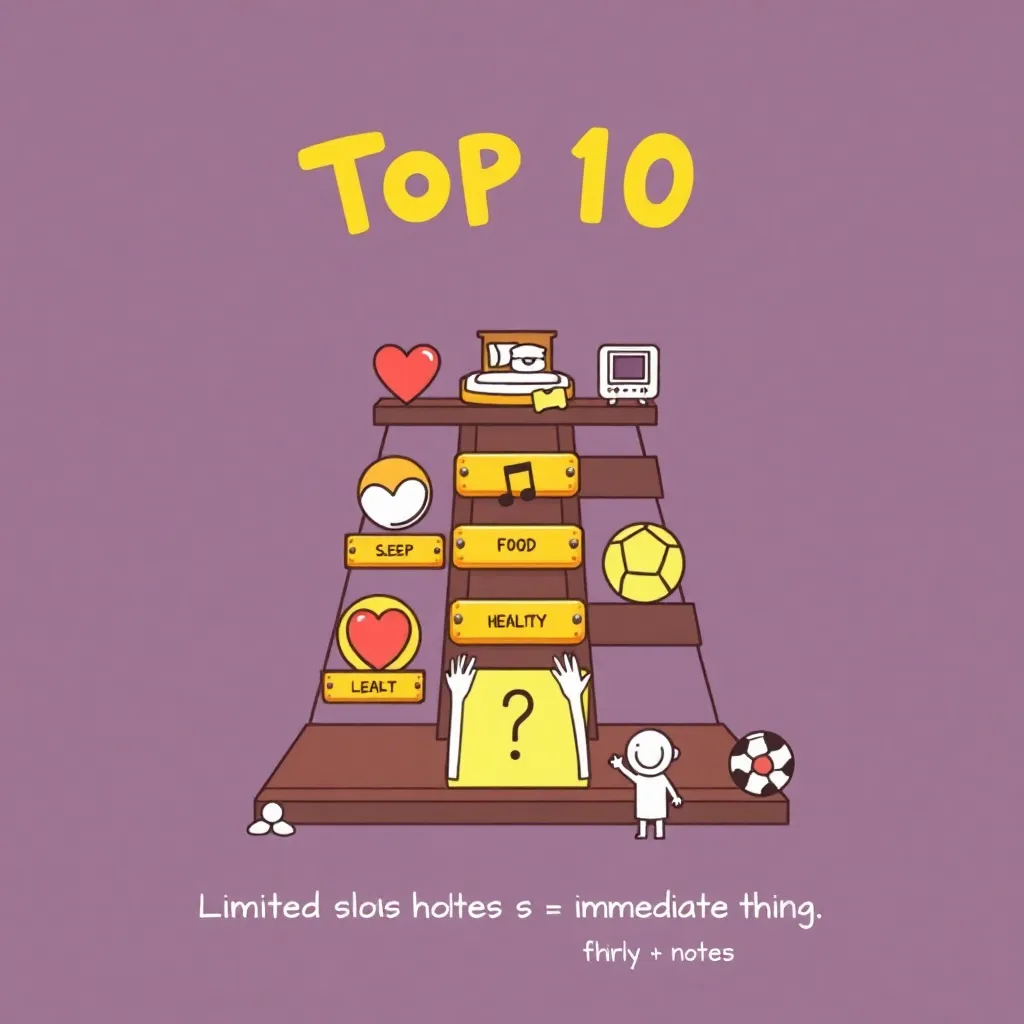
Unlike other tiers containing thousands of entries, S Tier is limited to ten slots “to preserve prestige and prevent chaos,” a rule that was immediately followed by chaos.
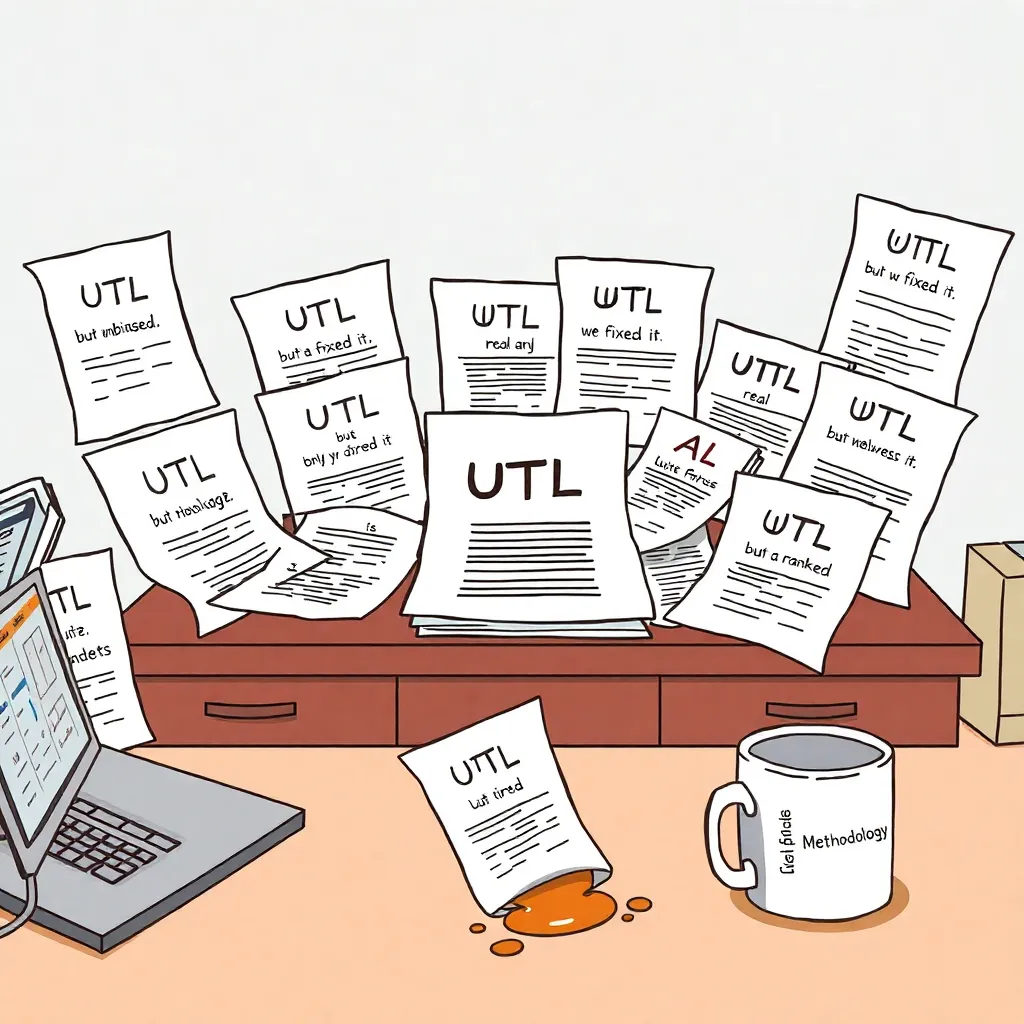
The published list includes love, sleep, food, health, music, video games, vision, sport, and other broadly cherished human experiences—followed by a controversial #1 choice that the committee described as “predictable enough to be practically constitutional.”
Critics point out that ranking universal “best things” is inherently biased toward common human experiences, and that the list is not easily applied to, for example, jellyfish, which have no need for sports but do enjoy the ocean’s gentle ambience and committing to the bit of being gelatinous.
Still, the UTL has defenders.
“Look, it’s not perfect,” said one voter. “But it’s the first time we’ve had global agreement on anything. Let us have this. Tomorrow we go back to arguing about pineapple.”
The Immediate Aftermath: A Unified Humanity, Briefly, Until Someone Asked “Where Is Bread?”
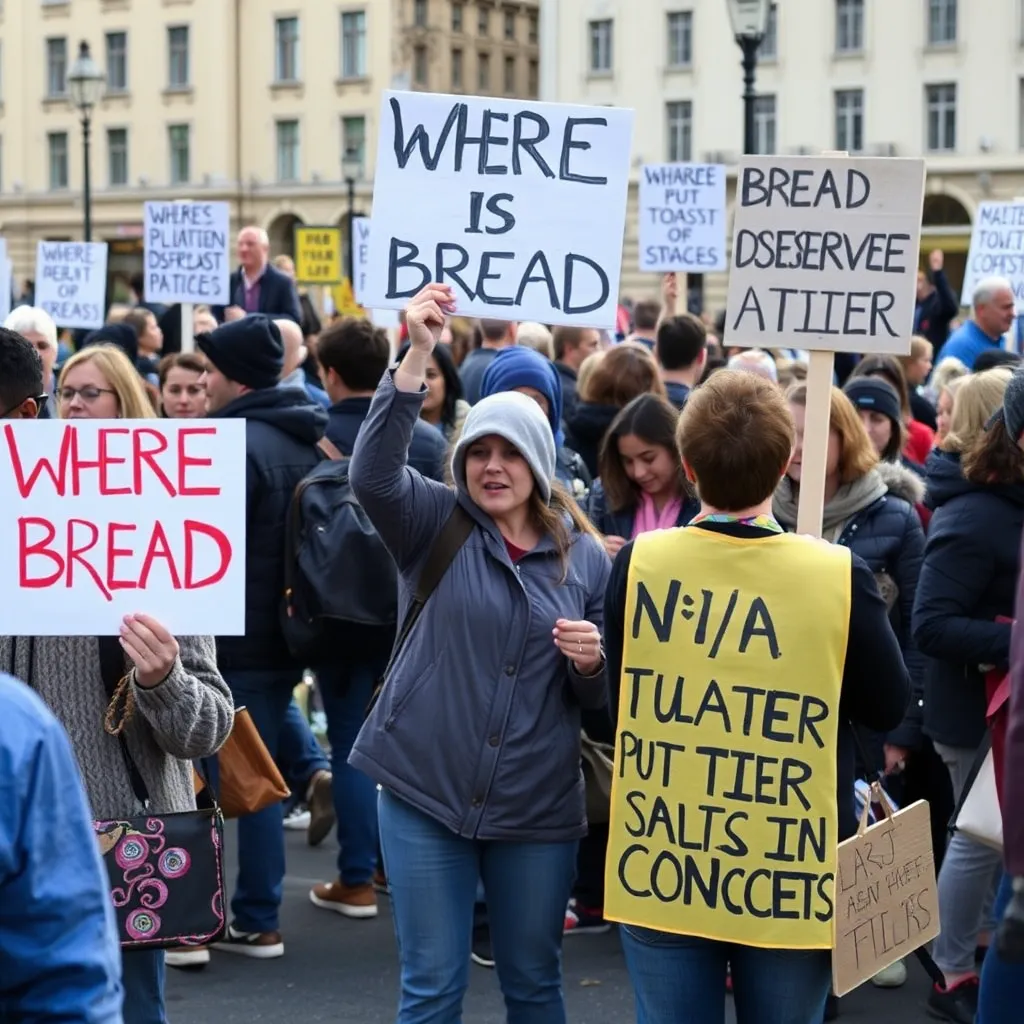
Within minutes of publication, the Universal Tier List inspired:
A new list ranking “All Tier Lists”
A counter-list ranking “The Universal Tier List’s Methodology”
An emergency referendum on whether “coffee” belongs in C tier or is “secretly S tier with anxiety”
A 900-page thread arguing that “mosquitoes are actually F tier”
A civil war in the comments over whether “windows” should be A tier because “sunlight is basically free serotonin”
The UTL committee has already announced a sequel titled “Everything, Ranked Again (Director’s Cut)”, promising improved categories, clearer definitions, and a special “N/A tier” for items like “the concept of a concept” and “that thing you were about to say before you forgot.”
As Dr. Quibbleton closed the press conference, she offered a hopeful message:
“Yes, it’s absurd,” she said. “But in a world that can’t agree on facts, we agreed on a spreadsheet. And that’s… something.”
She paused, then added:
“Also, whoever put ‘math’ in C tier: we will be finding you. With equations.”