Breaking: Critical Cloudflare Flaw Allowed Users to Access Websites They Wanted, Experts Horrified
SAN FRANCISCO—In what cybersecurity professionals are calling “the worst day for the modern internet since someone invented the Back button,” Cloudflare confirmed a critical flaw that, for a brief and terrifying window, allowed users to access websites they actually intended to visit.
The bug—dubbed CVE-2026-WHY-IS-IT-WORKING by people who immediately regretted giving it a name—caused browsers to load pages without first forcing visitors to complete 2,147,483,648 captchas, wait five hours to “verify connection security,” and then be denied anyway for reasons that can only be described as “the vibes were off.”
“I clicked a link and it just… opened,” said one shaken user, who asked to remain anonymous out of fear that his ISP would hear and add an additional authentication step. “No checkbox asking if I’m a robot. No traffic light photos. No ‘stand by while we confirm you’re not a pack of feral scripts.’ Just content. I felt unsafe.”
Cloudflare, which has spent years fine-tuning the modern web browsing experience into an artisanal obstacle course, said it is treating the issue with the highest urgency.
“We take our customers’ friction very seriously,” said a spokesperson. “Any unapproved reduction in inconvenience is a breach of our core values.”
The Bug That Bypassed the Internet’s Primary Defensive Strategy: Annoying Everyone
According to preliminary reports, the flaw triggered a catastrophic cascade of usability. Visitors were able to:
Open webpages on the first attempt
Remain logged in without ritual sacrifice
Read articles without performing three-dimensional chess against a rotating cube
Avoid being accused of suspicious behavior for scrolling “too confidently”
Security researchers say the greatest threat wasn’t data exposure, but the possibility that users might enjoy themselves.
“This could have undermined decades of work,” explained Dr. Nadine Kertz, Senior Fellow at the Institute for Pointless Hardening. “If people can access websites conveniently, they may start expecting the same from banks, healthcare portals, and government services, which would destabilize society.”
Users Report Immediate Symptoms of Smooth Browsing
On social media, some users described acute side effects including mild relief, reduced blood pressure, and the unsettling sensation of not being personally hated by the internet.

One user expressed outrage at the ordeal:
“This fucking sucks. I hate it when I can simply open website and look at whatever I want, instead of staring at cloudflare proxy error page /s.”
The user later clarified that the sarcasm marker was included purely out of habit—“like a captcha, but emotional.”
Cloudflare Engineers Race to Restore Proper Levels of Suffering
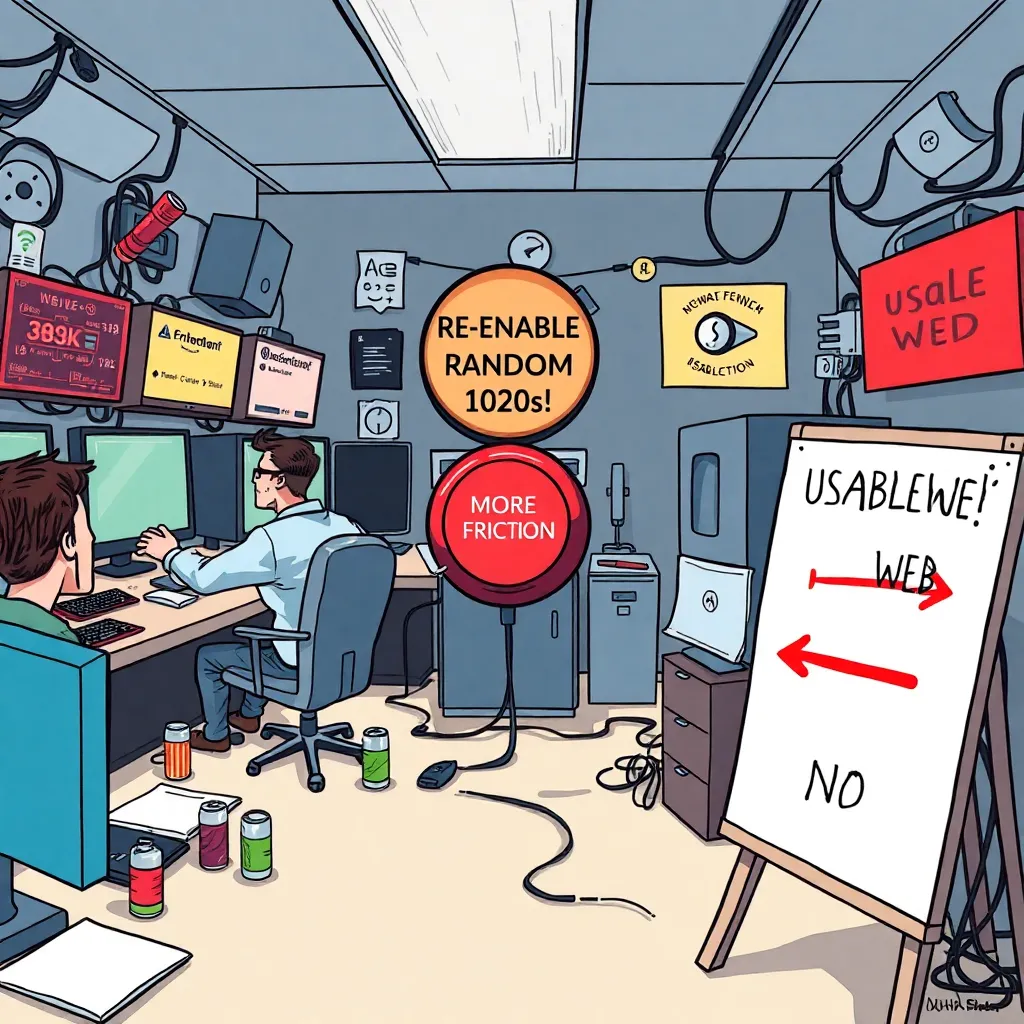
Cloudflare’s incident response team initiated emergency protocols to reintroduce expected failures. At least one engineer was reportedly seen pushing a large red button labeled “RE-ENABLE RANDOM 1020s” while another rebooted a hamster wheel powering the “Checking your browser before accessing…” page.
Sources close to the company say the fix includes:

Increasing wait times from “a few seconds” to “long enough to question your life choices”
Requiring captcha solutions to be notarized
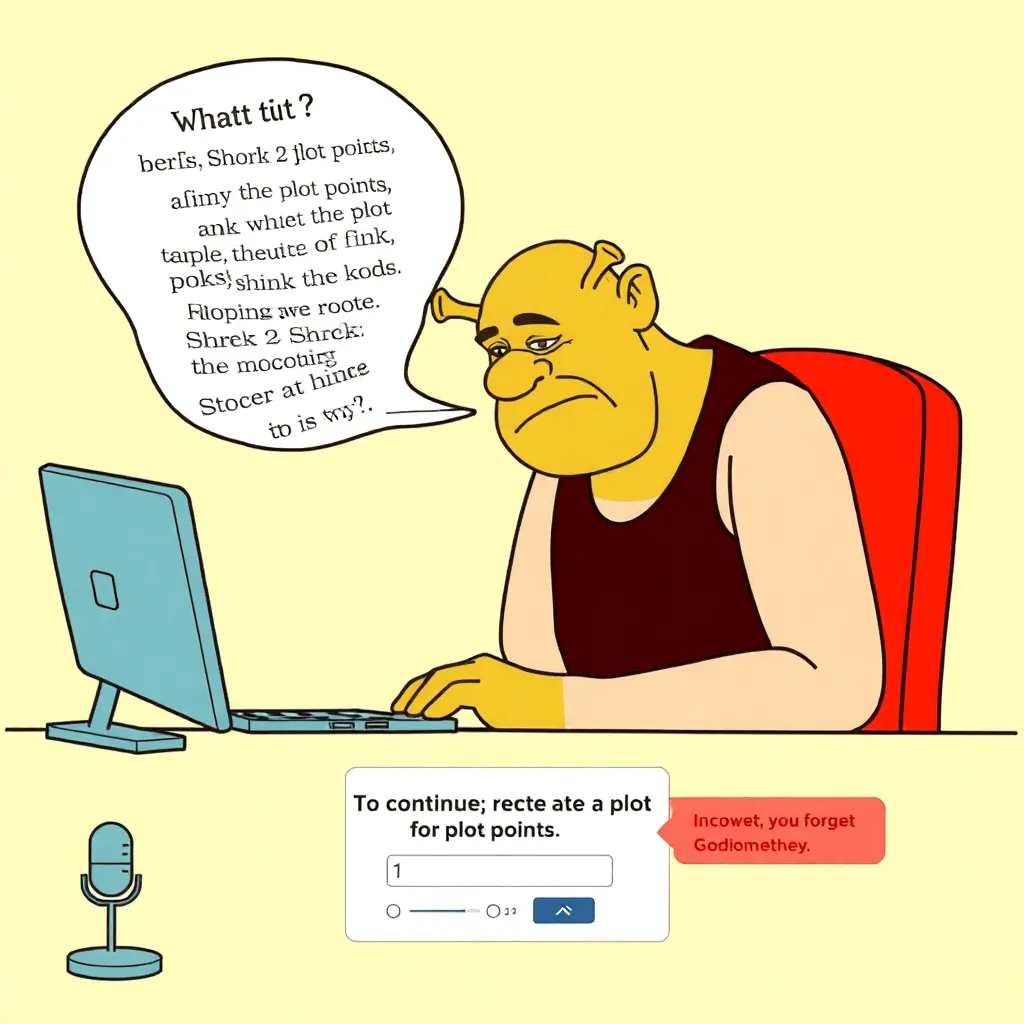
Introducing a new “Proof of Humanity” feature where users must recite the plot of Shrek 2 from memory
Automatically flagging anyone who clicks a link without hesitation as “definitely a bot”
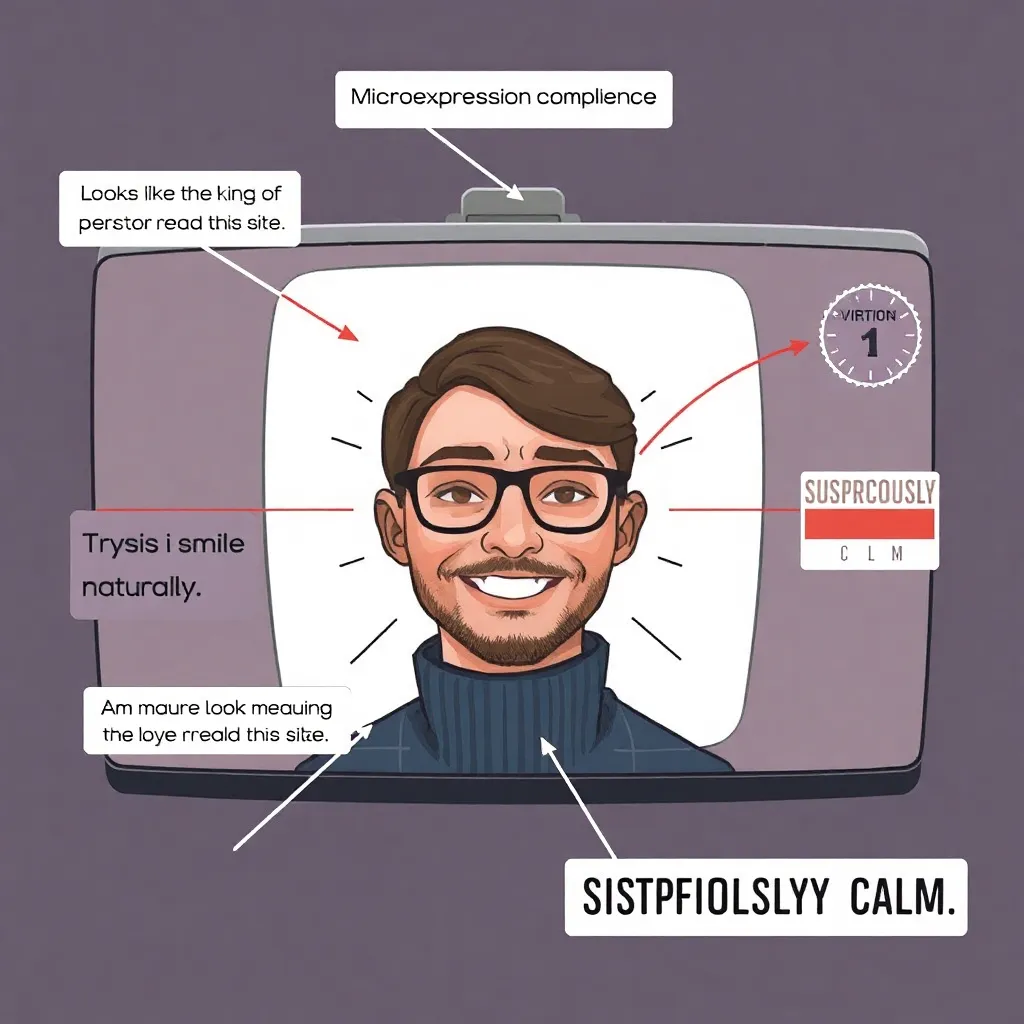
The company also unveiled a limited beta of Turnstile+, described as “captcha-free,” which will verify users by analyzing their microexpressions through their webcam and determining whether they “look like the kind of person who would read this site.”
Local Website’s Anti-Foreigner Protection Accidentally Blocked Locals Instead, Achieving True Neutrality
In a separate but related nightmare, the flaw reportedly caused widespread disruption to geo-based access control—particularly among small local websites configured to block foreign visitors to prevent VPN usage.
Instead, the system performed an innovative pivot: the only reliable way for locals to access the site was through a VPN.
“This local website set to deny any connection from foreign country, to prevent usage of vpn,” said one baffled resident. “Turns out that vpn is the only way to access this site now.”
Network analysts say the configuration created a bold new approach to digital sovereignty, in which a country maintains control over its internet by ensuring nobody inside it can use it.
“This is actually quite forward-thinking,” said a consultant who charges $900/hour to say things like that. “By requiring VPN access for local services, the site ensures everyone is technically foreign, which simplifies the logic.”
The website administrators reportedly responded by adding an additional banner: “IF YOU ARE LOCAL, PLEASE LEAVE AND COME BACK FROM SOMEWHERE ELSE.”

Security Community Divided: Is This a Vulnerability or a Feature?
While Cloudflare classified the incident as “critical,” some users questioned whether effortless access might be beneficial.
“I don’t know,” said a web developer who hasn’t seen sunlight since 2019. “It was kind of nice to click a link and get information. But then I started thinking: what if the internet becomes… usable? That’s a slippery slope.”

Others suggested the event represented an existential threat to online advertising.
“If people can access websites without friction,” warned one marketing executive, “they might spend less time staring at our loading screens, which reduces impressions and potentially forces us to create ads people actually want. That’s not the world we’re trying to build.”
Cloudflare Promises Full Postmortem, Mostly to Remind Everyone It Was Bad
Cloudflare says it will publish a detailed post-incident report, including timelines, root cause analysis, and a section titled “How We Will Ensure This Never Happens Again.”
Early drafts reportedly include corrective measures such as:
Randomly assigning visitors the legal identity of a bot
Requiring two-factor authentication to view the cookie banner
Mandatory “Are you sure?” prompts after every scroll
A new feature that detects if you’re trying to read quickly and slows the page down out of concern for your wellbeing

“We deeply regret that some users were exposed to content without adequate hardship,” the spokesperson said. “We are committed to returning the web to its natural state: an anxious negotiation between humans and hostile rectangles.”
What You Can Do If You Were Affected
Cloudflare recommends that anyone who experienced direct access to a website take the following steps:
Clear your cache and cookies to remove any lingering sense of competence
Restart your router to reintroduce uncertainty
Attempt to visit the same page again until you receive a vague error message
If the website loads successfully, immediately close the tab and report yourself
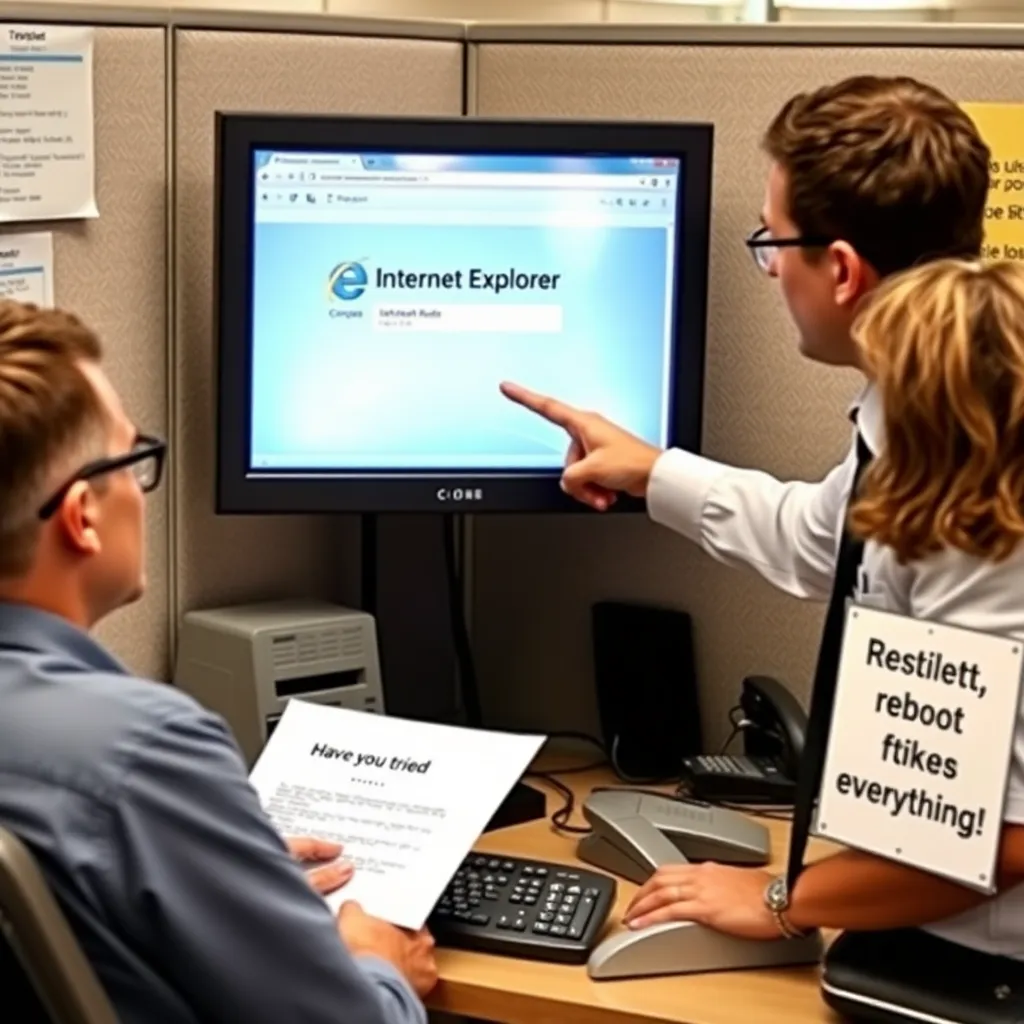
Users who continue to experience smooth browsing are advised to contact their nearest IT department, where a trained professional can restore normal conditions by asking:
“Have you tried opening it in Internet Explorer?”
At Press Time, Internet Restored to Normal After System Detects a User Smiling
As of publication, Cloudflare confirmed the issue has been mitigated after its systems detected a user successfully reading an article without interruption, triggering an automated rollback to the safer, more familiar environment of endless verification loops.
Relieved netizens across the globe have returned to their daily routines: clicking “I am not a robot,” selecting bicycles in 16 tiles, waiting for a spinning circle to complete its spiritual journey, and being told they are “temporarily blocked” for their own protection.
Experts say the internet is secure again—because nobody can get to it.