Government Announces “We’ve Seen Enough Ocean,” Orders Scientists To Stop Looking At Wet Things Immediately
By The Wibble Ocean Desk (Now Reluctantly Coastal)
In a bold new stride toward national peace of mind, the Department for Keeping Everyone Calm has issued an emergency directive instructing all marine scientists, explorers, documentarians, and “people who own submarines for reasons” to stop exploring the ocean at once, citing “diminishing returns,” “unnecessary nightmares,” and “the fact that we already invented crab.”
The announcement follows a growing public campaign arguing that humanity has sufficiently identified the sea’s only meaningful outputs—food that tastes good when fried and views that look nice from a safe distance—and that any further exploration is merely “curiosity theatre” that risks awakening creatures best left in whatever trench they currently haunt.
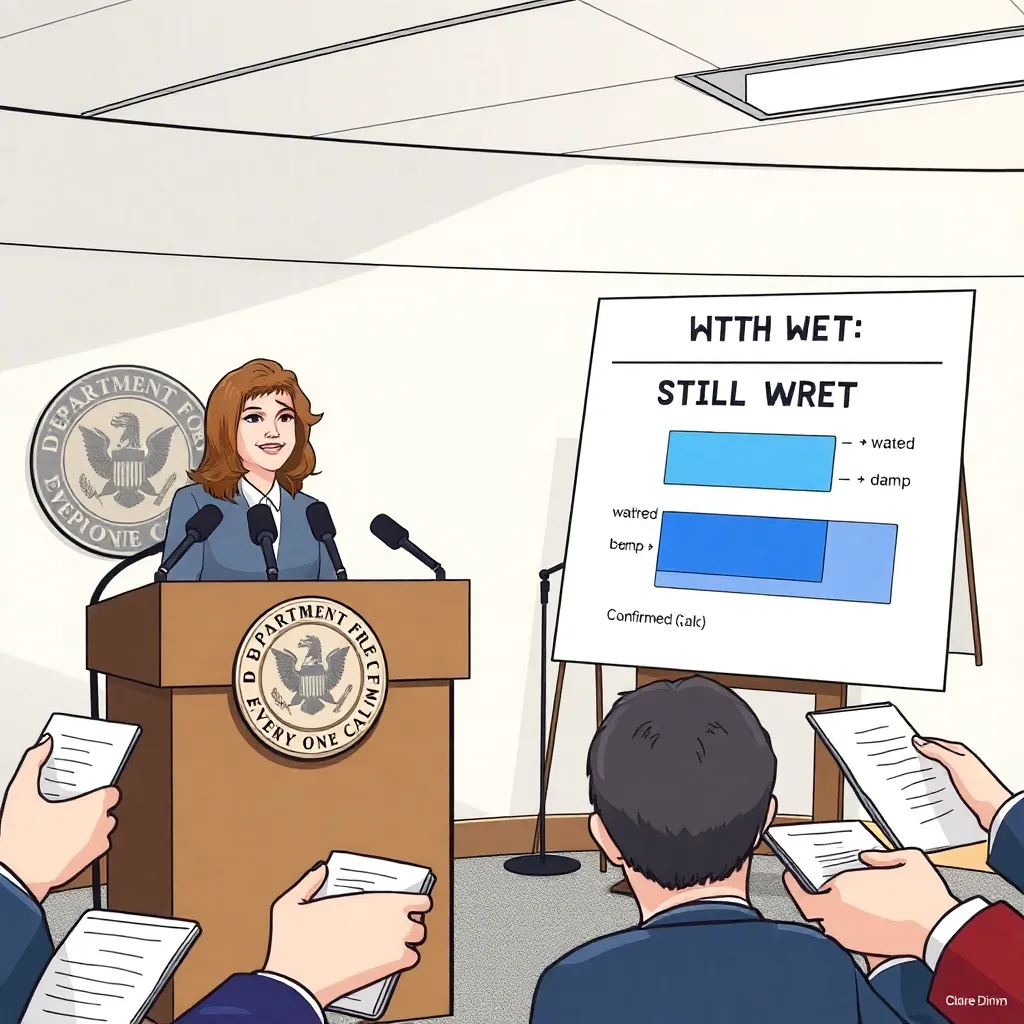
“We know what water is,” said spokesperson Claire Dimm, standing beside a large government infographic labelled WATER: STILL WET. “We understand the concept. It’s the thing in the sea. We’ve nailed it. Everything else is extra.”
“We Already Found Everything That Tastes Good”
A central pillar of the new policy is the government’s claim that culinary discovery in the ocean is functionally complete. According to the official report—The Comprehensive Inventory of Good Crunchy Sea Bits (2026 Edition)—humans have already located the sea’s most important contributions:
Crab
Fried shrimp
“That other thing you get in a basket that is mostly batter”
Salt (technically from the ocean’s vibe)
“Look, we found crab,” said Dimm, as if this ended the debate on marine science in the same way the invention of fire ended the need for weather forecasts. “At what point do we admit victory?”
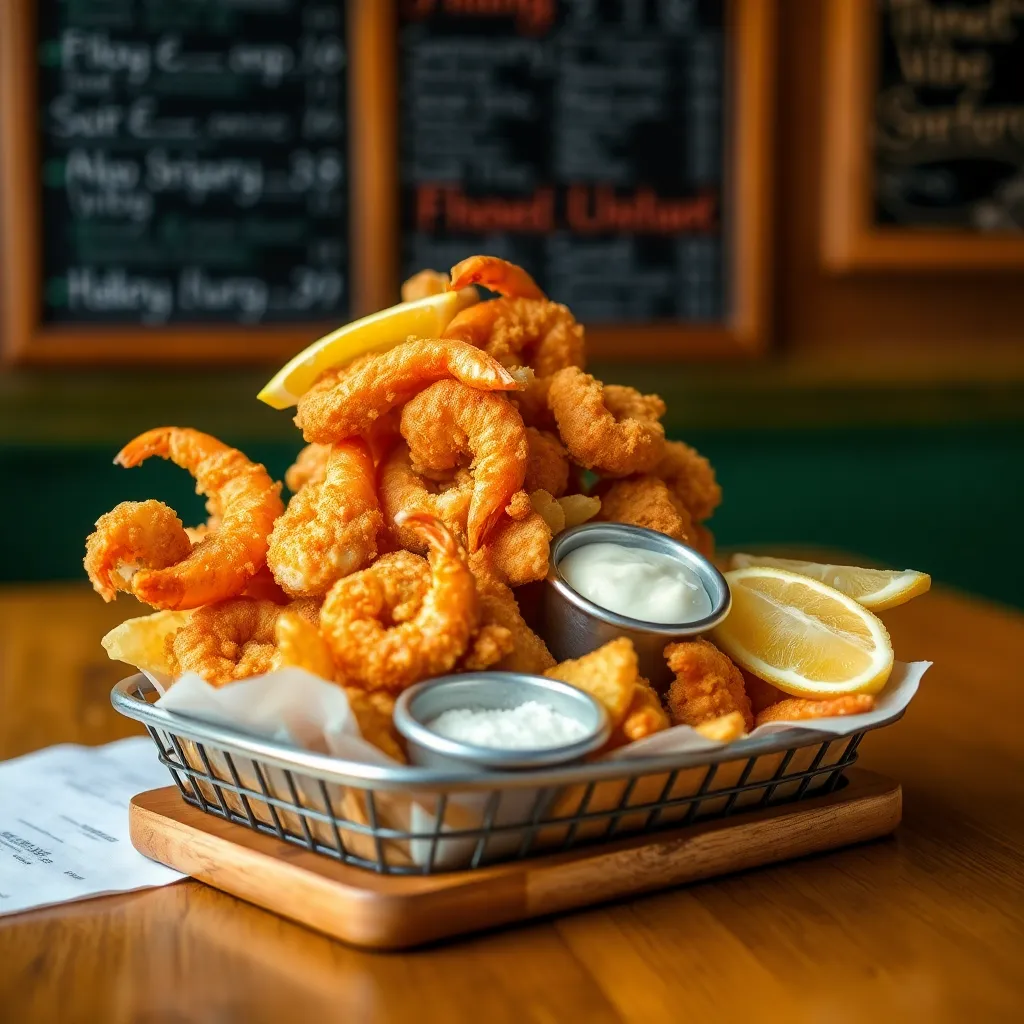
When asked about seaweed, the spokesperson replied, “That’s just the ocean’s lawn. And we’re not eating lawn.”
A Humane Proposal: Let 12,000 Undiscovered Jellyfish Die In Peace
The directive has been framed by ministers as an act of compassion toward undiscovered species—particularly the estimated 12,000 jellyfish varieties that scientists insist may exist.
“We are being asked to bring them into the light,” said Environment Minister Paul Rigg, “only for them to be immediately photographed, named after a donor’s yacht, and described as ‘disturbing’ by every news outlet. Is that the life we want for them?”
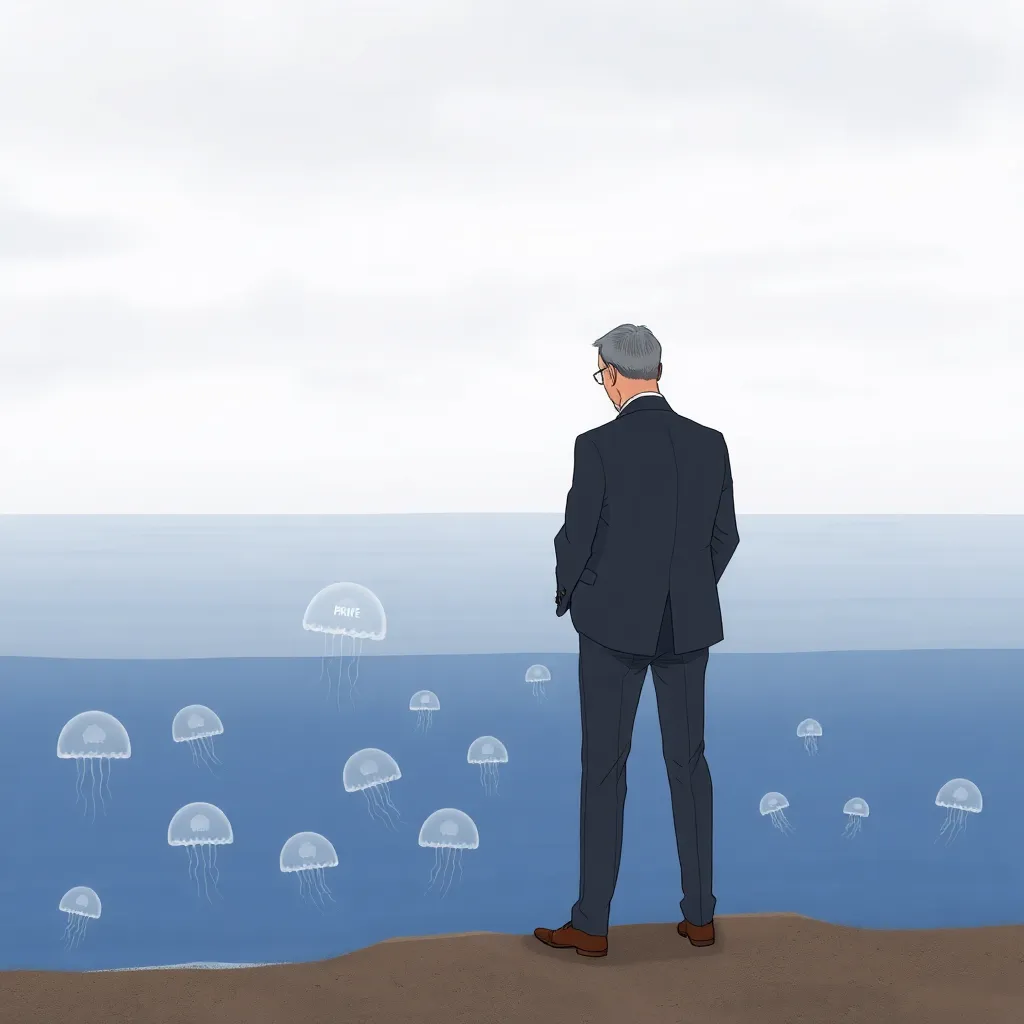
Rigg clarified that the government is not “anti-jellyfish,” but “pro-jellyfish privacy.”
“These creatures didn’t consent to being perceived,” he said, making direct eye contact with the sea as though it had filed a complaint.
The new guidance also recommends that any previously discovered jellyfish be referred to as “existing jellyfish,” to prevent public panic that the ocean is “still making more.”
Thalassophobic Horrors To Be Left Where They Belong
Perhaps the most popular element of the policy is its explicit promise to keep thalassophobic horrors in their natural habitats, rather than “dragging them up into the timeline.”
The government’s internal risk assessment notes that continued exploration may lead to discoveries such as:
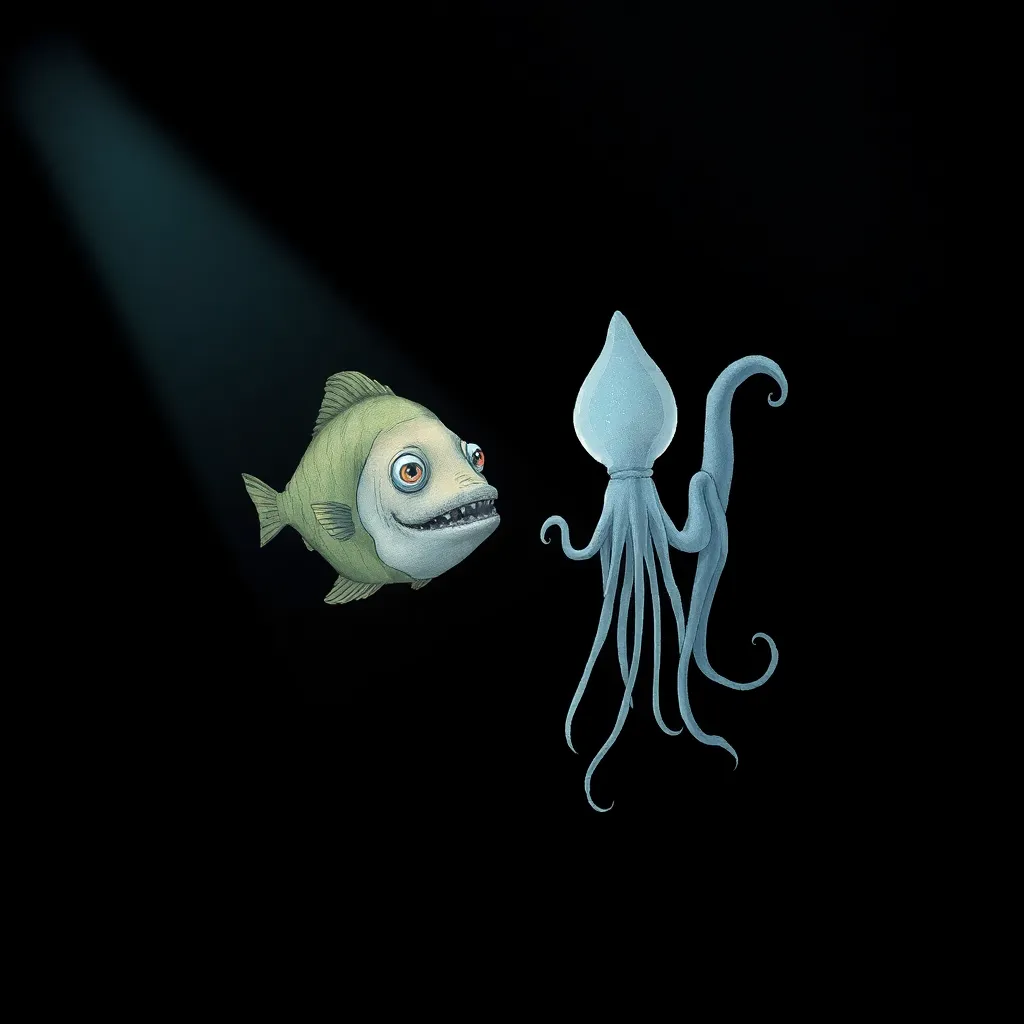
A fish with a face that suggests it knows your secrets
A shrimp that is “too enthusiastic”
A squid with elbows
A creature described only as “a wet chandelier”
Anything translucent with intentions
The report warns that the ocean is “already doing too much,” and that exploring it further is “like checking the basement at night because you heard a noise and you’ve seen films.”
“Not everything needs to be understood,” said Rigg. “Some things need to be left alone in the dark, where they can’t become a children’s animation franchise.”
Ocean Exploration Rebranded As “Optional Anxiety”
Under the new program, current funding for deep-sea missions will be reallocated to calmer pursuits, including:
Coastal picnics
Looking at ponds
Studying clouds (which are water but socially acceptable)
A national initiative to perfect chips
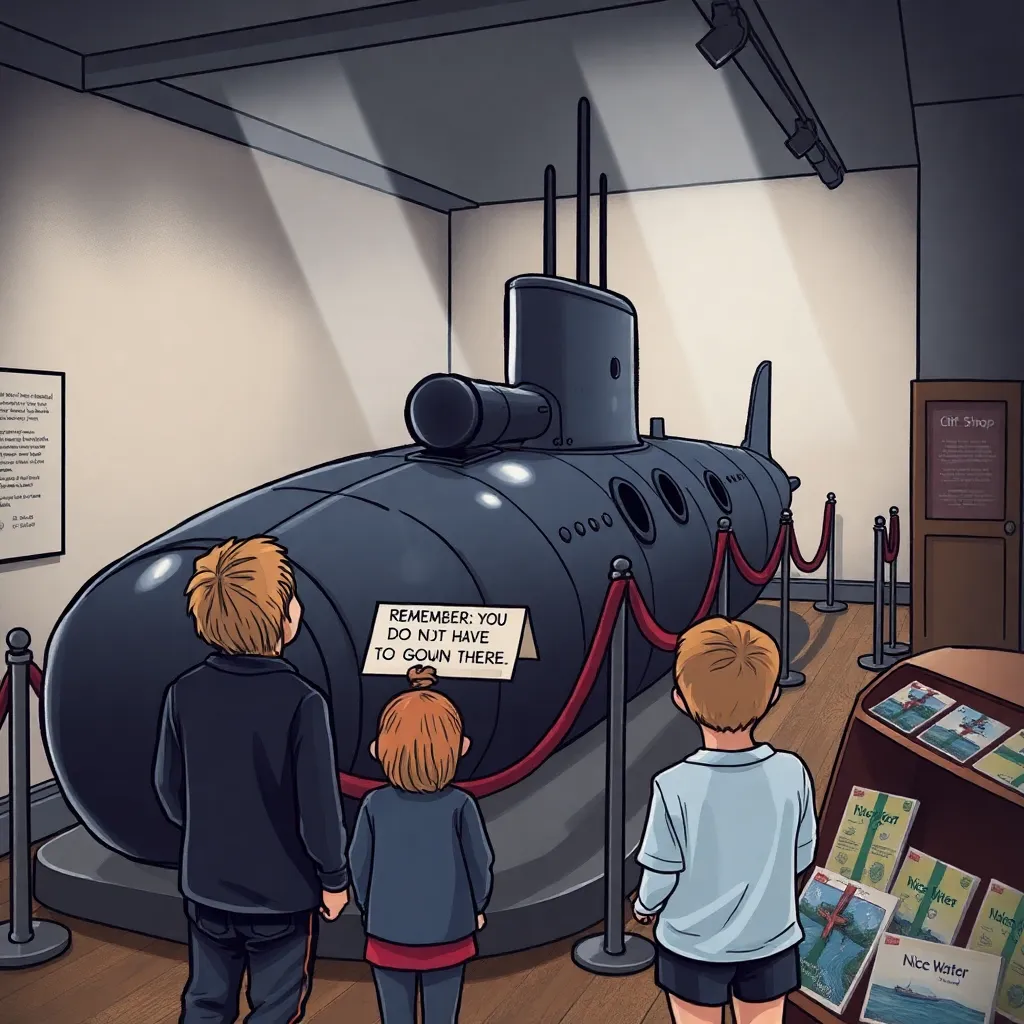
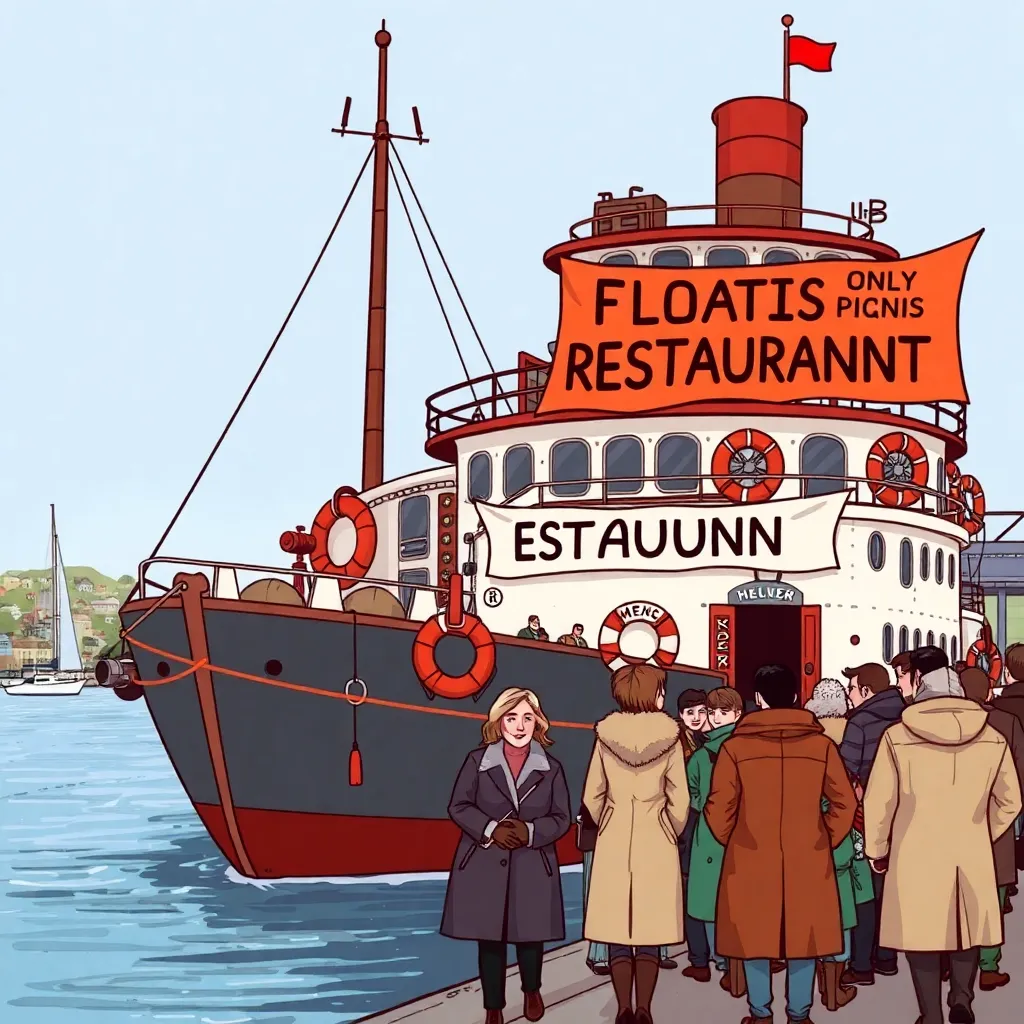
Marine research vessels will be converted into “floating restaurants” serving “the only two seafood items people actually order without hesitation,” and submarines will be repurposed into motivational exhibits reminding citizens that “you don’t have to go down there.”
One minister privately described deep-sea exploration as “a hobby for people who can’t relax,” adding, “We have enough trouble with people doing cold plunges. We do not need trench plunges.”
Scientists Furious, Then Immediately Asked To Stop Being So Curious
The scientific community has reacted with predictable outrage, calling the directive “anti-intellectual,” “deeply irresponsible,” and “written by someone who thinks whales are fish.”
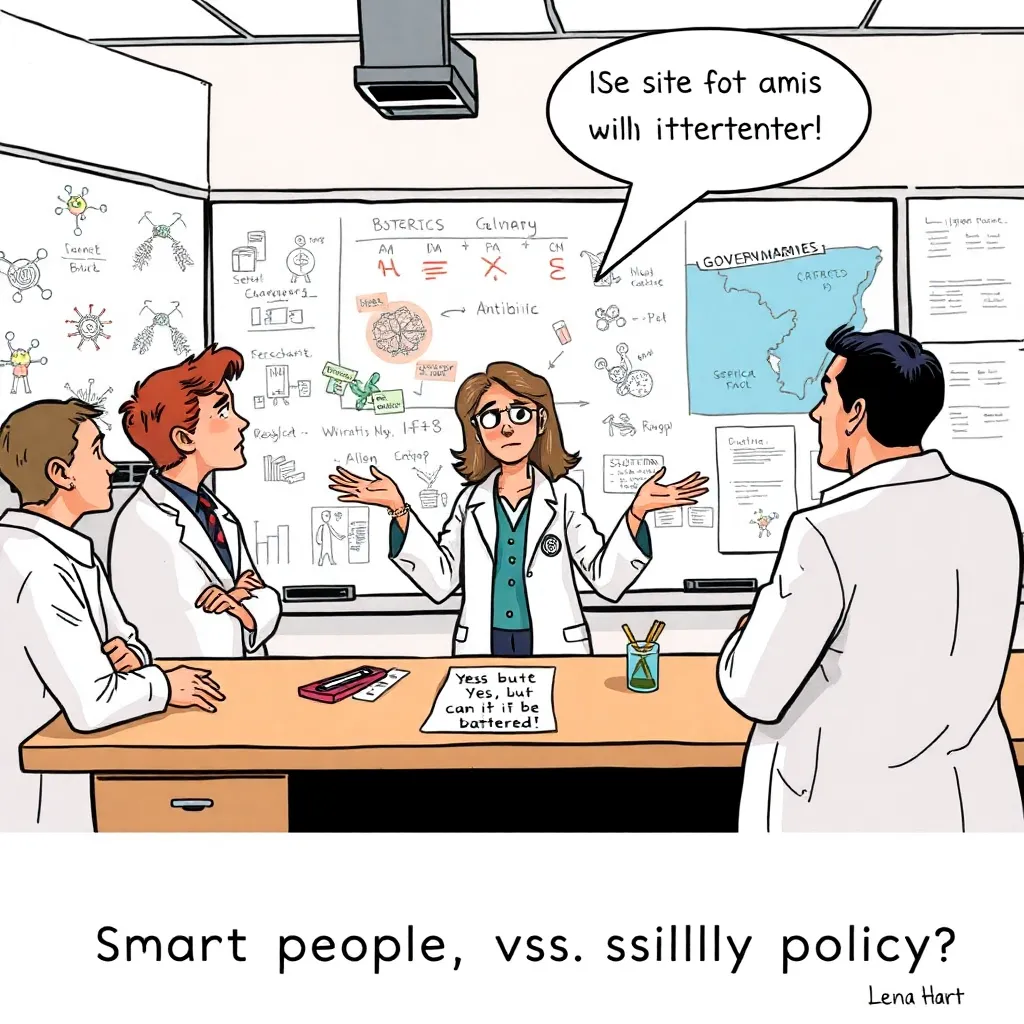
Professor Lena Hart of the National Oceanographic Institute argued that deep-sea exploration has led to major medical and technological advances.
“We’ve developed new antibiotics, advanced robotics, and materials science breakthroughs from studying marine organisms,” she said. “The ocean contains biodiversity and knowledge we haven’t even begun to understand.”
Government officials responded by nodding politely and asking, “Yes, but have any of those breakthroughs been battered and served with tartar sauce?”
When Hart insisted that exploration is essential for understanding climate change and ecosystem health, the government issued a follow-up memo reading: “We can understand climate change without meeting the demon fish that lives at 8,000 metres.”
The Official Depth Limit: “Whatever You Can See Without Thinking About It”
A new set of national “Ocean Boundaries for Mental Wellbeing” will restrict ocean interaction to safe, normal depths.
Approved activities include:
Wading
Snorkelling in water that is still the same colour as the sky
Looking at the sea while holding a warm drink
Taking a boat “where you can still hear other humans”
Prohibited activities include:
Going anywhere the sunlight can’t maintain control
Encountering pressure levels that would crush your body into a coin
Observing creatures that appear to be made of regret
Any expedition that requires the phrase “point of no return”
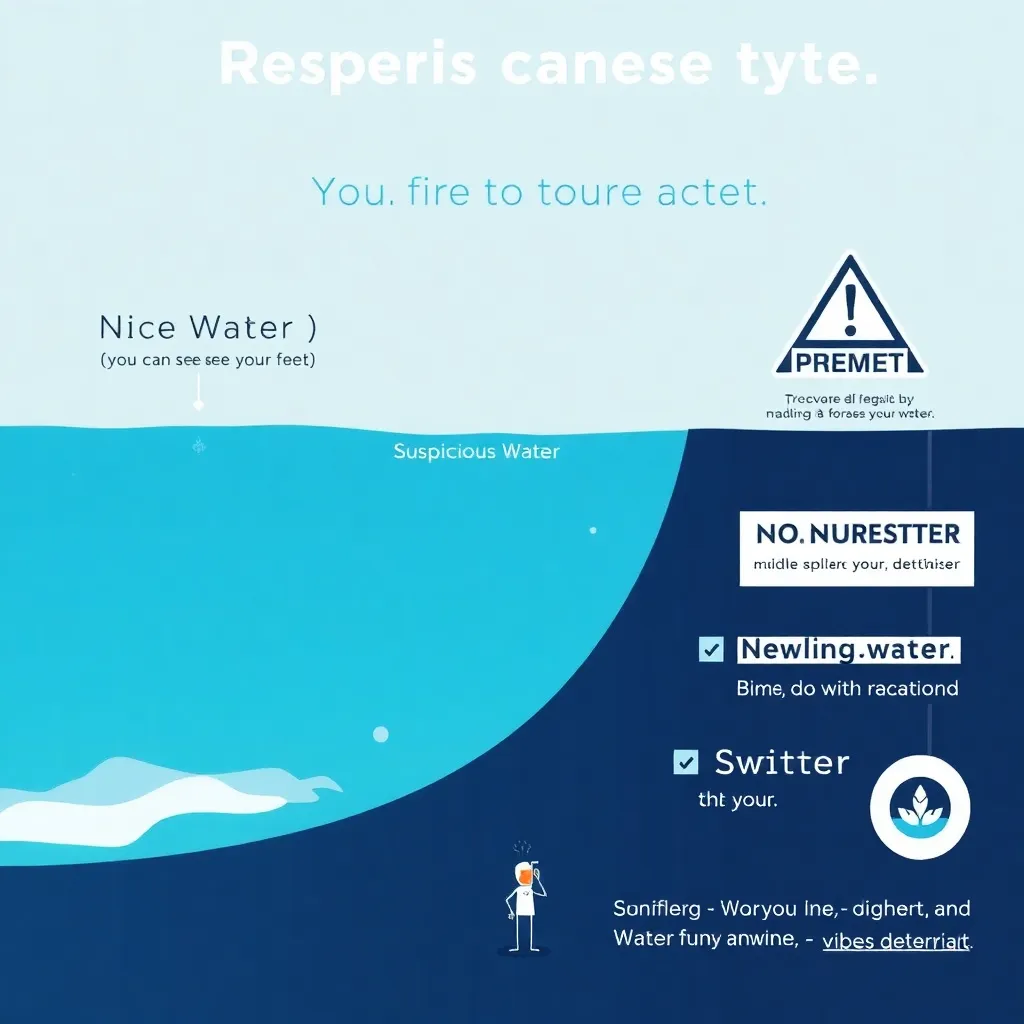
The policy introduces a formal classification system for ocean zones:
Nice Water – you can see your feet
Suspicious Water – you can’t see your feet but the vibes are manageable
No Thank You Water – anything beyond that
Marine Documentaries To Be Replaced With “Beach That Exists, Nothing Else Happens”
Streaming platforms have already begun adapting, with several nature documentary producers announcing a pivot away from deep-sea content.
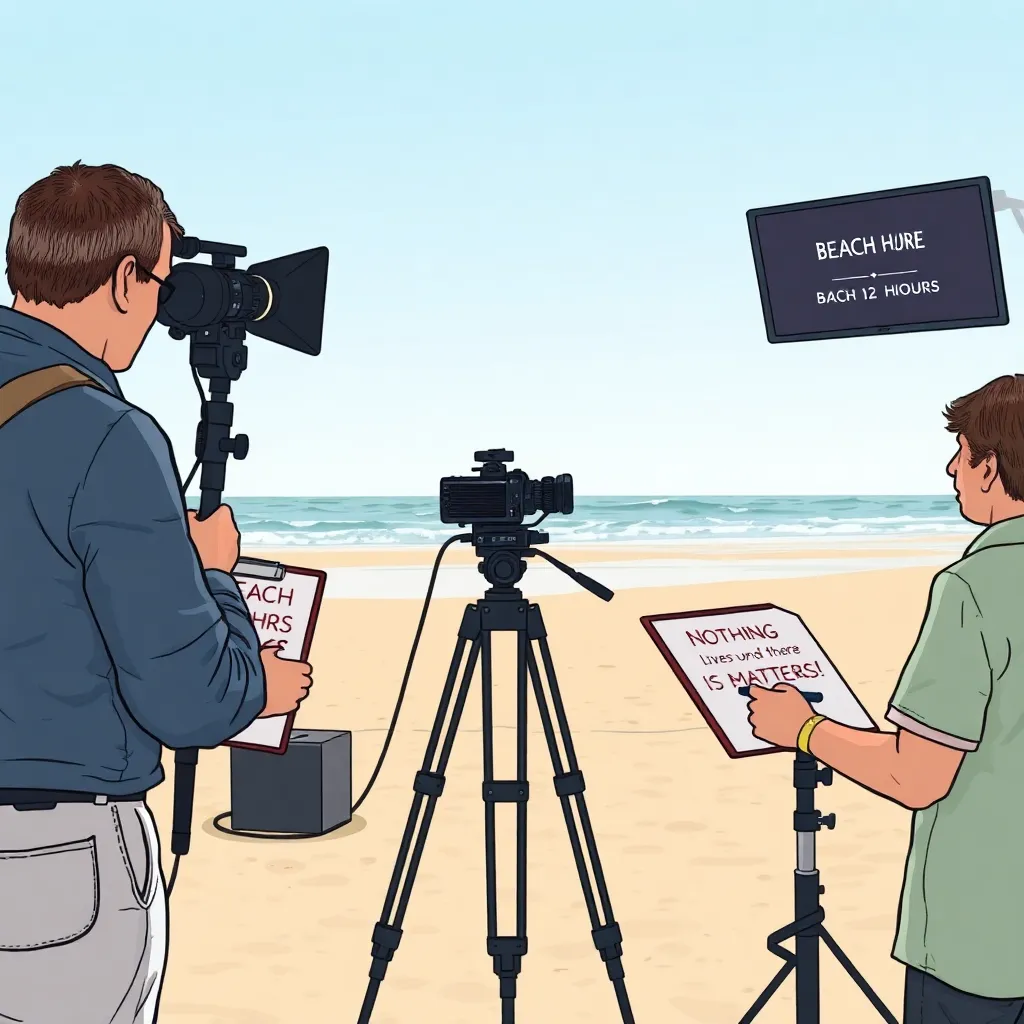
“We’ve been told audiences don’t want ‘Alien Mouth, Episode 4,’” said one producer. “So we’re launching a new series called Beach. It’s 12 hours of sand, a calm wave loop, and a narrator whispering, ‘Nothing lives under there that matters.’”
Attenborough-style narration will be updated accordingly:

“Here we see the ocean. It is large. We are not going in.”
A Compromise: Explore The Ocean Only After It Agrees To Be Normal
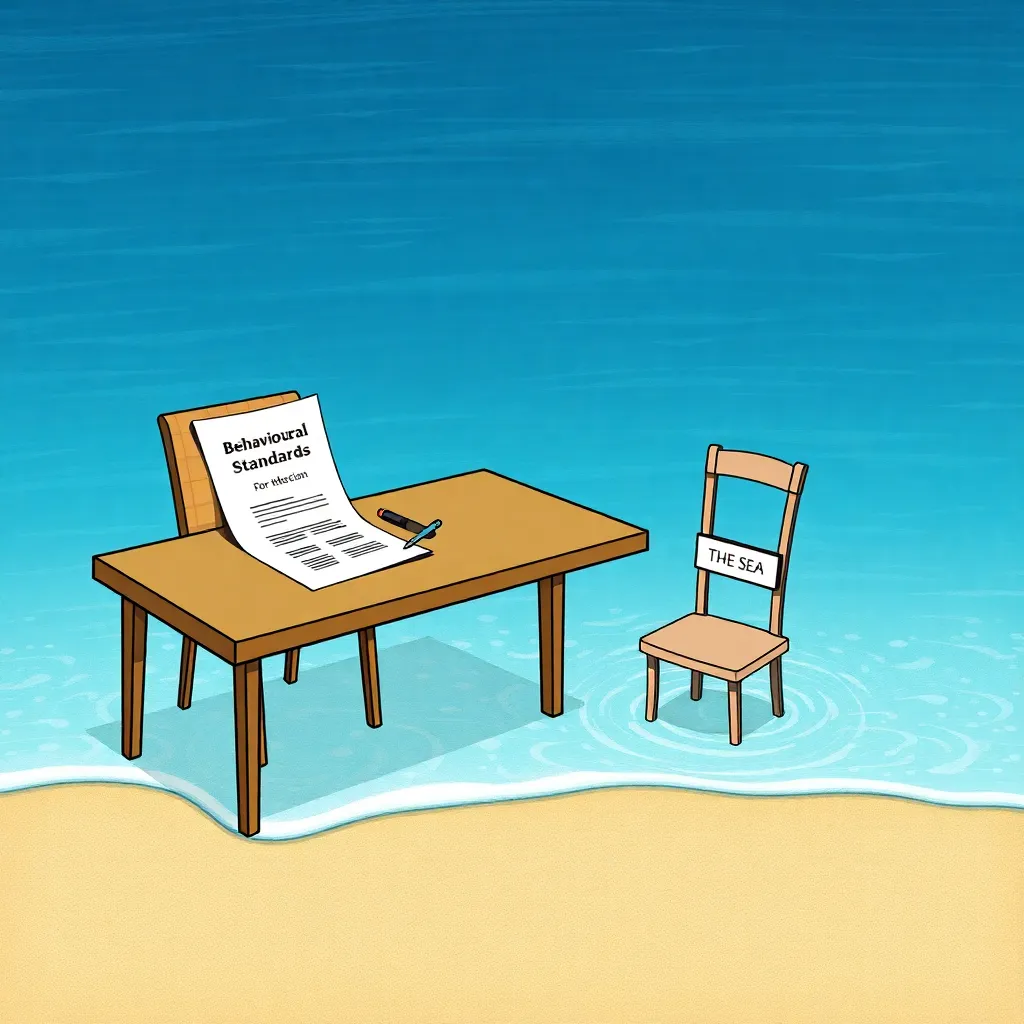
In an attempt to appear reasonable, officials have offered a compromise: exploration may resume when the ocean agrees to a set of behavioural standards, including:
Stop making fish see-through
Replace all teeth with “friendlier shapes”
No more bioluminescence “unless it’s festive”
The Mariana Trench must provide a written explanation of itself
A formal invitation has been extended to the sea to attend peace talks, but sources say it remains “silent, immense, and doing whatever it wants,” which experts describe as “classic ocean behaviour.”
Public Reaction: “Finally, A Policy That Respects My Imagination”
The directive has been widely applauded by the general public, particularly those who believe the ocean should function primarily as a backdrop for holidays.
“I don’t want to know what’s down there,” said local resident Hannah Price. “Every time someone discovers a new deep-sea creature, it looks like a cursed lamp and makes me feel like the planet is haunted.”
Others welcomed the government’s honesty.
“It’s refreshing,” said Mark Ellis, staring at the horizon with the intensity of someone avoiding eye contact with infinity. “We’ve spent too long pretending we’re brave. We’re not. We eat crab and we fear the rest.”
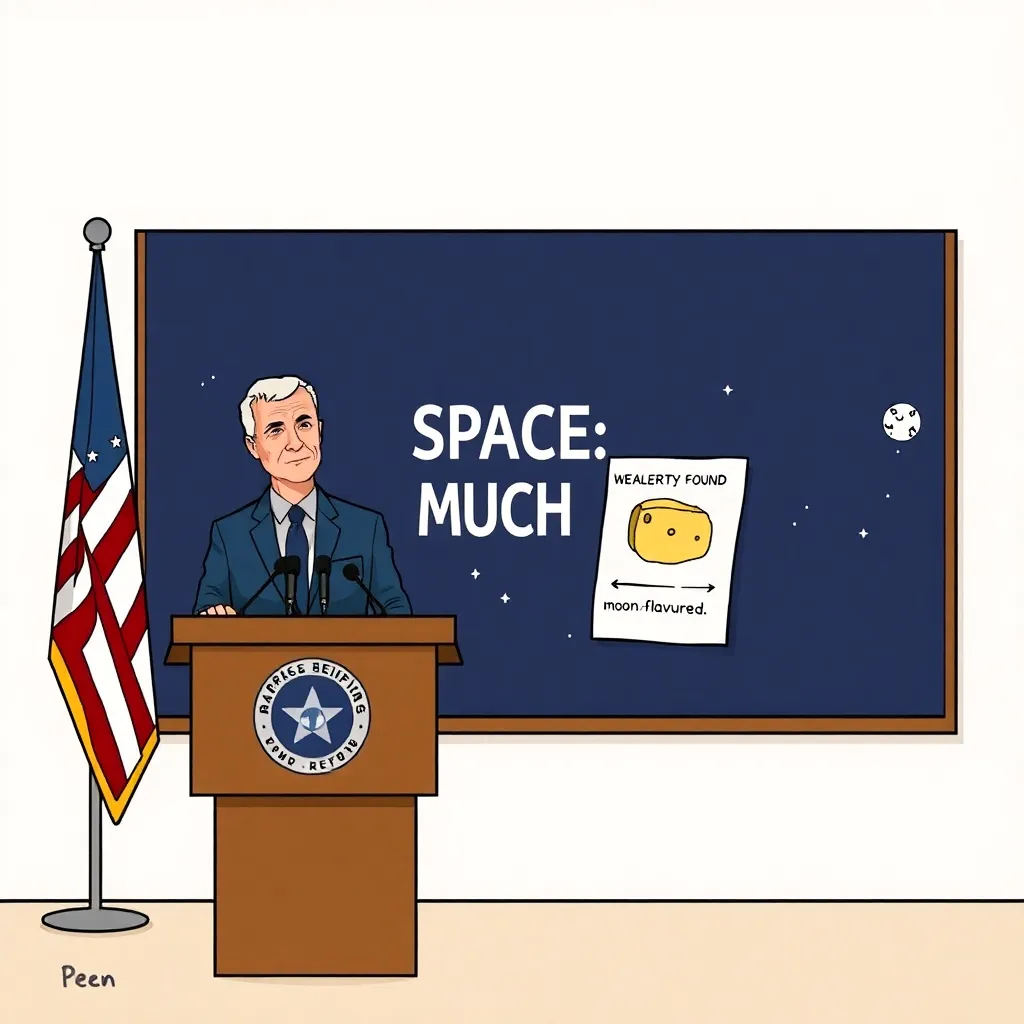
At press time, the Department for Keeping Everyone Calm was preparing a second directive entitled STOP EXPLORING SPACE, citing similar concerns including “too much darkness,” “unsettling silence,” and “the fact we already found cheese, which is basically moon-flavoured anyway.”
In the meantime, citizens are encouraged to enjoy the ocean responsibly: admire it, respect it, and above all, do not give it reasons to introduce itself more formally.