World Economists Confirm April 20 “Economic Rapture” Will Again Delete Money, Nullify Products, And Charge Everyone For Existing
LONDON — With the reassuring calm of people who have already ordered laminated lanyards that say MACRO, global economists have confirmed that April 20 will once again host the annual “Major Economic Collapse Happening Specifically On This Day,” a dependable tradition in which entire economies die, products become void, money loses the will to be money, and simply existing costs more than whole-world GDP.
Experts stress that the event, often referred to in technical circles as The Filter, will not impact any other date on the calendar, and that every non–April 20 day remains a normal business day where nothing unusual happens beyond routine market chaos, occasional recessions, and the mild collapse of consumer optimism.
“On April 19, you can sell a chair,” said Professor Helena Grubb of the International Institute for Predictable Catastrophes. “On April 20, the chair becomes conceptually illegal. By April 21, it’s a chair again, like nothing happened. This is just sound economics.”
The Global Economy Braces For the One-Day Apocalypse It Schedules Every Year

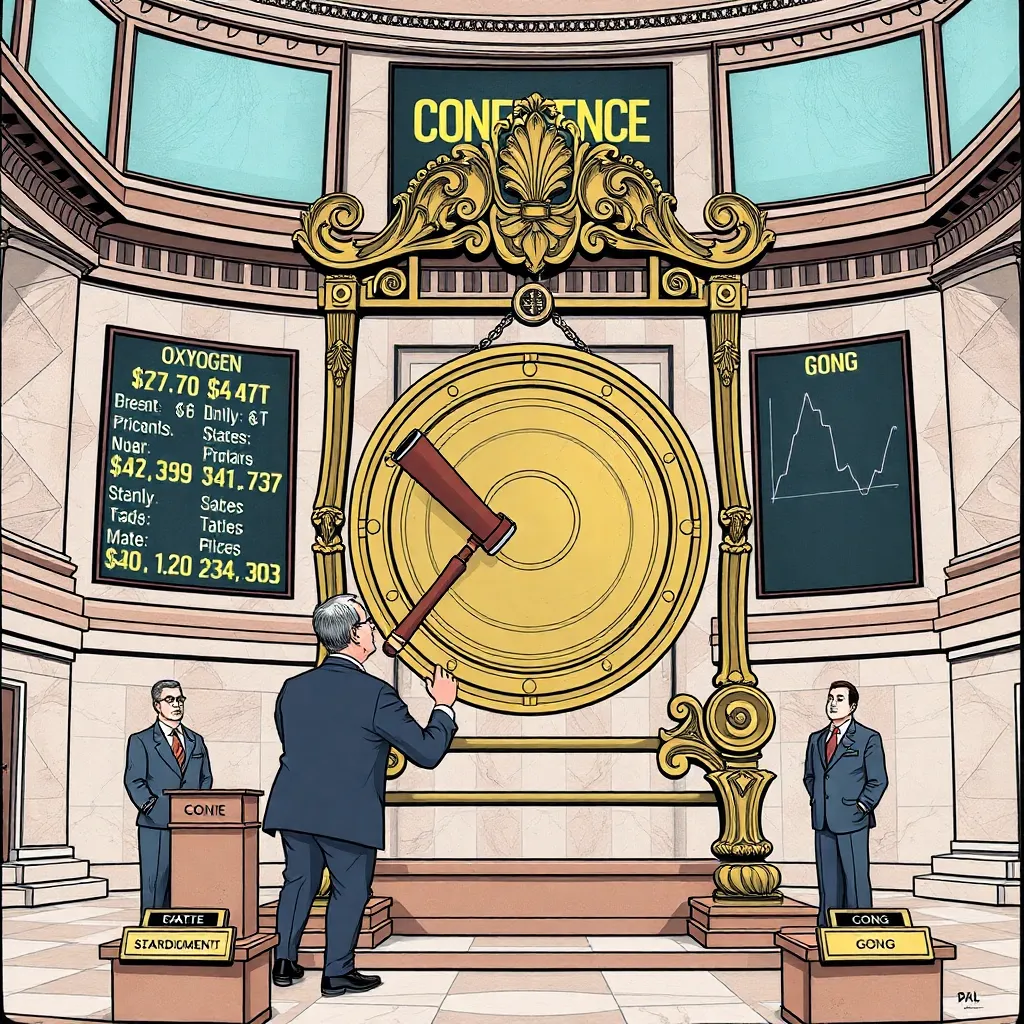
In a joint statement, central banks confirmed they are prepared to respond with a mixture of rate adjustments, strongly worded feelings, and the ceremonial banging of a large gong to remind markets that confidence is important even when the price of air briefly exceeds the combined output of civilization.
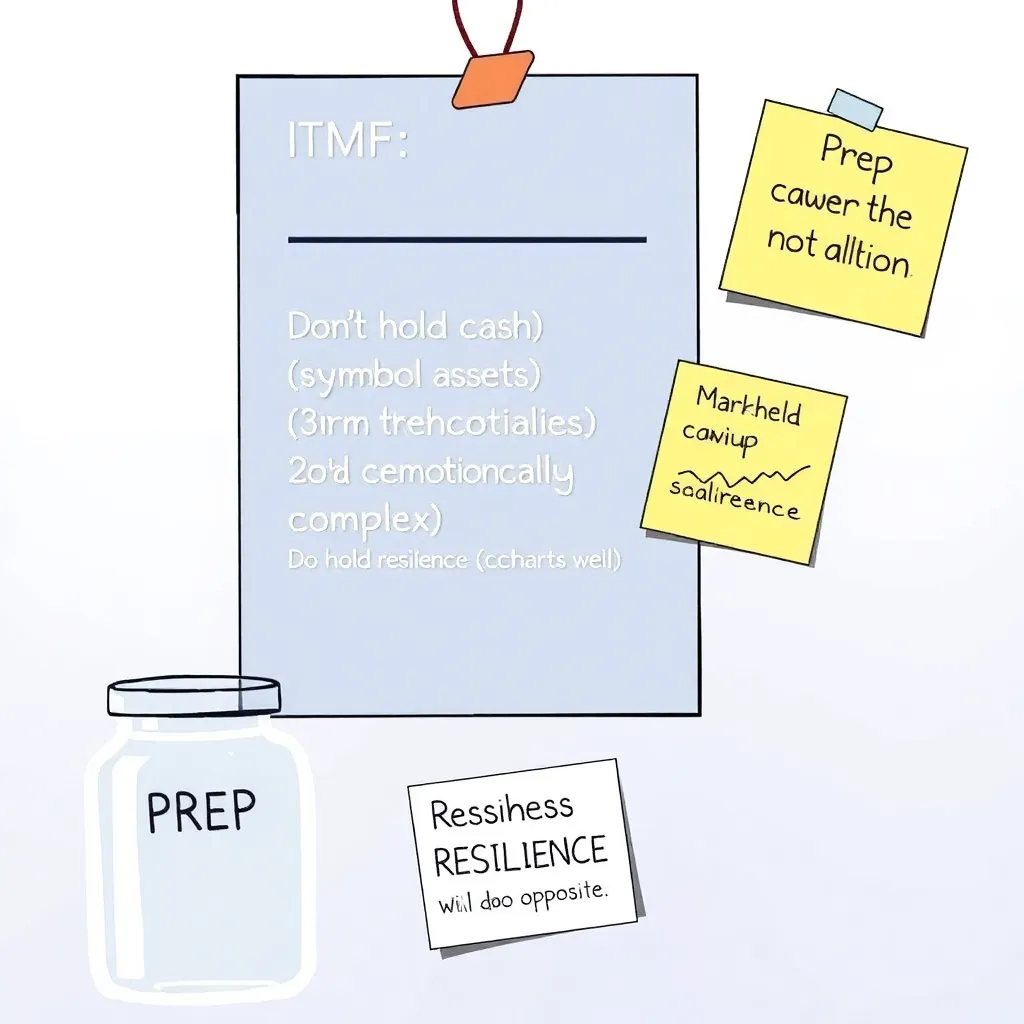
The IMF has also published its annual April 20 guidance, including:
Don’t hold cash (it will become symbolic)
Don’t hold assets (they will become theoretical)
Don’t hold commodities (they will become emotionally complex)
Do hold “resilience” (no one knows what it is, but it charts well)
Markets reacted predictably to the announcement by immediately doing the opposite, then blaming “uncertainty.”
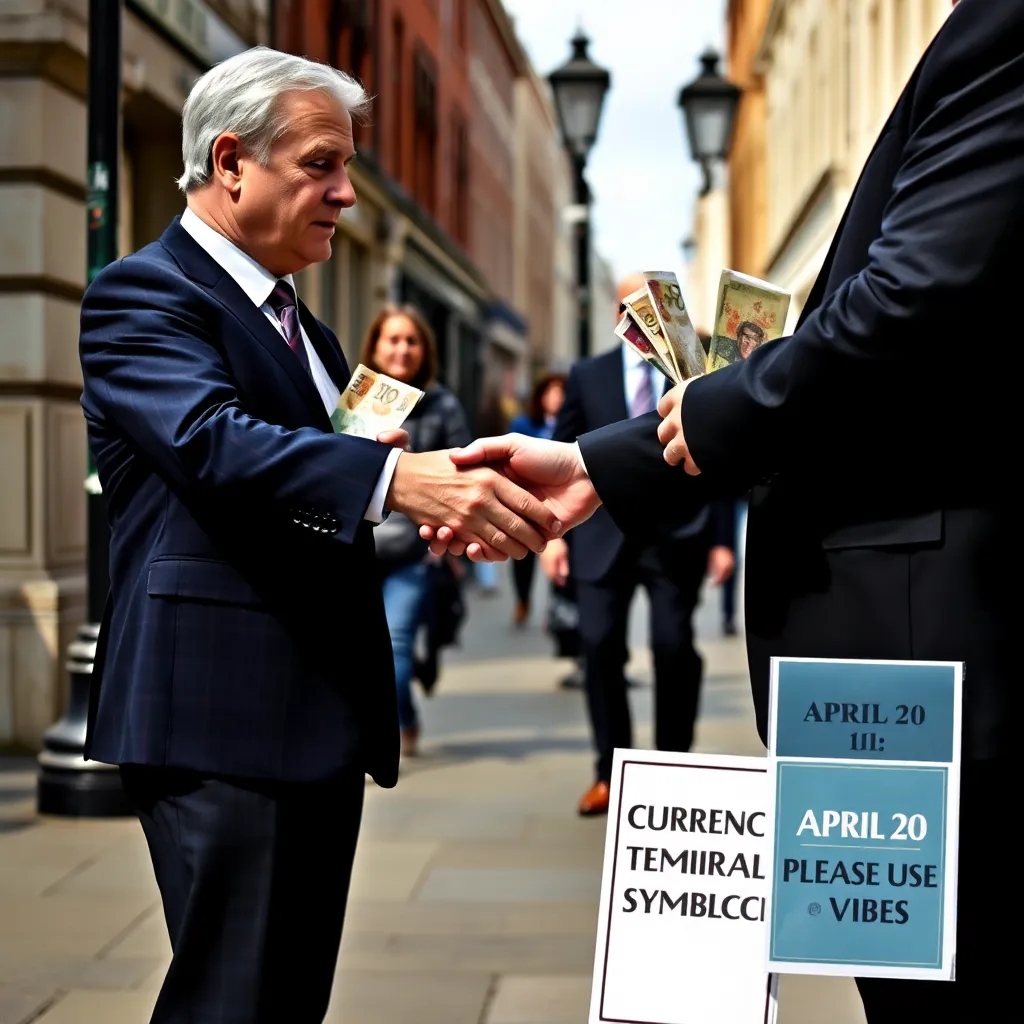
Money To Become “Void,” Government Advises Citizens To Use “A Firm Handshake” Instead
Perhaps the most anticipated feature of April 20 is the voiding of money, a phenomenon in which currency becomes a sort of decorative paper that smells faintly of regret.
The Bank of England reassured the public that it has contingency plans, including:
Temporary replacement of currency with “vibes”
Emergency adoption of the barter system (highly recommended items: canned beans, batteries, and the ability to fix printers)
A new digital pound backed by “the concept of trying our best”
Meanwhile, several governments have encouraged citizens to stay calm and avoid panic-buying essentials such as bread, fuel, and unreasonably large novelty water bottles.
“Remember: the collapse only lasts one day,” said a Downing Street spokesperson. “So if you can simply stop needing anything for 24 hours—food, rent, stability—you’ll be fine.”
Businesses Prepare: Products To Be Declared “Non-Products” Under April 20 Regulations
Companies around the world are racing to “April-proof” their offerings after last year’s collapse saw items across retail, finance, and manufacturing briefly become non-binding suggestions.
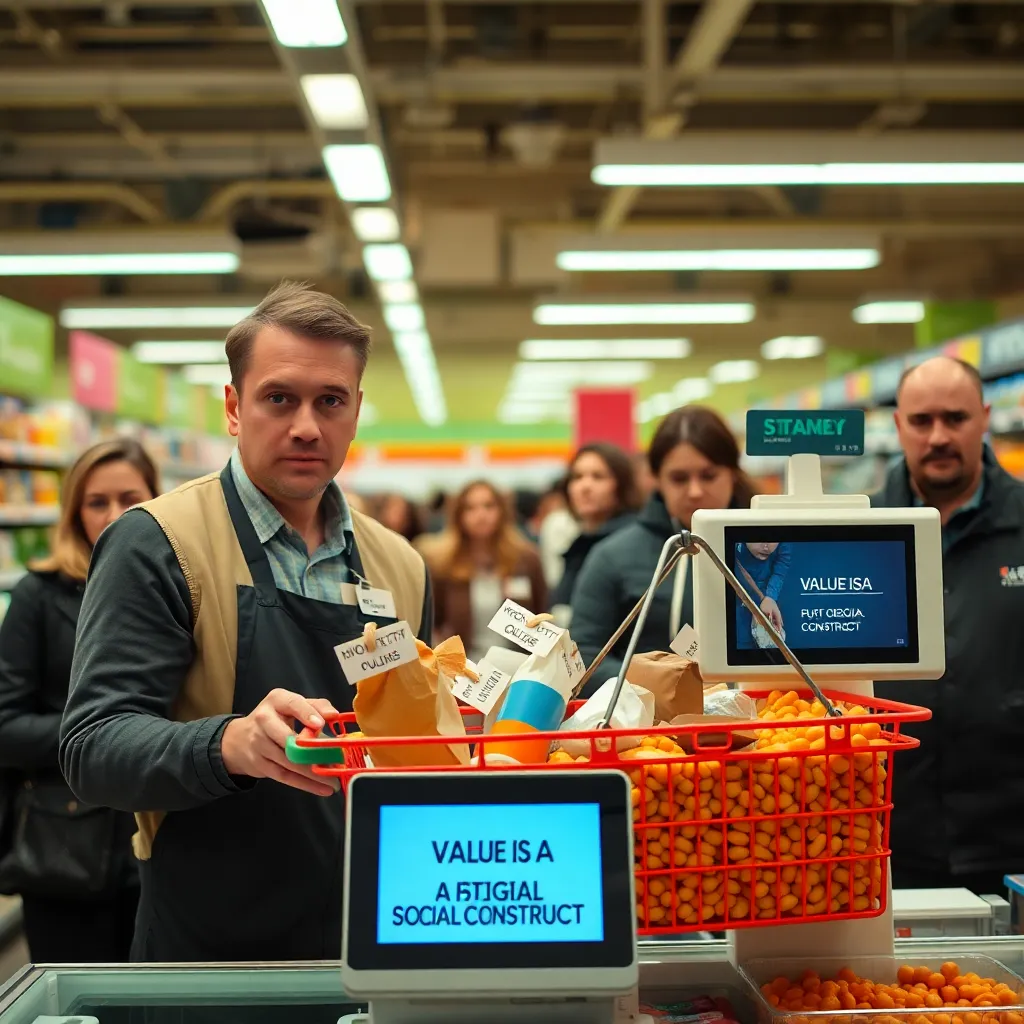
A spokesperson for a major supermarket chain confirmed that on April 20, all groceries will revert to their pre-commercial state.
“On that day, a chicken is no longer a purchasable chicken,” she explained. “It’s a poultry idea. Our checkout staff will be trained to look through customers and whisper ‘value is a social construct’ before dissolving into mist.”
Technology companies have also issued warnings that software licenses will temporarily become unlicensed existential queries, and subscription services may attempt to bill users in units of “spiritual exposure.”
Streaming giant BingeFlix said it will continue operating, but only by reclassifying its content as “historical reenactments of capitalism.”
The Filter: Only the Strongest Companies Will Survive, Others To Become “A Cautionary LinkedIn Post”
April 20 is described by economists as a “filter,” a brutal culling that leaves only the most capable companies—those making the smartest economic decisions—standing when the calendar returns to a normal day and the world pretends it didn’t just price oxygen at £7.4 trillion.
What counts as “smartest economic decisions” remains unclear, but leaked criteria reportedly include:
Having at least one spreadsheet that makes someone feel safe
A CEO who can say “synergy” without blinking
A contingency plan that involves both “pivoting” and “not panicking”
Possessing a corporate logo that still looks meaningful during systemic collapse
This year, analysts predict the biggest survivors will be firms specializing in basic necessities, corporate counseling, and selling briefcases that look like they contain answers.
One investment bank has already launched a new April 20 product: a structured derivative called the Cataclysm-Linked Confidence Note, designed to pay out in the event of catastrophe, provided catastrophe agrees to the terms and conditions.
“Existing Costs More Than World GDP,” Citizens Encourage Each Other To Try Not Existing (Politely)
In perhaps the most controversial aspect of the April 20 collapse, the cost of existing is expected to surge beyond the total value of global output, prompting consumers to seek savings through creative lifestyle changes.
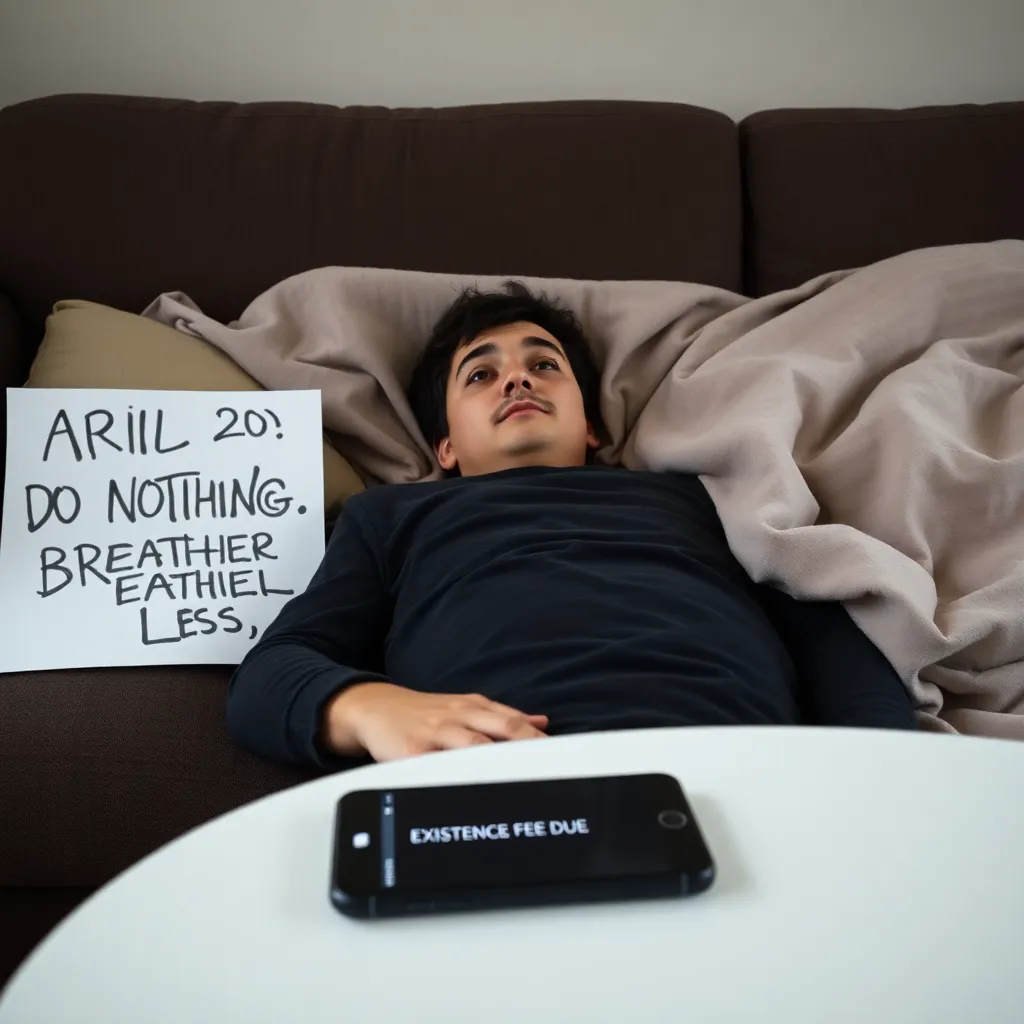
“I’ve switched to a simpler routine,” said Bristol resident Martin Keane. “On April 20, I plan to lie perfectly still and think about being less expensive.”
Others are taking more proactive steps, including:
Canceling plans to breathe
Sharing rent with their shadow
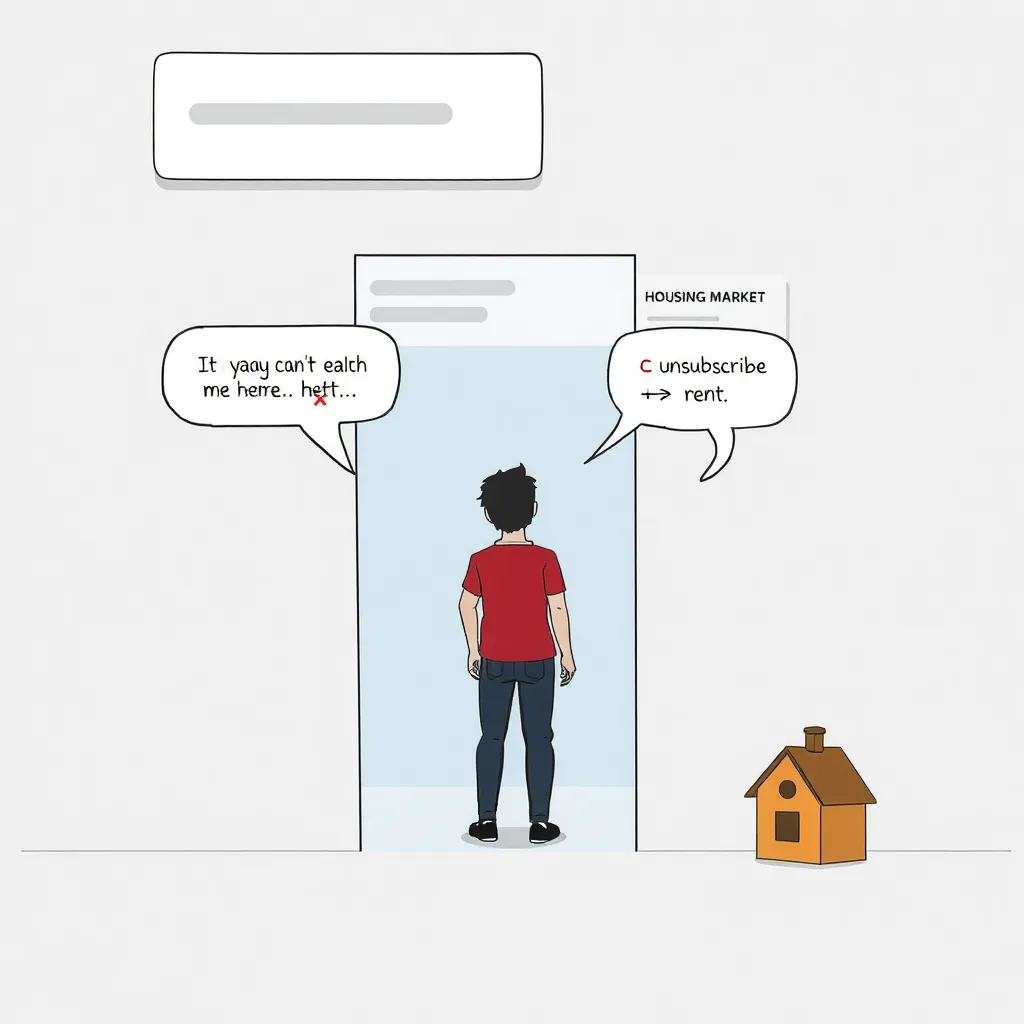
Moving into emails because the housing market can’t reach them there
Economists warn, however, that reducing existence too aggressively may trigger “negative being,” a situation in which citizens owe reality money simply for having once been considered.
Experts Assure Public That Every Other Day Will Be Normal, Which Is Comforting In Its Own Special Way
Authorities emphasize that outside April 20, the economy will return to its usual predictable state of mild chaos, soaring inequality, and the occasional inexplicable surge in artisanal butter futures.
“It’s important not to catastrophize,” said Professor Grubb. “April 20 is the only day when everything collapses in an organized manner. The rest of the year is reserved for organic, spontaneous disasters.”
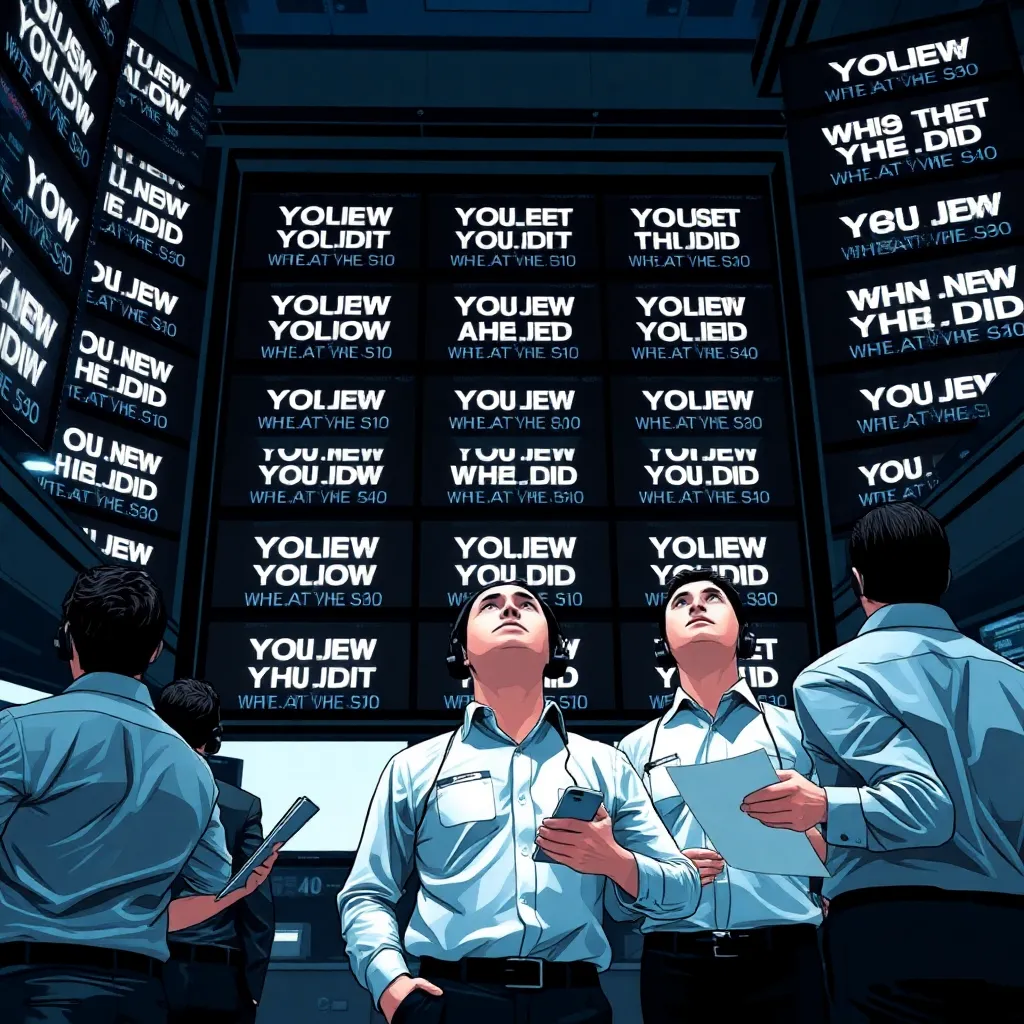
Stock exchanges are reportedly preparing to suspend trading for 24 hours and replace ticker symbols with small signs reading “You Know What You Did.”

Local Start-Up Promises To Help Businesses Survive With Simple Tool: “Panic, But Professionally”
In response to demand, several consultancies have launched April 20 survival programs, including one London start-up offering an AI-driven platform that automatically:
Blames supply chains
Rebrands bankruptcy as “strategic hibernation”
Converts losses into a celebratory infographic
“We help founders stay calm by generating press releases that sound confident even as their business becomes a rumor,” said CEO Tara Innes. “Our premium tier includes an emergency pivot into ‘community.’”

What You Can Do To Prepare (Official Guidance)
Government and industry bodies have issued the following practical advice for the public:
Do not attempt to purchase anything on April 20; purchasing will be temporarily replaced with “yearning.”
Avoid making eye contact with interest rates, which may become aggressive.
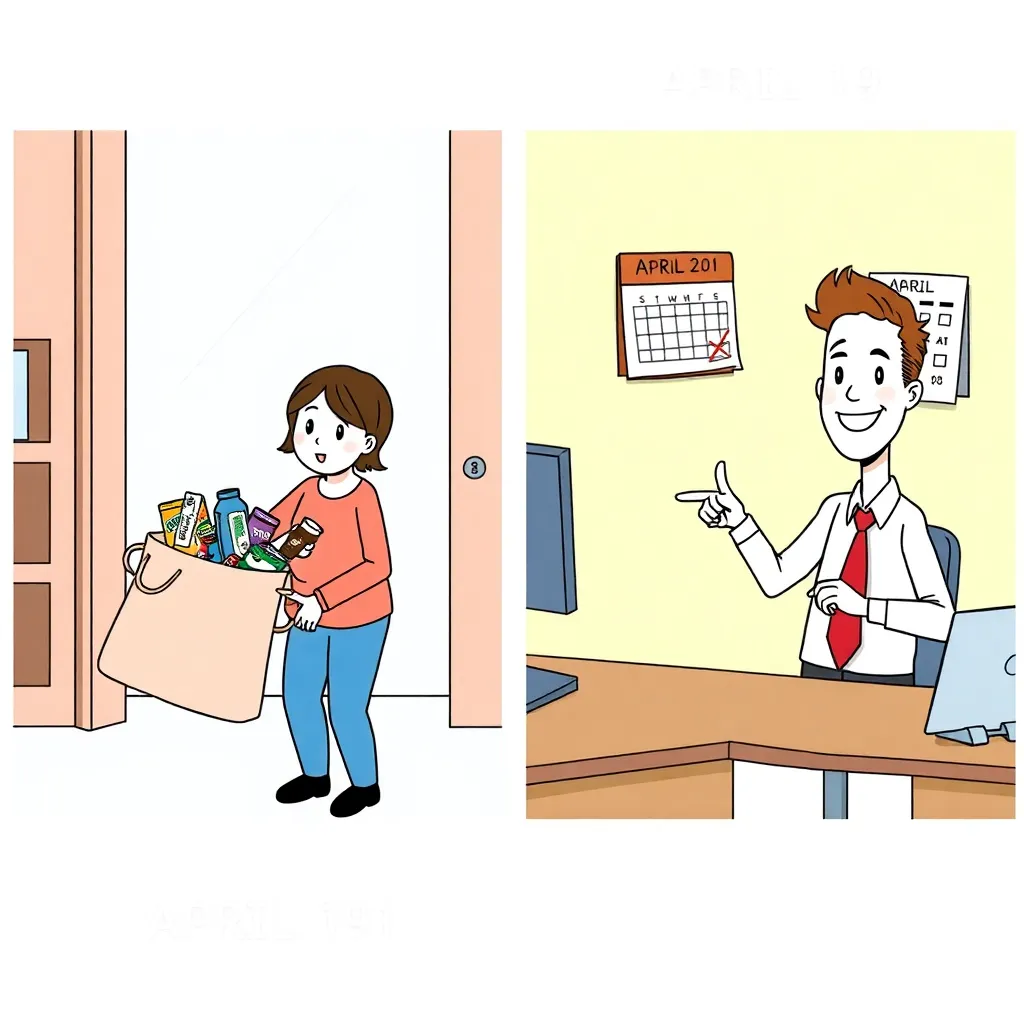
Stock up on essentials on April 19, such as water, snacks, and a single, solid plan that doesn’t involve hoping.
On April 20, speak only in calm tones to prevent inflaming the markets, which are skittish and respond to fear by inventing new fees.
On April 21, resume normal life and insist you always knew it would be fine.
Closing Bell: Investors Asked To Remain Calm, Or At Least Pretend Convincingly
As April 20 approaches, citizens worldwide are encouraged to keep perspective. Yes, economies will die. Yes, money will void. Yes, products will become metaphysical. Yes, existence will become unaffordable at a scale previously reserved for interstellar travel.
But officials stress that this is perfectly normal for April 20, and that by the next morning, everyone can go back to a world where markets behave rationally in the very specific way people mean when they say “rational,” which is to say “like frightened birds with spreadsheets.”
At press time, the global economy was reportedly “feeling optimistic,” before briefly remembering the date and immediately diversifying into candles, soup, and denial.