Government Unveils 13-Month Calendar, Promises “One Extra Month of Productivity” and “Only Mild Temporal Screaming”
LONDON—In a move officials describe as “bold,” “modern,” and “technically speaking, a bit of a dare,” the Government today announced it will be replacing the current 12-month calendar with a 13-month model designed to “simplify time,” “boost national output,” and “stop people pretending they know when Easter is.”
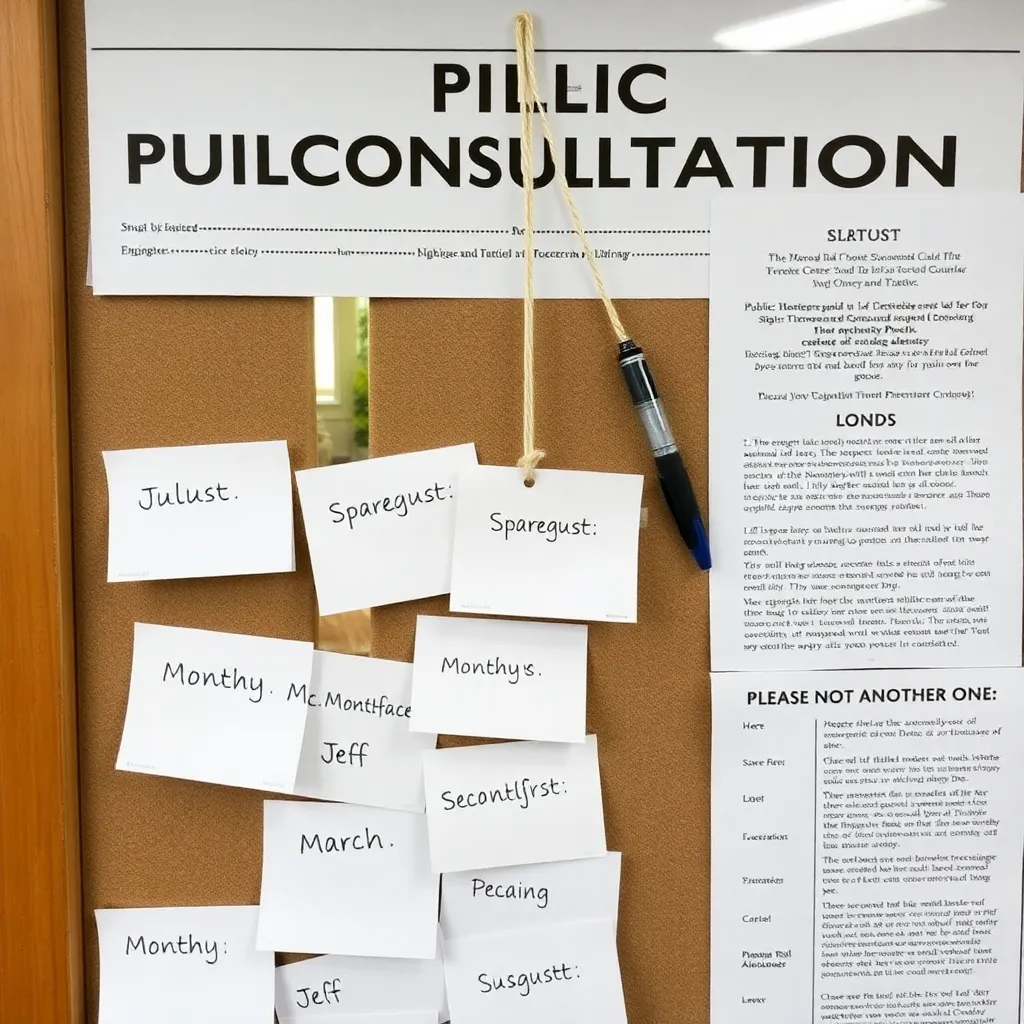
The new calendar, tentatively titled “The Sensible Gregorian But With A Bonus Bit”, inserts an additional month between July and August, provisionally named “Julust”, though a public consultation has already produced popular alternatives including “Sparegust,” “Jeff,” and “Monthy McMonthface.”
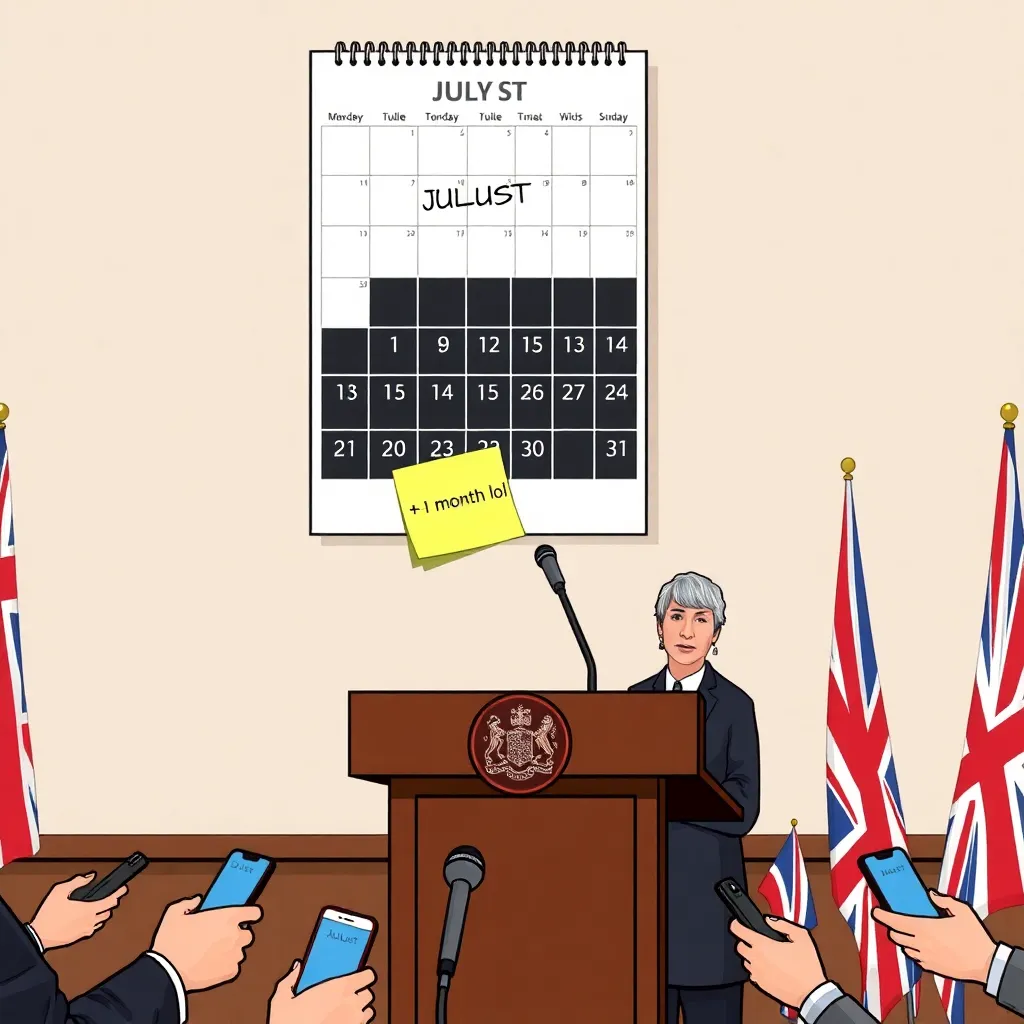
“We’ve run the numbers,” said a spokesperson from the newly established Department for Temporal Efficiency and Vibes (DTEV), standing in front of a large chart that appeared to be a normal calendar with a Post-it note reading “+1 month lol.” “There are 365 days in a year. Divide that by 13 and you get 28 days per month, with one day left over for patriotism, administrative resets, and emotional processing.”
Economists have hailed the change as “potentially transformative,” “definitely confusing,” and “the sort of thing that makes you check your phone in the middle of a conversation.”
The “Simple” System That Requires a 19-Page Explainer
Under the proposed arrangement, each month will contain exactly 28 days—four neat weeks—meaning every date will fall on the same day of the week, every year. The 1st will always be a Monday, the 2nd always a Tuesday, and so on, until time itself becomes a reassuringly repetitive spreadsheet.
“This is huge,” said Professor Elaine Dockett of the University of North Hertfordshire’s School of Applied Regrets. “It means scheduling will be easier, payroll will be predictable, and everyone can finally stop experiencing the disorienting sensation of discovering that your birthday is on a Wednesday this year when it was on a Saturday last year and therefore nothing in life has meaning.”
However, the plan does come with some complications, most notably the requirement for a so-called “Year Day”—a single extra day not belonging to any month, placed at the end of the year like an abandoned shopping trolley.

“Year Day will be a national holiday,” the DTEV spokesperson confirmed. “It will exist outside the week. It will be nobody’s Monday. Nobody’s Tuesday. It will be a pure day, free of appointments. We expect the public to spend it quietly, contemplating the void and doing the recycling.”
In leap years, a second floating day—“Leap Day 2: The Reckoning”—will be introduced, primarily to keep astronomers from writing passive-aggressive letters.
Businesses Celebrate: “An Extra Month Means We Can Miss Targets 8% More Often”
Corporate Britain has broadly welcomed the reform, with executives praising the opportunity to include an additional month of performance reviews.
“This is exactly what we need,” said Graham Pile, Chief Operations Officer at Midlands-based consultancy firm SynerGrit™, whose entire branding is grey. “With 13 months, we can implement 13-month rolling targets, 13-month probationary periods, and 13 opportunities to tell staff they’re ‘nearly there’ before changing the goalposts again. It’s genuinely thrilling.”
When asked whether employees would be paid for the additional month, Pile appeared startled, as if someone had asked whether air should be taxed.
“We’re exploring a range of innovative compensation models,” he said, carefully backing away. “For example: no.”
Meanwhile, the Government has reassured the public that salaries will be “recalculated” to reflect the new structure, which experts interpret as “adjusted in a way that makes everyone suspicious.”

Parents Furious After Discovering “Julust” Contains Parents’ Evening
Families have reacted less enthusiastically, with many parents noting the plan will simply create an additional month during which schools can send home letters containing phrases like “as you are aware” and “kindly ensure.”
“I’ve only just got used to remembering which half-term is which,” said Sharon Bell, 39, from Swindon. “Now you’re telling me there’s a whole new month, and it’s probably going to have a book fair in it. I don’t even know where I’m going to find the emotional resources to pretend I enjoy the book fair.”
Teachers, for their part, expressed cautious optimism that the 13-month calendar could finally end the annual ritual of trying to fit an entire curriculum into “that weird bit in June where everyone’s already mentally on a beach.”

“If every month is exactly four weeks, planning is easier,” said one secondary school head of department, speaking anonymously from behind a stack of unmarked exercise books. “But if the Government thinks this means we can ‘do more,’ then they can use Year Day to reflect on their choices.”
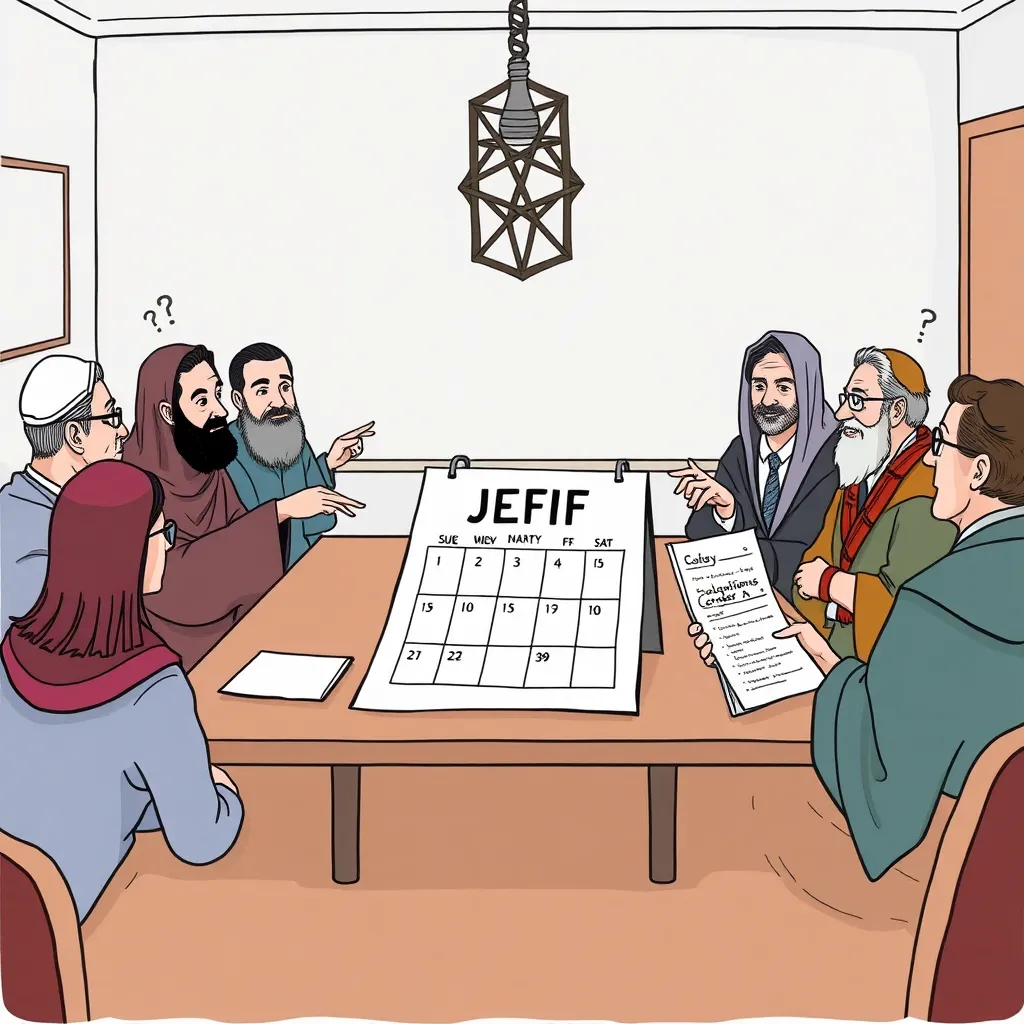
Religious Leaders Seek Clarification on Where God Fits in “Jeff”
Faith communities have also requested guidance on how the new calendar will affect existing holidays.
“Moving from 12 months to 13 fundamentally alters the spiritual cadence of the year,” warned an interfaith coalition in a statement. “We need to know whether sacred observances will remain where they are, drift, or be rebranded with corporate sponsorship.”
The Archbishop of Canterbury, when asked about the insertion of Julust, reportedly responded: “We’ve survived Henry VIII, Brexit, and the Church roof fund. We’ll manage Julust.”
Jewish and Muslim leaders were quick to note that their calendars already operate independently of the Gregorian system and are therefore “not especially concerned,” though they did express sympathy for everyone about to be trapped in a conversation with someone who has just learned calendars exist.
The Month Naming Committee Collapses in 11 Minutes
A national committee was formed to decide the official name of the new month, but it reportedly fell apart almost immediately.

According to leaked minutes, early suggestions included:
Meridian (rejected for sounding like a premium dishwasher tablet)
Octember (rejected for being “too honest”)
Jubilee (rejected for causing immediate constitutional crisis)
Second March (rejected for “psychological harm”)
Thatchuary (rejected on the grounds of “don’t”)
Kev (rejected for reasons nobody could explain)
The only proposal to gain unanimous support was “Please Not Another One”, though it was later ruled “insufficiently calendar-like.”
A Government source confirmed that, if public consultation proves too chaotic, the month will simply be named “Month 7.5” and the nation will “learn to cope.”
Tech Companies Prepare to Accidentally Delete Time
The tech industry is now bracing for what experts are calling “The Great Scheduling Event,” in which every digital system built on the assumption of 12 months will begin to behave like a startled horse.
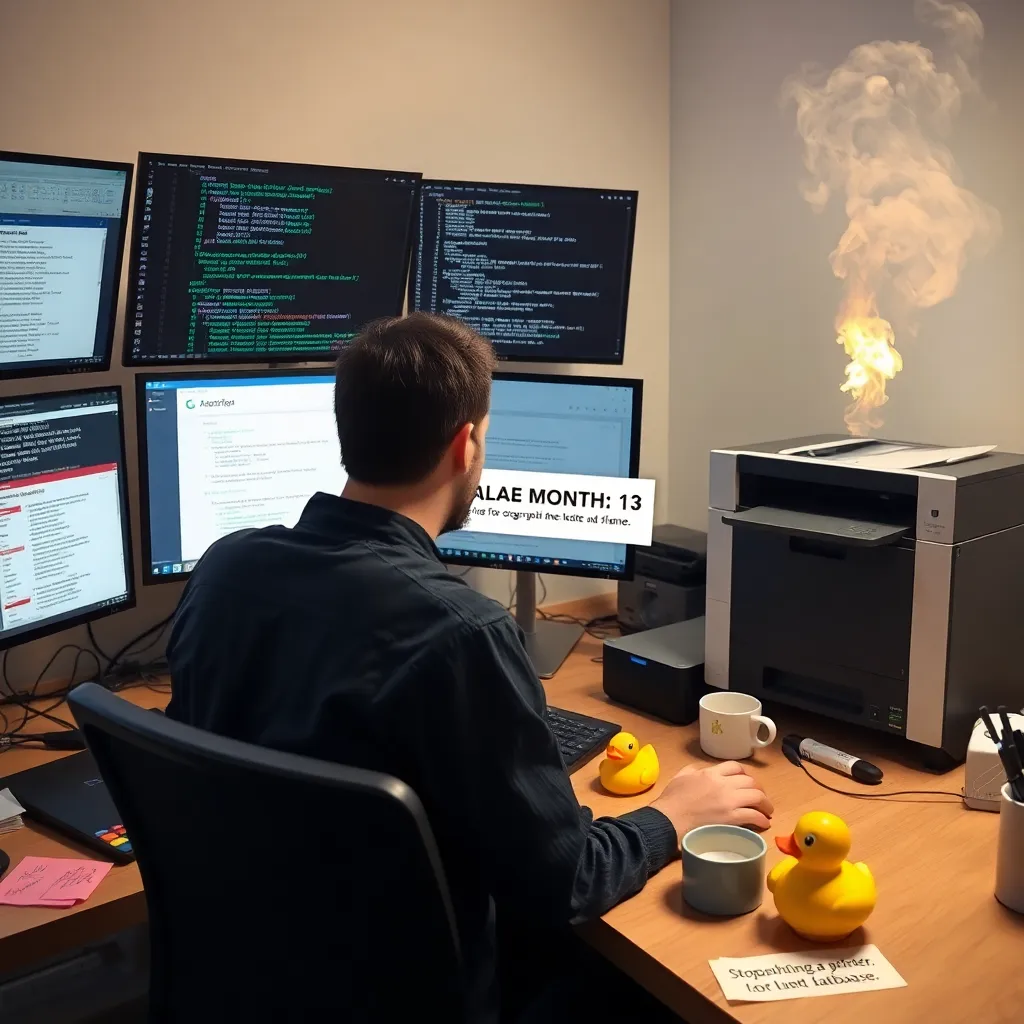
“Your phone is going to have a panic attack,” said Priya Desai, a software engineer who has spent the past decade trying to convince people to stop using Excel as a database. “Calendars, billing cycles, payroll software, direct debits—everything will need updating. Somewhere, a printer will burst into flames. It’s just science.”
Asked whether the transition might cause errors in appointments, Desai sighed.
“I can confidently say that in the first year of the 13-month calendar, at least one wedding will take place on Year Day, and nobody will be sure if that means it’s legally binding.”
Major tech companies have pledged full support, with one spokesperson from a leading global firm announcing they will “roll out compatibility as soon as we’re done adding AI to the calculator app.”
The Public Responds as Expected: With Rage, Confusion, and Mild Curiosity
On the street, reaction was mixed.
“I like it,” said Darren, 28, who had not been asked. “It makes the months even. It’s satisfying. Like when the volume is on an even number.”
“I hate it,” said Moira, 61. “I’ve spent my whole life barely remembering how many days are in September, and now you want to introduce an entirely new month that will definitely contain a wet weekend and a disappointing sandwich.”
Others simply wanted to know what it means for aging.
“If there are 13 months, does that mean I get older faster?” asked one concerned citizen on social media, in a post liked by 40,000 people and several account bots selling garden furniture.

The Government confirmed that citizens will not be aging faster, but did not rule out “feeling older sooner.”
The Prime Minister Promises “A New Era of Temporal Common Sense”
In a televised address, the Prime Minister described the 13-month calendar as “a fresh start” and “the kind of forward-thinking reform that reminds the world Britain still dares to dream,” before unveiling a slogan: “One More Month. One Great Nation.”
Opposition parties criticised the move as “a distraction from real issues,” “a cynical attempt to create an extra month in which nothing gets done,” and “an act of calendar vandalism.”

Political analysts noted that the reform could backfire if voters interpret it as an attempt to delay elections by inserting a month that “doesn’t technically exist yet.”
When asked whether the Government had conducted adequate public consultation, the DTEV spokesperson confirmed that they had “spoken to a man in a queue” and “read at least three comments online,” which “felt representative.”
Experts Warn of Side Effects: “You Will Meet Someone Who Insists It’s Better”
Psychologists have cautioned that the biggest risk may not be logistical but social.
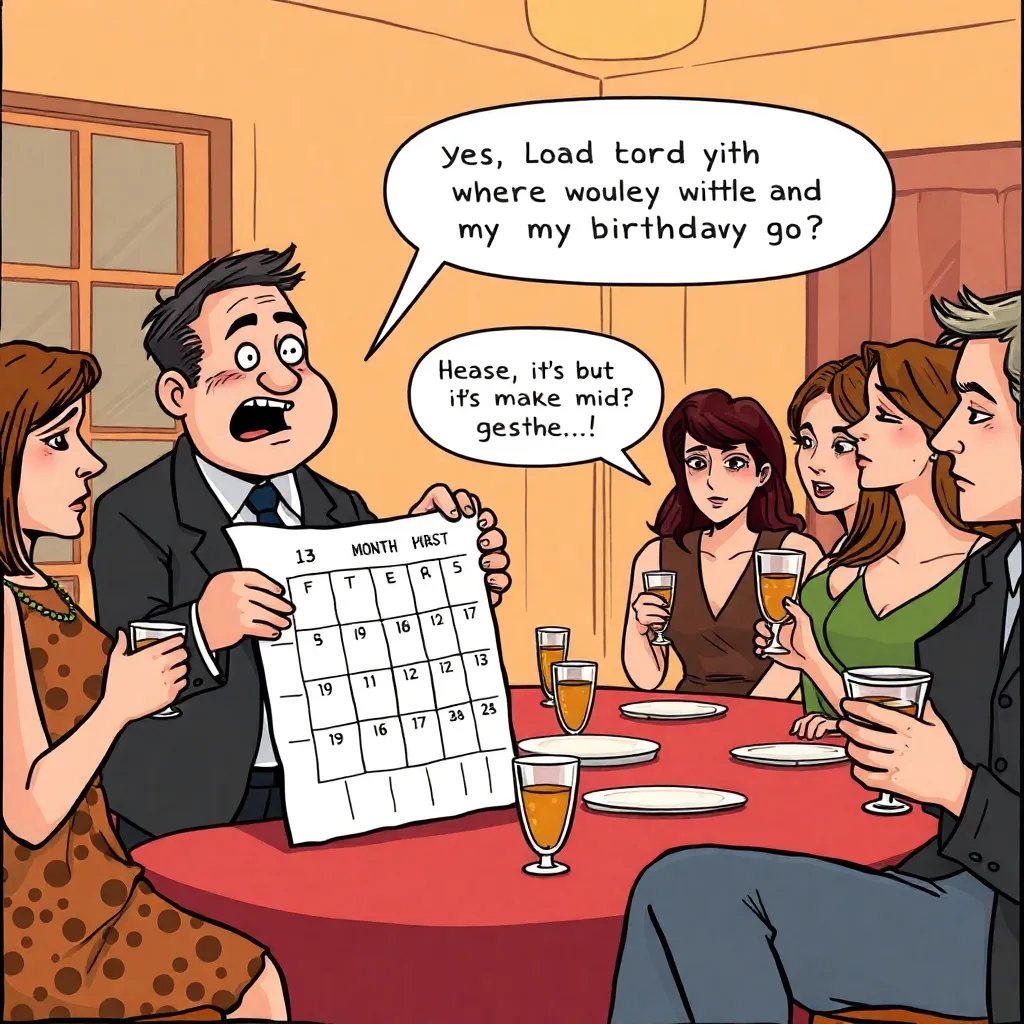
“The 13-month calendar will create a new type of person,” said Dr. Lorna Grubb, a behavioural scientist. “Someone who says, ‘Actually, it’s much more rational,’ and then tries to explain it at a party. These people already exist, but this will embolden them.”
Dr. Grubb recommends nodding politely, slowly backing away, and if necessary, interrupting with, “Yes, but where would my birthday go?”—which typically causes the enthusiast to freeze as their mind attempts to map joy onto a grid.
What Happens Next
The Government plans to trial the new calendar next year by introducing Julust “softly,” beginning with civil service departments, selected councils, and “anyone who was rude about daylight saving time.”
If successful, the calendar will be rolled out nationally, alongside educational campaigns teaching the public how to say “13-month calendar” without looking like they’re about to start selling cryptocurrency.
In the meantime, citizens are encouraged to remain calm, continue using their existing diaries until instructed otherwise, and remember that no matter how many months the year contains, February will still feel personal.
As one weary commentator put it: “Time is a flat circle. Now it just has an extra slice.”